
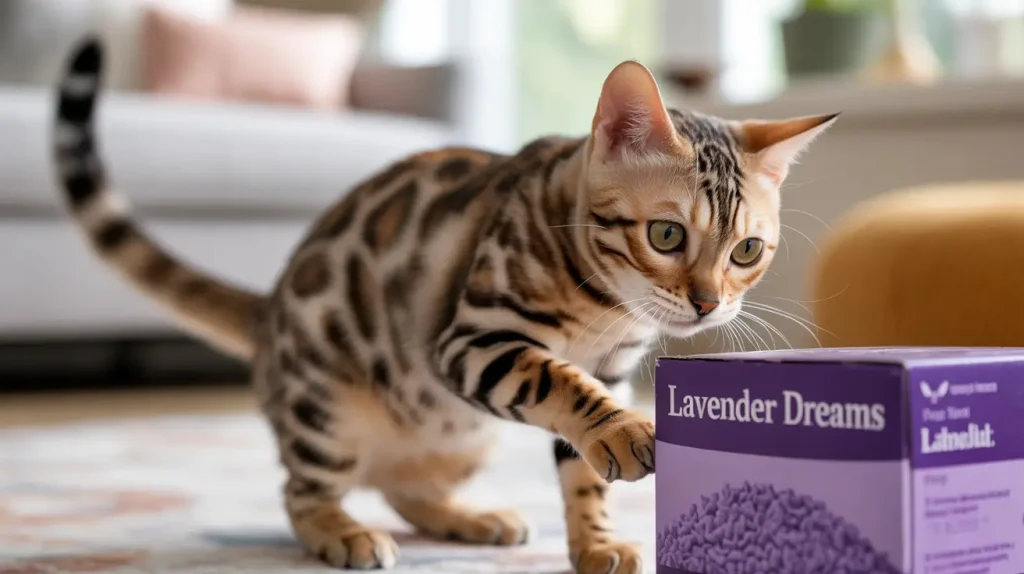
If you’re a cat owner, you know how important it is to keep your home smelling fresh. Scented cat litter seems like a perfect solution, promising to mask unpleasant odors.
But have you ever stopped to wonder: is scented cat litter bad for your cat’s health or comfort? Choosing the right litter can affect your furry friend’s well-being and your peace of mind. Keep reading to discover the truth behind scented cat litter and whether it’s the right choice for you and your pet.
Types Of Cat Litter
Choosing the right cat litter affects your cat’s comfort and your home’s cleanliness. Cat litter types vary by texture, absorption, and odor control. Knowing the differences helps find what suits your cat best.
Clumping Vs Non-clumping
Clumping litter forms solid clumps when it gets wet. This makes cleaning easier since you remove only dirty parts. It helps keep the box fresh longer. Some cats prefer its texture.
Non-clumping litter absorbs moisture but does not form clumps. It may need full replacement more often. It can be dustier and harder to scoop. Some cats find it softer on their paws.
Scented Vs Unscented
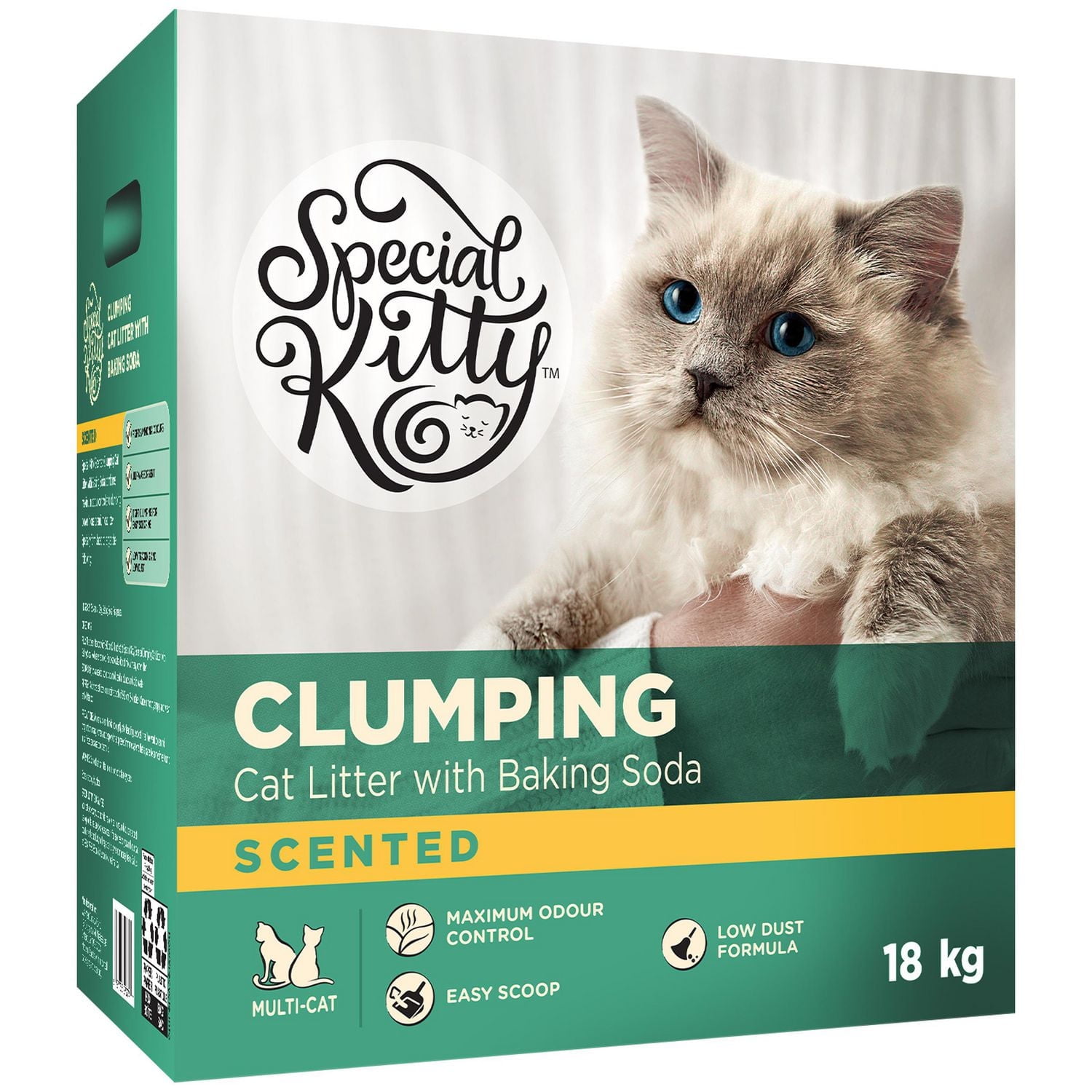
Scented litter contains added fragrances to mask odors. It can make the litter box smell better for you. Some cats may dislike or react to strong scents. Allergies or sensitivities can cause discomfort.
Unscented litter has no added fragrance. It relies on natural odor control from the material itself. It is gentler for cats with allergies or sensitive noses. It lets you notice when the box needs cleaning.
Credit: www.walmart.ca
Ingredients In Scented Litter
Scented cat litter contains various ingredients designed to mask odors. These ingredients include fragrances and chemicals. Understanding what is inside can help pet owners make safer choices. Some ingredients can cause allergies or harm pets.
Common Fragrances Used
Scented litters use different fragrances to create a fresh smell. Popular scents include:
- Lavender
- Chamomile
- Citrus
- Fresh linen
- Tea tree
These fragrances often come from essential oils or synthetic compounds. They aim to cover the smell of waste but may irritate sensitive noses.
Potential Harmful Chemicals
Scented cat litters may contain chemicals that pose risks. Some common harmful substances include:
- Phthalates – used to make scents last longer but can disrupt hormones
- Formaldehyde – a preservative that can cause respiratory issues
- Fragrance allergens – can trigger skin or breathing problems
- Artificial dyes – may cause allergic reactions in some cats
Exposure to these chemicals can irritate cats’ paws, noses, and lungs. Cats with asthma or allergies are especially vulnerable. Choosing unscented or natural litters can reduce these risks.
Health Risks For Cats
Is your cat's litter causing more harm than good? Many cat owners are unaware that scented cat litter could pose health risks for their feline companions. From respiratory issues to allergic reactions and even behavioral changes, these risks are worth considering for your pet’s well-being. Let’s dive into the potential health risks associated with scented cat litter.
Respiratory Issues
Scented cat litters often contain chemicals and perfumes designed to mask unpleasant odors. However, these scents can lead to respiratory problems in cats. Cats are known for their sensitive respiratory systems, and inhaling these chemicals may lead to sneezing, coughing, or more severe issues like asthma.
Has your cat been sneezing more than usual? It might be time to check the ingredients in their litter. Opt for unscented or natural alternatives to keep their airways clear and healthy.
Allergic Reactions
Just like humans, cats can suffer from allergies. Scented litters can trigger allergic reactions, causing symptoms like itching, redness, or skin rashes. You might notice your cat licking excessively or scratching more than normal.
Switching to a hypoallergenic litter could alleviate these symptoms. Pay close attention to any changes in your cat’s behavior after introducing a new litter. Is your cat itching or scratching more than usual?
Behavioral Changes
Have you ever noticed your cat avoiding their litter box? The strong scent of some litters can be off-putting to cats, leading to litter box avoidance. This behavioral change can result in accidents around your home.
Consider whether the scent of the litter might be the issue. Trying an unscented variety might make all the difference in ensuring your cat feels comfortable using their litter box. Is the litter box still your cat’s go-to spot?
Being proactive about the type of litter you choose can significantly impact your cat’s health and happiness. Always keep your feline friend’s needs in mind when selecting products for them.
Credit: purrfectinsights.com
Impact On Cat Owners
The impact of scented cat litter on cat owners goes beyond just choosing a product for your pet. It affects your daily comfort, health, and the quality of your living space. Understanding these effects can help you make better decisions that protect both you and your furry friend.
Allergies And Sensitivities
Scented cat litter often contains artificial fragrances that can trigger allergies or sensitivities in some people. You might notice sneezing, watery eyes, or even skin irritation after cleaning the litter box. If you or someone in your household suffers from respiratory issues like asthma, these symptoms can worsen unexpectedly.
Many cat owners have shared stories about switching to unscented litter and seeing a clear improvement in their allergy symptoms. Have you ever considered that the pleasant smell you associate with scented litter might be causing subtle discomfort? Paying attention to these signs can improve your wellbeing significantly.
Indoor Air Quality
Scented cat litter releases particles and chemicals that can linger in the air, reducing the overall air quality inside your home. This is especially true in small or poorly ventilated spaces where odors and dust accumulate quickly. You might find the air feels heavy or less fresh, impacting your comfort and health.
Improving ventilation or choosing low-dust, unscented litter can make a noticeable difference. Imagine coming home to a room that smells clean naturally, without the artificial scent masking other odors. How often do you think about the air you breathe around your pet’s litter box?
Environmental Concerns
Environmental concerns around scented cat litter often get overlooked. Yet, the impact on nature and your home’s surroundings can be significant. Understanding these issues helps you make better choices for both your pet and the planet.
Biodegradability
Not all cat litters break down easily in the environment. Many scented varieties use clay or synthetic materials that can take hundreds of years to decompose.
If you’re aiming for an eco-friendly option, look for litters labeled as biodegradable. These usually contain natural ingredients like corn, wheat, or pine, which break down faster and reduce landfill waste.
Have you checked what happens to your cat’s litter after disposal? It might surprise you how long it sticks around.
Chemical Pollution
Scented cat litters often include artificial fragrances and additives. These chemicals can leach into the soil and water when disposed of improperly.
Some fragrances contain harmful compounds that may affect wildlife and disrupt ecosystems. Even small amounts can build up over time, causing unexpected damage.
Choosing unscented or naturally scented litters can limit chemical pollution. Would you rather risk introducing toxins into your environment or opt for a cleaner alternative?

Credit: www.homesalive.ca
Alternatives To Scented Litter
Alternatives to scented cat litter offer a safer and often more pleasant experience for both cats and owners. These options reduce exposure to artificial fragrances that can irritate a cat’s sensitive nose or cause allergic reactions. Choosing a natural or unscented product can improve your cat’s comfort and maintain a fresher environment without harsh chemicals.
Natural And Unscented Options
Natural and unscented litters use ingredients like clay, corn, wheat, or pine. These materials absorb moisture and control odor naturally.
- Clay-based litters trap odors without added scents.
- Corn and wheat litters are biodegradable and gentle on paws.
- Pine litter offers a fresh, natural smell without chemicals.
- Unscented litters let you avoid artificial fragrances entirely.
These options often have dust-free formulas, reducing respiratory risks for cats and humans. They are also less likely to cause litter box avoidance.
Diy Solutions
Making your own cat litter mix is simple and cost-effective. You can combine natural materials to create odor control without scents.
- Baking soda mixed with unscented litter helps absorb odors.
- Shredded newspaper or wood pellets offer an eco-friendly base.
- A small amount of activated charcoal can reduce smells.
- Essential oils are not recommended as they may harm cats.
DIY options let you customize the litter to your cat’s needs. Test small batches to find the best mix for odor control and comfort.
Tips For Choosing Cat Litter
Choosing the right cat litter matters for both you and your cat. It affects your cat’s comfort and health. It also influences how your home smells. Picking the best litter means balancing many factors. Here are some tips to help you choose wisely.
Considering Cat’s Health
Your cat’s health should guide your litter choice. Some cats have allergies or sensitive skin. Dust-free litters reduce respiratory problems. Avoid clumping litters if your cat eats litter. Look for natural ingredients to keep toxins low. A healthy cat enjoys using its litter box more.
Evaluating Scent Preferences
Cats have strong noses. Many dislike strong smells in their litter. Scented litters may repel some cats. Unscented litters often work better for sensitive noses. You can try mild scents if your cat seems okay. Watch your cat’s behavior around new litters carefully.
Reading Labels Carefully
Labels reveal what’s inside the litter box. Check for harmful chemicals or artificial fragrances. Look for details on dust levels and clumping ability. Biodegradable or eco-friendly options show on labels too. Clear labels help you avoid surprises and pick the best fit.
Frequently Asked Questions
Is Scented Cat Litter Harmful To Cats?
Scented cat litter can irritate sensitive cats’ noses and respiratory systems. Some cats may avoid using it. Always observe your cat’s reaction and consult a vet if unsure.
Why Do Manufacturers Add Scent To Cat Litter?
Manufacturers add scent to mask unpleasant odors from cat waste. It helps maintain a fresher-smelling home environment. However, strong fragrances may bother some cats.
Can Scented Litter Cause Allergies In Cats?
Yes, scented litter can trigger allergies or asthma in sensitive cats. Dust and artificial fragrances may worsen respiratory issues. Opt for unscented, hypoallergenic litter if your cat shows symptoms.
Is Scented Cat Litter Safe For Kittens?
Scented litter is generally not recommended for kittens. Their respiratory systems are more delicate. Unscented, dust-free litter is safer to avoid irritation or health problems.
Conclusion
Scented cat litter can smell nice but may cause problems. Some cats dislike strong smells and avoid their box. Chemicals in scented litter might irritate sensitive noses or skin. Unscented litter is often safer and more natural for pets. Watch your cat’s behavior to choose the best litter.
Clean the litter box often to keep odors away. Your cat’s comfort matters most for a happy home. Choose wisely for a fresh and healthy environment.

Lily Purrington is the founder of MyKittyPicks.com, a cozy corner of the web dedicated to helping cat lovers discover the best cat products, furniture, toys, and home decor ideas.
A lifelong cat enthusiast, Lily shares trusted tips, honest product recommendations, and stylish inspiration designed to keep kitties happy and homes beautiful.
Her mission is simple: to bring together practical advice and purr-fect picks that make life better for cats and the people who love them.


