
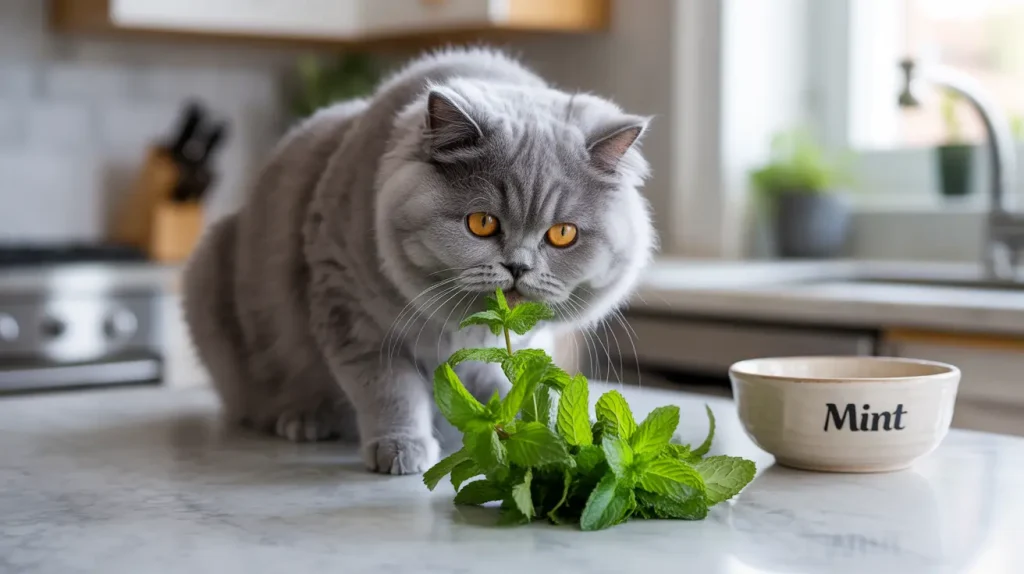
Are you wondering if mint is safe for your cat? You might have noticed your furry friend sniffing or nibbling on mint leaves and asked yourself, “Is this okay?” It’s natural to want the best for your pet and avoid anything that could harm them.
Understanding how mint affects cats can help you keep your home safe and your pet healthy. Keep reading to discover the truth about mint and your cat’s well-being—you won’t want to miss what’s really behind those curious sniffles.
Credit: www.petscare.com
Mint Cat Basics
Understanding Mint Cat Basics helps clarify its safety and use. This section explains what Mint Cat is and its common uses. Clear facts help pet owners make smart choices for their cats.
What Is Mint Cat?
Mint Cat refers to a type of catnip plant known for its strong scent. It belongs to the mint family and contains compounds that attract cats. Cats often react with excitement or playfulness. The plant is safe for most cats in small amounts. Mint Cat is not harmful but should be given in moderation to avoid stomach upset.
Common Uses For Mint Cat
- Stimulates play and exercise in cats
- Helps reduce stress and anxiety
- Used in toys or sprinkled on scratching posts
- Encourages positive behavior and activity
- Acts as a natural treat or reward
Credit: www.petscare.com
Safety Concerns
Safety should always be your top priority when introducing anything new to your cat’s environment. Mint, while common in many households, can pose some challenges for feline friends. Understanding the safety concerns helps you protect your cat from potential harm while still enjoying the benefits mint might offer.
Potential Risks For Cats
Not all types of mint are safe for cats. Some varieties, like peppermint and spearmint, contain essential oils that can irritate your cat’s digestive system or skin. Cats are especially sensitive to strong-smelling plants because they have a highly developed sense of smell.
Ingesting mint can cause discomfort or even toxicity. It’s important to remember that even small amounts may affect your cat differently depending on their size and health. Have you ever noticed your cat sniffing a plant and then suddenly acting restless? This could be a sign they’re uncomfortable with the scent.
Symptoms Of Mint Cat Exposure
Watch for signs such as vomiting, drooling, or diarrhea if your cat has been near mint plants or products. Other symptoms include lethargy, loss of appetite, and unusual behavior like excessive pawing at the mouth.
If your cat shows any of these symptoms, remove the mint immediately and contact your vet. Quick action can prevent more serious complications. How closely do you observe your pet after introducing new plants or scents in your home?
Expert Opinions
Understanding whether mint is safe for your cat involves hearing from those who know best—experts in animal health. Their views are shaped by years of experience and scientific study, giving you reliable guidance. Let’s look at what veterinarians and research reveal about mint’s effects on cats.
Veterinarian Perspectives
Many veterinarians agree that some types of mint can cause mild to moderate irritation in cats. Cats are particularly sensitive to essential oils found in certain mint varieties, which can lead to symptoms like drooling, vomiting, or skin irritation.
One vet shared a story about a curious cat that nibbled on a peppermint leaf and immediately showed signs of discomfort. This highlights how even small amounts can affect your pet.
However, vet advice often points out that not all mint is equally harmful. Spearmint, for example, tends to be less toxic but still warrants caution.
Toxicity Levels And Research
Research indicates that compounds such as pulegone and menthol in some mint species are the main culprits behind toxicity. These chemicals can overwhelm a cat’s metabolism and cause adverse reactions.
Studies show that ingestion of large quantities or concentrated mint oil is far more dangerous than incidental contact. This means that while accidental sniffing or minor chewing might not be harmful, deliberate consumption is risky.
Are you aware that even household mint products like essential oils and sprays can pose a threat? Knowing this can help you keep your cat safe by limiting their exposure to these items.
Safe Usage Tips
Using mint cat safely is important for your pet’s health. Mint can be strong and cause reactions if not handled well. Follow simple tips to keep your cat happy and safe.
How To Introduce Mint Cat
Start with a small amount of mint near your cat. Watch for any signs of discomfort or allergies. Let your cat sniff the mint before allowing them to play with it. Avoid giving mint in large quantities. Always supervise your cat during the first interaction with mint.
Alternatives To Mint Cat
Some cats do not like mint or may react to it. Try these safe alternatives:
- Catnip – a popular and safe herb for cats.
- Valerian root – helps cats feel relaxed and playful.
- Silvervine – a natural plant that many cats enjoy.
- Chamomile – known for its calming effects.
These alternatives provide fun and comfort without the risks of mint.
When To Seek Help
Knowing when to seek help after your cat has been exposed to mint or any other potentially harmful substance is crucial. Mint is generally safe for cats in small amounts, but it can cause problems if ingested in large quantities or if your cat has a sensitivity. Recognizing the warning signs early can make a big difference in your cat’s health and recovery.
Emergency Signs In Cats
Watch closely for any sudden changes in your cat’s behavior or health. Symptoms like vomiting, diarrhea, excessive drooling, or difficulty breathing are clear indicators that your cat needs immediate attention.
- Uncontrollable shaking or tremors
- Loss of coordination or stumbling
- Swelling around the mouth or throat
- Severe lethargy or unresponsiveness
- Continuous coughing or wheezing
If you notice even one of these signs, don’t wait. Your cat’s condition could worsen rapidly, and quick action can save their life.
First Aid Measures
If you suspect your cat has ingested a harmful amount of mint, try to stay calm. Remove any remaining mint or plant material from their reach to prevent further ingestion.
Do not induce vomiting unless instructed by a veterinarian. Instead, offer small amounts of water to keep your cat hydrated, but don’t force it.
Contact your vet immediately for advice tailored to your cat’s condition. Having a pet first aid kit ready, including activated charcoal and emergency contact numbers, can be invaluable in these moments.

Credit: www.petscare.com
Frequently Asked Questions
Is Mint Safe For Cats To Chew?
Mint can be mildly toxic to cats if ingested in large amounts. Small exposure usually causes no harm. Avoid letting cats chew mint leaves or products containing mint to prevent possible stomach upset or allergic reactions.
Can Mint Cause Allergies In Cats?
Yes, some cats may develop allergies to mint. Symptoms include itching, redness, and swelling. Monitor your cat closely when introducing mint and consult a vet if any allergic signs appear.
What Are The Symptoms Of Mint Poisoning In Cats?
Symptoms include vomiting, diarrhea, drooling, and lethargy. Severe cases may cause difficulty breathing or seizures. Seek immediate veterinary care if your cat shows these signs after mint exposure.
Are Mint-flavored Cat Products Safe?
Mint-flavored products are generally formulated to be safe for cats. However, always check ingredient labels and consult your vet before use. Some cats may react negatively to certain flavorings.
Conclusion
Exploring Mint Cat's safety is crucial for pet owners. This product offers various benefits. Understanding its use and effects is essential. Always consult a vet before introducing new products. Safety should be your top priority. This ensures peace of mind for you and your pet.
A happy, healthy cat is worth the effort. Stay informed and make wise choices. Your pet’s well-being matters most.

Lily Purrington is the founder of MyKittyPicks.com, a cozy corner of the web dedicated to helping cat lovers discover the best cat products, furniture, toys, and home decor ideas.
A lifelong cat enthusiast, Lily shares trusted tips, honest product recommendations, and stylish inspiration designed to keep kitties happy and homes beautiful.
Her mission is simple: to bring together practical advice and purr-fect picks that make life better for cats and the people who love them.


