
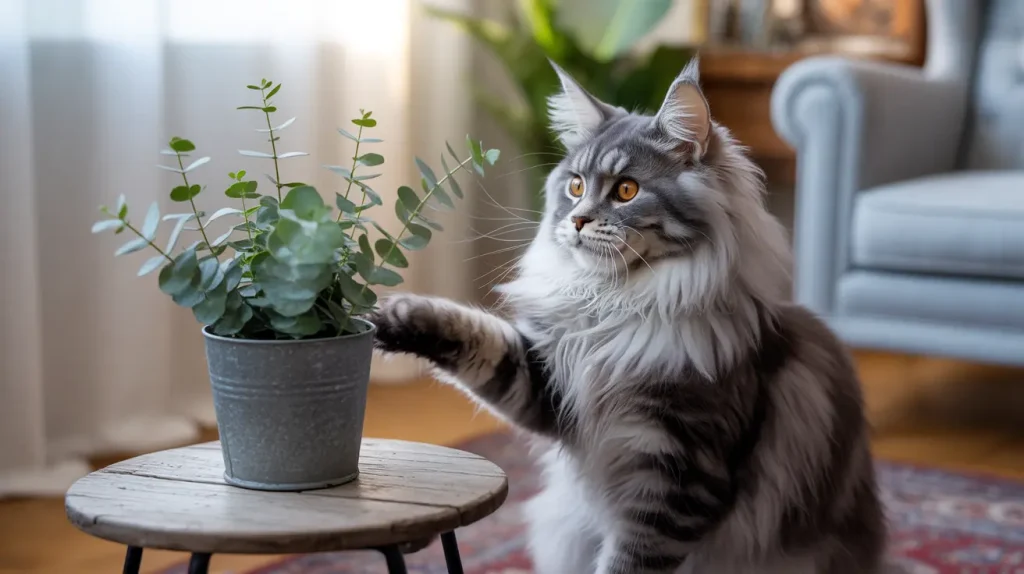
If you have a cat at home, you probably want to keep your furry friend safe from anything harmful. But what about the plants and oils you use around your house?
You might be wondering, “Is eucalyptus cat safe? ” This question is important because eucalyptus is popular for its fresh scent and health benefits—but could it be dangerous for your pet? Keep reading to find out the surprising truth about eucalyptus and how it could affect your cat’s health.
Understanding this could help you protect your beloved companion from harm without giving up the things you love.
Eucalyptus And Cats
Cats are curious creatures that often explore their surroundings. Eucalyptus plants might catch their attention due to their strong smell and unique leaves. Understanding the relationship between eucalyptus and cats helps keep pets safe and healthy. This section explains what eucalyptus is and its common uses.
What Is Eucalyptus?
Eucalyptus is a type of tree native to Australia. It has long, narrow leaves that release a distinct, strong fragrance. The oil extracted from eucalyptus leaves is known for its fresh and minty scent. Many species of eucalyptus exist, with some grown worldwide for their medicinal and aromatic properties.
Eucalyptus oil contains compounds like cineole, which gives it its unique smell and effects. While beneficial to humans in small amounts, these compounds can be harmful to pets. Cats are especially sensitive to essential oils, including eucalyptus oil.
Common Uses Of Eucalyptus
People use eucalyptus in many ways. It appears in:
- Medicines for coughs and colds
- Aromatherapy products to clear airways
- Household cleaners and air fresheners
- Insect repellents
- Skincare products for its cooling effect
Eucalyptus oil is powerful and should be handled carefully around animals. Many pet owners use eucalyptus-based products without knowing the risks. Knowing its uses helps to understand why cats might come into contact with eucalyptus.
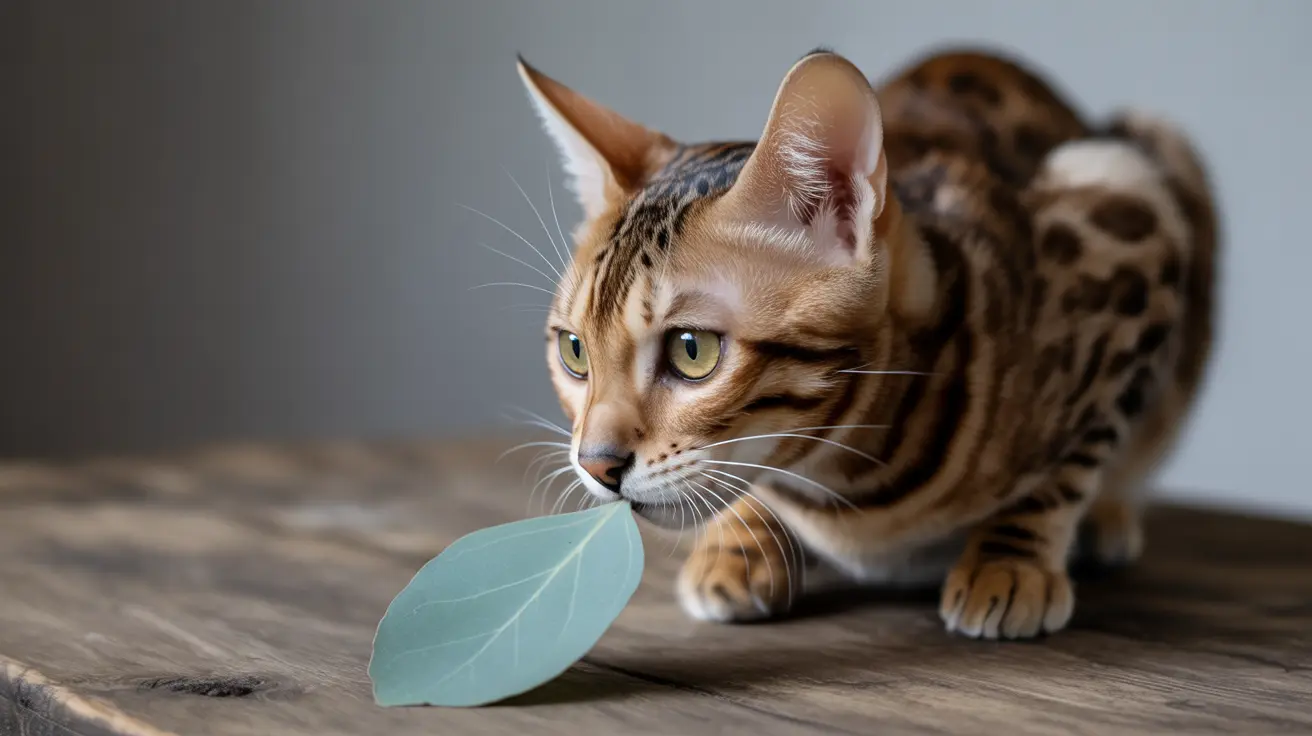
Credit: www.petscare.com
Toxicity Risks For Cats
Eucalyptus plants contain compounds that can be harmful to cats. These plants produce oils and substances toxic to their digestive and nervous systems. Cats are naturally curious and might nibble on leaves or stems, risking exposure to these toxins. Understanding the risks helps protect your feline friend from serious health problems.
How Eucalyptus Affects Cats
Eucalyptus contains oils called cineole and other compounds. These oils irritate a cat’s stomach and intestines. They can also affect the brain and nerves. Even small amounts can cause discomfort or illness. Cats have a different metabolism that makes them more sensitive to these oils. The toxins can lead to digestive issues and neurological problems.
Symptoms Of Eucalyptus Poisoning
Signs of poisoning appear quickly after ingestion. Watch for:
- Vomiting and diarrhea
- Drooling or excessive salivation
- Weakness or lethargy
- Tremors or shaking
- Difficulty walking or uncoordinated movements
- Rapid breathing or panting
- Seizures in severe cases
Recognizing these symptoms early is critical. Immediate veterinary care is necessary to prevent serious harm or death.
Safe Exposure Levels
Understanding safe exposure levels to eucalyptus for your cat is crucial to keeping them healthy and happy. While eucalyptus is often praised for its fresh scent and natural properties, it can pose risks if your cat is exposed to too much. Knowing how much contact is safe helps you enjoy eucalyptus around your furry friend without worry.
Is Small Contact Harmful?
Small contact with eucalyptus, like a brief sniff or a touch of a leaf, is usually not harmful to cats. Most cats will avoid the plant naturally due to its strong smell, which acts as a deterrent. However, if your cat licks or eats even a small amount, it could lead to mild symptoms like drooling or stomach upset.
Think about the last time your cat brushed against a new plant. Did they show any unusual behavior? If not, it’s likely that small, accidental contact isn’t dangerous. Still, it’s best to keep eucalyptus out of their reach to avoid any risks.
Essential Oils Vs. Plant Leaves
Essential oils are much more concentrated than fresh eucalyptus leaves and can be far more toxic to cats. Even tiny amounts of eucalyptus oil can cause serious problems like difficulty breathing, vomiting, or even liver damage. This is because the oil contains compounds that are harder for cats to process.
On the other hand, fresh eucalyptus leaves contain lower levels of these compounds. While they’re not completely safe, the risk is generally lower unless your cat ingests a large amount. Would you feel comfortable using eucalyptus oil in a diffuser around your pet? If the answer is no, it’s safer to avoid essential oils altogether.
- Keep essential oils and concentrated products away from cats.
- Limit access to fresh eucalyptus leaves to prevent chewing or ingestion.
- Observe your cat closely if they come into contact with any part of the plant.
Preventing Eucalyptus Poisoning
Preventing eucalyptus poisoning is essential for keeping your cat safe and your home worry-free. Eucalyptus, while beautiful and fragrant, contains oils that can be harmful to pets if ingested. Taking simple steps to manage how and where you use eucalyptus can protect your feline friend from accidental exposure.
Safe Placement In The Home
Keep eucalyptus plants and products out of your cat’s reach. Place them on high shelves or in rooms your cat cannot access. Remember, cats are curious and agile, so simply putting a plant on a low table might not be enough.
Use secure pots that are hard to tip over. Consider hanging eucalyptus branches instead of placing them in open vases. This reduces the chance of your cat chewing on leaves or knocking over containers filled with eucalyptus oil.
Have you checked every room for eucalyptus products? Sometimes, essential oils or cleaning products containing eucalyptus are hidden in cabinets or under sinks. Store these securely to prevent accidental spills or ingestion.
Alternative Plants For Pet Owners
If you love greenery but worry about your cat’s safety, choose pet-friendly plants instead. Spider plants, Boston ferns, and bamboo palms add life to your space without the risk of poisoning.
These plants are not only safe but also easy to care for, making them perfect for busy pet owners. You can enjoy a fresh environment without constantly worrying about your cat’s health.
Why not create a small indoor herb garden with cat-safe plants like catnip, parsley, or basil? This gives your cat a natural treat while keeping harmful plants out of reach.
What To Do In Case Of Exposure
Noticing that your cat has been exposed to eucalyptus can be alarming. Acting quickly and calmly is key to keeping your feline friend safe. Knowing exactly what to do can make all the difference in preventing serious health issues.
Immediate Steps To Take
If you see your cat chewing on or near eucalyptus leaves, gently remove the plant to stop further contact. Avoid forcing your cat to vomit unless a vet specifically tells you to do so. Instead, offer fresh water to help dilute any toxins they might have ingested.
Keep an eye on your cat for symptoms like drooling, vomiting, weakness, or difficulty breathing. These signs indicate that the eucalyptus is affecting them. Make sure to isolate your cat from the plant and any other potential hazards until you can get professional help.
When To See A Veterinarian
Contact your veterinarian immediately if your cat shows any unusual behavior or symptoms after eucalyptus exposure. Quick professional evaluation is crucial because some toxins can cause severe reactions that worsen rapidly.
Even if your cat seems fine initially, a vet visit is wise since some effects may appear hours later. Be ready to provide details such as the amount and type of eucalyptus your cat was exposed to, as this helps the vet decide the best treatment.
:strip_icc()/kittenandshoe-GettyImages-532112084-40dbe91379b74c2bad654faf6292f505.jpeg)
Credit: www.thesprucepets.com
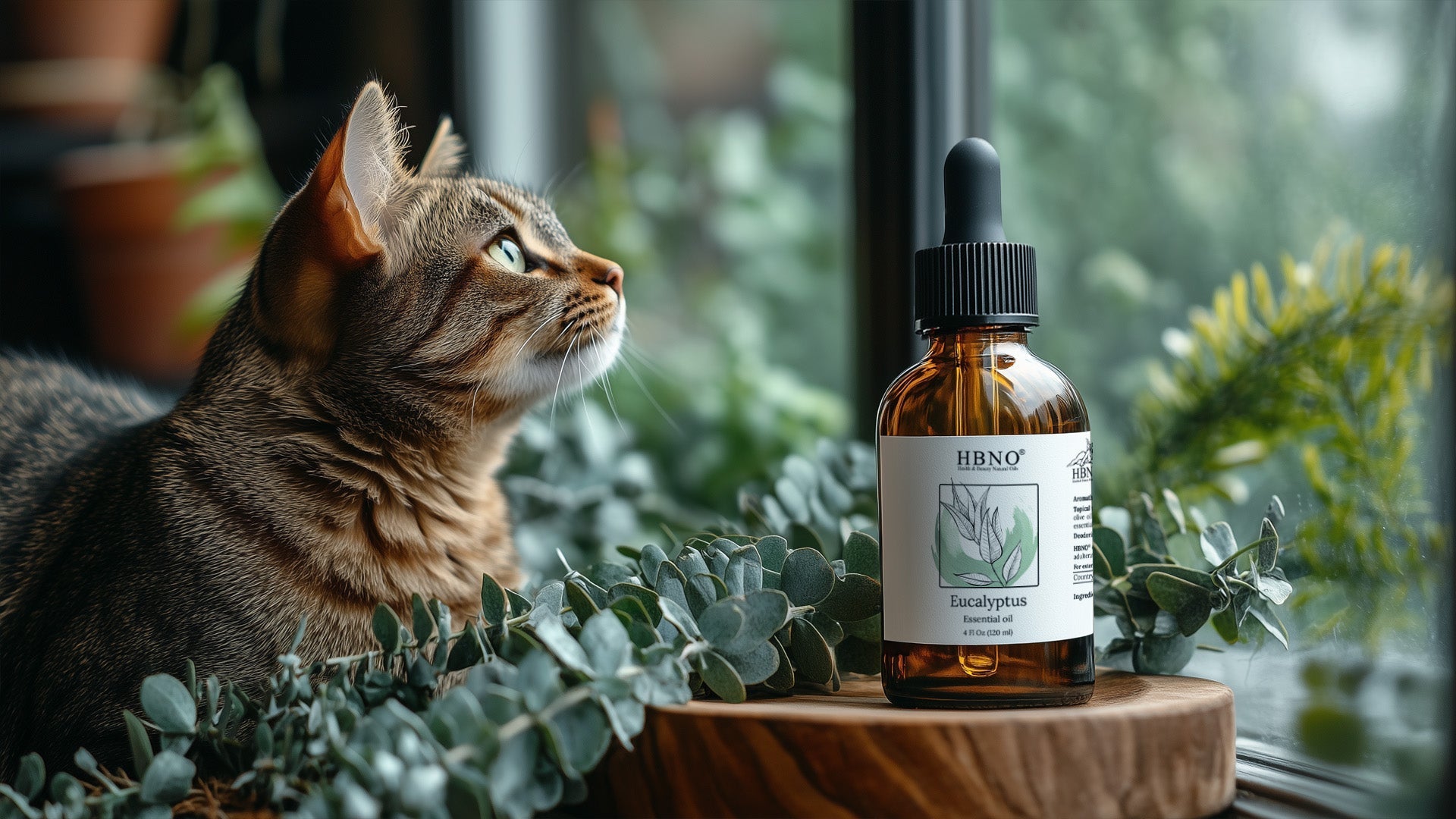
Credit: hbno.com
Frequently Asked Questions
Is Eucalyptus Toxic To Cats?
Yes, eucalyptus is toxic to cats. It contains compounds that can cause vomiting, diarrhea, and lethargy if ingested. Avoid placing eucalyptus plants or oils where cats can reach them to keep your pet safe.
Can Eucalyptus Oil Harm My Cat?
Eucalyptus oil can be harmful to cats. Even small amounts may cause respiratory issues, drooling, or skin irritation. Always keep eucalyptus oil out of your cat’s environment and consult a vet if exposure occurs.
What Are Signs Of Eucalyptus Poisoning In Cats?
Signs include vomiting, diarrhea, drooling, weakness, and breathing difficulty. If your cat shows these symptoms after contact with eucalyptus, seek veterinary help immediately for proper treatment.
Is It Safe To Use Eucalyptus Around Cats?
It’s best to avoid using eucalyptus around cats. The plant and its oils can cause toxic reactions. Choose pet-safe alternatives to ensure your cat’s health and safety.
Conclusion
Eucalyptus can pose risks to cats. Its oils might cause harm. Always keep eucalyptus products out of reach. Cats are curious by nature. They might nibble on plants. Consider pet-safe plants instead. Ensure a safe environment for your furry friend.
Consult a vet if unsure about any plants. A vet can offer advice for cat safety. Always prioritize your cat’s health. Stay informed about household items. Your cat’s well-being is important. Make smart choices for a happy pet.

Lily Purrington is the founder of MyKittyPicks.com, a cozy corner of the web dedicated to helping cat lovers discover the best cat products, furniture, toys, and home decor ideas.
A lifelong cat enthusiast, Lily shares trusted tips, honest product recommendations, and stylish inspiration designed to keep kitties happy and homes beautiful.
Her mission is simple: to bring together practical advice and purr-fect picks that make life better for cats and the people who love them.


