

Are you worried about what’s really inside your cat’s litter? Choosing the right cat litter isn’t just about keeping your home clean—it’s about keeping your furry friend safe too.
If you’ve come across corn cat litter and wonder whether it’s a good choice, you’re not alone. You want something natural, effective, and safe for your cat and your family. But is corn cat litter all it’s cracked up to be?
Keep reading, and you’ll discover the truth about its safety, benefits, and what you should watch out for before making your next purchase. Your cat’s health depends on it.
What Is Corn Cat Litter
Corn cat litter has become a popular choice for many cat owners looking for a natural alternative to traditional clay-based litters. But what exactly is corn cat litter, and how does it work to keep your home fresh and your cat comfortable? Understanding its composition and functionality can help you decide if it’s the right option for you and your feline friend.
Ingredients And Composition
Corn cat litter is primarily made from whole-kernel corn. This means it uses the natural starches found in corn to create absorbent pellets or granules. Unlike clay litters that rely on minerals like bentonite, corn litter is biodegradable and often free from harsh chemicals.
Some brands may add natural enzymes or plant-based additives to enhance odor control. However, the core ingredient remains corn, which is renewable and sourced from crops rather than mined materials.
How It Works
Corn cat litter absorbs moisture by drawing in liquid through its starch molecules. This absorption causes the granules to clump together, making it easy for you to scoop out your cat’s waste.
Its natural enzymes help break down odors at the source, reducing the need for artificial fragrances. Have you noticed how some litters mask smells instead of eliminating them? Corn litter targets the problem directly.
Because it clumps well and controls odor naturally, corn litter offers a practical, eco-friendly choice. Plus, it’s often lighter than clay litter, making changes to your cat’s box less of a chore.
Benefits Of Corn Cat Litter
Corn cat litter offers a variety of benefits that make it an attractive choice for many pet owners. Its natural composition provides a safer and more environmentally conscious option compared to traditional clay litters. Beyond being eco-friendly, corn litter excels in practical features that enhance your cat’s comfort and make maintenance easier for you.
Eco-friendly Features
Corn cat litter is made from renewable resources, which means it breaks down naturally without harming the environment. Unlike clay litters that are strip-mined, corn litter supports sustainability. If you care about reducing landfill waste, corn litter often comes with biodegradable packaging and can even be composted in some cases.
Have you ever thought about how your litter choice impacts the planet? Switching to corn litter is a simple way to lessen your ecological footprint while keeping your cat happy.
Absorbency And Odor Control
Corn litter is highly absorbent, soaking up moisture quickly to keep your cat’s paws dry and comfortable. This effective absorption also helps in locking away urine, which reduces unpleasant smells significantly. Many users notice their homes smell fresher, even after a full day of use.
Do you struggle with litter that smells bad despite frequent cleaning? Corn litter’s natural enzymes help break down odors, making your cleaning routine less stressful and your living space more pleasant.
Dust And Tracking
One of the common complaints with traditional litter is dust, which can irritate both you and your cat’s respiratory systems. Corn litter produces far less dust, improving air quality around the litter box. This is especially important if you or your cat have allergies or sensitivities.
Tracking litter around your home is frustrating, but corn litter’s larger granules tend to stick less to paws. This means less mess for you to clean up and a tidier living area. Have you noticed how much cleaner the floors stay when using low-dust litter?
Potential Risks To Cats
Corn cat litter is popular for being eco-friendly and biodegradable. But, it may pose some risks to cats. Owners should be aware of these potential risks.
Allergic Reactions
Some cats may develop allergies to corn litter. Symptoms include sneezing, itchy skin, or watery eyes. Watch for these signs after switching litter. If symptoms appear, consult your vet.
Ingestion Concerns
Cats sometimes eat small amounts of litter. Corn litter can expand in the stomach. This may cause digestive issues or blockages. Ensure your cat does not consume litter.
Impact On Sensitive Cats
Sensitive cats may react to the dust in corn litter. This can lead to respiratory problems. Choose a low-dust formula for sensitive cats. Regularly monitor their breathing and health.
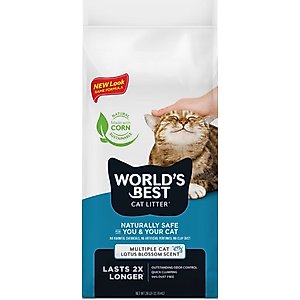
Credit: www.chewy.com
Comparing Corn Litter With Other Types
Choosing the right cat litter can feel overwhelming with so many options available. Corn cat litter stands out as a natural alternative, but how does it measure up against other popular types? Let’s break down the differences to help you decide what suits your cat’s needs and your lifestyle best.
Clay Vs. Corn Litter
Clay litter is the classic choice many cat owners rely on. It clumps well and is usually affordable, but it often contains dust that can irritate your cat’s lungs and yours too.
Corn litter, on the other hand, is biodegradable and produces less dust. I once switched to corn litter after noticing my cat sneezing with clay litter. The difference was immediate—less mess and a fresher scent.
However, corn litter may not clump as tightly as clay, meaning you might need to scoop more frequently. Would you prefer a natural option even if it requires a bit more maintenance?
Silica Gel Vs. Corn Litter
Silica gel litter is known for its excellent odor control and low dust levels. It absorbs moisture very well, so it lasts longer between changes.
But silica is synthetic, and some cats dislike the texture. Corn litter feels more natural and is safer if your cat tends to lick or ingest litter accidentally.
Plus, corn litter breaks down in compost, making it an eco-friendly choice. Are you looking for litter that balances odor control with environmental impact?
Natural Vs. Synthetic Options
Natural litters like corn, wheat, or walnut shells offer biodegradability and fewer chemicals. They often smell better and are gentler on sensitive paws.
Synthetic options, such as clay and silica, usually perform better in odor control and clumping but can contain additives and produce dust. Some cats develop allergies or respiratory issues with these.
Think about your priorities: Is your focus on sustainability, ease of use, or your cat’s health? Your choice might change based on what matters most to you and your feline friend.
Choosing The Right Corn Litter
Choosing the right corn cat litter makes a big difference for your pet’s comfort and health. Corn litter offers natural odor control and clumping, but not all brands are the same. Understanding what to look for can help you pick a safe, effective option for your cat.
Checking For Additives
Pure corn litter should have no chemicals or artificial scents. Additives can cause allergies or irritate your cat’s skin and nose. Always read the ingredient list carefully. Avoid litters with dyes or fragrances. Natural, additive-free litter is better for sensitive cats and the environment.
Grain Size And Texture
Grain size affects comfort and cleanliness. Fine grains are softer on paws but can create more dust. Larger grains reduce dust but may feel rough. Choose a texture your cat likes to walk on. A good corn litter clumps well and controls odor without excessive dust.
Brand Reputation
Trustworthy brands test their corn litter for safety and quality. Check customer reviews for real experiences. Look for brands that mention eco-friendly practices and transparency. A well-known brand often means better quality control and safety standards.

Credit: www.walmart.ca
Tips For Safe Use
Using corn cat litter safely helps keep your cat healthy and your home clean. Follow simple tips to get the best results from this natural product. These tips reduce risks and make cleanup easier. Pay close attention to storage, cleaning, and your cat’s health for safe use.
Proper Storage
Store corn cat litter in a dry, cool place. Moisture can cause the litter to clump or spoil. Use a sealed container to keep out pests and dirt. Avoid direct sunlight to prevent the litter from breaking down. Keeping it fresh maintains its effectiveness and safety.
Regular Cleaning Practices
Clean the litter box daily to remove clumps and waste. This reduces odors and bacteria growth. Replace the entire litter at least once a week. Wash the litter box with mild soap and water before adding new litter. Cleanliness prevents infections and keeps your cat happy.
Monitoring Your Cat’s Health
Watch your cat for any signs of allergies or irritation. Check for redness, itching, or sneezing after switching to corn litter. Some cats may have sensitivities to natural materials. Consult a vet if you notice unusual behavior or health issues. Early detection helps avoid serious problems.

Credit: www.chewy.com
Frequently Asked Questions
Is Corn Cat Litter Safe For All Cats?
Yes, corn cat litter is generally safe for most cats. It is non-toxic and biodegradable. However, some cats may have allergies or sensitivities, so monitor your pet for any reactions when switching litters.
How Does Corn Cat Litter Compare To Clay Litter?
Corn cat litter is more eco-friendly and biodegradable than clay litter. It controls odors naturally and clumps well. Clay litter often produces dust and is less environmentally sustainable.
Can Corn Cat Litter Cause Allergies In Cats?
Corn cat litter rarely causes allergies but some cats may develop sensitivities. Watch for itching, sneezing, or respiratory issues. Consult your vet if symptoms appear after using corn litter.
Is Corn Cat Litter Better For The Environment?
Yes, corn cat litter is biodegradable and made from renewable resources. It breaks down naturally and reduces landfill waste compared to traditional clay litter.
Conclusion
Corn cat litter offers a natural and safe option for many cats. It absorbs moisture well and controls odors without harsh chemicals. Some cats may need time to adjust to the texture. Always watch your pet for any allergic reactions or discomfort.
Choosing corn litter supports eco-friendly habits, as it is biodegradable. Remember, no litter is perfect for every cat. Keep your cat’s comfort and health as top priorities. Corn cat litter can be a good choice for a cleaner, greener home.

Lily Purrington is the founder of MyKittyPicks.com, a cozy corner of the web dedicated to helping cat lovers discover the best cat products, furniture, toys, and home decor ideas.
A lifelong cat enthusiast, Lily shares trusted tips, honest product recommendations, and stylish inspiration designed to keep kitties happy and homes beautiful.
Her mission is simple: to bring together practical advice and purr-fect picks that make life better for cats and the people who love them.


