
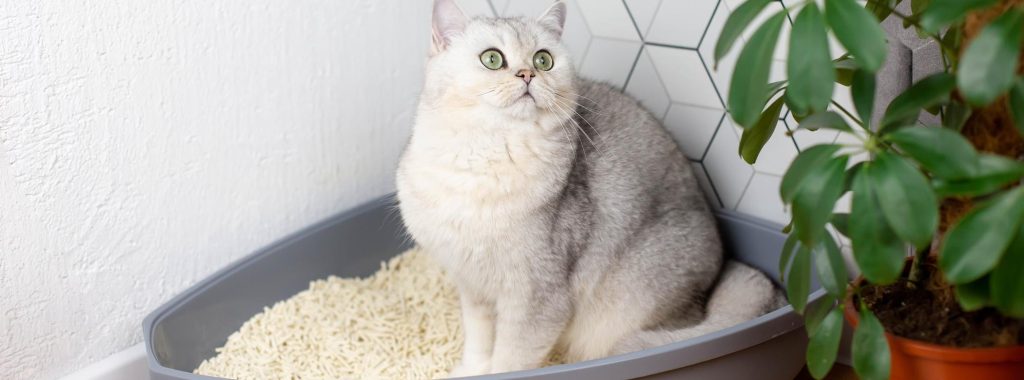
Are you pregnant and worried about handling your cat’s litter box? You’re not alone.
Many expecting moms wonder if cat litter is safe for them and their baby. The truth is, there are risks you need to know about—and simple steps you can take to protect yourself. Keep reading to learn what you should watch out for and how to keep both you and your furry friend safe during this special time.
Risks Of Cat Litter During Pregnancy
Pregnancy requires extra care to protect both mother and baby. Cat litter can carry risks during this time. Understanding these dangers helps keep everyone safe. Some risks come from infections, others from chemicals in the litter.
Toxoplasmosis And Its Effects
Toxoplasmosis is a disease caused by a parasite found in cat feces. Pregnant women are at higher risk of severe illness. The infection can harm the unborn baby, causing birth defects or miscarriage. Handling cat litter without gloves or not washing hands properly increases the risk. Avoiding direct contact with cat waste is the safest choice.
Other Potential Infections
Besides toxoplasmosis, cat litter can harbor other germs. Bacteria like salmonella or parasites can be present. These infections cause flu-like symptoms or stomach problems. Pregnant women have weaker immune systems, making infections more dangerous. Keeping the litter box clean and using protective measures reduces exposure.
Chemical Exposure Concerns
Some cat litters contain chemicals to control odor or clumping. These chemicals may cause allergic reactions or respiratory problems. Pregnant women are more sensitive to chemicals. Dust from clay-based litters can irritate the lungs. Choosing natural or unscented litters lowers chemical risks and improves safety.
Credit: twistedsifter.com
Safe Practices For Handling Cat Litter
Handling cat litter safely is important for pregnant women. Cat litter can sometimes carry risks. These risks come from a parasite called Toxoplasma gondii. This parasite can cause toxoplasmosis, which is harmful during pregnancy.
Following safe practices reduces any danger. It helps protect both mother and baby. Here are some key tips to handle cat litter safely.
Choosing The Right Cat Litter
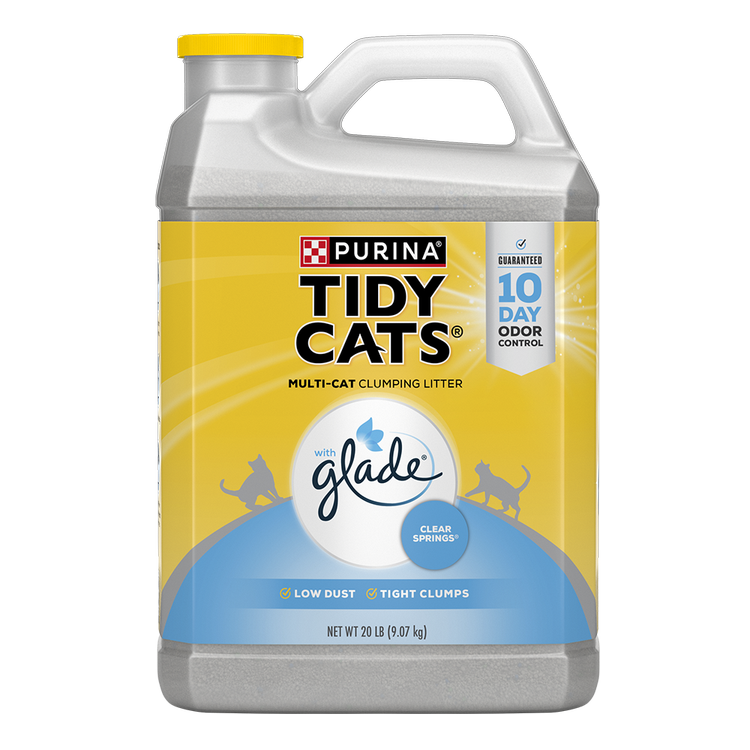
Pick litter that is low dust. Dusty litter can cause breathing problems. Clumping litter is easier to clean. Avoid clumping litter made of clay if possible. Consider natural or biodegradable litters. These are safer and better for health.
Proper Cleaning Techniques
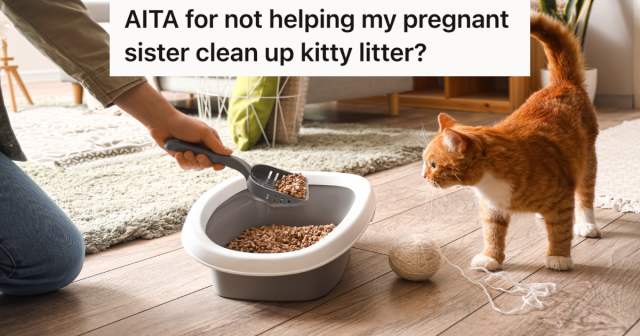
Wear disposable gloves while cleaning the litter box. Scoop the box daily to remove waste. Change the litter completely at least once a week. Use hot water and mild soap to wash the box. Avoid strong chemicals that may harm cats or humans. Wash hands well after cleaning the box.
Hygiene Tips For Pregnant Women
- Ask someone else to clean the litter box if possible.
- If you must clean it, wear gloves and a mask.
- Wash hands with soap and water after touching litter.
- Keep the litter box away from food preparation areas.
- Keep cats indoors to reduce their infection risk.
Alternatives To Traditional Cat Litter
Choosing alternatives to traditional cat litter can make a big difference, especially if you’re pregnant. Traditional clay-based litters may expose you to harmful bacteria like Toxoplasma gondii, which can be risky. Finding safer options not only protects your health but can also make caring for your cat easier and less stressful.
Self-cleaning Litter Boxes
Self-cleaning litter boxes reduce your direct contact with cat waste. These devices automatically scoop or sift waste into a sealed compartment, meaning you don’t have to handle the litter daily.
Imagine not having to deal with the smell or the mess every day. While they may cost more upfront, they can save time and lower your exposure to germs. Have you thought about how much less stress this could add to your routine?
Non-toxic Litter Options
Non-toxic litters are made from natural materials like corn, wheat, or recycled paper. These litters often produce less dust and avoid harmful chemicals, making them safer for pregnant women.
One user shared that switching to a corn-based litter helped reduce allergies and worry about toxins. You can find clumping and non-clumping varieties, so pick what suits your cat best while keeping your health in mind.
Outsourcing Litter Cleaning
If handling litter is a concern, ask for help. A family member, friend, or pet sitter can take over litter box duties during your pregnancy.
Outsourcing this task minimizes your exposure to potential risks. It also gives you peace of mind, letting you focus on your well-being while keeping your cat’s needs met.
Credit: www.purina.com
When To Seek Medical Advice
Knowing when to seek medical advice is crucial if you are pregnant and concerned about cat litter. While many women handle cat care without issue, certain signs should never be ignored. Recognizing these symptoms early can protect both you and your baby.
Symptoms To Watch For
Pay attention to flu-like symptoms such as fever, muscle aches, and swollen lymph nodes. Unexplained fatigue or headaches can also be warning signs.
If you notice any sudden vision changes or confusion, seek help immediately. These symptoms might indicate a serious infection linked to cat litter.
Ask yourself: Are you feeling unusually tired or sick after cleaning the litter box? Don’t hesitate to get checked out.
Testing And Diagnosis
Your healthcare provider may recommend blood tests to detect infections like toxoplasmosis, which can be transmitted through cat feces. These tests help confirm if you have been exposed.
Ultrasounds can monitor your baby’s health if an infection is suspected. Early detection is key to managing risks effectively.
Remember, timely testing can prevent complications, so be open with your doctor about your exposure to cats and litter.
Treatment Options
Treatment often involves antibiotics that are safe during pregnancy. Your doctor will guide you on the best medication to protect you and your baby.
In some cases, close monitoring without medication might be advised if symptoms are mild. Follow your healthcare provider’s instructions carefully.
Have you considered asking your doctor about preventive measures to avoid infection in the first place? Proactive care can make a big difference.
Credit: www.petsradar.com
Frequently Asked Questions
Can Pregnant Women Change Cat Litter Safely?
Yes, but precautions are essential. Pregnant women should avoid direct contact with cat litter. Toxoplasmosis, a parasite found in cat feces, poses a risk. Use gloves and wash hands thoroughly after handling. If possible, have someone else change the litter box.
What Risks Do Cat Litters Pose To Pregnant Women?
Cat litters can expose pregnant women to toxoplasmosis. This parasitic infection can harm the unborn baby. It may cause serious health issues, including developmental problems. Pregnant women should avoid direct contact with cat feces. Always prioritize safety and hygiene.
How Can Pregnant Women Reduce Cat Litter Risks?
Pregnant women can reduce risks by using gloves when changing litter. Wash hands immediately after handling cat litter. Avoid inhaling dust from the litter. It is advisable to have someone else clean the litter box. These precautions ensure safety during pregnancy.
Is It Safe To Clean Cat Litter Daily When Pregnant?
It’s safer to have someone else clean the litter box. If unavoidable, wear gloves and wash hands thoroughly. Regular cleaning reduces the chance of toxoplasmosis infection. Always ensure good ventilation in the cleaning area. Prioritize safety and health during pregnancy.
Conclusion
Pregnant women should handle cat litter with care. Toxoplasmosis is a risk if litter is not cleaned often. Wearing gloves and washing hands helps protect health. Ask someone else to clean the litter box if possible. Choose clumping litter that controls odor well.
Keep your cat healthy by visiting the vet regularly. Staying cautious keeps both mom and baby safe. Small steps make a big difference in safety. Taking these actions reduces any possible harm from cat litter. Safety first for a happy pregnancy experience.

Lily Purrington is the founder of MyKittyPicks.com, a cozy corner of the web dedicated to helping cat lovers discover the best cat products, furniture, toys, and home decor ideas.
A lifelong cat enthusiast, Lily shares trusted tips, honest product recommendations, and stylish inspiration designed to keep kitties happy and homes beautiful.
Her mission is simple: to bring together practical advice and purr-fect picks that make life better for cats and the people who love them.


