
Have you ever wondered if your cat’s litter could catch fire? It’s a question that might not cross your mind often, but understanding the safety of your cat litter is important for your home and your furry friend.
You want to keep your space safe without worrying about hidden dangers. You’ll discover whether cat litter is flammable, what factors affect its safety, and how to handle it properly. Keep reading to protect your home and ensure your cat’s environment is secure.
Types Of Cat Litter
Cat litter comes in various types, each with unique features and materials. Knowing these types helps in choosing the safest and most suitable option. Some litters are more flammable than others, affecting home safety.
Clay-based Litter
Clay-based litter is made from natural clay minerals. It clumps well and controls odor effectively. This type is common and affordable but may create dust. Clay litter can be flammable, especially when dry and exposed to flame.
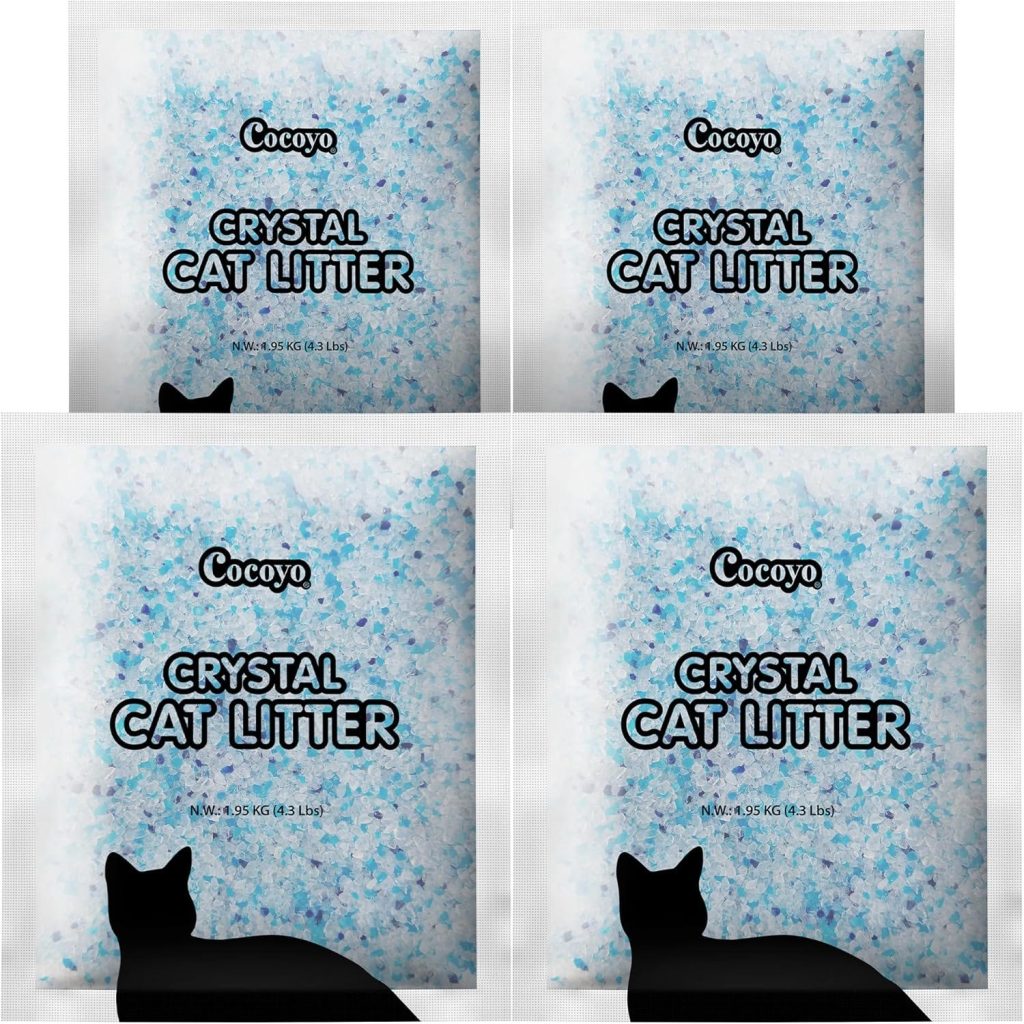
Silica Gel Litter
Silica gel litter contains tiny beads that absorb moisture. It controls odor and lasts longer than clay. This litter is less dusty and usually non-flammable. Silica beads do not burn easily, making it a safer choice around heat.
Biodegradable Options
Biodegradable litters use materials like corn, wheat, or wood. These are eco-friendly and break down naturally. Some plant-based litters can be flammable due to their organic nature. Always check labels for safety information before use.

Credit: www.chewy.com
Flammability Of Common Litters
Cat litter comes in various types, each with different materials and properties. Understanding how these litters react to fire is important for safety. Some litters contain materials that can burn, while others resist ignition better. Knowing the flammability of common litters helps you choose the safest option for your home.
Combustion Risks With Clay Litter
Clay litter is made from natural minerals like bentonite. This type can catch fire under strong heat or direct flame. It does not burn easily but can smolder for a while. The dust from clay litter might increase fire risk if it accumulates near heat sources. Keeping clay litter away from open flames is wise.
Silica Gel And Fire Safety
Silica gel litter uses tiny beads that absorb moisture. This type is less likely to burn than clay litter. Silica gel beads are heat resistant and do not catch fire easily. They provide a safer option for homes with heaters or fireplaces. Still, avoid exposing silica gel litter to direct flames.
Organic Litters And Flammability
Organic litters include materials like wood, corn, or wheat. These litters are more flammable than clay or silica gel. They can catch fire quickly if exposed to flames or sparks. Organic litters may produce smoke and strong odors when burning. Store organic litter safely and away from any heat source.
Fire Hazards In The Home
Fire hazards in the home can pose serious risks. Cat litter, often overlooked, can be part of this danger. Understanding how it interacts with fire sources is crucial. Many households use cat litter. But, not all are aware of its flammable properties. Let’s explore how to minimize these hazards.
Potential Ignition Sources
Cat litter can catch fire if near certain items. Cigarettes and matches are common culprits. Electrical appliances can also pose a threat. Sparks from devices may ignite litter. Keep litter away from heaters and open flames. Even a small ember could start a fire.
Safe Storage Practices
Proper storage reduces fire risks. Store cat litter in a cool, dry place. Use a sealed container for extra safety. Avoid storing near flammable substances. This prevents accidental ignition. Ensure the area is well-ventilated. Good airflow helps keep things safe.
Risk Factors To Avoid
Some actions increase fire risks. Avoid smoking near cat litter. Dispose of smoking materials properly. Don’t place litter near heat sources. Check for faulty wiring in your home. Regular maintenance can prevent accidents.

Credit: www.ebay.ca
Preventing Fire Accidents
Preventing fire accidents is essential when you have pets and use cat litter regularly. Understanding how to reduce fire risks around your litter box can protect your home and your furry friends. Small changes in how you place and manage the litter can make a big difference in safety.
Proper Litter Box Placement
Where you put your cat’s litter box matters more than you might think. Avoid placing it near open flames, heaters, or electrical outlets to reduce fire hazards. A cool, well-ventilated area away from heat sources is best to keep the litter safe and dry.
Think about how often you check that spot. Is it easy to clean and monitor? Keeping the area tidy helps prevent buildup of dust or debris that could catch fire.
Handling And Disposal Tips
Handling cat litter safely means paying attention to what you do after your cat uses the box. Always scoop daily to reduce waste buildup and moisture, which lowers flammability risks. Dispose of the used litter in a sealed bag and avoid throwing it into outdoor bins near dry leaves or other flammable materials.
Have you noticed how some litters produce dust that settles around the box? Using a scoop with a fine mesh can help control this, making the area cleaner and safer. Never burn used cat litter or dispose of it in fireplaces or fire pits, as this can easily ignite harmful fumes.
Using Fire-resistant Products
Choosing the right type of cat litter can improve fire safety. Some litters are made from materials that resist ignition, such as silica gel or certain clumping clays with fire-retardant additives. Look for products labeled as fire-resistant or non-flammable for extra peace of mind.
Besides the litter itself, consider the box and mat materials. Using plastic boxes away from heat and flame-resistant mats underneath can reduce accidental fires. Have you checked the labels on your pet supplies to see if they offer these safety features?
What To Do In Case Of Fire
Fire can start quickly and spread fast. Knowing what to do in case of fire helps keep everyone safe. It protects your home and your pets. Quick action can prevent serious damage or injury.
Immediate Steps To Take
- Stay calm and do not panic.
- Alert everyone in the house immediately.
- Use a fire extinguisher if the fire is small and safe to handle.
- Close doors behind you to slow the fire’s spread.
- Evacuate the building quickly and safely.
- Call emergency services once you are outside.
Protecting Pets During Emergencies
- Keep pets in a safe, accessible area.
- Use leashes or carriers to control pets during evacuation.
- Do not waste time searching for pets in dangerous areas.
- Inform firefighters about pets inside the home.
- Have a pet emergency kit ready with food and water.
Fire Safety Equipment Recommendations
- Install smoke detectors on every floor and test monthly.
- Keep a fire extinguisher in the kitchen and near exits.
- Use fire blankets for small fires involving cooking or fabrics.
- Have an emergency escape ladder for multi-story homes.
- Store cat litter away from heat sources to reduce risk.

Credit: www.tuftandpaw.com
Frequently Asked Questions
Is Cat Litter Flammable Or Fire-resistant?
Most cat litters are not flammable. Clay-based litters resist fire well. However, some organic litters may catch fire easily. Always check the product label for fire safety information before use.
Can Cat Litter Cause A Fire Hazard At Home?
Cat litter itself rarely causes fires. But improper disposal of litters with flammable materials can be risky. Avoid flushing litter or discarding it near open flames to prevent fire hazards.
What Types Of Cat Litter Are Safest Near Heat Sources?
Clay and silica gel litters are generally fire-resistant. Avoid wood, paper, or corn-based litters near heat, as they can ignite more easily. Choose non-flammable litter types for safety near heaters.
How To Safely Dispose Of Used Cat Litter?
Dispose of used cat litter in sealed bags. Avoid flushing or placing near heat sources. Proper disposal reduces fire risk and prevents plumbing issues or environmental harm.
Conclusion
Cat litter can catch fire under certain conditions. Always keep it away from open flames or heat sources. Clay-based litters are less flammable than some natural types. Store litter in a cool, dry place to reduce risk. Being careful helps keep your home safe and your cat happy.
Small steps make a big difference in preventing accidents. Stay informed and handle cat litter responsibly. Safety matters for both pets and people.

Lily Purrington is the founder of MyKittyPicks.com, a cozy corner of the web dedicated to helping cat lovers discover the best cat products, furniture, toys, and home decor ideas.
A lifelong cat enthusiast, Lily shares trusted tips, honest product recommendations, and stylish inspiration designed to keep kitties happy and homes beautiful.
Her mission is simple: to bring together practical advice and purr-fect picks that make life better for cats and the people who love them.


