
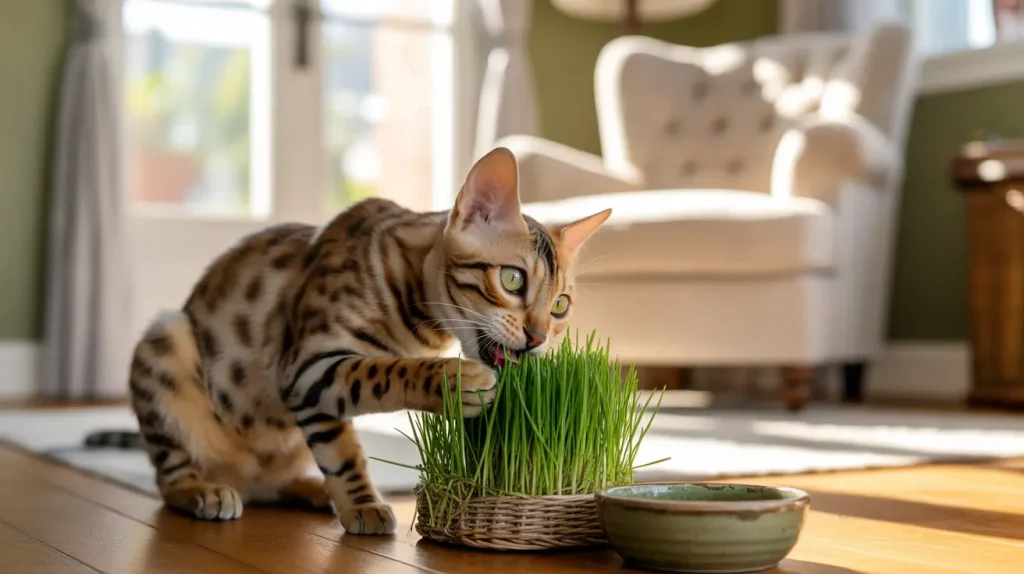
Are you a proud cat owner looking to pamper your furry friend with something special? Cat grass might be the perfect treat.
This easy-to-grow plant not only keeps your kitty entertained but also offers health benefits. However, taking care of cat grass requires a bit of know-how to keep it lush and appealing. Imagine your cat nibbling happily on fresh, vibrant blades, contributing to their well-being and happiness.
Intrigued? Dive into this guide to discover simple steps and expert tips on nurturing your cat grass to ensure it thrives, making you and your feline companion happier than ever.

Credit: jomostudio.com
Choosing The Right Cat Grass
Choosing the right cat grass is key for your feline’s health and enjoyment. Cat grass provides fiber and helps with digestion. It also keeps cats entertained and curious. Not all cat grasses are the same. Some varieties suit cats better than others. Knowing which type to pick makes care easier. It also ensures your cat gets the best benefits.
Popular Cat Grass Varieties
Several types of grass work well for cats. Each has unique features and benefits. Here are the most common varieties:
- Wheatgrass:Soft, sweet, and easy to grow. Cats love nibbling on it.
- Barley Grass:Rich in nutrients and slightly tougher texture. Good for cats that like more chew.
- Oat Grass:Mild taste and fine leaves. Great for sensitive cats.
- Rye Grass:Fast growing and hardy. It tolerates different environments well.
Choose a variety based on your cat’s preference and your home conditions. Growing a mix can add interest for your pet.
Where To Buy Quality Seeds
Buy seeds from trusted sources to ensure safety and quality. Seeds meant for human consumption are often best. They do not contain harmful chemicals.
- Health food stores usually have organic seed options.
- Online retailers offer a wide selection and reviews.
- Pet specialty shops sometimes carry cat grass seed kits.
- Local garden centers may have fresh, high-quality seeds.
Check packaging for purity and organic labels. Avoid seeds treated with pesticides or chemicals. This keeps your cat safe and healthy.
Planting Cat Grass
Planting cat grass is a simple yet rewarding way to enrich your cat’s environment and provide a safe, edible green treat. It doesn’t require much space or special equipment, making it perfect even for apartment dwellers. The key is knowing what soil and containers work best to keep your cat grass healthy and thriving.
Best Soil Types
Choose soil that drains well but still holds enough moisture to keep the seeds happy. A good option is a mix of organic potting soil with some sand or perlite added for drainage. Avoid heavy garden soil because it can retain too much water and cause root rot.
If you want to keep things natural, organic potting soil free from fertilizers and pesticides works best. This ensures your cat is not exposed to harmful chemicals when nibbling on the grass. Have you ever noticed how some soils stay soggy for days? That’s a sign to switch to a lighter mix.
Ideal Containers And Placement
Pick containers with drainage holes to prevent water buildup. Shallow pots or trays about 4 to 6 inches deep are perfect since cat grass has shallow roots. You can use anything from small flower pots to recycled food containers, as long as they allow excess water to escape.
Place the container where your cat can easily reach it but away from direct harsh sunlight. Bright, indirect light is ideal to keep the grass lush without drying it out too quickly. Think about where your cat likes to relax—putting the grass nearby encourages regular munching and keeps it fresh longer.
Watering Tips For Healthy Growth
Water plays a key role in keeping cat grass fresh and green. Proper watering helps the grass grow strong and healthy. It also prevents problems like wilting or root rot. Understanding how much and how often to water ensures the best results for your cat’s little garden.
How Often To Water
Check the soil daily. It should feel slightly moist but not wet. Water the grass every two to three days, depending on room temperature and humidity. In warmer spaces, watering may be needed more often. During cooler months, reduce watering to avoid soggy soil.
Avoiding Overwatering
Too much water can harm cat grass roots. Signs of overwatering include yellow leaves and a bad smell from the soil. Use a pot with drainage holes to let extra water escape. Water only when the top inch of soil feels dry. Always pour water slowly and evenly.
Lighting Needs For Cat Grass
Lighting plays a crucial role in the health and growth of cat grass. Without the right amount and type of light, your cat grass can become weak, pale, or stop growing altogether. Understanding how much light your cat grass needs helps you create a thriving green patch for your feline friend.
Natural Light Requirements
Cat grass thrives best in bright, indirect natural light. Placing it near a window that gets plenty of sunlight but not direct scorching rays will keep the blades lush and vibrant.
Too much direct sunlight can dry out the soil quickly and burn the grass, while too little light makes the grass thin and leggy. A good spot is often a north or east-facing window where the light is gentle but consistent.
Have you noticed your cat grass leaning toward the window? That’s a clear sign it’s craving more light. Rotate the pot regularly to help it grow evenly and avoid weak spots.
Using Artificial Grow Lights
If natural light is limited in your home, artificial grow lights can be a lifesaver for cat grass. LED or fluorescent grow lights provide the full spectrum of light that plants need without overheating.
Position the light about 6-12 inches above the grass and leave it on for around 12-16 hours a day. Too much light can stress the grass, so using a timer helps maintain a steady schedule.
Artificial lighting lets you control the environment regardless of the season or weather. This means your cat can enjoy fresh grass all year long, even in dim or windowless rooms.
Maintaining Cat Grass Health
Keeping your cat grass healthy is key to ensuring your feline friend always has fresh, nutritious greens to nibble on. It’s not just about planting; regular care makes all the difference. Paying attention to simple tasks can keep the grass vibrant and pest-free.
Trimming And Harvesting
Trimming cat grass regularly helps it stay lush and encourages new growth. Use clean scissors to cut the grass about an inch above the soil. Avoid cutting more than one-third of the grass at a time to prevent stress on the plant.
Harvest the grass before it becomes too tall or starts to yellow. This keeps it fresh and appealing for your cat. Have you noticed your cat ignoring the grass when it looks dry? That’s a sign it’s time to trim!
Preventing Pests And Diseases
Cat grass can attract pests like aphids or fungus if not cared for properly. Keep the soil moist but never soggy to avoid root rot and fungal growth. Good airflow around the plant also helps reduce disease risk.
Inspect the grass regularly for tiny insects or spots on the leaves. If you spot pests, gently rinse the grass with water or use a mild, pet-safe insecticidal soap. Would you rather spend a few minutes checking your grass than deal with a sick plant later?

Credit: www.reddit.com
Troubleshooting Common Issues
Troubleshooting common issues with cat grass helps keep it healthy and vibrant. Problems like yellowing leaves or slow growth can discourage pet owners. Knowing simple fixes can save your plant and keep your cat happy. Watch for signs early and act fast to improve your cat grass care.
Yellowing Or Wilting Leaves
Yellow leaves often mean the grass is stressed. Too much water can cause root rot. Too little water dries the grass quickly. Check soil moisture regularly. The soil should be damp but not soggy.
Light also affects leaf color. Cat grass needs bright, indirect light. Direct sunlight can burn the leaves. Move your grass to a shaded spot if leaves turn yellow.
Pests might cause wilting. Look for tiny insects or webs. Use gentle natural sprays to remove pests safely.
Slow Growth Solutions
Slow growth happens when the plant lacks nutrients. Use a light, balanced fertilizer every two weeks. Avoid over-fertilizing, which can harm roots.
Temperature affects growth speed. Keep cat grass between 60°F and 75°F. Cold or hot spots slow down growth.
Change the soil every few months. Old soil loses nutrients and compacts. Fresh soil helps roots grow strong and healthy.
Benefits Of Growing Cat Grass Indoors
Growing cat grass indoors offers more than just a decorative touch. It brings several benefits that directly impact your cat’s health and your living space. Understanding these advantages can motivate you to create a small indoor garden your cat will love.
Enhancing Cat Health And Behavior
Cat grass helps your feline friend digest food better and can reduce hairballs. Many cats instinctively chew on grass, but indoor plants are safer and cleaner than outdoor grass. Providing cat grass at home can prevent your pet from nibbling on harmful houseplants.
Have you noticed your cat acting restless or stressed? Chewing on cat grass can calm their nerves and provide mental stimulation. It also encourages natural chewing behavior, which is important for dental health.
Adding Greenery To Your Home
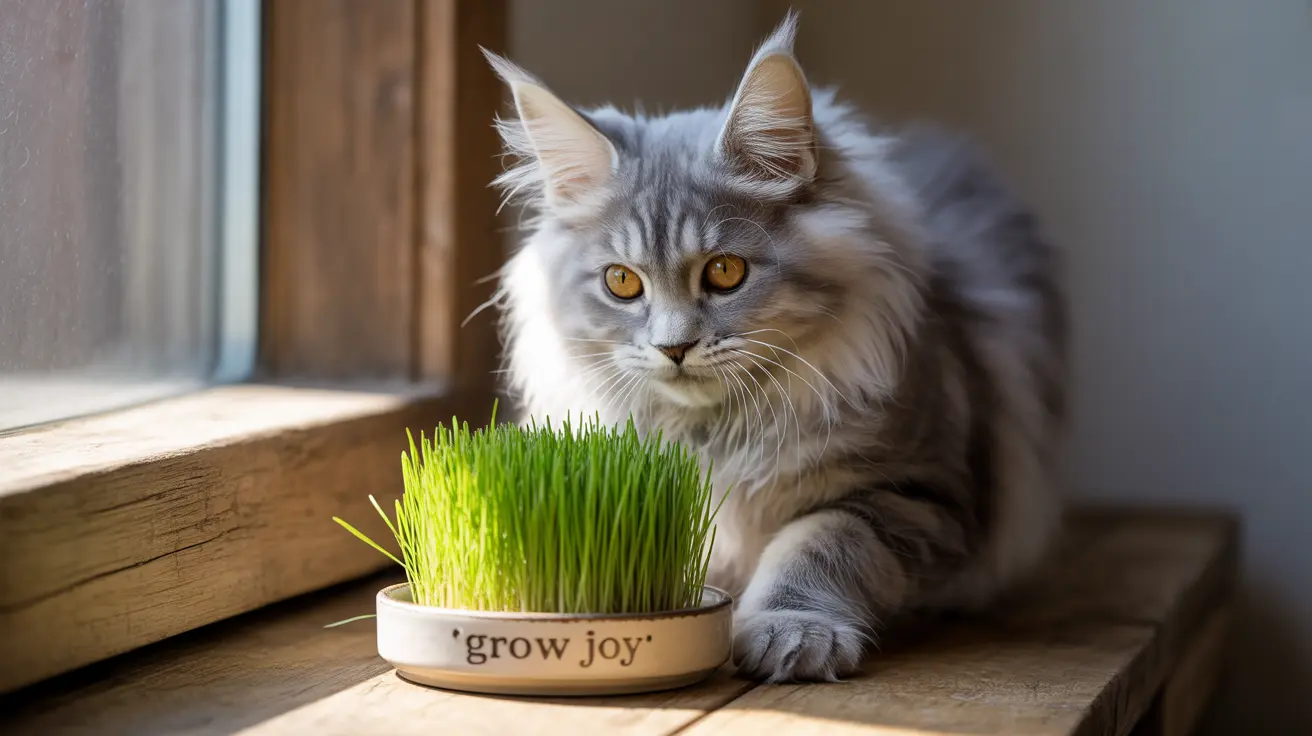
Cat grass adds a fresh green touch to your living area without much effort. It thrives well in small pots, fitting easily on windowsills or shelves. This makes it a perfect plant for pet owners wanting to brighten their space while keeping their cats safe.
Besides aesthetics, cat grass improves air quality by releasing oxygen and absorbing toxins. Wouldn’t you like to breathe cleaner air while giving your cat a healthy treat? Plus, it’s a simple way to connect your pet to nature indoors.
Credit: www.petscare.com
Frequently Asked Questions
How Often Should I Water Cat Grass?
Water cat grass regularly to keep the soil moist but not soggy. Typically, watering every 2-3 days works well. Avoid overwatering, which can cause root rot. Check soil moisture before watering to ensure healthy growth and prevent mold or fungus issues.
What Type Of Light Does Cat Grass Need?
Cat grass thrives in bright, indirect sunlight. Place it near a window with filtered light for best results. Avoid direct harsh sunlight, which can scorch the blades. Consistent natural light helps the grass grow lush and green for your cat to enjoy.
How Do I Prevent Cat Grass From Dying Quickly?
Keep cat grass in well-drained soil and water moderately. Ensure proper light exposure and avoid overfeeding with fertilizers. Trim the grass if it becomes too tall, and replace it every few weeks to maintain freshness and health for your cat.
Can Cats Eat Cat Grass Safely?
Yes, cats can safely eat cat grass. It aids digestion and helps clear hairballs. It’s a natural, non-toxic way to satisfy your cat’s urge to chew plants. Always provide fresh, pesticide-free cat grass for your pet’s health.
Conclusion
Taking care of cat grass is simple and rewarding. Keep the soil moist but not wet. Place the grass in a sunny spot for healthy growth. Trim the grass to encourage new shoots. Watch your cat enjoy fresh, safe greens anytime.
Regular care helps the grass stay fresh and tasty. Your cat will love this natural treat every day. Small efforts bring big benefits for your pet’s health. Try growing cat grass and see the difference.

Lily Purrington is the founder of MyKittyPicks.com, a cozy corner of the web dedicated to helping cat lovers discover the best cat products, furniture, toys, and home decor ideas.
A lifelong cat enthusiast, Lily shares trusted tips, honest product recommendations, and stylish inspiration designed to keep kitties happy and homes beautiful.
Her mission is simple: to bring together practical advice and purr-fect picks that make life better for cats and the people who love them.


