

If you have a nursing cat, you want to keep her and her kittens safe from fleas without causing any harm. You might have heard about Capstar, a popular flea treatment, but is it really safe to use on a mother cat who is nursing?
This question is important because your cat’s health and the well-being of her babies depend on it. You’ll discover everything you need to know about using Capstar on nursing cats, so you can make the best choice for your furry family.
Keep reading to protect your cat and her kittens the right way.
Capstar Basics
Understanding the basics of Capstar helps pet owners make safe choices. This medication is common for killing fleas quickly. Knowing what Capstar is and how it works provides clarity for nursing cat safety.
What Is Capstar
Capstar is a fast-acting flea treatment for cats and dogs. It comes as a small tablet given by mouth. This medicine starts killing fleas within 30 minutes. It works only on adult fleas, not on eggs or larvae. Capstar is often used for quick flea control before other treatments.
How Capstar Works
Capstar contains nitenpyram as its active ingredient. Nitenpyram affects the nervous system of adult fleas. It causes them to become paralyzed and die quickly. The medicine works systemically, meaning it travels through the pet’s bloodstream. Fleas die after biting the treated animal. The effect lasts about 24 hours, so repeat doses may be needed.
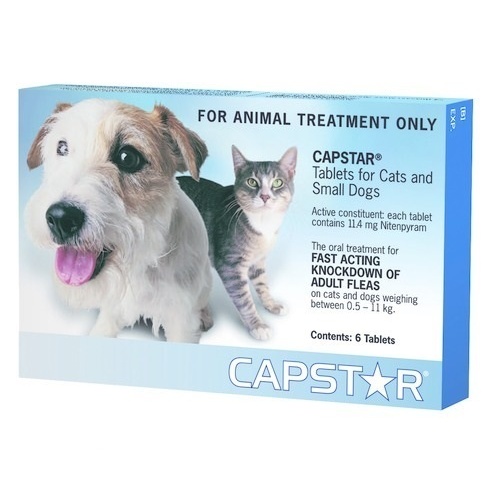
Credit: www.ovedshorseandpetstore.com.au
Safety Concerns For Nursing Cats
When considering the safety of medications like Capstar for nursing cats, it’s crucial to weigh the potential risks against the benefits. Nursing cats have unique needs, and anything that affects their health can directly impact their kittens. Understanding these safety concerns helps ensure the well-being of both mother and offspring.
Potential Risks
Administering any medication to a nursing cat demands careful consideration. Capstar, known for its effectiveness against fleas, might pose risks if not used properly. While it is generally considered safe, always consult your veterinarian before starting any treatment.
One key risk is the potential for allergic reactions. Cats, like humans, can have unexpected sensitivities to certain drugs. Monitoring your cat closely after administering any new medication is essential to catch any adverse effects early.
Effects On Kittens
The health of the kittens is closely linked to their mother’s condition. If a nursing cat experiences side effects from Capstar, it might affect her ability to care for her kittens. This can include decreased milk production or changes in behavior.
There’s also the concern of drug transfer through the mother’s milk. Even if Capstar is safe for the mother, its effects on kittens who ingest it indirectly through nursing are less well-documented. Always seek veterinary advice to ensure the safety of the kittens.
Have you encountered any unusual reactions when treating your nursing cat? Sharing experiences can provide valuable insights for others in similar situations. Always prioritize your pet’s health by staying informed and proactive.
Veterinary Recommendations
Veterinarians offer clear advice about using Capstar for nursing cats. Safety of both mother and kittens is the top concern. Experts weigh the benefits and risks before recommending any flea treatment.
They emphasize careful monitoring and proper dosage to avoid harm. Understanding when Capstar is appropriate helps protect nursing cats and their young.
When To Use Capstar
Veterinarians suggest Capstar only for severe flea infestations. It acts fast to kill adult fleas within hours. This quick action can relieve intense itching and discomfort.
Capstar is usually safe if used in the right dose. The cat should be at least 4 weeks old and weigh over 2 pounds. Nursing mothers need extra caution, with vet guidance always recommended.
Using Capstar may be necessary if other treatments fail. The vet will check the health of both mother and kittens before approval.
Alternative Treatments
Many vets prefer safer options during nursing. These include topical flea preventives with minimal absorption into the bloodstream. Products like selamectin or fipronil may be suggested.
Environmental control also plays a big role. Cleaning bedding and vacuuming often helps reduce flea eggs and larvae. Natural remedies like diatomaceous earth can assist without chemicals.
Veterinarians may recommend a combination of methods. This approach protects nursing cats while keeping flea problems under control.
Proper Dosage And Administration
Proper dosage and administration of Capstar are crucial for the safety of nursing cats. Giving the right amount ensures the medication works effectively without harming the mother or her kittens. Understanding how to dose and apply Capstar correctly can prevent unnecessary risks and promote a healthy environment for your feline family.
Dosage Guidelines For Nursing Cats
Capstar is generally considered safe for nursing cats when used as directed. The recommended dose is typically one tablet (11.4 mg of nitenpyram) for cats weighing 2 pounds or more. Always check your cat’s weight accurately before dosing, as overdosing can cause side effects.
Since kittens nurse frequently, you might wonder if the medication passes through the milk. Studies show minimal transfer, but it’s best to use Capstar only when flea infestation is evident. Consult your vet to confirm the dosage and ensure it fits your cat’s specific health condition.
Administering Capstar Safely
Administering Capstar is straightforward—you simply give the tablet orally. You can hide the tablet in a treat or place it directly in your cat’s mouth. Make sure your cat swallows the pill completely to ensure effectiveness.
Keep a close eye on your cat after giving Capstar. Watch for unusual signs like vomiting, lethargy, or loss of appetite, which might indicate a reaction. If you notice anything concerning, contact your vet immediately.
Have you checked your cat’s flea situation recently? Sometimes, spot treatments or environmental control are needed alongside Capstar for best results. Proper administration is just one part of keeping your nursing cat and her kittens safe and comfortable.
Monitoring After Treatment
After giving Capstar to nursing cats, careful monitoring is very important. The medication can affect both the mother and her kittens. Watch the cat closely for any changes in behavior or health. Early detection of problems helps keep both safe and healthy.
Signs Of Adverse Reactions
- Vomiting or diarrhea
- Lethargy or weakness
- Loss of appetite
- Excessive drooling
- Shaking or trembling
- Difficulty breathing
- Unusual vocalizations or restlessness
Note any of these signs right after treatment. They could indicate the cat is not tolerating the medicine well.
When To Seek Veterinary Help
- If symptoms last more than a few hours
- If the cat stops nursing her kittens
- If the cat shows signs of pain or distress
- If kittens appear sick or weak
- If you see swelling or rash at the application site
Contact your vet immediately in these cases. Quick action can prevent serious problems.

Credit: www.amazon.com

Credit: www.amazon.ca
Frequently Asked Questions
Is Capstar Safe For Nursing Cats And Their Kittens?
Capstar is generally safe for nursing cats when used as directed. It kills fleas quickly without harming the mother or kittens. However, always consult your vet before use to ensure it fits your cat’s health needs and nursing status.
How Does Capstar Affect Breastfeeding Cats?
Capstar works by targeting adult fleas, not the cat’s system. It has minimal absorption into the bloodstream, making it low risk for nursing cats. Still, veterinary advice is recommended to avoid any potential risks during breastfeeding.
Can Capstar Harm Kittens Through Nursing?
Capstar is designed to be safe for nursing cats and their kittens. The medication does not pass significantly into the milk, so it poses minimal risk. Always follow dosage instructions and check with a vet to protect kitten health.
When Should I Give Capstar To A Nursing Cat?
Administer Capstar only if fleas are present and after veterinary consultation. It’s best used as a quick flea control method. Avoid unnecessary use to prevent stress or adverse effects on nursing cats and their kittens.
Conclusion
Capstar can be safe for nursing cats when used correctly. Always check with your vet before giving any medication. The health of both mother and kittens matters most. Watch for any side effects after treatment. Keep your cat comfortable and stress-free.
Proper flea control helps protect your pets. Safe care ensures happy, healthy cats and kittens.

Lily Purrington is the founder of MyKittyPicks.com, a cozy corner of the web dedicated to helping cat lovers discover the best cat products, furniture, toys, and home decor ideas.
A lifelong cat enthusiast, Lily shares trusted tips, honest product recommendations, and stylish inspiration designed to keep kitties happy and homes beautiful.
Her mission is simple: to bring together practical advice and purr-fect picks that make life better for cats and the people who love them.


