
If you have a cat, you know how important it is to keep their litter box clean and easy to use. But do you really know how to use cat litter the right way?
Getting it right can save you from unpleasant odors, messy floors, and a stressed-out kitty. In this guide, you’ll discover simple tips to make your cat’s litter box a fresh, comfortable spot for them—and a hassle-free part of your routine.
Keep reading, and you’ll learn how to make cat litter work for you and your furry friend every day.
Choosing The Right Cat Litter
Choosing the right cat litter can make a big difference in your cat’s comfort and your home’s cleanliness. It’s not just about picking any litter off the shelf; you need to consider your cat’s preferences, odor control, and ease of cleaning. Your choice can also impact your health and the environment.
Types Of Cat Litter
Cat litter comes in several types, each with its own benefits and drawbacks.
- Clumping clay litter:Absorbs moisture and forms clumps for easy scooping. It’s popular but can create dust and isn’t biodegradable.
- Non-clumping clay litter:Absorbs moisture but doesn’t form clumps. It requires more frequent changing.
- Silica gel litter:Controls odor well and lasts longer but can be more expensive and less natural.
- Natural/biodegradable litter:Made from materials like corn, wheat, or pine. It’s eco-friendly and often dust-free.
Which type do you think your cat would prefer? Sometimes, cats can be picky, so you might need to try a few options.
Factors To Consider
Think about more than just the litter’s ability to absorb odors. Your cat’s health and habits matter a lot.
- Dust levels:Cats with respiratory issues need low-dust options to avoid irritation.
- Scent:Some cats dislike strong fragrances, so unscented litter can be better.
- Texture:Cats have preferences for texture; some like fine granules, others prefer coarser ones.
- Ease of cleaning:Clumping litter makes scooping simpler, saving you time and effort.
- Cost and availability:Make sure the litter you choose fits your budget and is easy to find regularly.
Eco-friendly Options
Are you concerned about the environmental impact of cat litter? Many brands now offer sustainable choices that don’t compromise on performance.
- Litters made from recycled paper, wood pellets, or coconut husks break down naturally.
- Biodegradable options reduce landfill waste compared to traditional clay litters.
- Some eco-friendly litters are flushable, making disposal more convenient.
Switching to an eco-friendly litter can be a small step that makes a big difference for the planet—and your conscience. Have you noticed how your cat reacts to natural litters compared to clay?
Credit: www.tippaws.com
Setting Up The Litter Box
Setting up the litter box right from the start makes a big difference in how your cat uses it. A well-prepared space encourages your cat to feel comfortable and helps keep your home cleaner. Let’s look at how to set up the litter box effectively so both you and your cat can enjoy a hassle-free experience.
Choosing The Perfect Location
Pick a quiet spot where your cat can have privacy but still feel safe. Avoid busy areas like near loud appliances or places with heavy foot traffic. Cats don’t like surprises when they’re using the litter box.
Think about accessibility too. Is the spot easy for your cat to reach at any time? If you have multiple cats, consider setting up more than one litter box in different locations to prevent territorial issues.
Selecting The Right Litter Box
Size matters. Your cat should be able to turn around comfortably inside the box without feeling cramped. For larger cats, bigger boxes work better.
Open or covered? Some cats prefer open boxes for easy access, while others like the privacy of a covered one. Pay attention to your cat’s behavior and preferences to decide.
Also, consider the height of the box’s sides. Older cats or those with mobility issues may struggle with high edges. A low-entry box can make a big difference in their comfort.
Preparing The Box For Use
Start with a clean litter box. Wash it with mild soap and warm water before adding litter. Avoid strong-smelling cleaners that might repel your cat.
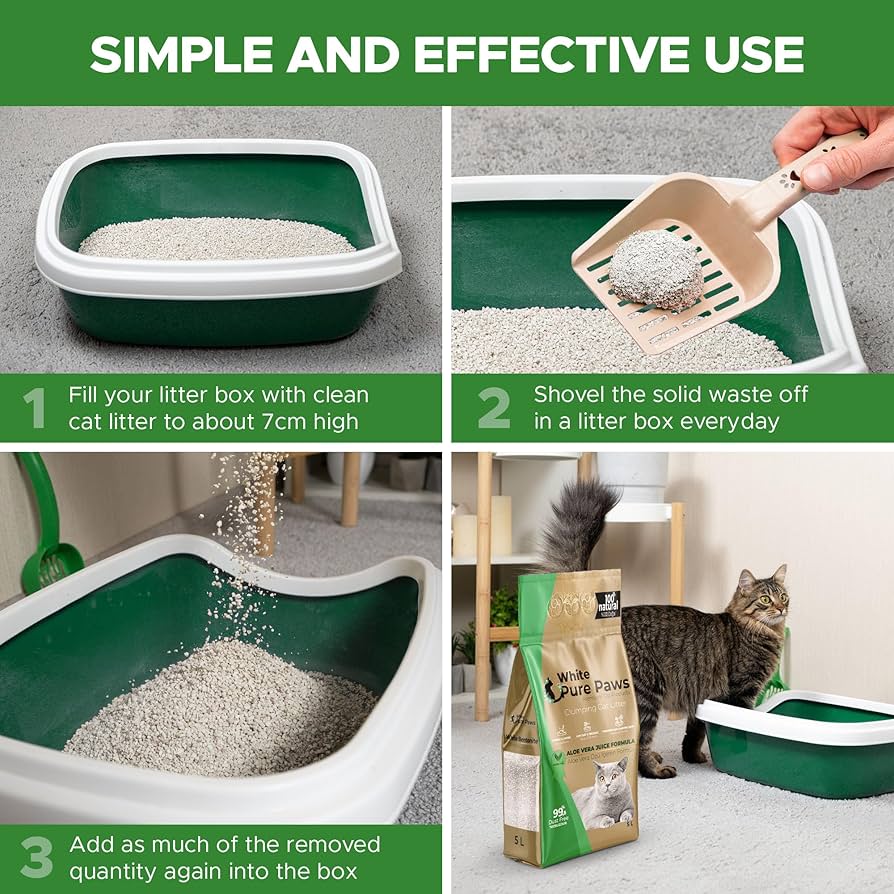
Add the right amount of litter—usually about 2 to 3 inches deep. Too little litter won’t absorb well, and too much can overwhelm your cat.
Place the box in the chosen location and watch your cat’s reaction. If they seem hesitant, try moving the box slightly or switching the type of litter until you find what they like best.
Proper Litter Maintenance
Proper litter maintenance ensures your cat’s comfort and health. It’s essential to keep the litter box clean and odor-free. This keeps both the cat and your home happy. Let’s explore the best ways to maintain your cat’s litter box.
Daily Scooping Techniques
Scoop the litter box every day to remove waste. Use a sturdy scoop with small holes to sift through the litter. This will leave clean litter behind. Dispose of the waste in a sealed bag to control odors. Regular scooping prevents unpleasant smells and keeps the box fresh.
When To Change The Litter
Changing the litter regularly is crucial. Replace the litter completely every week or as needed. Some cats may require more frequent changes based on usage. Monitor the litter for signs of clumping or excessive odor. Fresh litter ensures a clean environment for your cat.
Cleaning The Litter Box
Clean the litter box thoroughly once a week. Use warm water and mild soap to scrub the box. Rinse it well to remove any soap residue. Dry the box completely before adding new litter. This prevents bacteria and keeps the box sanitary.
Tips For Reducing Odor
Controlling odor from cat litter is a challenge many cat owners face daily. You want your home to smell fresh while keeping your feline friend comfortable. Simple changes to how you manage the litter can make a big difference in reducing unpleasant smells.
Using Deodorizers Safely
Deodorizers can help keep your litter box smelling clean, but it’s important to use them carefully. Choose products designed specifically for cat litter to avoid harming your pet. Avoid strong perfumes or sprays that might irritate your cat’s sensitive nose.
Sprinkle a small amount of baking soda under the litter to neutralize odors without overpowering scents. If you prefer commercial deodorizers, test a small area first to make sure your cat doesn’t react negatively. Remember, less is more when it comes to adding deodorizing agents.
Ventilation Tips
Good airflow near the litter box can prevent odors from building up. Place the litter box in a well-ventilated room or near a window that you can open. If your setup allows, use a small fan to circulate air around the box area.
Think about the placement carefully—away from your living and dining areas is best. Have you noticed how a stuffy room traps smells? Improving ventilation is a simple fix that makes a big difference.
Regular Deep Cleaning
Cleaning the litter box thoroughly on a regular schedule is crucial for odor control. Empty the litter completely at least once a week and wash the box with mild soap and warm water. Avoid harsh chemicals that can leave residues harmful to cats.
After washing, dry the box fully before adding fresh litter. Consider using a litter liner to make cleaning easier and reduce odor buildup on the box itself. How often do you deep clean your litter box? Adjusting this habit might improve your home’s smell significantly.
Training Your Cat To Use The Litter Box
Training your cat to use the litter box can sometimes feel like a challenge, but with the right approach, it becomes a smooth part of daily life. Cats are naturally clean animals, so the goal is to guide their instincts rather than force behavior. Patience and consistency play a big role in helping your cat understand where to go.
Introducing The Litter Box
Start by placing the litter box in a quiet, easily accessible area where your cat feels safe. Avoid busy or noisy spots that might scare them away. Show your cat the box and gently place them inside after meals or naps to help them associate the spot with bathroom time.
Choosing the right type of litter matters, too. Some cats prefer fine-grained, unscented litter over clumpy or scented options. Watch your cat’s reaction to different types and adjust accordingly to keep them comfortable.
Encouraging Consistent Use
Consistency is key. Keep the litter box clean by scooping it daily and changing the litter regularly. A dirty box is a common reason cats refuse to use it.
Reward your cat with gentle praise or a small treat when they use the box correctly. This positive reinforcement helps them understand that they’re doing the right thing.
If you have multiple cats, provide one litter box per cat plus one extra. This reduces competition and ensures everyone has a comfortable place to go.
Handling Accidents
Accidents happen, and it’s important not to punish your cat. Instead, clean the area thoroughly with an enzyme cleaner to remove any lingering odor. This prevents your cat from returning to the same spot.
Try to identify any triggers for the accidents, such as stress, changes in routine, or health issues. Addressing these can reduce future problems.
If accidents persist, consider consulting a veterinarian to rule out medical causes. Sometimes, what looks like a training issue can be a sign of illness.
Credit: www.purina.com
Troubleshooting Common Issues
Troubles with cat litter can be frustrating, but most issues have straightforward fixes. Understanding what causes problems like litter box avoidance or messy tracking can save you time and stress. Let’s look at practical solutions that make life easier for both you and your cat.
Litter Box Avoidance
If your cat suddenly stops using the litter box, don’t panic. Cats often avoid the box due to cleanliness, location, or discomfort.
- Check if the box is cleaned frequently; cats prefer a fresh spot.
- Try moving the box to a quieter, more private place.
- Experiment with different types of litter. Some cats dislike scented or clumping varieties.
I once had a cat avoid the box because it was near a noisy appliance. Moving it just a few feet solved the problem overnight. Have you noticed any changes around your cat’s litter area that might affect its comfort?
Litter Tracking Solutions
Litter outside the box can quickly become a mess. Tracking often happens because cats kick litter or have powdery types that stick to their paws.
- Use a litter mat with a textured surface to catch stray grains.
- Switch to larger, heavier pellets that don’t cling to paws easily.
- Trim your cat’s paw fur to reduce litter sticking.
One easy fix I found was placing a low-rimmed box inside a larger tray to catch escaping litter. What simple changes could you try around your home to keep the floor cleaner?
Managing Multiple Cats
Multiple cats can complicate litter box use. Territorial behavior or overcrowding often leads to accidents outside the box.
- Provide one litter box per cat plus an extra to prevent competition.
- Use boxes with different types of litter to cater to individual preferences.
- Keep boxes spread out across the house to reduce territorial disputes.
In my experience, adding just one more box in a separate room eased tensions between my two cats. Are your cats showing signs of stress around their boxes? Adjusting quantity and placement might be the key.
Health Benefits Of Proper Litter Use
Proper use of cat litter offers several health benefits for both cats and their owners. It helps keep cats clean and reduces health risks. Clean litter also promotes a healthier living space. Paying attention to litter care supports your cat’s well-being and your home’s hygiene.
Preventing Infections
Regularly cleaning the litter box stops bacteria and parasites from growing. Dirty litter can cause infections in cats. Proper litter use lowers the chance of urinary tract infections. It also reduces the spread of germs to humans. Keeping litter fresh protects your whole family’s health.
Monitoring Cat Health
Using litter correctly helps track your cat’s health. Changes in urine or stool can signal illness early. Clean litter makes it easier to notice blood or unusual colors. This lets you seek vet care quickly. Monitoring through litter supports early treatment and recovery.
Maintaining A Clean Home Environment
Proper litter use controls odors and keeps your home fresh. It stops litter from scattering around the house. Clean litter boxes reduce dust and allergens in the air. This helps family members breathe easier and feel better. A tidy litter area creates a more pleasant home for everyone.

Credit: cats-magazine.com
Frequently Asked Questions
What Type Of Cat Litter Is Best For Indoor Cats?
Clumping clay litter is popular for indoor cats due to odor control and easy cleaning. Natural litters like corn or wheat are eco-friendly alternatives. Choose a litter that suits your cat’s preferences and your cleaning routine for best results.
How Often Should I Change Cat Litter Completely?
Change cat litter fully every one to two weeks. Scoop waste daily to maintain cleanliness and odor control. Frequent litter changes keep your cat healthy and your home smelling fresh.
Can I Use Scented Cat Litter Safely?
Scented cat litter can mask odors but may irritate sensitive cats. If your cat shows discomfort, switch to unscented, natural litter. Always prioritize your cat’s comfort and health when choosing litter.
How Much Cat Litter Should I Use In The Box?
Fill the litter box with 2 to 3 inches of litter. This depth allows proper clumping and waste absorption. Avoid overfilling to prevent litter tracking outside the box.
Conclusion
Using cat litter correctly keeps your home clean and your cat happy. Choose the right type that suits your cat’s needs. Scoop daily to control odors and maintain hygiene. Replace the litter regularly to avoid bacteria buildup. Place the litter box in a quiet, easy-to-reach spot.
These simple steps make caring for your cat easier. A clean litter box helps prevent accidents and keeps pets healthy. Remember, consistency is key for good litter habits. Small efforts lead to a comfortable environment for both you and your cat.

Lily Purrington is the founder of MyKittyPicks.com, a cozy corner of the web dedicated to helping cat lovers discover the best cat products, furniture, toys, and home decor ideas.
A lifelong cat enthusiast, Lily shares trusted tips, honest product recommendations, and stylish inspiration designed to keep kitties happy and homes beautiful.
Her mission is simple: to bring together practical advice and purr-fect picks that make life better for cats and the people who love them.


