

Are you tired of finding your cat perched on your kitchen counters, knocking over items or leaving paw prints everywhere? You’re not alone.
Many cat owners struggle with this common behavior, but the good news is you can change it. Imagine a home where your counters stay clean, and your curious cat knows where to stay without constant supervision. You’ll discover simple, effective steps to train your cat to stay off counters for good.
Keep reading, and you’ll learn how to create a peaceful space for both you and your feline friend.
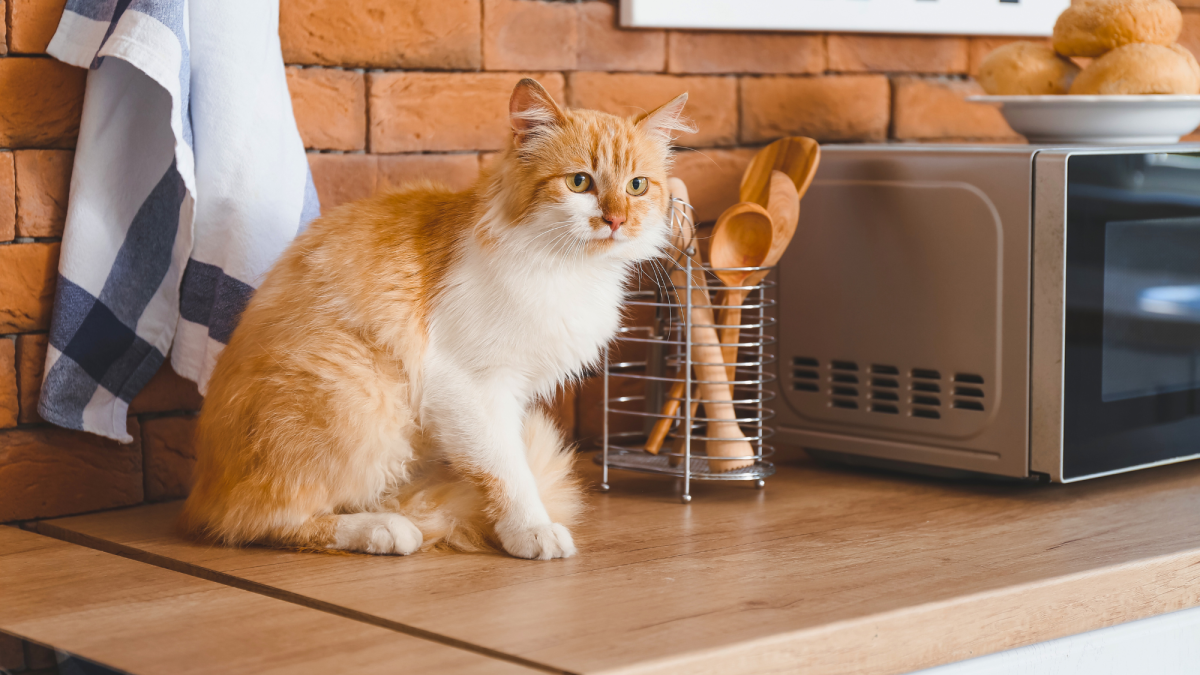
Credit: pethelpful.com
Why Cats Jump On Counters
Cats often jump on counters, leaving owners puzzled. This behavior can seem annoying but has clear reasons rooted in their nature. Understanding why cats do this helps in guiding them better. Here are key reasons why cats love to leap onto counters.
Natural Instincts
Cats are natural climbers. In the wild, they climb to observe their surroundings safely. High places give them a sense of security and control. Counters mimic this safe, elevated spot for indoor cats. It satisfies their instinct to watch and protect their territory.
Curiosity And Exploration
Cats are curious animals. They explore new places to learn about their environment. Counters hold many interesting smells and objects. This attracts cats to jump up and investigate. The variety keeps their minds active and entertained.
Seeking Food And Attention
Counters often have food or crumbs. Cats jump up hoping to find a snack. They also learn that being on counters gets owner’s attention. Whether positive or negative, attention encourages them to repeat this behavior. Cats connect counters with rewards and interaction.
Preparing Your Home
Preparing your home is the first step to train your cat to stay off counters. Cats love exploring high places. Counters offer a perfect view and easy access to food or interesting items. Changing their environment helps reduce their urge to jump on counters.
Remove Temptations
Clear counters of food, crumbs, and dirty dishes. Cats jump up hoping to find snacks. Store food in sealed containers. Keep counters clean and dry. Remove toys or objects that attract your cat’s attention.
Create Alternative Spots
Give your cat safe and fun places to climb. Cats like high perches and cozy spots. Place cat trees or shelves near windows. Provide soft beds or blankets in these areas. This keeps cats busy and away from counters.
Use Cat-friendly Furniture
Invest in furniture made for cats. Scratching posts and climbing towers work well. Choose sturdy items that are easy to climb and stable. Place them near the kitchen or areas your cat visits often. This redirects their energy to proper places.
Training Techniques
Training a cat to stay off counters requires patience and the right techniques. Cats learn best through clear, gentle guidance and rewards. Consistent training helps them understand which behaviors please you. The following techniques can help redirect your cat’s habits effectively.
Positive Reinforcement
Reward your cat for good behavior to encourage it. Use treats or gentle petting when your cat stays on the floor. Praise your cat with a soft voice to show approval. Avoid punishment, as it can cause fear or confusion. Positive reinforcement builds trust and motivates your cat to repeat good actions.
Clicker Training
Clicker training uses a small device to mark desired behavior. Press the clicker when your cat stays off counters, then give a treat. The click sound helps your cat link actions with rewards. Keep training sessions short and fun for better results. This method sharpens your cat’s focus and learning speed.
Consistent Commands
Use the same words or phrases to tell your cat to get down. Simple commands like “off” or “down” work best. Speak calmly and clearly every time. Consistency helps your cat understand expectations faster. Pair commands with rewards to reinforce the lesson.

Credit: www.purina.com
Deterrents To Keep Cats Off Counters
Keeping your cat off counters can be a real challenge, but using effective deterrents makes a big difference. These simple tools and tricks create an environment your cat finds uncomfortable or uninviting. You might be surprised how quickly your feline friend learns to avoid those tempting surfaces.
Double-sided Tape
Cats dislike sticky textures on their paws. Placing double-sided tape on counter edges provides an unpleasant sensation that discourages them from jumping up. It’s inexpensive and easy to apply, and many cat owners notice their pets avoiding taped areas within days.
If you want to try this, start by cutting strips and sticking them where your cat usually lands. You can remove or replace the tape once your cat stops attempting to jump up. Have you noticed your cat’s reaction to sticky surfaces before?
Aluminum Foil
Aluminum foil is a classic deterrent because cats dislike its sound and texture. Laying sheets of foil on counters creates a noisy, uncomfortable surface that discourages exploration. It’s a quick fix and often works immediately.
Try covering the spots your cat frequents most. You might find your cat stepping cautiously away after a few foil encounters. Keep in mind, some cats are braver than others—so test this method and watch your cat’s response closely.
Motion-activated Devices
Technology can help here. Motion-activated devices emit a harmless spray, sound, or light when triggered by movement. This surprise element effectively teaches cats to stay away without causing harm.
These devices require setup but reward you with consistent results. Imagine your cat learning to avoid counters after just a few startling reminders. Could this be the high-tech solution your home needs?
Encouraging Good Behavior
Encouraging good behavior is key to teaching your cat to stay off counters. Cats respond well to positive reinforcement and mental stimulation, which can redirect their natural curiosity and energy away from forbidden spots. By focusing on what your cat should do instead of just what they shouldn’t, you create a more enjoyable learning experience for both of you.
Rewarding Desired Actions
Catch your cat doing the right thing, like sitting on a designated perch or playing with a toy, and immediately reward them. Use treats, gentle petting, or verbal praise to make it clear which behaviors you want to see more often. Consistency matters—rewards should come right after the good action to help your cat connect the dots.
Have you noticed how cats quickly learn to repeat actions that bring them positive attention? Try giving a small treat every time your cat avoids the counter or uses their scratching post instead. This simple habit can shift their focus and make counters less appealing.
Providing Enrichment
Boredom often drives cats to explore counters. Adding enrichment to your home keeps their minds busy and reduces unwanted climbing. Items like puzzle feeders, cat trees, and window perches offer engaging alternatives that satisfy their natural instincts.
Think about your cat’s environment: is it stimulating enough? A rotating selection of toys can keep their interest high. When your cat has plenty to explore, the counters lose their allure.
Regular Playtime
Engaging your cat in regular play sessions helps burn off excess energy that might otherwise be directed toward counter exploration. Use interactive toys like feather wands or laser pointers to simulate hunting behaviors. This activity not only entertains but strengthens your bond.
Set aside specific times each day for focused play. You might be surprised how much less your cat jumps on counters when they’ve had a good workout. How often do you dedicate time to active play with your cat?

Credit: www.reddit.com
Handling Setbacks
Training a cat to avoid counters requires patience and consistency. Use deterrents like double-sided tape or foil on surfaces. Reward your cat for staying on the floor with treats and praise.
Training your cat to stay off counters can sometimes feel like a never-ending battle. Just when you think you’ve got it under control, your feline friend may surprise you by leaping back onto the counters, leaving you frustrated. Handling setbacks is part of the journey, and it’s essential to approach these challenges with a calm and flexible mindset. Let’s explore how to navigate these hiccups effectively and keep moving forward with your training efforts.Staying Patient
Patience is your best ally in this endeavor. Cats are creatures of habit, and breaking those habits can take time. Remember, consistency is key. If your cat hops back on the counter, reinforce your training methods without showing frustration. Celebrate small victories to keep yourself motivated. Did your cat stay off the counter for a day? That’s progress!Adjusting Strategies
If one approach isn’t working, it might be time to tweak your strategy. Cats have unique personalities, and what works for one may not work for another. Consider using deterrents like aluminum foil or double-sided tape, which can provide immediate feedback for your cat. Or perhaps introduce more engaging toys or a cat tree to redirect their energy. A neighbor once shared that moving her cat’s feeding station away from the counter helped reduce her cat’s curiosity about the area. Can you think of other creative adjustments?Seeking Professional Help
Sometimes, despite your best efforts, setbacks persist. Don’t hesitate to consult a professional, such as a veterinarian or a cat behaviorist. They can offer tailored advice based on your cat’s specific needs. A professional might uncover underlying issues, like anxiety or medical concerns, that could be affecting your cat’s behavior. Wouldn’t you agree that seeking expert insight can save time and frustration in the long run? After all, ensuring your cat’s well-being is the ultimate goal. By handling setbacks with patience, flexibility, and a willingness to seek help, you’re setting the stage for success in training your cat to stay off the counters.Frequently Asked Questions
How Can I Stop My Cat From Jumping On Counters?
Use deterrents like double-sided tape or aluminum foil on counters. Provide alternative climbing spots like cat trees. Reward your cat for staying off counters consistently.
What Training Methods Work Best For Cats On Counters?
Positive reinforcement works best. Use treats and praise when your cat avoids counters. Avoid punishment as it can cause fear or stress.
Are There Safe Products To Keep Cats Off Counters?
Yes, products like motion-activated air sprays or mats with harmless static can deter cats. Always choose pet-safe options recommended by veterinarians.
How Long Does It Take To Train A Cat Off Counters?
Training time varies but expect weeks to months. Consistency and patience are key. Regularly reinforce good behavior to maintain results.
Conclusion
Training a cat to stay off counters takes patience and consistency. Use gentle deterrents and offer better places to climb. Reward good behavior with treats and praise. Avoid yelling or punishment, as cats respond best to kindness. Remember, change won’t happen overnight.
Keep trying and stay calm. Soon, your cat will learn to respect your space. Enjoy a cleaner kitchen and a happier pet. Small steps make a big difference.

Lily Purrington is the founder of MyKittyPicks.com, a cozy corner of the web dedicated to helping cat lovers discover the best cat products, furniture, toys, and home decor ideas.
A lifelong cat enthusiast, Lily shares trusted tips, honest product recommendations, and stylish inspiration designed to keep kitties happy and homes beautiful.
Her mission is simple: to bring together practical advice and purr-fect picks that make life better for cats and the people who love them.


