
Do you want your cat to become a natural mouse catcher? Training your cat to catch mice can save your home from unwanted pests while giving your furry friend a fun and rewarding activity.
It might sound tricky, but with the right approach, you can guide your cat to use its natural hunting skills effectively. You’ll discover simple, practical steps that anyone can follow. Keep reading, and you’ll learn how to turn your playful pet into a skilled mouse hunter in no time.
Credit: www.petsradar.com
Preparing Your Cat
Preparing your cat to catch mice takes patience and care. The right setup helps your cat feel safe and ready to hunt. You must focus on health and diet to keep your cat strong. Encouraging natural instincts is key for success. Let’s explore how to prepare your cat effectively.
Creating A Safe Environment
Start by making your home calm and quiet. Remove loud noises and sudden movements. Provide cozy spots where your cat can rest and watch. Avoid places with too many distractions.
Use soft bedding and hideouts to help your cat feel secure. Keep the hunting area clean and free of chemicals. A safe environment builds confidence and reduces stress.
Health Check And Diet
Visit the vet for a full health check. Make sure vaccinations and parasite control are up to date. Healthy cats have more energy and better focus.
Feed your cat a balanced diet rich in protein. High-quality food supports muscle strength and stamina. Avoid overfeeding to keep your cat agile and alert.
Encouraging Natural Instincts
Play with your cat using toys that mimic prey. Use feather wands, laser pointers, or small balls. This stimulates hunting behavior and sharpens reflexes.
Let your cat explore safe outdoor spaces if possible. Supervised outdoor time improves their tracking skills. Reward your cat for showing interest in moving objects.
Introducing Mouse Training
Teaching a cat to catch mice takes patience and simple steps. Rewarding good behavior helps your cat learn quickly and enjoy the task. Training strengthens your bond and keeps your home pest-free.
Introducing Mouse Training Training your cat to catch mice can be both a fun and practical endeavor. It taps into their natural instincts while also offering a unique bonding experience. But how do you get started with this intriguing challenge? Let’s dive into some effective techniques and tips to make the process both enjoyable and successful.Using Toys To Simulate Prey
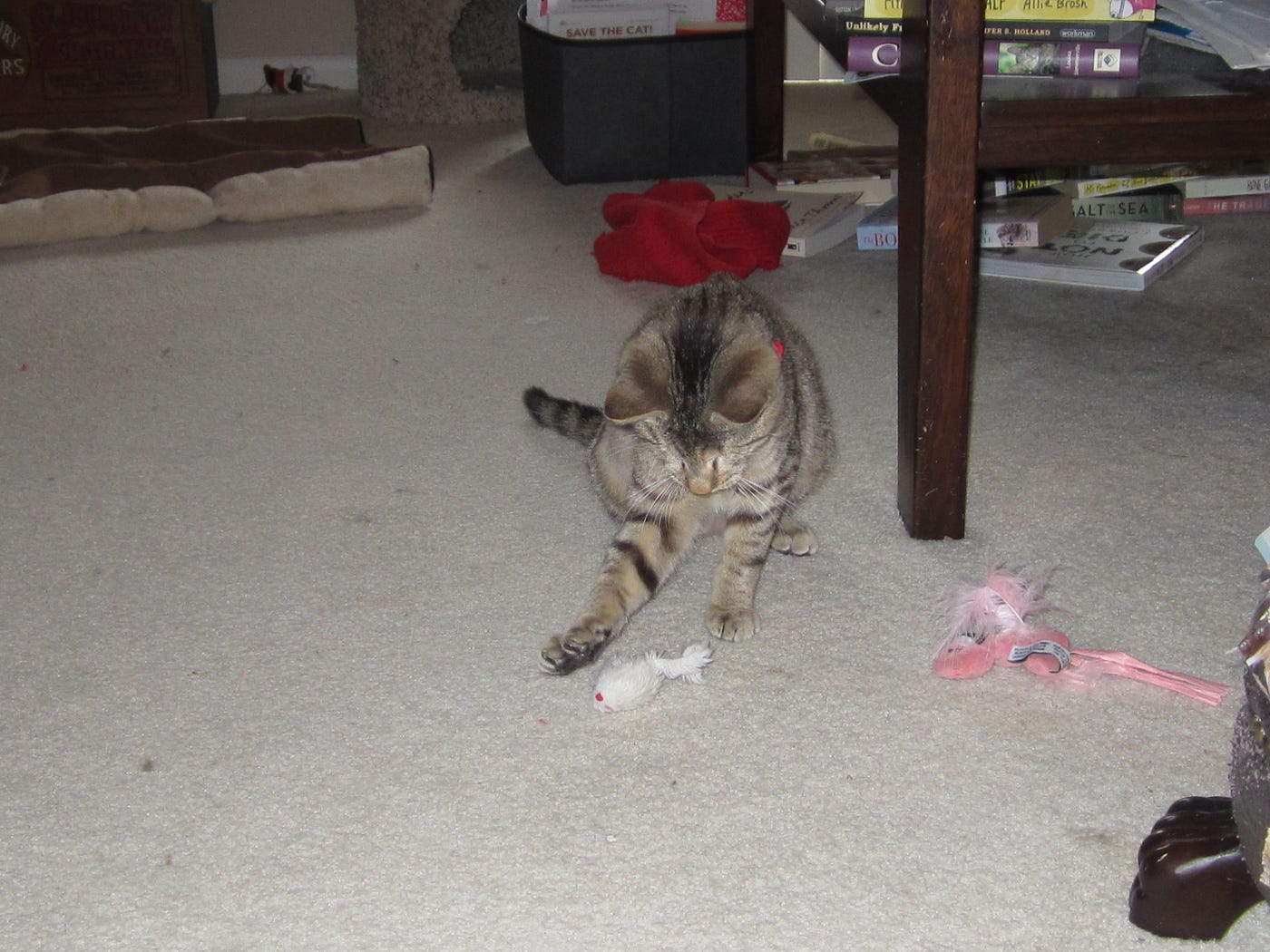
Start by using toys that mimic the size and movement of a mouse. Feather toys, small plush mice, or even a crumpled piece of paper can work wonders. Drag the toy across the floor to simulate the erratic movements of a real mouse. Engage your cat in a game of chase, allowing them to pounce and stalk their ‘prey’. Observe their hunting style and adjust the game to keep it interesting. This not only hones their skills but also boosts their confidence.Positive Reinforcement Techniques
Reward your cat each time they catch or attempt to catch the toy mouse. Treats, praise, or a gentle pet can reinforce their behavior. It’s essential to be consistent with the rewards to create a strong association. Consider using clicker training as an added layer of reinforcement. The sound of the clicker can serve as an immediate signal that they’ve done something right. Over time, your cat will associate the click with a positive outcome.Setting Realistic Expectations
Understand that not all cats are natural hunters. Some may take to it quickly, while others may show little interest. It’s important to respect your cat’s individual personality and preferences. Set small, achievable goals and celebrate each success. Remember, the aim is to enrich your cat’s life and strengthen your bond. Whether they catch a real mouse or not, the training journey itself is a rewarding experience.Enhancing Hunting Skills
Enhancing your cat’s hunting skills takes patience and practice. Cats have natural instincts, but training helps sharpen these abilities. Focus on building stealth, patience, agility, and quick reflexes. Each skill plays a key role in catching mice effectively.
Encouraging Stealth And Patience
Stealth is vital for a successful hunt. Help your cat practice moving quietly by setting up low-noise environments. Use soft toys to mimic mice and encourage slow, careful movements. Teach your cat to wait and watch before pouncing. Patience improves focus and timing during the chase.
Improving Agility And Reflexes
Agility lets cats react fast and change direction quickly. Create obstacle courses with cushions and boxes for your cat to navigate. Use toys that move unpredictably to boost reflexes. Short, frequent play sessions help build speed and coordination.
Rewarding Successful Attempts
Positive reinforcement encourages your cat to keep trying. Offer treats or affection after each good attempt. Celebrate even small successes to build confidence. Consistent rewards motivate your cat to improve hunting skills over time.
Dealing With Challenges
Training a cat to catch mice can be rewarding, but it also comes with its own set of challenges. Overcoming these obstacles requires patience, observation, and a willingness to adjust your approach. Let’s talk about common issues that might slow down your progress and how you can handle them effectively.
Managing Distractions
Cats are naturally curious and easily distracted. A noisy environment or other pets can pull their attention away from hunting practice. To keep your cat focused, create a quiet space where you can work without interruptions.
Try using toys that mimic mouse movements to engage your cat’s hunting instincts. Reward your cat immediately after a successful attempt to reinforce focus. Have you noticed certain sounds or activities that break your cat’s concentration? Eliminating or minimizing these can make a big difference.
Handling Fear Or Anxiety
Some cats might feel scared or anxious around mice or during training sessions. It’s important to recognize signs like hiding, trembling, or refusing to participate. Forcing your cat can backfire and increase fear.
Introduce mice or mouse-like toys gradually. Let your cat observe from a distance before encouraging interaction. Calming pheromone sprays or gentle petting can help soothe your cat during training. Have you tried pairing treats with exposure to new stimuli to build positive associations?
Adapting To Different Environments
Not every space is ideal for training a cat to catch mice. Changes in environment—whether indoors, outdoors, or a new home—can affect your cat’s performance. Your cat might need time to adjust before showing interest in hunting.
Observe how your cat reacts to different settings and adjust training times accordingly. Outdoor training might require more supervision and safety measures, while indoor training offers more control but fewer natural hunting opportunities. How flexible are you willing to be with your training environment to suit your cat’s needs?
Maintaining Long-term Success
Maintaining long-term success in training your cat to catch mice requires ongoing effort and attention. The key is to keep your cat engaged and motivated while carefully observing their progress. Let’s look at some practical ways to make sure your training sticks and your feline friend remains a skilled hunter.
Regular Practice Sessions
Short, frequent practice sessions keep your cat sharp and ready. Aim for 10-15 minutes daily to refresh their skills without overwhelming them.
You can hide toy mice or small treats to simulate hunting scenarios. This keeps the experience fun and realistic.
Have you noticed how your cat’s excitement grows with each successful catch? Use that energy to encourage consistent training.
Monitoring Progress
Keep track of your cat’s behavior and success rate. Note any improvements or setbacks in a simple journal or app.
Look for signs like increased alertness or quicker reactions to mouse-like movements. This shows your cat is learning.
If progress stalls, consider adjusting your approach. Maybe your cat needs more motivation or a different kind of reward.
Balancing Play And Rest
Your cat needs downtime to avoid burnout. Balance active training with plenty of rest periods.
Watching my cat, I learned that too much play can lead to frustration or disinterest. Let your cat decide when to pause.
Try mixing active hunting practice with gentle petting or quiet moments. This keeps your cat happy and engaged over time.
Credit: medium.com

Credit: www.youtube.com
Frequently Asked Questions
How Long Does It Take To Train A Cat To Catch Mice?
Training a cat to catch mice varies but usually takes a few weeks. Consistency and patience are key. Daily practice helps cats develop hunting skills faster. Some cats may learn quicker depending on their natural instincts and motivation.
What Are The Best Techniques To Train A Cat For Hunting?
Use positive reinforcement and play with hunting toys. Encourage stalking and pouncing behaviors. Reward your cat with treats and praise after successful attempts. Create a safe environment for practice. Avoid punishment to maintain trust and motivation.
Can All Cats Be Trained To Catch Mice?
Not all cats are natural hunters or interested in mice. Some breeds have stronger hunting instincts. Age and personality also affect training success. It’s important to assess your cat’s interest and patience before training.
How To Keep A Cat Motivated To Catch Mice?
Use rewards like treats and affection after each successful hunt. Vary the training sessions to keep it interesting. Provide toys that mimic mouse movement. Ensure your cat is not overfed to maintain hunting drive.
Conclusion
Training a cat to catch mice takes patience and care. Start with small steps and reward good behavior. Cats learn best through play and positive attention. Keep training sessions short and fun to keep interest high. Over time, your cat will become more confident in hunting.
This skill helps keep your home free from mice. Remember, each cat learns at its own pace. Stay consistent and gentle throughout the process. Enjoy watching your cat grow into a helpful little hunter. Simple efforts can make a big difference in pest control.

Lily Purrington is the founder of MyKittyPicks.com, a cozy corner of the web dedicated to helping cat lovers discover the best cat products, furniture, toys, and home decor ideas.
A lifelong cat enthusiast, Lily shares trusted tips, honest product recommendations, and stylish inspiration designed to keep kitties happy and homes beautiful.
Her mission is simple: to bring together practical advice and purr-fect picks that make life better for cats and the people who love them.


