
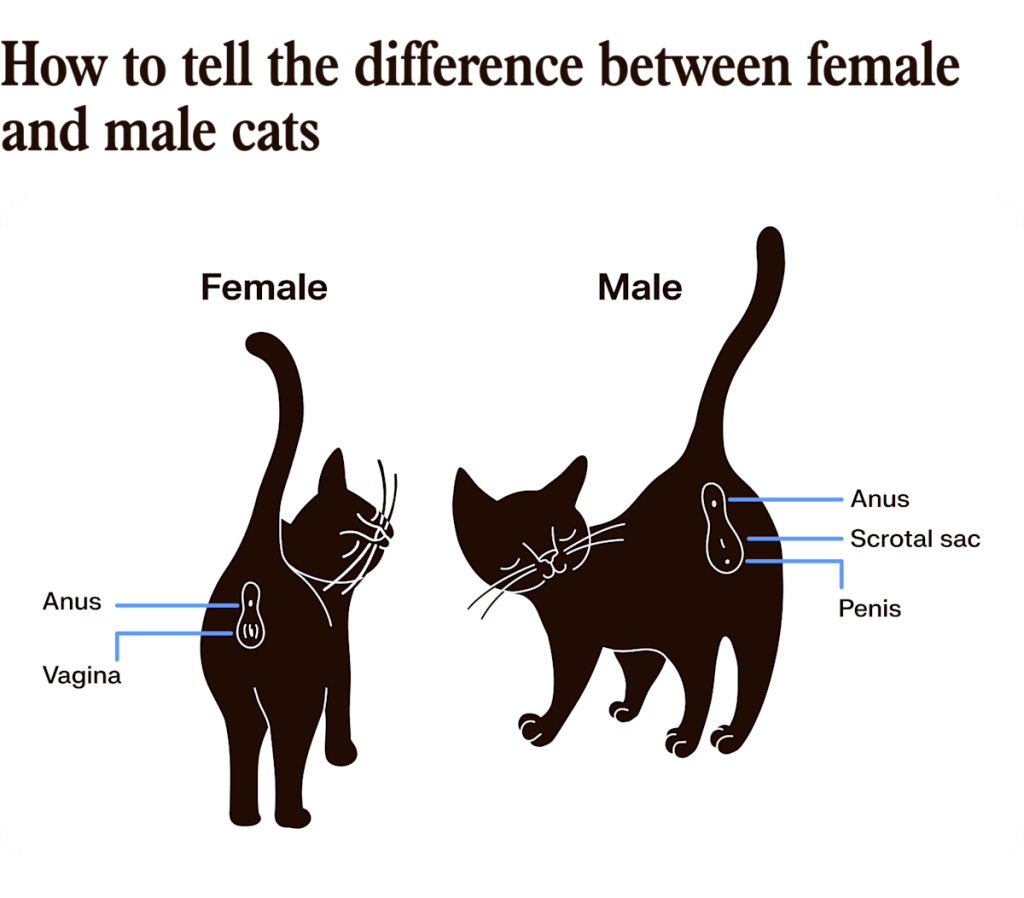
Have you ever been startled by the sounds of cats outside your window, leaving you wondering whether they’re locked in battle or engaging in a courtship ritual? It’s a mystery that many cat owners and enthusiasts face.
Understanding the difference between mating and fighting behaviors in cats can be crucial, not only for your peace of mind but also for ensuring the well-being of the feline friends in your neighborhood. We will help you decode these often-confusing signals, so you can confidently tell what’s happening in the cat world around you.
Read on to uncover the secrets behind these feline interactions, and ensure you’re never left guessing again.
Credit: pethelpful.com
Body Language Clues
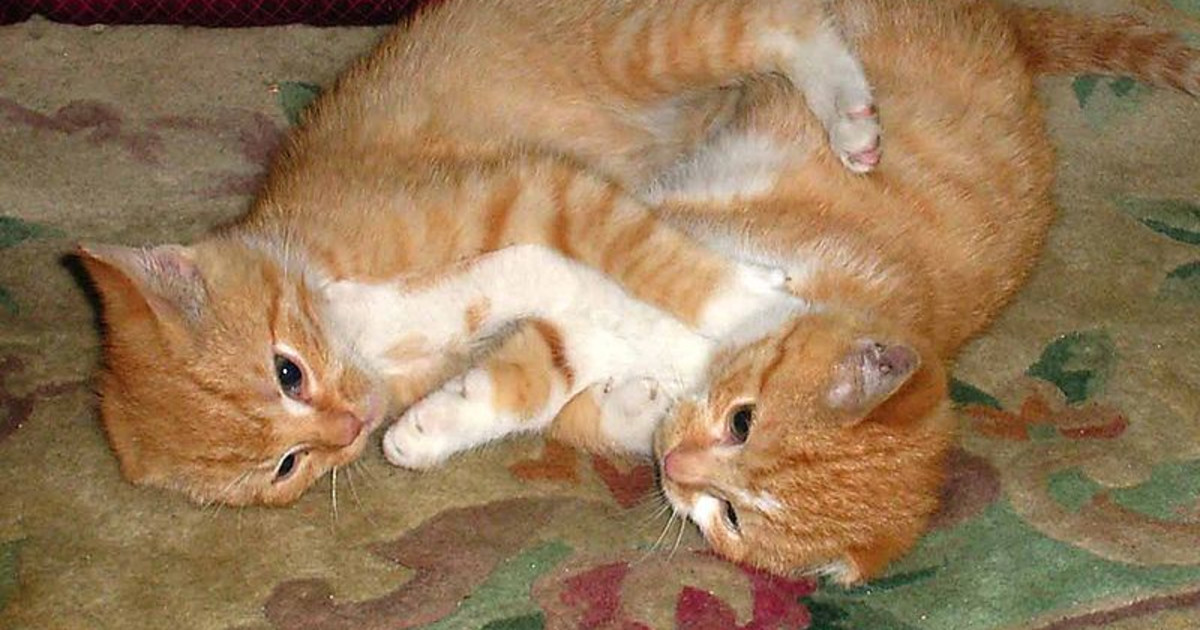
Understanding whether your cats are mating or fighting can be tricky, but their body language offers clear clues. Paying close attention to their movements and positions helps you read the situation accurately. Let’s break down some key body language signals that distinguish mating from fighting.
Posture Differences
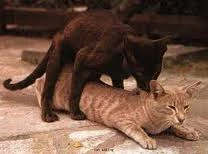
During mating, cats usually show a relaxed posture. The male cat mounts the female from behind, and both tend to remain relatively still. The female may crouch low with her hindquarters raised, indicating receptiveness.
Fighting postures, on the other hand, are aggressive and tense. Cats face each other directly, often standing sideways to look bigger. Their bodies are stiff, with raised fur and arched backs. This posture signals readiness to attack or defend.
Tail Positions
Tail position says a lot about a cat’s mood. When mating, the male’s tail is often held low or to the side, while the female’s tail is raised and sometimes twitching slightly. This tail position helps facilitate the mating process.
In a fight, tails are usually puffed up and held straight up or low and twitching rapidly. A lashing tail often means irritation or aggression. Watch carefully—tail movements can change quickly, showing shifting intentions.
Ear Movements
During mating, cats’ ears are generally relaxed and facing forward. They rarely flatten their ears because they are not threatened or angry. The ears may twitch occasionally as they respond to sounds around them.
In contrast, fighting cats often have ears flattened back against their heads. This is a clear sign of aggression or fear. You might also notice quick ear swivels as they stay alert to their opponent’s moves.

Credit: www.reddit.com
Vocal Sounds
Vocal sounds are a key clue in understanding whether cats are mating or fighting. Paying close attention to the types of noises your cats make can help you interpret their behavior accurately. These sounds vary widely, from soft calls to harsh growls, each with a different meaning.
Mating Calls
During mating, female cats often make loud, repetitive yowling sounds. These calls can seem urgent or even desperate, designed to attract male cats nearby. Males respond with softer, persistent meows or chirps as they approach, signaling interest rather than aggression.
If you hear a cat making strange, almost plaintive noises at night, ask yourself—could this be a mating call rather than a fight? These vocalizations tend to be rhythmic and less harsh than fighting sounds.
Aggressive Hissing
Hissing is a clear sign of fear or aggression. Cats hiss loudly and sharply to warn others to back off. If you hear sharp, quick hisses mixed with spitting, it’s a strong indicator that the cats are fighting or about to fight.
The hiss is usually accompanied by body language like arched backs and puffed fur. So, if you hear these sounds, watch their posture closely to confirm if it’s aggression rather than mating behavior.
Growls And Yowls
Growling and yowling sound similar but serve different purposes depending on context. Growls are low, rumbling sounds that indicate a cat feels threatened or defensive. Yowls, on the other hand, can be part of mating rituals or aggressive disputes, depending on tone and intensity.
Have you noticed if the growling is continuous or if the yowling changes pitch? Continuous growls usually mean a fight, while fluctuating yowls might suggest mating activity. Listening carefully to these nuances will help you tell the difference.
Physical Contact
Physical contact reveals a lot about cat behavior. It helps distinguish between mating and fighting. Cats use their bodies to communicate feelings and intentions. Observing how they touch each other clarifies their interaction.
Gentle Nuzzling
Cats mating often show soft, gentle nuzzling. They rub heads and bodies lightly. This shows comfort and affection. The touch is slow and calm, with no signs of stress. It looks more like a friendly greeting than a fight.
Biting And Swatting
Fighting cats bite hard and swat quickly. Their claws may be out, ready to scratch. The bites hurt and aim to push the other away. The movements are fast and tense. You might hear growling or hissing sounds along with the bites.
Chasing Patterns
During mating, chasing is part of a playful dance. One cat follows the other with steady, smooth steps. The chaser pauses and waits, showing patience. In fights, chasing is aggressive and urgent. The cats run fast, trying to catch and harm each other.
Behavioral Context
The behavior of cats can seem confusing at times. Watching two cats together, you might wonder if they are mating or fighting. Understanding the context helps clarify their actions. Their behavior changes with the situation around them.
Time Of Year
Cat mating often happens in certain seasons. Spring and early summer are common times. Cats are more active and social during these months. Fighting can occur any time but is less tied to seasons. Noticing the time of year gives a clue about their behavior.
Presence Of Female In Heat
A female cat in heat causes unique behaviors. Male cats become more interested and may show mating attempts. This includes chasing and gentle biting, not hard fighting. Without a female in heat, aggressive behavior is more likely a fight. Watch for signs like loud calls or restlessness in the female.
Territorial Behavior
Cats protect their space strongly. Fighting often happens over territory. Growling, hissing, and aggressive postures show territorial defense. Mating behavior is less about space and more about interaction between cats. If cats appear tense and defensive, they are likely fighting to protect territory.
Signs After Interaction
Observing cats after their interaction reveals important clues. Their behavior can show if they were mating or fighting. Signs after interaction help you understand their relationship and mood.
Calm And Grooming
Cats that mate often appear calm afterward. They may groom each other gently. This behavior shows comfort and bonding. Grooming helps reduce tension and builds trust.
In contrast, cats that fight usually avoid grooming. They may act tense or restless. Their body language looks guarded. Calm and grooming indicate a peaceful encounter.
Signs Of Injury
Check cats for any wounds or scratches after they interact. Fighting often causes visible injuries. Look for bleeding, swelling, or limping.
Mating rarely leads to injuries. Minor scratches could happen but are less common. Injuries point to aggression, not affection.
Separation Behavior
After mating, cats often stay close for a while. They might lie near each other or follow one another. This shows a positive connection.
After fighting, cats quickly separate and avoid contact. They may hiss or growl if forced together. Separation behavior reveals if the encounter was hostile or friendly.
Credit: cats.fandom.com
Frequently Asked Questions
How Can I Tell If Cats Are Mating Or Fighting?
Mating cats show gentle, rhythmic movements and vocalizations. Fighting cats hiss, growl, and swipe aggressively. Look for relaxed body language in mating and tense, defensive postures in fighting.
What Sounds Do Cats Make When Mating Versus Fighting?
Mating cats often purr or make soft meowing sounds. Fighting cats hiss, yowl loudly, or growl. Distinct vocal tones help identify if cats are mating or in conflict.
Are There Specific Body Postures Indicating Mating Or Fighting?
Yes, mating cats display relaxed, close body contact and tail raising. Fighting cats arch backs, puff fur, and keep ears flat. Body posture clearly signals whether cats are mating or fighting.
How Long Does Cat Mating Behavior Usually Last?
Cat mating typically lasts a few minutes, with short bursts of activity. Fighting can last longer, often until one cat retreats. Duration helps differentiate mating from fighting behavior.
Conclusion
Cats can show similar actions when mating or fighting. Watch their body language and sounds closely. Mating cats are usually calmer and more gentle. Fighting cats look tense and make loud hissing or growling noises. Knowing these signs helps keep cats safe and happy.
Pay attention to their behavior every time. This helps you understand your cats better. Caring for cats means watching how they act. It also means giving them space when needed. Simple observation makes a big difference.

Lily Purrington is the founder of MyKittyPicks.com, a cozy corner of the web dedicated to helping cat lovers discover the best cat products, furniture, toys, and home decor ideas.
A lifelong cat enthusiast, Lily shares trusted tips, honest product recommendations, and stylish inspiration designed to keep kitties happy and homes beautiful.
Her mission is simple: to bring together practical advice and purr-fect picks that make life better for cats and the people who love them.


