

Your cat’s smile is more than just adorable—it’s a key sign of their overall health. But did you know that many cats suffer from dental problems without showing obvious signs?
If you want to keep your furry friend happy and pain-free, learning how to take care of cat teeth is essential. You’ll discover simple, effective steps to protect your cat’s teeth and prevent costly vet visits. Ready to become your cat’s dental hero?
Let’s dive in!
Importance Of Cat Dental Care
Cat dental care is key to keeping your pet happy and healthy. Their teeth affect more than just eating. Clean teeth help prevent pain and serious diseases. Regular care supports your cat’s overall well-being.
Health Risks Of Poor Dental Hygiene
Poor dental hygiene can cause many health problems in cats. Plaque and tartar buildup lead to gum disease. This causes pain and bad breath. Untreated infections can spread to the heart and kidneys. It may even affect your cat’s life span. Tooth loss is common without proper care.
Benefits Of Maintaining Clean Teeth
Keeping your cat’s teeth clean offers many benefits. It prevents tooth decay and gum disease. Your cat stays comfortable and free from pain. Fresh breath improves your bond during close moments. Healthy teeth help your cat eat properly. Regular dental care supports a longer, happier life.
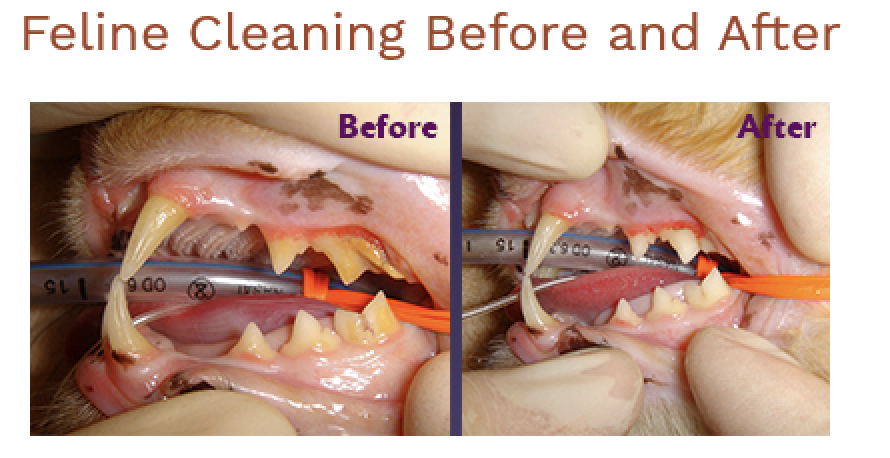
Credit: www.cummingvetclinic.com
Signs Of Dental Problems In Cats
Recognizing the signs of dental problems in your cat can save them from pain and costly treatments. Cats are masters at hiding discomfort, so spotting subtle changes early is crucial. Let’s look at some common indicators that your feline friend might be struggling with oral health issues.
Bad Breath And Drooling
Have you noticed your cat’s breath smelling unusually foul? Persistent bad breath is often the first visible sign of dental trouble. Excessive drooling can also signal discomfort or infection in the mouth, especially if it’s a new behavior.
Watch for saliva that looks thicker or contains blood. These symptoms often mean your cat’s teeth or gums are inflamed. Ignoring these signs could lead to worsening pain or tooth loss.
Difficulty Eating Or Pawing At Mouth
If your cat starts eating less or drops food while chewing, they might be experiencing dental pain. Pawing at their mouth is another clear sign they are uncomfortable. You might also see them avoiding hard kibble or favoring one side when chewing.
Notice if your cat suddenly becomes picky or reluctant to eat. This change can indicate sore teeth or ulcers. Would you eat if your mouth hurt? Your cat’s behavior can tell you a lot about their pain level.
Red Or Swollen Gums
Healthy cat gums are usually a pale pink. If you spot redness, swelling, or bleeding gums, your cat could have gingivitis or another infection. These conditions often cause discomfort and need prompt attention.
Try gently lifting your cat’s lips to check their gum color regularly. Spotting inflammation early can prevent serious dental diseases. Have you ever seen your cat’s gums looking different than usual?
Daily Dental Care Routine
Keeping your cat’s teeth healthy is vital. A daily dental care routine can prevent problems. Cats need clean teeth and gums for overall well-being. Establishing this routine helps maintain their health. Consistency is key for effective dental care.
Brushing Your Cat’s Teeth
Brushing your cat’s teeth may seem challenging. Start slowly to make them comfortable. Use gentle motions to clean each tooth. Focus on the gum line as well. Regular brushing helps reduce plaque and tartar. Be patient and calm during this process.
Choosing The Right Toothbrush And Toothpaste
Selecting the right tools is important. Choose a toothbrush designed for cats. These often have soft bristles. They are gentle on your cat’s gums. Cat-specific toothpaste is also crucial. Human toothpaste can harm cats. Ensure the toothpaste is safe and effective for pets.

Credit: www.pawsatprospectvet.com.au
Diet And Dental Health
Diet plays a key role in maintaining your cat’s dental health. The right foods help keep teeth clean and gums strong. Feeding your cat a balanced diet supports overall oral hygiene and reduces plaque buildup. Choosing proper food also helps prevent bad breath and dental diseases.
Foods That Promote Healthy Teeth
Some foods naturally clean teeth and fight bacteria. Dry kibble can help scrape off plaque as your cat chews. Look for dental-specific cat foods designed to improve oral health. These foods often contain ingredients that reduce tartar and freshen breath.
- Dry dental kibble with a crunchy texture
- Raw meaty bones (for cats that can chew safely)
- Foods rich in omega-3 fatty acids
- Cat treats with added dental enzymes
Always provide fresh water to help rinse the mouth and wash away food particles.
Avoiding Harmful Treats
Some treats cause more harm than good to cat teeth. Sticky, sugary, or soft treats can stick to teeth and cause decay. Avoid giving your cat human food with high sugar or salt content. Hard bones or objects that can break teeth must also be avoided.
- Do not give sugary or sticky treats
- Avoid cooked bones that splinter easily
- Skip processed snacks made for dogs or other animals
- Limit treats to prevent excess plaque buildup
Choosing safe, healthy treats helps maintain strong teeth and gums.
Dental Chews And Toys
Dental chews and toys are more than just fun distractions for your cat—they play a crucial role in maintaining their oral health. Chewing helps reduce plaque buildup and keeps your cat’s teeth and gums strong. Adding the right chews and toys to your cat’s routine can make dental care easier and more effective.
Benefits Of Chewing For Oral Health
Chewing naturally scrapes away plaque and tartar from your cat’s teeth. This action helps prevent bad breath and gum disease, which are common issues in cats.
Regular chewing also stimulates saliva production. Saliva is important because it washes away food particles and bacteria, keeping your cat’s mouth cleaner.
Have you noticed how your cat prefers certain toys or treats? Their chewing preferences can guide you in choosing the best dental aids that they’ll actually use.
Safe Chewing Options
Not all chews and toys are safe for cats. Avoid anything too hard, like bones or plastic, as these can damage teeth or cause choking.
- Rubber or silicone toys:These are gentle on teeth and durable enough for regular chewing.
- Dental-specific treats:Look for chews designed to reduce plaque, often with natural ingredients.
- Catnip-infused toys:These encourage chewing through scent, making dental care more enjoyable.
Always supervise your cat when introducing new chews or toys. Watch for any signs of discomfort or excessive chewing that might harm their teeth.
Professional Dental Care
Professional dental care is a key part of keeping your cat’s teeth healthy and pain-free. Regular visits to the vet help catch problems before they turn serious. It also ensures your cat gets the right treatment to maintain good oral health.
When To Schedule Vet Checkups
Most vets recommend dental checkups at least once a year. But if your cat shows signs like bad breath, difficulty eating, or swollen gums, you should book an appointment sooner.
Older cats or those with a history of dental issues might need more frequent visits. Ask your vet what schedule fits your cat’s specific needs. Don’t wait for visible problems—early detection can save your cat discomfort and costly treatments later.
What To Expect During Dental Cleanings
Dental cleanings usually require anesthesia so your cat stays still and pain-free. The vet will carefully clean plaque and tartar from all teeth surfaces, including below the gum line where issues often hide.
They will also check for cavities, loose teeth, or signs of infection. If needed, the vet might polish the teeth and apply treatments to strengthen enamel. After the cleaning, your cat might feel a bit groggy but will recover quickly.
Have you noticed your cat’s behavior change after a dental cleaning? Many owners say their cats eat better and seem happier once the pain is gone. This shows how important professional care is for your cat’s overall well-being.
Preventing Dental Diseases
Preventing dental diseases in cats is essential for their overall health. Healthy teeth help cats eat comfortably and avoid pain. Regular care can stop many problems before they start. Early attention keeps your cat happy and active.
Regular Monitoring And Maintenance
Check your cat’s teeth often. Look for signs like bad breath, red gums, or drooling. Brush your cat’s teeth with a pet-safe toothpaste. Start slowly to help your cat get used to it. Use dental treats and toys to reduce plaque buildup. Schedule yearly vet visits for professional dental checks. Early detection helps avoid serious issues.
Common Dental Conditions In Cats
Cats can suffer from several dental problems. These include:
- Gingivitis – gum inflammation causing redness and swelling.
- Periodontal disease – infection affecting gums and bones.
- Tooth resorption – teeth breaking down and causing pain.
- Stomatitis – painful inflammation inside the mouth.
These conditions cause discomfort and affect eating. Treating them early improves your cat’s quality of life.

Credit: justcatsclinic.com
Frequently Asked Questions
How Often Should I Brush My Cat’s Teeth?
Brushing your cat’s teeth daily is ideal for preventing dental issues. If daily brushing is difficult, aim for at least 3 times a week. Use a cat-specific toothbrush and toothpaste to ensure safety and effectiveness in maintaining oral health.
What Foods Help Maintain Healthy Cat Teeth?
Dry kibble can help reduce plaque buildup by gently scraping teeth. Avoid sugary treats and human food, which promote dental problems. Feeding your cat a balanced diet with dental-specific formulas supports strong teeth and healthy gums.
How Can I Recognize Dental Problems In Cats?
Look for bad breath, drooling, difficulty eating, or pawing at the mouth. Red or swollen gums and loose teeth are signs of dental disease. Regular veterinary checkups help detect problems early and prevent serious issues.
Are Dental Treats Effective For Cat Oral Care?
Dental treats can reduce tartar and freshen breath when used regularly. Choose treats approved by veterinary dental organizations for safety and effectiveness. Combine treats with brushing and vet visits for comprehensive dental care.
Conclusion
Caring for your cat’s teeth keeps them healthy and happy. Brush their teeth gently and regularly. Offer dental treats or toys to help clean teeth naturally. Watch for signs of pain or bad breath. Regular vet check-ups catch problems early.
Healthy teeth mean a healthier cat overall. Small daily efforts make a big difference. Your cat will thank you with a bright smile. Keep these simple steps in mind to protect their teeth. Good dental care supports their long and joyful life.

Lily Purrington is the founder of MyKittyPicks.com, a cozy corner of the web dedicated to helping cat lovers discover the best cat products, furniture, toys, and home decor ideas.
A lifelong cat enthusiast, Lily shares trusted tips, honest product recommendations, and stylish inspiration designed to keep kitties happy and homes beautiful.
Her mission is simple: to bring together practical advice and purr-fect picks that make life better for cats and the people who love them.


