

Is your cat acting bossy around the house? Does your furry friend seem to rule over you and other pets with an iron paw?
If you’re tired of your cat’s dominant behavior causing stress and tension, you’re not alone. Understanding how to stop dominant cat behavior can bring peace back to your home and strengthen the bond between you and your pet. Keep reading, because you’ll discover simple, effective steps that can help you regain control and create a happier environment for both you and your cat.
:strip_icc()/pregnant-woman-petting-cat-86284426-590b62675f9b586470a35a82.jpg)
Credit: www.thesprucepets.com
Signs Of Dominant Cat Behavior
Dominant cat behavior shows through various signs that affect your home life. Recognizing these signs helps you address the problem early. Cats use behavior to establish control and status among other pets and people.
Understanding these signals is key to managing a dominant cat. Some behaviors might seem normal but hint at dominance. Watch carefully for patterns and repeated actions.
Aggression And Territoriality
Dominant cats often show aggression to protect their space. They may hiss, growl, or swipe at other pets or people. This aggression marks their territory and warns others to stay away.
Territorial behavior includes blocking doorways or sitting in key spots. The cat may patrol the house and chase away other animals. This behavior makes the cat feel in control of its environment.
Marking And Scratching
Marking is a common way dominant cats claim their area. They rub their face or body against furniture, walls, or people. This leaves their scent, signaling ownership.
Scratching is another marking behavior. The cat scratches surfaces to leave visual marks and scent from glands in their paws. This keeps other cats aware of their territory boundaries.
Body Language Cues
Dominant cats use body language to express power and confidence. They stand tall with ears forward and tail up. This posture shows they are alert and ready to act.
They may stare without blinking to intimidate others. A slow blink can mean trust, but a hard stare often means challenge. Watch for stiff muscles and raised fur, which show readiness to defend.
Causes Of Dominance In Cats
Understanding the causes of dominance in cats is essential if you want to change their behavior effectively. Dominance often stems from natural instincts or environmental factors that push your cat to assert control. By identifying these causes, you can tailor your approach to help your cat feel more secure and balanced.
Social Hierarchy
Cats naturally establish a social order, especially when multiple cats live together. Your dominant cat may be trying to secure a top spot in this hierarchy to feel safe and in control. Have you noticed if your cat guards certain areas or resources like food bowls or favorite resting spots? This behavior often signals their attempt to maintain dominance.
Lack Of Stimulation
Boredom can drive your cat to act out and behave dominantly. Without enough mental and physical activity, cats may use dominance to gain attention or control their environment. Think about your cat’s daily routine—does it include playtime, hunting simulations, or interactive toys? Adding these elements can reduce dominance by keeping your cat engaged and satisfied.
Stress And Anxiety
Stress can push a cat to behave more aggressively or dominantly as a way to cope. Changes in the home, new pets, or inconsistent routines can trigger anxiety and cause your cat to act out. Ask yourself if any recent changes could be affecting your cat’s sense of security. Addressing stressors can calm your cat and lessen dominant behaviors significantly.
Creating A Balanced Environment
Creating a calm space helps reduce a dominant cat’s need to control. Giving each cat their own area limits conflicts and promotes peace. Consistent routines also help cats feel safe and balanced.
Creating a harmonious environment for cats is crucial. Dominant behavior often arises from environmental imbalance. Cats need spaces that cater to their instincts and personal needs. By making small changes, you can create a balanced environment that discourages dominance.Providing Personal Spaces
Cats need their own spaces. Personal spaces help reduce territorial conflicts. Designate areas in your home for each cat. Use cozy beds or blankets for comfort. These areas serve as safe retreats. Ensure they are quiet and away from busy zones. Cats feel secure when they have a personal spot.Using Vertical Territory
Vertical spaces can greatly enhance a cat’s environment. Install shelves or cat trees for climbing. These spaces give cats a sense of control. Elevated areas are perfect for observing their surroundings. They also help reduce territorial disputes. Ensure these structures are stable and safe. Cats love the adventure vertical spaces offer.Maintaining Consistent Routines
Cats thrive on routine. Consistency in feeding and playtimes is essential. Regular routines reduce stress and anxiety. Predictable schedules make cats feel secure. Consistent interaction times build trust and bonding. Feed and play with your cats at the same times daily. This predictability helps balance their behavior.Training Techniques To Reduce Dominance
Training techniques can help reduce dominant behavior in cats. They teach your cat how to behave and respect boundaries. These methods build trust and improve your relationship.
Positive Reinforcement
Use treats and praise to reward good behavior. This encourages your cat to repeat those actions. Ignore unwanted behavior instead of punishing it. Consistency is key for success.
Redirecting Aggression
Provide toys or activities to channel your cat’s energy. This helps prevent aggressive acts toward people or other pets. Play sessions can reduce stress and frustration. Offer new toys regularly to keep your cat interested.
Establishing Boundaries
Set clear rules about where your cat can go and what it can do. Use gentle but firm signals to enforce limits. Avoid physical punishment as it increases fear and aggression. Make sure all family members follow the same rules.
Role Of Play And Enrichment
Play and enrichment play a big role in managing dominant cat behavior. Cats use play to express energy and emotions. Without proper outlets, dominance issues may grow. Providing toys and activities helps redirect your cat’s focus.
Engaging your cat in regular play keeps them active and happy. It also builds trust between you and your pet. Mental and physical stimulation reduces stress and frustration. This makes your cat less likely to act out aggressively.
Interactive Toys
Interactive toys keep your cat busy and engaged. Toys like feather wands and laser pointers mimic hunting. These toys help satisfy natural hunting instincts. Puzzle feeders also challenge your cat’s mind while rewarding with treats. Rotate toys often to keep interest high.
Scheduled Playtime
Set specific times for play every day. Regular sessions create routine and structure for your cat. Play before meals to mimic hunting and eating cycles. Short, frequent playtimes work best to burn energy. This reduces boredom and dominant behaviors.
Mental Stimulation Activities
Mental exercises keep your cat sharp and calm. Try training simple tricks with treats to engage their brain. Hide treats around the house for your cat to find. Use scratching posts and climbing trees to provide challenges. These activities help reduce stress and improve behavior.

Credit: us.feliway.com
When To Seek Professional Help
Recognizing when your cat’s dominant behavior needs more than just home management is crucial. Sometimes, the signs go beyond typical stubbornness or territorial actions and can indicate deeper issues. Knowing when to seek professional help can save your cat from stress and help you regain harmony at home.
Behavioral Specialists
Behavioral specialists are trained to understand the complex reasons behind dominant behavior in cats. They observe your cat’s actions and environment to identify triggers you might miss. Have you noticed your cat becoming aggressive only in certain rooms or around specific people? A specialist can tailor strategies to address those exact situations.
These experts don’t just tell you what to do—they work alongside you, providing step-by-step support. This partnership often leads to more lasting changes than trying to handle the issue alone.
Veterinary Advice
Sometimes, dominant behavior masks underlying health problems. If your cat suddenly becomes more aggressive or territorial, a vet checkup is essential. Pain, illness, or hormonal imbalances can cause behavior changes that look like dominance but need medical treatment.
Your vet can rule out or confirm these causes and recommend next steps. Don’t ignore subtle signs like changes in appetite, grooming, or litter box habits—they might be clues to something bigger.
Medication Options
In certain cases, medication can help manage dominant or aggressive behavior in cats. This isn’t about “fixing” your cat’s personality but about reducing anxiety or irritability that fuels dominance.
Medications should always be prescribed and monitored by a vet. Pairing medication with behavior modification techniques often produces the best results. Ask yourself: is the behavior worsening despite your efforts? If yes, medication might be worth considering.
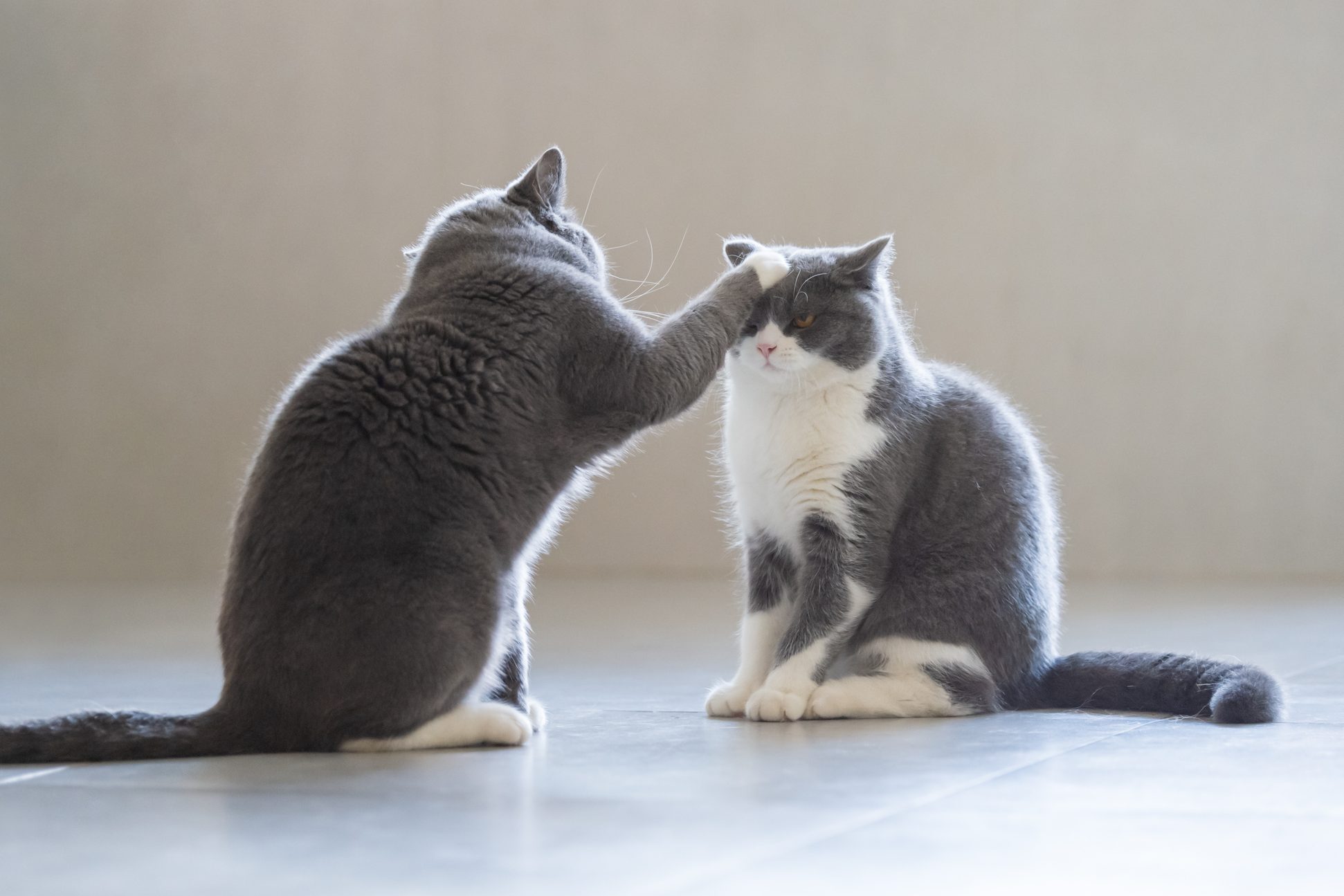
Credit: www.rd.com
Frequently Asked Questions
How Can I Identify Dominant Cat Behavior?
Dominant cat behavior includes territorial marking, aggressive posturing, and controlling resources. Watch for hissing, swatting, or blocking access to food and resting spots. Recognizing these signs early helps manage and reduce dominance effectively.
What Causes A Cat To Become Dominant?
Cats become dominant due to social hierarchy, stress, or lack of stimulation. Changes in environment or introduction of new pets can trigger dominance. Understanding causes helps tailor strategies to calm and balance your cat’s behavior.
How To Stop Aggressive Dominance In Cats?
Use positive reinforcement, consistent routines, and provide separate resources. Avoid punishment as it worsens aggression. Play therapy reduces stress and redirects energy. Patience and gradual behavior modification are key to stopping dominant aggression.
Can Neutering Reduce Dominant Behavior In Cats?
Yes, neutering often reduces territorial and aggressive dominance. It lowers hormone-driven behaviors like spraying and fighting. However, neutering alone may not solve all dominance issues; combine it with training and environmental enrichment.
Conclusion
Stopping dominant cat behavior takes patience and clear boundaries. Consistent training helps your cat learn respect and limits. Reward calm and gentle actions to encourage good habits. Avoid harsh punishments that may increase aggression or fear. Understanding your cat’s needs also reduces stress and dominance.
Small changes in your routine can make a big difference. Remember, building trust is key to a happy home. Keep observing and adjusting your approach as needed. Your calm and firm care will guide your cat to better behavior.

Lily Purrington is the founder of MyKittyPicks.com, a cozy corner of the web dedicated to helping cat lovers discover the best cat products, furniture, toys, and home decor ideas.
A lifelong cat enthusiast, Lily shares trusted tips, honest product recommendations, and stylish inspiration designed to keep kitties happy and homes beautiful.
Her mission is simple: to bring together practical advice and purr-fect picks that make life better for cats and the people who love them.


