
You just discovered your cat has been sprayed by a skunk, and the smell is unbearable. You want to get rid of that strong, nasty odor quickly and safely—for both your cat and your home.
Luckily, you’re in the right place. This guide will show you simple, effective ways to remove skunk odor from your cat without causing stress or harm. Keep reading, because the sooner you act, the faster you’ll have your furry friend smelling fresh again.
Credit: www.petscare.com
Why Skunk Odor Is Tough
Skunk odor is one of the most stubborn smells to remove, especially from a cat’s fur. The smell sticks quickly and deeply. It does not wash away with simple soap or water. This makes cleaning a real challenge for pet owners. Understanding why skunk odor is tough helps in choosing the right cleaning method.
Chemical Makeup Of Skunk Spray
Skunk spray contains sulfur-based compounds called thiols. These molecules have a strong, unpleasant smell. Thiols evaporate slowly, which means the odor lingers for days. They react with air and skin oils, making the smell stick even more. The chemical structure causes the odor to penetrate fur deeply. This is why normal cleaning products often fail to remove it.
How Odor Clings To Fur
Cat fur has tiny fibers that trap oils and particles. Skunk spray attaches to these fibers tightly. The natural oils on fur mix with the skunk spray chemicals. This combination keeps the smell locked in. Cats groom themselves, which spreads the odor further. The smell can transfer to your hands and home. Removing skunk odor requires breaking down these chemical bonds and lifting the smell from the fur.
Credit: www.walmart.ca
Immediate Steps After Spraying
Dealing with a skunk-sprayed cat is stressful, but acting quickly can make all the difference. The moments right after your cat gets sprayed are critical for minimizing the odor and keeping your pet safe. Focusing on calming your cat and avoiding cleaning mistakes sets the stage for effective odor removal.
Keep Your Cat Calm And Contained
Your cat will likely be scared and agitated after a skunk encounter. Keeping them calm helps prevent further spreading of the odor around your home. Find a quiet room where your cat can stay contained and feel safe.
Use a soft voice and gentle petting to soothe your cat if they allow it. Avoid chasing or grabbing them aggressively, which will only increase their stress. You might want to wrap your cat gently in a towel to keep them still during the initial cleaning.
Have you noticed how cats pick up on your mood? Staying calm yourself can help your cat relax faster. This calm environment also makes the cleaning process easier and safer for both of you.
Avoid Common Cleaning Mistakes
It’s tempting to rush and use harsh chemicals or household cleaners that promise quick results. However, some cleaning agents can harm your cat’s skin or worsen the smell. Avoid using ammonia, bleach, or vinegar directly on your pet.
Plain water won’t cut it either—it won’t neutralize the skunk oils effectively. Instead, prepare a gentle homemade solution using ingredients like baking soda, hydrogen peroxide, and mild dish soap. This mix breaks down the skunk oils safely and reduces odor.
Don’t try to bathe your cat immediately in regular shampoo. It won’t remove the skunk oils and might irritate their skin. Also, avoid prolonged scrubbing or soaking, which can stress your cat further and damage their fur.
Have you ever cleaned up something smelly only to make it worse? Taking your time with the right solutions and methods avoids that frustration while keeping your cat comfortable.
Homemade Remedies That Work
Skunk encounters can be distressing for cats and their owners. The pungent odor often lingers, creating an unpleasant atmosphere at home. Fortunately, some effective homemade remedies can neutralize this smell. These solutions are easy to prepare and use ingredients commonly found in your kitchen. Let’s explore some tried-and-tested methods to restore your cat’s fresh scent.
Baking Soda And Hydrogen Peroxide Mix
This method is a popular choice for its effectiveness. Start by gathering these ingredients:
- 1 quart of 3% hydrogen peroxide
- 1/4 cup of baking soda
- 1 teaspoon of liquid dish soap
Mix them in a large bowl. Ensure you create a bubbly solution. Do not store this mixture. It can explode if capped. Wet your cat’s fur with water. Apply the solution carefully. Avoid the eyes, ears, and mouth. Let it sit for five minutes. Rinse thoroughly with warm water. Repeat if necessary. Pat the fur dry with a towel.
Vinegar And Dish Soap Solution
Vinegar is another great odor neutralizer. Prepare this simple mixture:
- 1 cup of white vinegar
- 1/2 cup of water
- 1 teaspoon of liquid dish soap
Combine the ingredients in a spray bottle. Shake well before use. Spray the solution on your cat’s fur. Ensure even coverage. Avoid sensitive areas like the face. Massage gently into the fur. Let it sit for five minutes. Rinse thoroughly with warm water. Dry the fur with a towel.
Commercial Products For Odor Removal
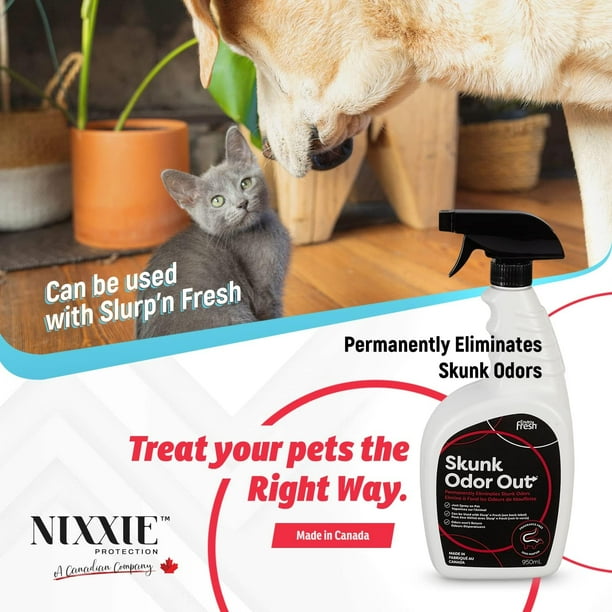
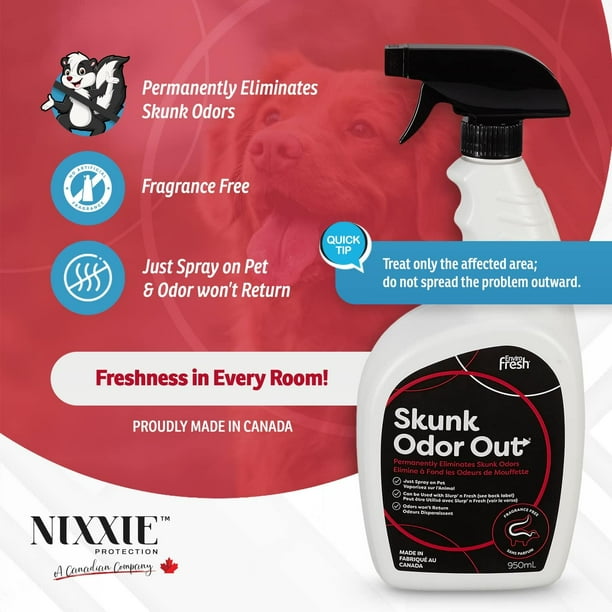
Commercial products offer practical solutions to remove skunk odor from cats. These products are designed to break down the strong chemicals that cause the smell. They are easy to use and widely available at pet stores and online.
Using the right product can save time and reduce stress for both you and your cat. Many of these products are safe and gentle on your pet’s skin and fur. Always follow the instructions on the label for best results.
Skunk Odor Neutralizing Shampoos
Skunk odor neutralizing shampoos are specially made to fight the smell. They contain ingredients that target and remove the skunk oils. These shampoos clean deeply and leave your cat smelling fresh.
- Apply the shampoo thoroughly on your cat’s fur.
- Work it into a rich lather, covering all affected areas.
- Let it sit for a few minutes to break down the odor molecules.
- Rinse well with warm water, repeating if necessary.
Many shampoos also help soothe irritated skin caused by skunk spray. Choose one made for sensitive skin to avoid discomfort. Regular use may be needed for strong odors.
Enzyme-based Cleaners
Enzyme-based cleaners use natural enzymes to break down skunk odor molecules. These cleaners work by digesting the oils instead of just masking the smell. They are effective on fur, bedding, and other surfaces.
- Spray or apply the cleaner on the affected area.
- Allow time for enzymes to work, usually 10-15 minutes.
- Wipe or rinse off as directed by the product instructions.
Enzyme cleaners are non-toxic and safe for pets and humans. They also help prevent the odor from returning. Keep these cleaners handy for quick and thorough odor removal.
Bathing Tips For Your Cat
Bathing your cat after a skunk spray is essential to remove the strong odor. The process requires care and patience. Cats dislike water, so gentle handling helps reduce stress. Using the right products and techniques can protect your cat’s skin and fur. Prepare everything before you start to make the bath quick and smooth.
How To Safely Bathe A Skunked Cat
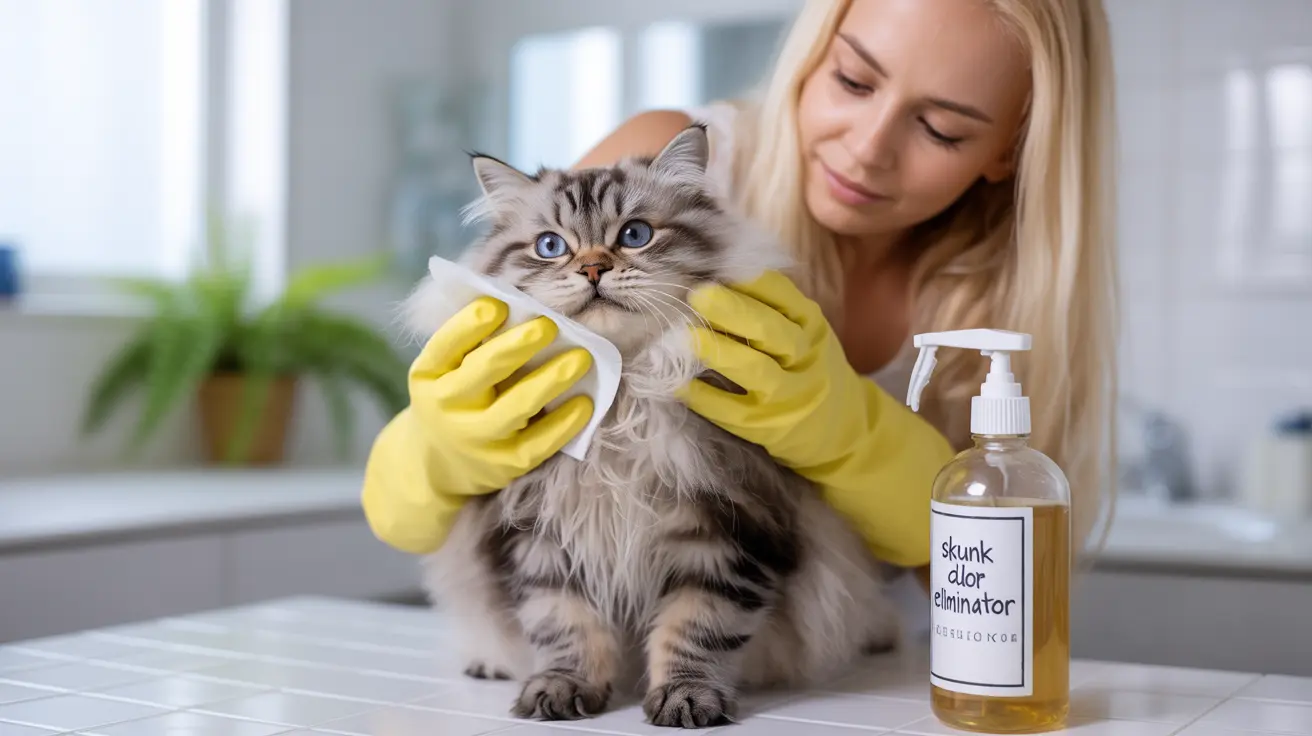
- Wear gloves to protect your hands from the smell and chemicals.
- Use lukewarm water, not too hot or cold, to keep your cat comfortable.
- Choose a pet-safe shampoo or a homemade mixture designed to neutralize skunk odor.
- Keep your cat’s head dry to avoid water in the ears and eyes.
- Gently apply shampoo, focusing on the fur, especially where the spray hit.
- Rinse thoroughly to remove all shampoo and odor residues.
- Use a towel to quickly dry your cat’s face and ears.
Drying And Post-bath Care
- Wrap your cat in a soft, dry towel to absorb water.
- Use multiple towels if your cat’s fur is thick or long.
- Keep your cat in a warm, draft-free room until fully dry.
- Brush the fur gently to prevent matting and remove loose hair.
- Offer treats and calm words to reward your cat’s patience.
- Monitor your cat for any skin irritation or unusual behavior after the bath.

Credit: www.reddit.com
Preventing Future Encounters
Preventing future skunk encounters is key to keeping your cat safe and odor-free. Taking steps to make your yard less inviting to skunks reduces the chances of another spraying incident. Training your cat to avoid skunks also helps protect them. Both strategies work together to keep your pet and home fresh.
Deterring Skunks From Your Yard
Skunks are drawn to food and shelter. Removing these attractions can keep them away.
- Secure trash cans with tight lids.
- Clear fallen fruit, birdseed, and pet food from the yard.
- Seal any holes under decks or sheds where skunks could hide.
- Use motion-activated lights or sprinklers to startle skunks.
- Plant strong-smelling herbs like lavender or mint to repel skunks.
Training Your Cat To Avoid Skunks
Teaching your cat to steer clear of skunks lowers the risk of odor problems.
- Supervise your cat outside, especially at night.
- Use a leash or harness for controlled outdoor time.
- Introduce your cat to the skunk’s scent in small, safe amounts.
- Reward your cat with treats when it moves away from the skunk smell.
- Practice commands like “come” or “leave it” to keep your cat safe.
When To See A Vet
Skunk spray can cause more than just a bad smell for your cat. It may lead to health problems that need veterinary care. Knowing when to see a vet helps protect your cat’s well-being. Watch your cat closely after exposure to skunk odor.
Signs Of Health Issues After Exposure
- Difficulty breathing or coughing
- Swelling around the eyes or face
- Excessive drooling or pawing at the mouth
- Red or irritated skin where the spray touched
- Vomiting or diarrhea
- Lethargy or weakness
- Loss of appetite
Any of these signs require immediate veterinary attention. Skunk spray can irritate your cat’s eyes and skin. It can also cause breathing problems. The vet can provide medicine or treatment. Do not wait to get help if symptoms worsen.
Professional Odor Removal Services
Some odors are very hard to remove at home. Professional services use special cleaning products and techniques. They can safely clean your cat and your home. These services reduce the chance of skin irritation. They also help avoid repeated exposure to the strong smell.
Consider professional odor removal if the smell persists after home treatments. They provide thorough cleaning that protects your cat’s health. This support is especially helpful if your cat has sensitive skin or health issues.
Frequently Asked Questions
How To Safely Clean Skunk Odor From A Cat?
Use a homemade solution of hydrogen peroxide, baking soda, and dish soap. Avoid harsh chemicals. Rinse thoroughly and repeat if needed. Always wear gloves and keep the cat calm during cleaning.
What Home Remedies Remove Skunk Smell From Cats?
A mixture of hydrogen peroxide, baking soda, and dish soap neutralizes skunk odor effectively. Avoid vinegar or bleach. Rinse well and dry the cat completely after washing.
How Long Does Skunk Odor Last On Cats?
Skunk odor can last several days if untreated. Proper cleaning reduces the smell quickly. Persistent odor may require repeated washing or professional help.
Can I Use Commercial Products To Remove Skunk Smell?
Yes, some pet-safe commercial products work well. Choose those specifically designed for skunk odor. Follow the instructions carefully to avoid harming your cat’s skin.
Conclusion
Removing skunk odor from your cat takes patience and care. Act quickly to clean your pet gently and safely. Use trusted home remedies or special pet shampoos to remove the smell. Avoid harsh chemicals that may harm your cat’s skin.
Keep your cat calm during the cleaning process. Repeat treatments if the odor lingers. With time and effort, the skunk smell will fade away. Your cat will soon feel fresh and happy again. Caring for your pet after a skunk encounter is important.
Stay calm, be gentle, and your cat will recover well.

Lily Purrington is the founder of MyKittyPicks.com, a cozy corner of the web dedicated to helping cat lovers discover the best cat products, furniture, toys, and home decor ideas.
A lifelong cat enthusiast, Lily shares trusted tips, honest product recommendations, and stylish inspiration designed to keep kitties happy and homes beautiful.
Her mission is simple: to bring together practical advice and purr-fect picks that make life better for cats and the people who love them.


