
Does your home have that persistent cat smell that just won’t go away? You love your furry friend, but the odor can be frustrating and embarrassing, especially when guests come over.
The good news is, you don’t have to live with it. With a few simple changes and smart habits, you can keep your house smelling fresh and clean. Keep reading, and you’ll discover easy, effective ways to prevent your home from smelling like a cat—so you and your guests can enjoy a pleasant, inviting space every day.

Credit: www.reddit.com
Identify Common Cat Odor Sources
Cat odors can make your home uncomfortable. Knowing where smells come from helps you stop them.
Many cat smells come from places that need regular cleaning. This guide covers key sources of odor.
Litter Box Issues
Litter boxes are the most common source of cat smells. If not cleaned often, waste odors spread fast.
- Change litter at least once a week
- Scoop waste daily to reduce smell
- Use clumping litter for easy cleaning
- Place litter boxes in well-ventilated areas
- Wash the box with soap and water regularly
Cat Bedding And Toys
Cat bedding and toys can trap odors from fur, saliva, and oils. They need routine washing.
| Item | Recommended Cleaning Frequency |
| Bedding | Wash weekly in hot water |
| Soft Toys | Wash monthly or as needed |
| Hard Toys | Wipe with pet-safe cleaner weekly |
Uncleaned Accidents
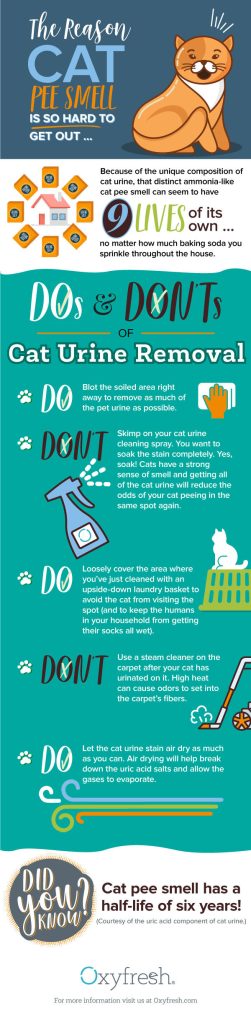
Accidents outside the litter box cause strong odors. Clean them quickly to stop smells.
Follow these tips for accident cleanup:
- Blot urine immediately with paper towels
- Use enzymatic cleaners to remove odor
- Avoid ammonia-based products that smell like urine
- Check carpets and furniture thoroughly
- Consider professional cleaning for deep stains
Maintain A Clean Litter Box
Keeping your cat’s litter box clean helps prevent bad smells in your house. Cats prefer clean spaces for their bathroom needs.
Regular cleaning stops odor from building up and keeps your home fresh.
Regular Scooping Schedule
Scoop the litter box at least once a day. This removes waste before smells start.
Check the box more often if you have multiple cats. Clean boxes make cats happy and healthy.
- Scoop waste every morning or evening
- Use a scoop with small holes to catch clumps
- Dispose of waste in a sealed bag
Deep Cleaning Tips
Empty the entire litter box once a week. Wash it with warm water and mild soap.
Dry the box fully before adding new litter. This helps stop bacteria and smells.
- Use gloves when cleaning
- Avoid strong chemicals that bother cats
- Scrub corners and edges well
- Rinse thoroughly to remove soap
Choosing The Right Litter
Pick a litter that controls odor well and clumps quickly. This makes cleaning easier.
Try unscented litters if your cat has a sensitive nose. Some litters absorb moisture better than others.
- Clumping clay litter for easy scooping
- Silica gel litter for strong odor control
- Natural litters like wood or corn
- Unscented options to avoid irritation
Wash Cat Bedding Frequently
Cat bedding can hold odors from fur, saliva, and litter. Washing it often helps keep your home fresh. Clean bedding also protects your cat’s health.
Regular washing removes dirt, allergens, and smells. It stops the house from smelling like a cat.
Best Cleaning Methods
Use warm water and pet-safe detergent to wash cat bedding. Avoid strong chemicals that can irritate your cat’s skin. Dry the bedding completely before use.
- Shake off loose fur before washing
- Use hot water to kill bacteria
- Choose fragrance-free detergent
- Dry bedding in sunlight if possible
- Wash at least once a week
Using Odor-neutralizing Products
Odor-neutralizing products help remove smells from cat bedding. Some sprays and additives work well in the wash. They keep bedding fresh longer.
| Product Type | Purpose | How to Use |
| Enzyme Cleaner | Breaks down urine and odor | Add to wash cycle |
| Baking Soda | Neutralizes odors | Mix with detergent |
| Odor-Removing Spray | Refreshes bedding | Spray on dry bedding |
Eliminate Accidental Smells
Accidental cat smells can make your home less fresh. These odors come from urine, feces, or vomit. Quickly removing these smells helps keep your house clean.
Use proper cleaning methods to stop smells from spreading. This guide covers spot cleaning and enzyme cleaners that work well.
Spot Cleaning Techniques
Spot cleaning removes fresh stains and odors fast. Clean the area as soon as you notice a mess. This stops smells from setting in.
- Blot the spot with paper towels to absorb moisture.
- Use cold water to rinse the stain gently.
- Apply a mild soap or pet-safe cleaner to the area.
- Blot again to lift the dirt and moisture.
- Let the spot air dry completely.
Effective Enzyme Cleaners
Enzyme cleaners break down odor-causing molecules. They work deep in carpets, furniture, and floors. These cleaners stop cats from smelling their old spots.
| Type of Cleaner | Best Use | How It Works |
| Liquid Enzyme Cleaner | Carpets and Upholstery | Breaks down urine proteins |
| Spray Enzyme Cleaner | Hard Floors and Walls | Penetrates surfaces to remove odors |
| Powder Enzyme Cleaner | Dry Stains and Fabrics | Absorbs and digests odor molecules |
Improve Home Ventilation
Good ventilation helps keep your home fresh and clean. It removes bad smells, including cat odors.
Fresh air lowers moisture and reduces smell buildup. This makes your home more comfortable.
Using Air Purifiers
Air purifiers clean the air by removing dust and odors. They can reduce the smell of cats in your house.
Choose an air purifier with a HEPA filter. It traps small particles that cause bad smells.
- Place the purifier in rooms where your cat spends time.
- Run it daily for best results.
- Clean or change filters as needed.
Opening Windows Regularly
Opening windows lets fresh air enter your home. This helps remove cat smells and stale air.
Try to open windows for 10-15 minutes each day. This improves airflow and refreshes the rooms.
- Open windows in different rooms to create a breeze.
- Use screens to keep insects out.
- Open windows more often in warm weather.
Use Natural Odor Absorbers
Cat smells can linger in your home even after cleaning. Natural odor absorbers help remove these smells without harsh chemicals. They are safe and easy to use around pets.
Using natural products keeps your house fresh and healthy. These absorbers trap and neutralize bad odors instead of just covering them up.
Baking Soda Applications
Baking soda is a popular natural odor absorber. It works by neutralizing acidic and basic odor molecules in the air.
You can sprinkle baking soda on carpets, furniture, or your cat’s bedding. Let it sit for 15-30 minutes, then vacuum it up. This helps remove trapped odors effectively.
- Sprinkle baking soda on carpet and rugs, then vacuum.
- Place open containers of baking soda near litter boxes.
- Sprinkle on pet bedding and wash after resting.
- Use baking soda in trash bins to reduce smells.
Activated Charcoal Benefits
Activated charcoal is another strong natural odor absorber. It traps odor molecules in its tiny pores, removing smells from the air.
You can buy activated charcoal in bags or containers. Place them in rooms where cat smells are strongest. Replace them every few months for best results.
- Put activated charcoal bags near litter boxes or furniture.
- Use charcoal air purifiers in rooms with pets.
- Place containers in closets or corners to absorb odors.
- Keep charcoal away from moisture to maintain its effectiveness.
Regular Grooming For Your Cat
Regular grooming keeps your cat clean and your house smelling fresh. It helps control hair and reduce odor.
Grooming also strengthens the bond between you and your pet. Let’s explore some key practices.
Brushing Frequency
Brushing your cat is important to reduce shedding and hairballs. It keeps their coat shiny and clean.
- Brush short-haired cats once a week.
- Long-haired breeds need brushing daily.
- Use a brush suitable for your cat’s fur type.
Bathing Tips
Bathing your cat can help eliminate odors. It is not needed often, but when done, it should be gentle.
| Item | Details |
| Frequency | Once every 4-6 weeks |
| Shampoo | Use cat-specific shampoo |
| Water Temperature | Lukewarm to avoid shock |

Credit: www.reddit.com
Choose Cat-friendly Air Fresheners
Cats can make your home smell. Choosing the right air fresheners helps a lot. Your cat's safety is most important.
Pick fresheners that are safe for pets. This keeps the air fresh and your cat healthy.
Safe Essential Oils
Essential oils can be safe if used right. Some oils are better for homes with cats.
Lavender and chamomile are gentle and soothing. They help mask odors without harming your pet.
- Lavender: Calms and smells nice
- Chamomile: Gentle and relaxing
- Rose: Sweet scent, safe for cats
Avoiding Harmful Chemicals
Some chemicals in air fresheners can hurt cats. Avoid anything with strong chemicals.
Check labels for toxic ingredients. Stay away from phenols and formaldehyde.
- Phenols: Found in many cleaners
- Formaldehyde: Can cause irritation
- Ammonia: Harmful to cats’ lungs

Credit: www.yahoo.com
Frequently Asked Questions
How Can I Stop My House From Smelling Like Cat Urine?
Regularly clean litter boxes with enzyme-based cleaners. Wash cat bedding and vacuum carpets often. Use air purifiers and keep windows open for ventilation to reduce odors effectively.
What Household Products Neutralize Cat Odors Best?
Baking soda absorbs odors well; sprinkle it on carpets and furniture. White vinegar mixed with water also neutralizes smells when sprayed lightly.
How Often Should I Clean My Cat’s Litter Box?
Clean the litter box daily to prevent odor buildup. Deep clean with soap and water weekly to keep smells minimal and maintain hygiene.
Can Air Purifiers Help Remove Cat Smells Indoors?
Yes, air purifiers with HEPA and carbon filters trap pet dander and odors, improving indoor air quality and reducing cat smells significantly.
Conclusion
Keeping your house fresh and free from cat odors takes effort. Clean your cat’s area often and use good litter. Ventilate rooms to let fresh air in. Wash fabrics that hold smells regularly. Using natural deodorizers can help too. Small daily habits make a big difference.
A clean home feels more comfortable for everyone. Enjoy a pleasant, odor-free space with these simple steps.

Lily Purrington is the founder of MyKittyPicks.com, a cozy corner of the web dedicated to helping cat lovers discover the best cat products, furniture, toys, and home decor ideas.
A lifelong cat enthusiast, Lily shares trusted tips, honest product recommendations, and stylish inspiration designed to keep kitties happy and homes beautiful.
Her mission is simple: to bring together practical advice and purr-fect picks that make life better for cats and the people who love them.


