
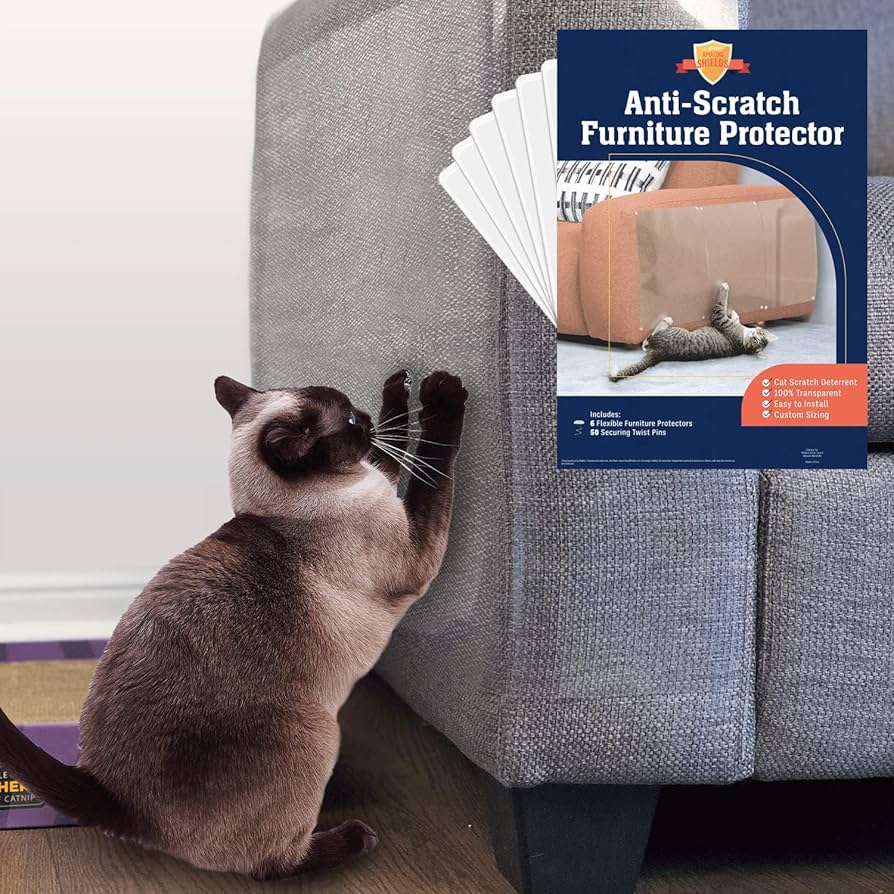
Is your favorite couch or chair covered in scratches? If you’ve caught your cat sharpening its claws on your furniture, you’re not alone—and you’re probably wondering how to stop it.
You want to protect your home without upsetting your furry friend. The good news is, there are simple, effective ways to keep your cat from clawing your furniture while keeping them happy. Keep reading to discover practical tips you can start using today to save your furniture and enjoy a peaceful home with your cat.

Credit: www.amazon.com
Why Cats Claw Furniture
Cats use their claws for many reasons. Scratching is a natural behavior for them.
Understanding why cats claw furniture helps you stop the damage.
Natural Instincts Behind Scratching
Scratching is part of a cat’s natural instincts. It helps them stretch their muscles.
This behavior keeps cats strong and flexible. It also feels good to them.
Marking Territory
Cats mark their territory by scratching surfaces. They leave both a scent and visual sign.
This tells other cats that this area belongs to them. Furniture is a common target.
- Claw marks are visible signs.
- Scent glands in paws leave smells.
- Marks warn other cats to stay away.
Sharpening Claws
Cats scratch to sharpen their claws. It removes old claw layers.
Sharp claws help cats climb, hunt, and protect themselves.
- Scratching peels off old claw skin.
- It keeps claws sharp and healthy.
- Strong claws help cats catch prey.
Credit: www.walmart.com
Choosing The Right Scratching Posts
Cats need scratching posts to keep their claws healthy and strong. Choosing the right post helps protect your furniture.
This guide covers the materials cats prefer, where to place posts, and different types to try.
Materials Cats Prefer
Cats like certain materials for scratching. These feel good on their claws and satisfy their scratching needs.
- Sisal rope is rough and durable, perfect for scratching.
- Cardboard is soft but easy to shred, which some cats love.
- Carpet can be attractive but may damage furniture if not used correctly.
- Wood posts with a rough texture also work well.
Placement Tips
Where you put the scratching post matters. Cats like to scratch in certain spots.
| Location | Reason |
| Near sleeping areas | Cats stretch and scratch after waking |
| Close to favorite furniture | Redirects scratching from furniture to post |
| High traffic areas | Cats want to mark common paths |
Different Types To Try
Try different scratching posts to see what your cat likes best. Variety keeps them interested.
- Vertical posts for standing scratches.
- Horizontal mats for scratching on flat surfaces.
- Inclined scratchers for a mix of both.
- Combo posts with toys to attract play and scratching.
Training Cats To Use Scratchers
Cats naturally scratch to keep their claws healthy. Teaching them to use scratchers protects your furniture. Use gentle methods and patience for best results.
Focus on guiding your cat to the right place. Reward good behavior to encourage using scratchers instead of furniture.
Positive Reinforcement Methods
Reward your cat when it uses the scratching post. Use treats, praise, or petting to show approval. This helps your cat learn what is allowed.
- Give a small treat right after your cat scratches the post.
- Use a happy voice to praise your cat.
- Play gently or pet your cat to reinforce good habits.
- Be consistent with rewards to build a strong habit.
Redirecting Scratching Behavior
If your cat scratches furniture, move it gently to the scratcher. Do this calmly to avoid stress. You can also cover furniture with materials cats dislike.
| Action | Description |
| Move Cat | Gently place your cat near the scratcher after furniture scratching. |
| Cover Furniture | Use plastic covers or double-sided tape on problem areas. |
| Ignore Bad Behavior | Avoid yelling; instead, redirect calmly to the scratcher. |
| Repeat Often | Consistency helps your cat learn where to scratch. |
Using Catnip And Toys
Catnip and toys make scratchers more fun. Sprinkle catnip on the scratcher or hang toys nearby. This draws your cat’s attention and interest.
Try these ideas to encourage scratching on posts:
- Sprinkle catnip on scratchers once a week.
- Attach feather or string toys to the top of the scratcher.
- Play with your cat near the scratcher to build positive feelings.

Credit: www.amazon.com
Protecting Your Furniture
Cats love to scratch furniture. This behavior can damage your home. You can stop this by protecting your furniture.
Use simple tools and tricks to keep your furniture safe. These methods also help keep your cat happy.
Furniture Covers And Shields
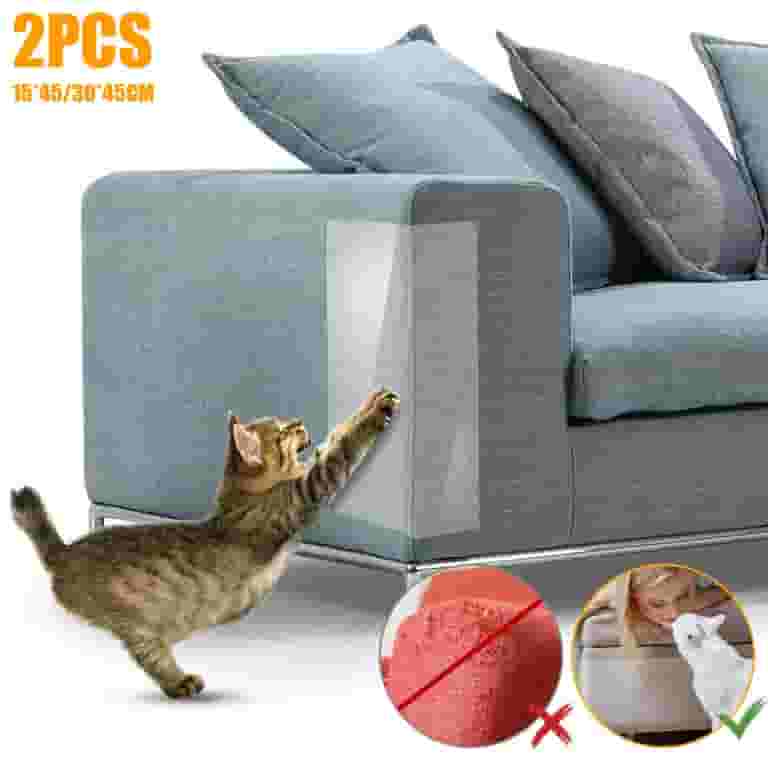
Furniture covers protect your sofas and chairs from scratches. They make it hard for cats to dig their claws in.
Plastic or vinyl shields also stop cats from scratching wood or fabric. These shields are clear and hard to notice.
- Use slipcovers made of tough fabric
- Try plastic shields on the corners of furniture
- Choose covers that are easy to clean
Using Deterrent Sprays
Deterrent sprays keep cats away from furniture. These sprays have smells cats do not like.
Spray the areas your cat scratches often. Reapply the spray regularly for the best effect.
- Use sprays safe for pets and furniture
- Test spray on a small area first
- Combine sprays with other protection methods
Double-sided Tape Tricks
Cats dislike sticky surfaces on their paws. Place double-sided tape on furniture edges to stop scratching.
This simple trick makes furniture less inviting for cats. It is easy to remove and does not harm furniture.
- Apply tape where cats scratch most
- Replace tape when it loses stickiness
- Use clear tape to keep furniture looking neat
Maintaining Cat Claw Health
Healthy claws help cats scratch without damaging furniture. Keeping claws in good shape is important for your cat’s comfort.
Regular care of your cat’s nails prevents problems. It also helps stop your cat from scratching your furniture.
Regular Nail Trimming
Trim your cat’s nails every two to three weeks. Use special pet nail clippers for safety. Cut only the sharp tips to avoid pain.
Keep your cat calm during trimming. You can wrap them in a towel or ask for help. Regular trimming reduces damage to furniture.
- Check nails weekly for length
- Trim sharp tips carefully
- Use proper nail clippers
- Keep your cat relaxed
Soft Nail Caps
Soft nail caps cover your cat’s claws to protect furniture. These caps are glued on and last a few weeks. They are safe and painless for cats.
Caps stop scratching without harming claws. They are a good option if your cat resists nail trimming. Replace caps regularly for best results.
- Choose the right size caps
- Apply with pet-safe glue
- Replace caps every 4 to 6 weeks
- Monitor your cat’s comfort
When To Seek Veterinary Advice
Visit a vet if your cat’s claws look infected or swollen. Limping or biting at paws also needs a check. A vet can treat nail problems safely.
If your cat is very stressed during nail care, ask the vet for help. They can trim nails or suggest other solutions to protect your furniture.
- Look for redness, swelling, or discharge
- Watch for limping or discomfort
- Get professional nail trims if needed
- Ask about safe nail care options
Creating A Cat-friendly Environment
Cats love to explore and scratch their surroundings. This is natural behavior. To protect your furniture, create a welcoming space for your cat.
By making some changes at home, you can keep your cat happy. This also keeps your furniture safe from scratches.
Providing Plenty Of Playtime
Regular playtime keeps cats active and engaged. It prevents them from scratching furniture out of boredom.
- Use toys that mimic prey, like feather wands or laser pointers.
- Schedule at least two play sessions daily.
- Rotate toys to keep things interesting.
Vertical Spaces And Perches
Cats enjoy climbing and observing their environment from high places. Provide vertical spaces to satisfy this need.
Consider installing cat shelves or a cat tree. These provide safe, elevated areas for your cat to relax and scratch.
Reducing Stress And Anxiety
Stress can lead to unwanted scratching. Keep your cat calm to protect your furniture.
| Action | Benefit |
| Provide hiding spots | Offers a safe space |
| Use calming sprays | Reduces anxiety |
| Maintain a routine | Gives a sense of security |
Frequently Asked Questions
How Can I Stop My Cat From Scratching Furniture?
Provide a scratching post near furniture. Use cat deterrent sprays on furniture. Reward your cat for using the post. Trim their nails regularly to reduce damage.
What Types Of Scratching Posts Work Best?
Sturdy posts covered with sisal or carpet work well. Vertical and horizontal options cater to different scratching preferences. Place them in areas your cat frequents.
Are There Safe Sprays To Protect Furniture?
Yes, citrus or pheromone-based sprays deter cats without harm. Apply sprays regularly on furniture to prevent scratching. Always follow the product instructions for safety.
How Does Nail Trimming Help Prevent Damage?
Shorter nails cause less damage during scratching. Trim nails every 1-2 weeks using proper cat nail clippers. Be gentle to avoid hurting your cat.
Conclusion
Preventing cats from clawing furniture takes patience and care. Provide your cat with good scratching posts nearby. Use soft covers or protectors on furniture edges. Reward your cat when it uses the right places. Keep nails trimmed to reduce damage risks.
Small changes can save your furniture and keep your cat happy. Stay consistent and watch your home stay neat and scratch-free. Your cat will learn where to scratch with time and kindness.

Lily Purrington is the founder of MyKittyPicks.com, a cozy corner of the web dedicated to helping cat lovers discover the best cat products, furniture, toys, and home decor ideas.
A lifelong cat enthusiast, Lily shares trusted tips, honest product recommendations, and stylish inspiration designed to keep kitties happy and homes beautiful.
Her mission is simple: to bring together practical advice and purr-fect picks that make life better for cats and the people who love them.


