
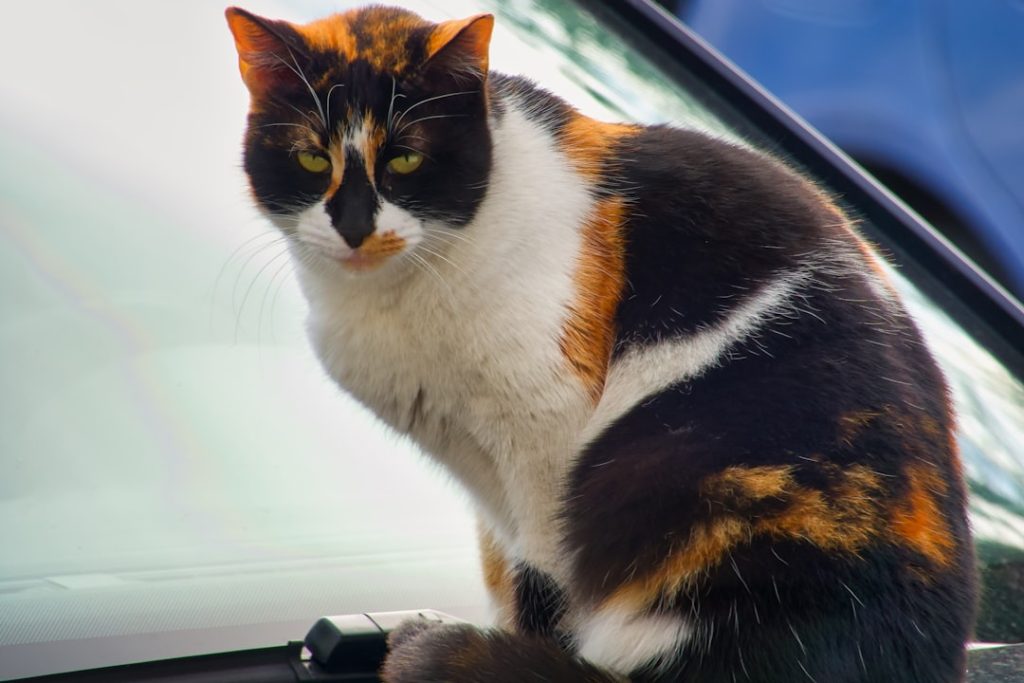
You just discovered a strong, unpleasant smell in your car, and you know exactly where it’s coming from—your cat left urine on your car seat. It’s frustrating, embarrassing, and the odor seems impossible to get rid of.
But don’t worry, you’re not alone, and there’s a way to fix this. You’ll learn simple, effective steps to remove cat urine from your car seat and keep your vehicle fresh again. Keep reading, because the solution is easier than you think, and your car will thank you.
Identify The Affected Area
Before you start cleaning cat urine from your car seat, it’s crucial to pinpoint exactly where the problem lies. Identifying the affected area helps you target your cleaning efforts, saving time and preventing damage to unaffected parts. Sometimes, what seems like a small spot can hide a bigger issue underneath.
Locate The Urine Spot
Look closely at the car seat for any visible wetness or discoloration. Cat urine often leaves a yellowish stain, but it can be faint or hidden in seams and creases. Run your hand gently over the seat to feel for dampness—you might catch areas you didn’t see.
If your car seat cover is removable, take it off and check underneath. Sometimes urine seeps through to the foam padding, which needs separate treatment. Have you noticed a strange smell lingering even after wiping? That’s a sign the spot might be larger or deeper than you think.
Check For Deep Soaks
Urine can penetrate beyond the surface, soaking into foam or fabric layers. To find deep soaks, press a dry white cloth onto the seat and see if it picks up moisture. This simple trick can reveal hidden wet spots that aren’t visible to the eye.
Consider the duration since the accident happened. The longer urine sits, the more it sinks into layers, making it harder to clean. If you detect a deep soak, you might need specialized cleaners or even professional help to fully remove the odor and prevent staining.
Gather Cleaning Supplies
Before you tackle the stubborn cat urine stain on your car seat, gathering the right cleaning supplies is crucial. Having everything ready saves time and helps you clean more effectively. Think about what you’ll need to break down the odor and remove the stain completely.
Essential Cleaning Agents
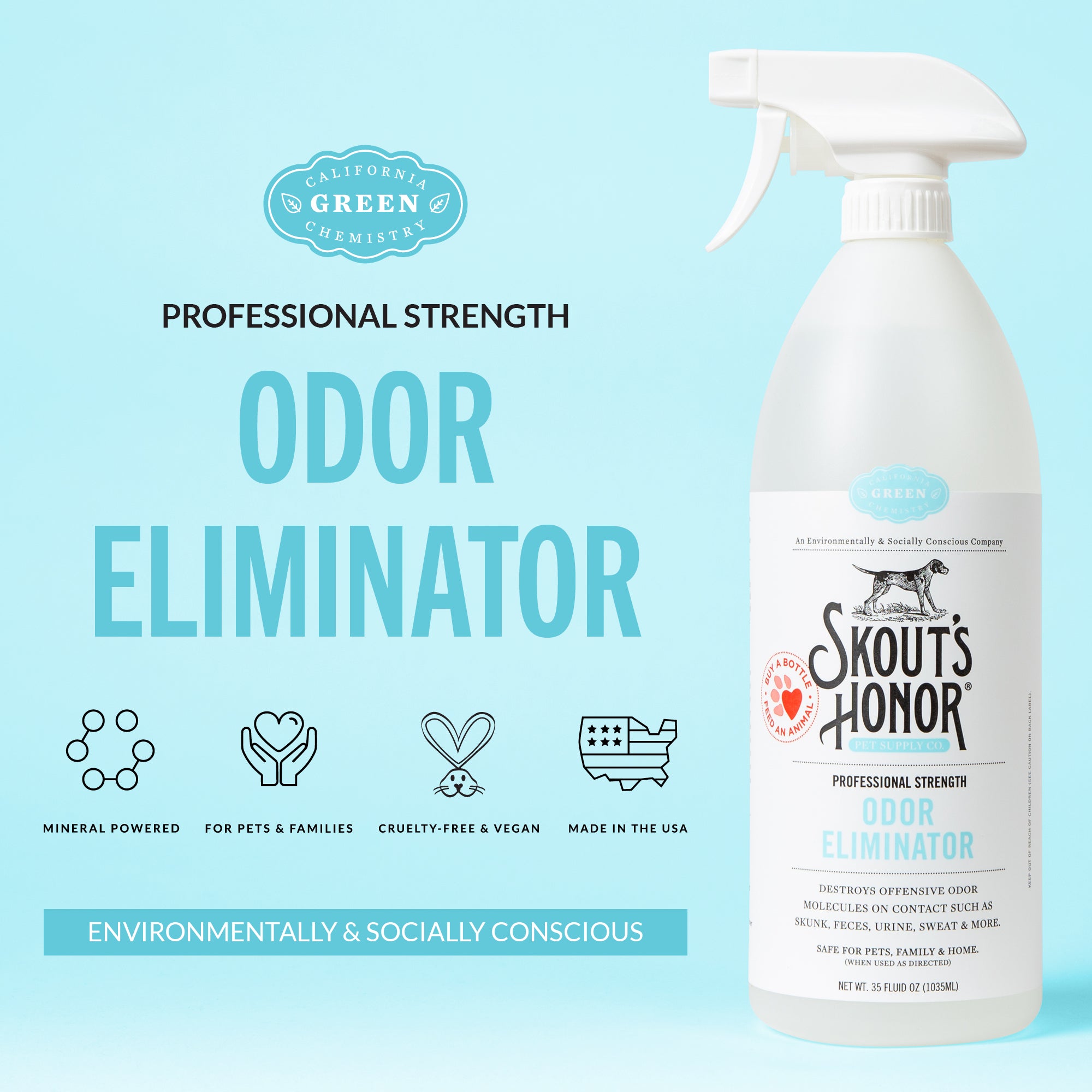
Choosing the right cleaning agents can make a huge difference. Start with an enzymatic cleaner designed specifically for pet urine. These cleaners break down the urine molecules and neutralize odors rather than just masking them.
If you don’t have an enzymatic cleaner, a mixture of white vinegar and water works well. The vinegar helps neutralize the ammonia smell in cat urine. Avoid using bleach or harsh chemicals—they can damage your car’s upholstery and make odors worse.
Tools You’ll Need
Having the right tools on hand makes the cleanup faster and more thorough. You’ll want a spray bottle to apply your cleaning solution evenly. Soft-bristle brushes help lift the urine from fabric without causing damage.
Don’t forget microfiber cloths or paper towels for blotting the area. Using a wet/dry vacuum can speed up drying and remove excess liquid. Gloves protect your hands and keep the process hygienic, especially when dealing with strong odors.
Blot And Absorb Excess Urine
Dealing with cat urine on your car seat can be a daunting task. The key to tackling this issue effectively is to act swiftly by blotting and absorbing the excess urine. This initial step can prevent the urine from seeping deeper into the seat fabric, making the cleaning process much more manageable. But how exactly should you go about it?
Use Paper Towels Or Cloth
Start by grabbing a handful of paper towels or a clean, absorbent cloth. Gently press down on the affected area to soak up as much urine as possible. It’s essential to replace the towels or cloth frequently until they come away almost dry.
Imagine a sponge soaking up water—that’s what your goal should be. The faster you can absorb the liquid, the less time it has to penetrate deeper layers of the seat. This step is not just about removing moisture; it’s about setting the stage for a more thorough cleaning.
Avoid Rubbing The Stain
It might be tempting to scrub the spot vigorously, but resist that urge. Rubbing can push the urine further into the seat, spreading the stain and intensifying the odor. Instead, stick to gentle blotting motions.
Think about how you would treat a delicate fabric—carefully and with patience. Wouldn’t you want to minimize any potential damage? By blotting instead of rubbing, you’re protecting the integrity of your car seat while effectively managing the mess.
Have you ever dealt with a stubborn stain that seemed impossible to remove? The same principle applies here—approach the problem with care, and you’ll find the solution more within reach.
Credit: www.giuliaforums.com
Apply Enzyme Cleaner
Applying an enzyme cleaner is essential for removing cat urine from car seats. This type of cleaner breaks down urine molecules deeply embedded in the fabric and foam. It stops odors and prevents cats from urinating in the same spot again. Using enzyme cleaner correctly ensures a thorough clean and fresh smell.
Why Enzyme Cleaners Work
Enzyme cleaners contain natural proteins that break down urine compounds. They digest organic materials like uric acid and ammonia. Unlike regular cleaners, they do not just mask the smell. Enzymes fully remove the source of odor and stains. This process helps stop cats from returning to the same place.
Proper Application Technique
- Blot the urine spot with paper towels first to absorb excess moisture.
- Shake the enzyme cleaner bottle well before use.
- Spray a generous amount directly onto the stained area.
- Allow the cleaner to soak in for at least 10 to 15 minutes.
- Use a clean cloth to blot the area gently after soaking.
- Let the car seat air dry completely without wiping off the cleaner.
- Repeat application if the odor or stain persists after drying.
Use Baking Soda And Vinegar
Baking soda and vinegar provide a simple, natural way to remove cat urine from car seats. These ingredients neutralize odors and clean the fabric without harsh chemicals. Baking soda absorbs moisture and smells, while vinegar breaks down urine stains and bacteria.
This combination is safe for most car seat materials and easy to use at home. It leaves your car fresh without strong, artificial scents.
Natural Deodorizing Method
Baking soda works as a powerful deodorizer by soaking up moisture and odors. Vinegar is a mild acid that helps dissolve urine crystals and kill odor-causing bacteria. Together, they break down the urine and stop the smell from returning.
This method avoids harsh chemicals that can damage fabric or cause allergies. It is eco-friendly and gentle enough for repeated use on car seats.
Step-by-step Process
- Blot the urine spot with a clean cloth to remove excess moisture.
- Sprinkle a generous layer of baking soda over the wet area.
- Let the baking soda sit for at least 15 minutes to absorb moisture and odor.
- Mix equal parts white vinegar and water in a spray bottle.
- Spray the vinegar solution over the baking soda until it bubbles.
- Allow the mixture to fizz and work for 5 to 10 minutes.
- Blot the area with a clean cloth to soak up liquid.
- Let the seat air dry completely, preferably in sunlight for faster drying.
- Vacuum the dried baking soda residue from the seat.
Credit: www.skoutshonor.com
Deep Clean With Steam Or Shampoo
Deep cleaning car seats with steam or shampoo removes tough cat urine stains and odors. These methods reach deep into the fabric, breaking down urine molecules. They help restore your car seat’s freshness and hygiene.
Using steam or shampoo can be very effective, especially when surface cleaning does not work. Both methods sanitize the area and reduce lingering smells. Choosing the right approach depends on your car seat material and the severity of the stain.
When To Use Steam Cleaning
Steam cleaning works best on fabric and cloth car seats. It uses hot steam to loosen dirt and urine particles. The heat kills bacteria and neutralizes odor.
- Use steam if the stain is old or deeply set.
- Choose steam for quick drying and effective sanitizing.
- Steam is gentle on most fabrics and safe for car interiors.
Avoid steam on leather seats, as heat can damage the material.
Choosing The Right Car Seat Shampoo
Pick a shampoo designed for car upholstery. It should be strong enough to remove urine yet safe for fabrics.
- Look for enzyme-based shampoos that break down urine proteins.
- Choose a shampoo with odor neutralizers for lasting freshness.
- Avoid harsh chemicals that may harm your car seat or skin.
Test the shampoo on a small seat area first. This ensures no discoloration or damage occurs.
Dry The Car Seat Thoroughly
Drying the car seat thoroughly is a key step after cleaning cat urine. Moisture left behind can cause bad odors and mold growth. It also helps prevent stains from setting into the fabric. Complete drying ensures your car seat looks and smells fresh again.
Speeding up the drying process is helpful. Using natural air or tools like fans can make a big difference. The goal is to remove all dampness from the seat and padding beneath. This keeps your car hygienic and comfortable for future rides.
Air Drying Tips
- Park your car in a sunny, well-ventilated spot.
- Open all doors and windows to create airflow.
- Lift seat cushions slightly if possible to expose the underside.
- Allow several hours or even a full day for thorough drying.
- Check the seat by touch to confirm it feels dry and cool.
Using Fans Or Hair Dryers
- Place a fan near the wet area to boost evaporation.
- Use a hair dryer on a low heat setting to avoid damage.
- Keep the dryer moving to prevent overheating fabric.
- Focus on seams and crevices where moisture hides.
- Combine fan and hair dryer use for faster results.

Credit: purodoralab.com
Prevent Future Accidents
Preventing future cat urine accidents in your car seat is essential to keep your vehicle fresh and odor-free. Taking proactive steps can save you from repeated cleaning and frustration. It’s about understanding your cat’s behavior and protecting your car effectively.
Training Your Cat
Training your cat to avoid the car seat starts with consistency and patience. You can try gently placing your cat in a carrier or on a designated pet blanket during car rides. Reward calm behavior with treats or affection to encourage positive associations.
If your cat tends to urinate out of anxiety, creating a calm environment with familiar scents can help. Have you noticed your cat’s favorite blanket or toy reduces their stress? Use those items during trips to keep them more comfortable and less likely to mark territory.
Using Seat Covers
Seat covers act as a barrier between your cat and the car fabric, making cleanups easier. Look for waterproof and washable covers designed for pets—they protect your seats from not just urine but scratches and fur as well.
Choosing the right seat cover can make a big difference. Some come with anti-slip backing to keep covers in place even when your cat moves around. Would a simple cover save you hours of cleaning later? Often, the answer is yes.
Frequently Asked Questions
How Do I Remove Cat Urine Smell From Car Seats?
Use an enzymatic cleaner designed for pet urine. Blot the area first, then apply the cleaner. Let it sit for 10-15 minutes. Wipe with a clean cloth and air dry to eliminate odors effectively.
What Household Items Help Clean Cat Urine From Car Seats?
White vinegar and baking soda work well. Blot the urine, spray vinegar solution, then sprinkle baking soda. Let it sit before vacuuming. This method neutralizes odor and helps lift stains naturally.
Can I Use Vinegar To Clean Cat Urine From Car Seats?
Yes, vinegar neutralizes urine odor. Mix equal parts water and white vinegar, spray on the stain, and blot. Avoid soaking the seat to prevent damage. Finish with baking soda for best results.
How Long Does It Take To Remove Cat Urine Smell From Car Seats?
It usually takes a few hours to fully dry and deodorize. Enzymatic cleaners need 10-15 minutes to work. Baking soda should sit overnight for best odor removal. Proper ventilation speeds up the process.
Conclusion
Cleaning cat urine from car seats takes quick action and the right tools. Use mild cleaners and blot the stain gently to avoid damage. Rinse well and let the seat dry fully to stop smells. Repeat if needed for stubborn spots.
Regular cleaning keeps your car fresh and odor-free. Small steps make a big difference in maintaining your car’s interior. Keep patience and care during the process for best results. Your car will feel clean and comfortable again soon.

Lily Purrington is the founder of MyKittyPicks.com, a cozy corner of the web dedicated to helping cat lovers discover the best cat products, furniture, toys, and home decor ideas.
A lifelong cat enthusiast, Lily shares trusted tips, honest product recommendations, and stylish inspiration designed to keep kitties happy and homes beautiful.
Her mission is simple: to bring together practical advice and purr-fect picks that make life better for cats and the people who love them.


