
Imagine a space in your home that is just for your beloved cat—a room where they can play, relax, and explore. Designing a cat room might seem challenging, but it’s easier than you think.
This guide will show you how to create a paradise for your feline friend while keeping your style intact. You want your cat to be happy and healthy, and a dedicated space can make a world of difference. As you read on, you’ll discover tips and tricks that will transform a simple room into a cat’s dream haven.
Ready to make your cat’s life a little more purr-fect? Let’s dive in and explore the essentials of designing a cat room that both you and your furry companion will love.
Choosing The Right Location
Choosing the right location for your cat’s room sets the foundation for a happy and comfortable space. It’s not just about picking an empty corner; it’s about finding a spot where your cat feels secure, relaxed, and stimulated. The right location helps your feline friend enjoy their new environment without stress or distractions.
Quiet And Safe Spots
Cats crave calm and security. A quiet corner away from loud noises like TVs, washing machines, or household hustle can make a huge difference. Think about spaces where your cat can retreat and rest undisturbed, like a spare bedroom or a cozy nook.
Have you noticed how your cat reacts to sudden sounds? Choosing a calm area prevents anxiety and encourages your cat to explore and settle comfortably.
Avoiding High Traffic Areas
Busy places with constant foot traffic can overwhelm a cat. Areas near entryways, kitchens, or hallways often have too much activity for your feline to relax. Instead, select a room or corner where people pass by less frequently.
Try observing your cat’s favorite quiet spots in your home and use those as clues. Your cat’s natural behavior can guide you to avoid high-traffic zones effectively.
Access To Natural Light
Natural light energizes your cat and helps regulate their sleep cycle. A location near a window offers sunlight and an engaging view of the outdoors. Cats love watching birds, leaves, or even the changing weather outside.
Make sure the spot isn’t exposed to harsh direct sunlight all day to avoid overheating. A balance of light and shade creates the perfect environment for your cat’s wellbeing.
Selecting Cat-friendly Furniture
Selecting cat-friendly furniture is key to creating a happy space for your feline friend. It must be safe, comfortable, and fun. The right furniture helps cats relax, play, and stay active indoors. Choose pieces that fit your cat’s size and behavior. Materials should be durable and easy to clean. Designs must encourage natural cat habits like climbing and scratching. Here are some great furniture ideas for a cat room.
Cozy Beds And Perches
Cats love warm, soft spots to rest. Choose beds with plush cushions and raised edges. Place beds near windows or quiet corners. Perches offer a high view for cats to watch their world. Use sturdy materials that hold weight well. Soft fabrics that are washable make cleaning easier. Provide several beds and perches around the room for variety.
Scratching Posts And Trees
Scratching is a natural cat behavior. Provide posts covered in sisal or carpet for claw care. Tall scratching trees add vertical space and fun. They help keep cats entertained and avoid furniture damage. Place scratching areas near beds and play zones. Make sure the bases are stable to prevent tipping. Replace worn coverings to keep cats interested.
Multi-level Structures
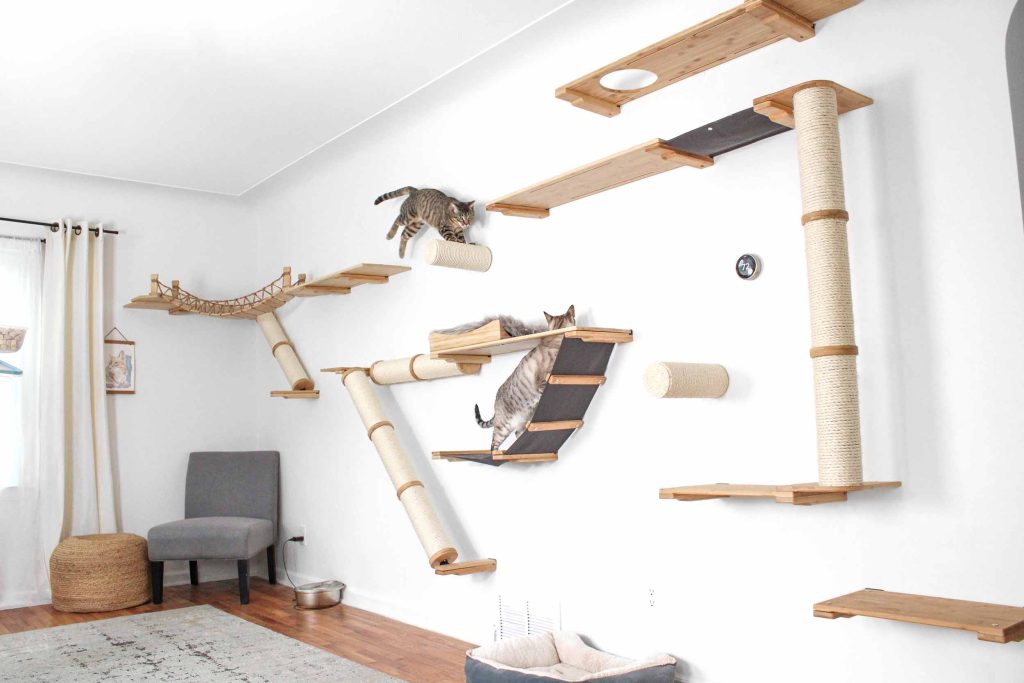
Multi-level furniture mimics outdoor climbing. Cats enjoy jumping between platforms and hiding in cubbies. Choose pieces with ramps, ladders, or stairs. This encourages exercise and mental stimulation. Use safe, smooth edges to avoid injury. Position structures away from breakables. A good multi-level setup keeps cats active and happy indoors.
Incorporating Play And Enrichment
Creating a space where your cat can play and stay mentally sharp is essential. Play and enrichment keep your cat healthy and happy by providing stimulation and exercise. Think about what excites your cat and how you can bring those elements into their room.
Interactive Toys
Interactive toys grab your cat’s attention and encourage active play. Toys like feather wands, laser pointers, and motorized mice mimic prey and trigger natural hunting instincts.
Try rotating toys regularly to keep things fresh. You might notice your cat showing more interest when the toys feel new. What types of toys does your cat chase the most?
Climbing Opportunities
Cats love to climb and perch up high. Adding shelves, cat trees, or window perches lets your cat explore vertical space safely.
Install sturdy platforms at different heights to create a mini playground. I once added a wall-mounted cat shelf, and my cat spent hours surveying the room from her new throne.
Puzzle Feeders
Puzzle feeders turn mealtime into a fun challenge. These feeders require your cat to work for their food, slowing down eating and engaging their brain.
Start with simple puzzles and increase difficulty as your cat learns. Have you noticed your cat’s curiosity grow with these games? They can reduce boredom and even help with weight management.
Credit: medium.com
Creating Comfortable Rest Zones
Creating comfortable rest zones in a cat room helps cats feel safe and relaxed. Cats need quiet, soft places to nap and unwind. These zones should be cozy and warm, making cats want to stay and rest.
Soft Textiles And Blankets
Use soft textiles like fleece or cotton for bedding. Blankets add extra comfort and warmth. Choose materials that are easy to wash and gentle on cat fur. Layer blankets to create a plush, inviting spot for cats to curl up.
Warmth And Insulation
Keep rest zones warm by adding insulated cushions or mats. Place beds away from drafts or cold floors. Use heated pads designed for pets if needed. Warmth helps cats feel secure and supports their health.
Quiet Nooks
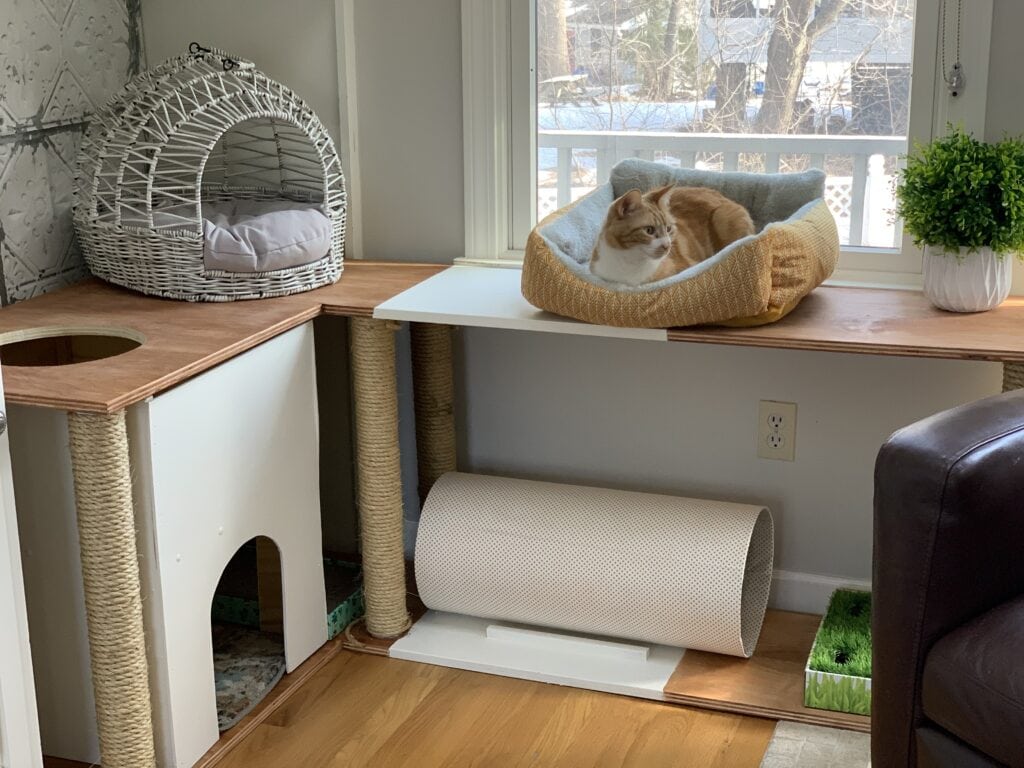
Find quiet corners or small spaces for cat rest areas. Cats prefer secluded spots where they won’t be disturbed. Use shelves, boxes, or covered beds to create private nooks. These peaceful zones reduce stress and encourage deep rest.
Ensuring Hygiene And Cleanliness
Maintaining hygiene and cleanliness is vital in designing a cat room. It keeps your cat healthy and your home fresh. A clean space reduces odors and prevents bacteria build-up.
Creating easy cleaning routines helps you manage the room better. Small changes in layout and materials make a big difference. Let’s explore key ways to keep the cat room spotless and comfortable.
Litter Box Placement
Place the litter box in a quiet, low-traffic area. Cats prefer privacy and a calm spot for their bathroom needs. Avoid placing it near food and water bowls to prevent contamination.
Ensure the litter box is easy to access for cleaning. Use a mat underneath to catch stray litter. This helps keep the floor clean and reduces tracking.
Easy-to-clean Surfaces
Choose smooth surfaces for floors and walls. Materials like vinyl, tile, or sealed wood work well. They resist stains and are easy to wipe down.
Use washable fabrics for cushions and bedding. Regular washing removes fur, dirt, and allergens. Avoid carpets and heavy fabrics that trap dirt.
Ventilation Tips
Good airflow helps control odors and moisture. Open windows or use fans to keep air moving. Proper ventilation reduces mold and bacteria growth.
Consider an air purifier to remove pet dander and dust. Change filters regularly to keep the air clean. A fresh environment supports your cat’s health and comfort.
Credit: medium.com
Adding Personal Touches
Adding personal touches to your cat room transforms it from a simple space into a cozy, inviting haven that reflects both your style and your cat’s unique character. These details create a stronger bond and make your pet feel truly at home. Think beyond basic furniture and consider elements that speak to your cat’s habits, preferences, and quirks.
Cat-friendly Decorations
Choose decorations that are safe and enjoyable for your cat. Avoid small items they can swallow or sharp edges they might hurt themselves on. Soft rugs, climbing shelves, and interactive toys add both comfort and fun.
Try using vibrant colors or patterns that appeal to your cat’s vision—cats see blues and greens best. Hang lightweight, dangling toys or ribbons where they can play safely. You might also add cozy cushions or cat beds near windows for sunny naps.
Incorporating Your Cat’s Personality
Does your cat love to climb, hide, or watch the world outside? Design the room to highlight these traits. If your cat enjoys climbing, install a series of shelves or a tall cat tree to satisfy that urge.
For shy cats who prefer quiet nooks, create private hideaways with covered beds or tunnels. If your cat is curious and social, place perches near windows or your favorite seating areas so they can join your daily activities.
Scent And Sound Considerations
Scents and sounds play a big role in your cat’s comfort. Use natural, pet-safe scents like lavender or chamomile to create a calming atmosphere. Avoid strong perfumes or chemical cleaners that might irritate your cat’s sensitive nose.
Think about background sounds too. Soft music or the gentle hum of a white noise machine can soothe a nervous cat. Have you noticed how your cat reacts to silence versus household noises? Adjust the room’s sound environment based on what calms or stimulates your pet.
Safety Measures
Creating a safe environment is key when designing a cat room. Cats are curious creatures and can easily get into trouble if safety isn’t prioritized. Paying attention to potential hazards ensures your feline friend enjoys the space without risks.
Avoiding Toxic Plants
Many common houseplants are toxic to cats, causing anything from mild stomach upset to severe poisoning. Keep plants like lilies, philodendrons, and poinsettias out of your cat’s reach or avoid them altogether.
Instead, choose cat-safe plants such as spider plants, Boston ferns, or cat grass. Have you ever noticed your cat nibbling on plants? This behavior means you must be extra cautious about what you bring into their space.
Securing Windows And Doors
Open windows and doors can be a big danger if your cat decides to explore outside unsupervised. Use secure screens or window guards to prevent accidental falls or escapes.
Double-check door locks and consider installing pet-proof latches. Cats are surprisingly skilled at slipping through small gaps, so inspect every potential exit point carefully. How confident are you that your windows and doors can keep your cat safely inside?
Safe Electrical Setup
Electrical cords and outlets pose risks of shocks and chewing hazards. Hide cords inside cable covers or use cord protectors designed specifically for pets.
Unplug devices when not in use, and avoid placing cords where your cat can easily reach them. Adding outlet covers also prevents curious paws from poking into sockets. Do you regularly check your cords for wear and tear that might attract your cat’s attention?
Credit: www.ourrepurposedhome.com
Frequently Asked Questions
What Are The Essential Features Of A Cat Room?
A cat room should include climbing structures, cozy resting spots, and scratching posts. It must be safe, quiet, and well-ventilated. Natural light and toys keep cats entertained and stimulated. Clean litter areas and easy access to food and water are also crucial.
How To Choose Safe Materials For A Cat Room?
Select non-toxic, durable materials like untreated wood and BPA-free plastics. Avoid sharp edges and harmful chemicals. Use washable fabrics for bedding and curtains. Ensure flooring is easy to clean and slip-resistant. Safety is a priority to prevent injuries or poisoning.
What Types Of Furniture Suit A Cat Room Best?
Choose multi-level cat trees, wall-mounted shelves, and soft beds. Furniture should support climbing and hiding to satisfy natural instincts. Include scratching posts to protect other household items. Opt for sturdy, easy-to-clean pieces that blend with your home decor.
How To Keep A Cat Room Clean And Odor-free?
Regularly clean litter boxes and replace litter weekly. Wash bedding and toys often to remove dirt and hair. Ventilate the room daily to reduce odors. Use pet-safe cleaning products to maintain hygiene without harming cats. A clean room promotes health and comfort.
Conclusion
Designing a cat room can bring joy to both you and your pet. Think about your cat’s needs and favorite activities. Add comfy spots, toys, and climbing areas. Keep the space safe and easy to clean. Small changes can make a big difference.
A well-planned room helps your cat feel happy and loved. Enjoy creating a special place for your furry friend.

Lily Purrington is the founder of MyKittyPicks.com, a cozy corner of the web dedicated to helping cat lovers discover the best cat products, furniture, toys, and home decor ideas.
A lifelong cat enthusiast, Lily shares trusted tips, honest product recommendations, and stylish inspiration designed to keep kitties happy and homes beautiful.
Her mission is simple: to bring together practical advice and purr-fect picks that make life better for cats and the people who love them.


