
If you love spending time with your cat, you want to keep both of you safe and healthy. Cat Scratch Disease might sound harmless, but it can cause serious discomfort and health issues if you’re not careful.
Wouldn’t you want to enjoy your furry friend without worrying about infections? You’ll discover simple and effective ways to protect yourself from Cat Scratch Disease. Keep reading to learn how small changes in your daily routine can make a big difference for your health and your cat’s wellbeing.
Cat Scratch Disease Basics
Cat Scratch Disease is an infection that people get from cats. It usually happens after a cat scratches or bites someone.
The infection can cause swelling and other health problems. It is important to know what causes it and who can get sick.
What Causes Cat Scratch Disease
Cat Scratch Disease is caused by bacteria called Bartonella henselae. This bacteria lives in cats, especially in their claws and mouths.
People catch the disease when they are scratched or bitten by an infected cat. Sometimes, fleas on cats can spread the bacteria too.
Common Symptoms In Humans
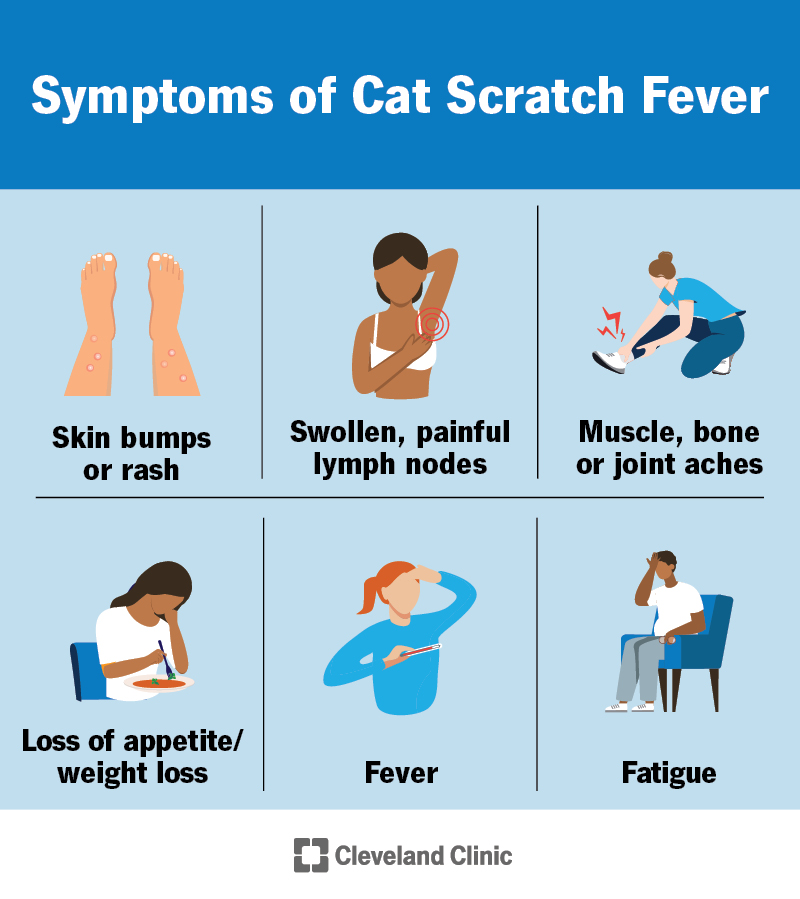
Symptoms usually start a few days after a cat scratch or bite. The first sign is often a red bump or blister near the wound.
People may also feel tired or have a fever. Swollen lymph nodes near the scratch are common too. Some people get headaches or lose their appetite.
- Red bump or blister at scratch site
- Swollen lymph nodes
- Fever and tiredness
- Headache
- Loss of appetite
Who Is At Risk
Anyone who has contact with cats can get Cat Scratch Disease. Children and people with weak immune systems are at higher risk.
People who handle cats often, like pet owners and veterinarians, also have a higher chance of infection.
- Children under 15 years old
- People with weak immune systems
- Cat owners
- Veterinarians and animal workers
Preventing Scratches And Bites
Cat scratch disease comes from bites and scratches. It can cause swelling and fever. You can stop it by handling cats safely.
Learn ways to keep your cat calm and protect yourself. This helps both you and your pet stay safe.
Safe Handling Techniques
Hold your cat gently but firmly. Avoid sudden moves that scare your cat. Use both hands to support its body. Do not grab the tail or ears.
- Approach your cat slowly and calmly
- Hold the cat close to your body
- Do not squeeze or hold too tight
- Watch for signs of stress like growling or hissing
- Put your cat down if it struggles
Training Your Cat
Teach your cat to play gently. Use toys instead of your hands. Reward good behavior with treats or praise. This helps reduce biting and scratching.
- Use feather toys or balls for playtime
- Stop playing if your cat bites or scratches
- Give treats when your cat plays calmly
- Keep play sessions short and fun
Using Protective Gear
Wear gloves and long sleeves when handling a scared or new cat. Protective gear can stop scratches and bites. It is important for your safety.
| Protective Gear | When to Use |
| Thick gloves | Handling aggressive or frightened cats |
| Long-sleeved shirts | Prevent scratches on arms |
| Arm guards | Extra protection during grooming |
Maintaining Cat Hygiene
Keeping your cat clean helps prevent Cat Scratch Disease. This disease comes from bacteria found in cat scratches or bites. Good hygiene lowers the chances of infection.
Regular care and a clean environment keep your cat healthy. It also protects you from getting sick.
Regular Grooming Tips
Brush your cat often to remove dirt and loose fur. This keeps their coat clean and healthy. Bathing your cat occasionally helps too, but not too often.
Check your cat’s skin for scratches or wounds. Clean any small cuts to stop infections. Grooming also helps you spot fleas or ticks early.
- Brush your cat’s fur at least twice a week
- Use cat-friendly shampoo for baths
- Clean small wounds with mild antiseptic
- Trim your cat’s nails carefully
- Check ears and eyes regularly for dirt
Flea Control Methods
Fleas carry bacteria that cause Cat Scratch Disease. Use flea treatments to keep your cat free from fleas. Treat your home to stop fleas from spreading.
Talk to your vet about safe flea control products. Avoid using harsh chemicals that can harm your cat.
- Apply vet-approved flea drops or sprays
- Use flea collars designed for cats
- Vacuum your home regularly
- Wash pet bedding in hot water weekly
- Keep outdoor areas clean and dry
Healthy Living Environment
A clean living space helps reduce germs and parasites. Keep your cat’s food and water bowls clean every day. Remove waste and litter regularly to stop bacteria growth.
Limit your cat’s contact with stray animals. Strays may carry diseases and fleas. A safe and clean home keeps your cat and family healthy.
- Clean food and water dishes daily
- Change litter boxes often
- Wash cat bedding weekly
- Keep your home free of clutter
- Limit outdoor access to prevent contact with stray cats
Credit: indianexpress.com
Health Checks And Vet Visits
Cat scratch disease spreads through scratches or bites from infected cats. Regular health checks and vet visits help keep cats healthy. They also reduce the risk of this disease spreading to humans.
Taking your cat to the vet often helps catch problems early. It also keeps your cat’s immune system strong and lowers the chance of infections.
Routine Veterinary Care
Regular vet visits check your cat’s overall health. The vet will look for signs of illness or parasites. Early detection can stop diseases from getting worse.
Routine care includes physical exams and checking your cat’s weight and teeth. Keeping your cat in good shape lowers the risk of infections that cause cat scratch disease.
Vaccinations And Treatments
Vaccines protect cats from many illnesses. Your vet can advise which shots your cat needs. Treatments for fleas and ticks also reduce disease risks.
Use vet-recommended flea control to avoid bites and infections. If your cat shows signs of illness, get treatment quickly to prevent spread.
- Keep vaccinations up to date
- Use flea and tick preventatives
- Follow vet advice on treatments
Monitoring Cat Behavior
Watch your cat’s behavior for changes like hiding or aggression. These can signal health problems or stress. Stress can weaken the immune system and increase infection risk.
If your cat scratches or bites more than usual, consult your vet. Early care helps prevent the spread of cat scratch disease to people in your home.
What To Do After A Scratch Or Bite
Cat scratch disease can happen if a cat scratches or bites you. Knowing what to do right away helps stop infection.
Follow simple steps after a scratch or bite to keep safe and healthy.
Immediate Wound Care
Clean the wound as soon as you can. Use soap and warm water to wash the area gently. This removes dirt and germs.
After washing, pat the wound dry with a clean cloth. Then, cover it with a sterile bandage to protect it.
- Wash the scratch or bite with soap and warm water
- Rinse thoroughly to remove all dirt
- Dry the wound with a clean towel
- Apply a clean bandage or dressing
When To Seek Medical Help
See a doctor if the wound is deep, bleeding a lot, or not healing. Also get help if you have a fever or feel tired.
Medical care is important if you have other health problems or if the cat’s claws looked dirty.
- Wound is deep or keeps bleeding
- Redness or swelling spreads
- You have a fever or chills
- You feel weak or tired
- Your immune system is weak
Signs Of Infection
Watch the wound for signs of infection. Early signs include redness, warmth, and pain around the scratch or bite.
Infection can also cause swelling, pus, or fever. If you notice these, get medical help fast.
- Red or swollen skin near the wound
- Warmth or tenderness at the site
- Yellow or green pus draining
- Fever or chills
- Swollen lymph nodes near the scratch

Credit: cullottalaw.com
Educating Family And Guests
Cat scratch disease can be avoided by learning safe cat interaction. This is important for family members and visitors alike. Understanding how to handle cats reduces the risk of scratches.
Educating everyone on proper behavior around cats helps maintain a safe environment. Read on to learn how to teach children and inform visitors about cat safety.
Teaching Children Safe Interaction
Children should be taught to interact gently with cats. This involves showing them how to approach and pet cats without causing stress.
- Approach the cat slowly and quietly.
- Let the cat sniff your hand before petting.
- Avoid pulling the cat’s tail or ears.
Informing Visitors
Visitors may not know how to interact with your cat. It’s helpful to inform them about your cat’s behavior and boundaries.
Consider placing a small sign by your door:
“Our cat likes gentle pets. Please respect her space.”
Promoting Awareness
Raising awareness about cat scratch disease helps prevent it. Share information with your family and friends to keep everyone informed.
| Fact | Details |
| Cause | Bacteria from cat scratches or bites |
| Symptoms | Fever, fatigue, and swollen lymph nodes |
| Prevention | Proper cat handling and hygiene |

Credit: www.goodrx.com
Frequently Asked Questions
What Is Cat Scratch Disease And Its Symptoms?
Cat scratch disease is an infection from Bartonella bacteria. It causes swollen lymph nodes, fever, and fatigue after a cat scratch or bite.
How Can I Prevent Cat Scratch Disease From Cats?
Avoid rough play with cats and wash wounds immediately. Keep cats indoors and control fleas to reduce infection risk.
Are Certain Cats More Likely To Carry Cat Scratch Disease?
Young cats and kittens are more likely to carry Bartonella bacteria. Adult cats with fleas can also transmit the disease.
When Should I See A Doctor For Cat Scratch Disease?
See a doctor if you develop fever, swollen lymph nodes, or persistent wounds after a cat scratch or bite.
Conclusion
Cats bring joy, but care is key to stay safe. Keep your cat’s nails trimmed and clean their living space often. Wash hands after playing or cleaning litter. Watch for any scratches and clean them right away. Avoid rough play that can cause injuries.
Staying aware helps protect you and your pet. Healthy habits make a big difference in preventing Cat Scratch Disease. Stay cautious, enjoy your cat, and keep illness away. Simple steps lead to safer, happier moments together.

Lily Purrington is the founder of MyKittyPicks.com, a cozy corner of the web dedicated to helping cat lovers discover the best cat products, furniture, toys, and home decor ideas.
A lifelong cat enthusiast, Lily shares trusted tips, honest product recommendations, and stylish inspiration designed to keep kitties happy and homes beautiful.
Her mission is simple: to bring together practical advice and purr-fect picks that make life better for cats and the people who love them.


