

If you have a cat water fountain at home, you might wonder how often you should change its filter. You want to keep your furry friend healthy and happy, but it’s easy to overlook this simple step.
Changing the filter regularly is key to providing clean, fresh water your cat will love. You’ll discover exactly when and why to replace your cat fountain’s filter—so you can avoid common mistakes that might harm your pet’s health. Keep reading to learn the easy tips that will keep your cat’s water pure and safe every day.
Importance Of Clean Water For Cats
Clean water is essential for your cat’s health and happiness. Cats often drink less than they should, so making sure their water is fresh and clean encourages better hydration. Dirty water can quickly become a breeding ground for bacteria, which can cause serious health issues for your furry friend.
I once noticed my cat avoiding her water bowl, only to find that the water was cloudy and smelled off. After changing her water fountain filter, she started drinking eagerly again. This showed me how much a clean water source matters to cats.
How Clean Water Supports Your Cat’s Health
Fresh water helps maintain kidney function and keeps your cat’s urinary tract healthy. Cats are prone to urinary problems, and dirty water can increase the risk of infections.
Clean water also aids digestion and supports overall energy levels. When your cat stays well-hydrated, it’s easier for them to stay active and playful.
Signs Your Cat’s Water Might Be Dirty
- Your cat avoids drinking or drinks less than usual.
- The water looks cloudy or has floating debris.
- There’s an unpleasant odor coming from the water fountain.
If you notice any of these signs, it’s time to check and change the filter immediately.
How Often Should You Change The Filter?
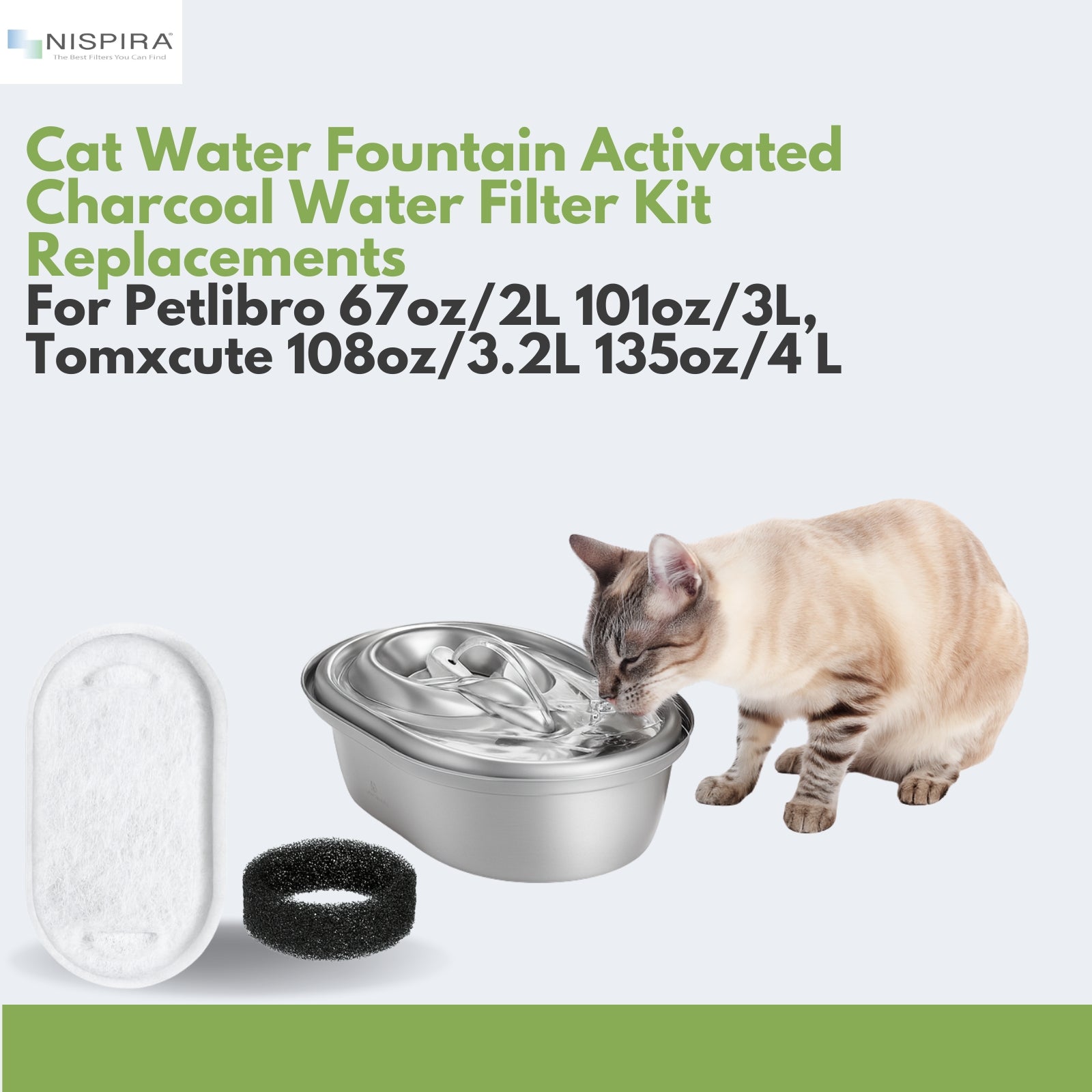
Most manufacturers recommend changing your cat water fountain filter every 2 to 4 weeks. This timeframe keeps the water clean and free from harmful buildup.
However, factors like your cat’s drinking habits and the water quality in your area can affect this schedule. Ask yourself: Is the water clear and fresh when you check the filter?
Credit: nispira.com
Types Of Cat Water Fountain Filters
Cat water fountains use different types of filters to keep water clean. Each filter type has a unique way to remove dirt, hair, and bad smells. Knowing the types helps you choose the right filter for your pet’s health.
Filters help remove particles and keep water fresh. They also reduce chlorine taste and prevent bacteria growth. Changing filters regularly ensures your cat drinks clean water every day.
Carbon Filters
Carbon filters remove odors and chlorine from water. They trap small particles and chemicals that affect taste. These filters are common in many cat water fountains. They keep water fresh and safe to drink.
Foam Filters
Foam filters catch hair and large debris. They act as a first barrier before other filters. Foam filters are washable and reusable. They help extend the life of carbon filters.
Ion Exchange Resin Filters
These filters reduce heavy metals like lead and copper. They improve water quality by softening hard water. Ion exchange resin filters protect your cat from harmful substances.
Combination Filters
Combination filters include two or more filter types. They offer better cleaning by trapping particles and removing chemicals. Many fountains use combo filters for balanced water quality. This type requires regular replacement for best results.
Factors Affecting Filter Lifespan
Knowing how often to change your cat water fountain filter depends on several factors that affect its lifespan. These factors influence how quickly the filter gets clogged or loses its effectiveness. Understanding them can help you keep your cat’s water fresh and safe, avoiding unnecessary filter replacements or health risks.
Water Quality
Your tap water quality plays a big role in filter lifespan. If your water is hard or contains a lot of minerals, the filter will clog faster. On the other hand, softer or purified water tends to keep filters cleaner longer.
Have you noticed any changes in your water taste or smell? These could indicate impurities that your filter needs to work harder to remove. Testing your water or asking your local water supplier can give you a clearer idea of what your filter is dealing with.
Number Of Cats
The more cats using the fountain, the quicker the filter gets used up. Each cat adds to the amount of debris, fur, and saliva that pass through the filter. This means households with multiple cats will need to change filters more often than single-cat homes.
Think about your own experience—do you have one curious kitty or a whole crew? Your filter’s lifespan will reflect that difference, so adjust your replacement schedule accordingly.
Fountain Usage
How often your cat drinks from the fountain affects filter wear. Frequent use means more water passing through, which can clog the filter faster. Conversely, if your cat prefers still water or drinks less, the filter may last longer.
Consider your cat’s habits. Is your feline a frequent sipper or an occasional drinker? Observing this can help you predict when it’s time to swap out the filter, keeping the water clean without wasting money.
Signs It’s Time To Change The Filter
Knowing when to change your cat’s water fountain filter is key to keeping your furry friend healthy and happy. The filter plays a crucial role in removing impurities, but signs that it needs replacing can sometimes be subtle. Paying attention to these hints can save your cat from drinking contaminated water.
Water Odor
Have you noticed a strange or unpleasant smell coming from the fountain water? This is often the first sign the filter is clogged or no longer effective. Clean, fresh water should have little to no odor, so any change means it’s time to swap the filter.
Reduced Water Flow
When your cat’s fountain starts to drip slower or the water flow weakens, the filter might be blocked. Reduced flow can discourage your cat from drinking enough water, which isn’t good for their health. Check the filter and replace it if it looks saturated or dirty to restore proper water circulation.
Visible Debris
If you see particles, dirt, or slimy buildup in the water or on the filter surface, it’s a clear warning sign. Debris shows the filter isn’t catching contaminants effectively anymore. Don’t wait until the water looks murky—change the filter as soon as you spot debris to keep the water fresh.
Recommended Replacement Frequency
Changing the cat water fountain filter regularly keeps the water clean and fresh. It helps remove dirt, hair, and bacteria. This ensures your cat drinks healthy water every day. The frequency depends on the filter type and how many cats use the fountain.
Most manufacturers suggest replacing the filter every 2 to 4 weeks. This timeline maintains good water flow and cleanliness. Waiting too long can cause clogging and bad smells. Clean filters also prevent health issues for your pet.
Signs It’s Time To Replace The Filter
- Water flow slows down significantly
- Fountain water looks cloudy or dirty
- Unpleasant or foul odor from the water
- Filter appears dark or clogged
- Your cat shows less interest in drinking
Factors Affecting Filter Replacement Frequency
- Number of cats using the fountain
- Water quality from your tap
- Type and brand of filter
- Fountain usage each day
- Environmental dirt or dust exposure
Tips To Extend Filter Life
- Rinse the filter with cold water weekly
- Clean the fountain parts regularly
- Use filtered or bottled water if possible
- Keep the fountain in a clean area
- Replace the filter as recommended

Credit: catit.ca
Steps To Replace The Filter
Changing the filter in your cat’s water fountain keeps the water fresh and safe. Knowing the right way to replace it ensures your feline friend always enjoys clean, tasty water. The process is simple and quick if you follow the right steps carefully.
Preparation
Start by unplugging the fountain and emptying the water completely. This prevents spills and makes handling easier. Have your new filter ready and check the manufacturer’s instructions for any specific details about your model.
Gather a clean cloth or sponge to wipe down the fountain parts during the change. Clean hands help avoid contaminating the new filter or water reservoir. Are you sure your replacement filter matches your fountain? Using the wrong type can reduce water quality.
Removing The Old Filter
Locate the filter compartment, usually at the fountain’s base or inside the water reservoir. Pull out the old filter gently; it may be damp or slightly stuck. Avoid squeezing it too hard to prevent mess or damage.
Dispose of the old filter promptly to keep your home tidy and avoid any unpleasant smells. If you notice a strong odor or discoloration on the old filter, it’s a sign you waited too long to change it. When was the last time you checked your cat’s fountain filter?
Installing The New Filter
Unwrap the new filter carefully, keeping it clean and dry before installation. Insert it into the filter compartment in the same position as the old one. Make sure it fits snugly to prevent leaks or poor filtration.
Refill the fountain with fresh water and plug it back in. Turn it on and watch the water flow—does it look clear and fresh? If you notice any issues, recheck the filter placement or consult the user manual.
Tips For Maintaining Water Fountain
Maintaining your cat’s water fountain is key to keeping the water fresh and inviting for your furry friend. A well-kept fountain encourages hydration, which supports your cat’s health. Paying attention to simple maintenance tasks can save you from frequent filter replacements and keep your pet happy.
Regular Cleaning
Cleaning the fountain regularly prevents buildup of dirt, slime, and bacteria. Aim to wash the fountain at least once a week using mild soap and warm water. Rinse thoroughly to remove any soap residue that could deter your cat from drinking.
Don’t forget to clean all parts, including the pump and tubing. I once skipped cleaning the pump, and the water flow slowed, making my cat lose interest. Keeping each component clean keeps the water flowing smoothly and tasting fresh.
Monitor Water Levels
Check the water level daily to ensure the pump stays submerged. Running the pump dry can damage it and reduce the fountain’s lifespan. If your cat drinks a lot on hot days, you might need to refill more often than you think.
Try to keep the water topped up to the recommended level. This simple habit protects the pump and ensures continuous filtration. Have you noticed your cat drinking less when the water level is low? That’s a clear sign to refill.
Use Quality Filters
Choosing high-quality filters makes a big difference in water purity and filter longevity. Look for filters that remove impurities effectively without chemicals that might upset your cat’s stomach. Some brands offer activated carbon and foam filters that work well together.
Replacing filters on schedule is crucial, but starting with a good filter reduces how often you need to change it. I switched to a premium filter once and saw a noticeable improvement in water clarity and smell. What kind of filter do you use, and how often do you change it?
Common Mistakes To Avoid
Understanding common mistakes helps keep your cat’s water fresh and safe. Changing the filter on time protects your pet’s health. It also ensures the fountain works well.
Many cat owners overlook simple errors that reduce water quality. Avoid these pitfalls to keep your fountain clean and your cat happy.
Delaying Filter Changes
Waiting too long to replace the filter harms water quality. Old filters clog up with dirt and bacteria. This can cause bad smells and tastes. Your cat may stop drinking enough water. Change the filter every 2 to 4 weeks as recommended. Timely changes keep water pure and fresh.
Using Incorrect Filters
Not all filters fit every fountain model. Using the wrong filter reduces cleaning power. Dirt and hair may pass through easily. This leads to faster buildup inside the fountain. Always buy the filter designed for your fountain brand. Check the package and model number before purchase.
Neglecting Fountain Maintenance
Changing filters is not enough by itself. The fountain also needs regular cleaning. Dirt and slime can build up in the basin and tubes. This growth can clog the filter quickly. Clean the whole fountain weekly with mild soap and water. Rinse thoroughly to remove soap residue. Proper cleaning extends filter life and keeps water healthy.

Credit: catit.ca
Frequently Asked Questions
How Often Should I Change My Cat Water Fountain Filter?
Change your cat water fountain filter every 2 to 4 weeks. This keeps the water clean and fresh, preventing bacteria buildup. Frequent filter changes ensure your cat stays hydrated and healthy with safe drinking water.
What Happens If I Don’t Change The Filter Regularly?
Not changing the filter leads to dirty water and clogged filters. This can cause bad odors and reduce water flow. Your cat may drink less, risking dehydration and health problems.
Can I Reuse Cat Water Fountain Filters?
Reusing cat water fountain filters is not recommended. Filters lose effectiveness over time and cannot trap debris properly. Always replace filters as advised for optimal water quality and your cat’s health.
How Do I Know When To Replace The Filter?
Replace the filter if water flow slows or water looks cloudy. Also, change it every 2-4 weeks regardless. Regular replacement maintains clean, fresh water and prevents harmful bacteria growth.
Conclusion
Changing your cat’s water fountain filter regularly keeps the water fresh. Clean water helps your cat stay healthy and drink more. Most filters need changing every two to four weeks. Check the filter often for dirt or slow water flow.
A clean filter means fewer bacteria and better taste. Remember, fresh water encourages your cat to drink more. Keep your cat happy with clean water every day. Simple steps make a big difference in your pet’s health.

Lily Purrington is the founder of MyKittyPicks.com, a cozy corner of the web dedicated to helping cat lovers discover the best cat products, furniture, toys, and home decor ideas.
A lifelong cat enthusiast, Lily shares trusted tips, honest product recommendations, and stylish inspiration designed to keep kitties happy and homes beautiful.
Her mission is simple: to bring together practical advice and purr-fect picks that make life better for cats and the people who love them.


