

Are you wondering if Young Cat water fountain filters are the right choice for your furry friend? Keeping your cat’s water fresh and clean is key to their health and happiness.
But with so many filter options out there, it can be confusing to know which one truly works. You’ll discover exactly how Young Cat filters perform, what benefits they offer, and whether they are worth your investment. By the end, you’ll feel confident in making the best decision for your cat’s hydration needs.
Keep reading to find out more!

Credit: www.walmart.ca
Benefits Of Cat Water Fountains
Cat water fountains offer many benefits for your furry friend’s health and happiness. These fountains provide a constant flow of fresh water, encouraging cats to drink more often. They also help keep the water clean and reduce bacteria buildup. Using a cat water fountain filter ensures the water stays fresh and tasty for longer periods.
Encouraging Hydration
Cats often do not drink enough water from still bowls. Flowing water attracts their attention and makes drinking more fun. Increased water intake supports kidney health and prevents urinary problems. A fountain creates a natural source of fresh water that cats prefer.
Reducing Bacteria Buildup
Standing water in bowls can quickly grow harmful bacteria. Filters in cat water fountains trap dirt and impurities. This reduces bacteria growth and keeps water safer to drink. Clean water lowers the risk of infections and illness in cats.
Maintaining Freshness
Cat water fountain filters remove odors and bad tastes. The circulating water stays cool and fresh all day. Filters stop hair, dust, and debris from contaminating the water. Fresh water encourages cats to drink regularly and stay healthy.
Types Of Filters Used
Young cat water fountains keep your pet’s water clean and fresh. Filters play a big role in removing dirt and impurities. Different types of filters work in unique ways to improve water quality. Understanding these filter types helps you choose the right one for your cat’s needs.
Carbon Filters
Carbon filters trap particles and impurities in the water. They remove bad tastes and odors effectively. These filters absorb chemicals and chlorine to make water safer. Carbon filters need regular replacement for best performance.
Foam Filters
Foam filters catch hair, dust, and other debris. They work as a first line of defense in water fountains. Foam filters are washable and reusable, saving money over time. They keep the water clear and prevent clogging.
Activated Charcoal
Activated charcoal is a special form of carbon with extra surface area. It absorbs toxins and impurities deeply in the water. This filter type removes harmful substances and improves taste. Activated charcoal helps maintain healthy water for your young cat.
Effectiveness Of Filters
The effectiveness of filters in Young Cat water fountains plays a crucial role in maintaining your pet’s health and hydration habits. Good filters not only keep the water clean but also ensure a steady flow that encourages your cat to drink more. Understanding how these filters perform can help you choose the right fountain for your furry friend.
Filter Longevity
How long a filter lasts impacts both convenience and cost. Young Cat water fountain filters typically last between two to four weeks, depending on your cat’s water consumption and the water quality. If you notice a drop in water flow or an unusual smell, it’s a clear sign the filter needs replacing.
To get the most out of your filter, rinse it under cold water before use. This simple step can extend its lifespan and keep the filtration process effective. Have you ever forgotten to replace a filter and noticed your cat avoiding the fountain? It’s a strong reminder that filter longevity matters for maintaining your cat’s trust in the fountain.
Water Purity Levels
Filters in Young Cat fountains are designed to remove impurities like hair, debris, chlorine, and odors. This improves water taste, encouraging your cat to drink more frequently. Clean water helps prevent urinary tract infections and other health issues common in cats.
Check if the filter uses activated carbon or ion-exchange resin, as these materials are highly effective at purifying water. You might want to test the water periodically with a simple home kit to ensure purity levels remain high. Would you trust your cat’s health to a filter that doesn’t guarantee clean, fresh water?
Noise Reduction
Some water fountains can be noisy, which might deter shy or noise-sensitive cats from drinking. Young Cat water fountains usually feature filters that help reduce the motor and water flow noise. This quieter operation makes it easier for your cat to feel comfortable around the fountain.
If your cat has ever been scared away by a loud fountain, you know how important noise reduction is. Filters help by cushioning the water flow and softening the pump sounds. Do you notice a difference in your cat’s behavior when the fountain runs quietly versus noisily?
Selecting The Right Fountain
Selecting the right water fountain for your young cat is more than just picking a cute design. The fountain you choose affects your cat’s hydration habits and overall health. Understanding key factors like materials, size, and cleaning ease will help you find a fountain that suits both your cat’s needs and your lifestyle.
Material Considerations
The material of the fountain impacts both safety and durability. Stainless steel and ceramic fountains resist bacteria better than plastic ones, which can harbor germs and cause odors over time. Have you noticed your cat avoiding certain fountains? It might be the material affecting their comfort.
Plastic fountains are lightweight and often cheaper, but they may not last as long. If your cat has allergies or sensitive skin, opting for stainless steel or ceramic can reduce irritation risks.
Size And Capacity
Think about your cat’s size and drinking habits when choosing the fountain’s capacity. A small fountain with a 1-liter capacity might work for a single kitten, but larger or multiple cats need more water available. How often do you want to refill the fountain? Bigger capacities mean less frequent refills.
Also, consider the fountain’s height and bowl size. Young cats often prefer shallow water bowls to avoid spilling or discomfort while drinking. Matching the fountain size to your cat’s preferences encourages regular hydration.
Ease Of Cleaning
Regular cleaning is essential to keep the fountain safe and inviting for your cat. Choose a fountain with simple parts that you can easily disassemble and wash. Filters and pumps should be accessible for quick maintenance.
Have you ever skipped cleaning a fountain because it was too complicated? That can lead to mold buildup and bad smells, which scare cats away. Prioritize fountains with dishwasher-safe components or smooth surfaces that don’t trap dirt.
Maintenance Tips
Keeping your Young Cat Water Fountain working smoothly depends on simple, consistent maintenance. Paying attention to a few key areas can extend the life of the fountain and ensure your cat always has access to fresh, clean water. Let’s look at practical tips that make maintenance straightforward and effective.
Regular Filter Replacement
The filter is the heart of your cat’s water fountain. It traps dirt, hair, and other particles to keep water clean. Changing the filter regularly—usually every 2 to 4 weeks—prevents buildup that can block water flow and reduce effectiveness.
Watch for signs like slower water flow or an unusual smell. These are clues your filter is due for a swap. Keeping spare filters on hand makes this process easy and stress-free.
Cleaning Schedule
Cleaning the fountain itself is just as important as replacing the filter. Aim to wash the fountain every week with warm, soapy water. This removes slime and bacteria that filters can’t catch.
Use a soft brush or cloth to reach all corners, especially around the pump. Rinse thoroughly to avoid soap residue, which can upset your cat’s sensitive palate. If you notice any stubborn deposits, a vinegar soak can work wonders.
Checking Water Levels
Low water levels can cause the pump to run dry and burn out. Check your fountain’s water level daily or every other day to keep it topped up. This ensures continuous circulation and fresh water for your cat.
Consider placing the fountain in a spot you pass by often. This simple habit makes it easier to remember refilling. Have you noticed how much your cat appreciates a steady flow of water? Keeping the level right is a key part of that experience.
Common Issues And Solutions
Owning a Young Cat water fountain is a great way to keep your feline friend hydrated, but like any device, it can encounter some hiccups. Understanding the common issues and knowing how to fix them can save you time and frustration. Let’s dive into some typical problems you might face and simple solutions to keep the fountain flowing smoothly.
Filter Clogging
Filters in Young Cat water fountains trap hair, debris, and impurities to keep water clean. Over time, these filters can become clogged, reducing water flow and causing the pump to strain.
Check the filter regularly—every two weeks is a good rule of thumb. Replace or rinse the filter if you notice slow water flow or unusual noises. Using tap water can speed up clogging; switching to filtered water might extend filter life.
Pump Malfunctions
The pump is the heart of the fountain, circulating water continuously. If the fountain suddenly stops working or makes grinding sounds, the pump might be the issue.
Unplug the fountain and remove the pump to clean it thoroughly. Small bits of fur or debris often get stuck in the impeller, causing malfunction. If cleaning doesn’t help, consider replacing the pump—sometimes it’s just worn out.
Fountain Leaks
Leaks can be frustrating and messy. They usually happen when parts aren’t sealed properly or if there’s a crack in the fountain body.
Inspect all seals and connections to ensure they fit tightly. Check for cracks in plastic components—sometimes a minor crack near the base can cause leaks. Using waterproof tape as a temporary fix might help, but replacing damaged parts is often the best long-term solution.
Have you noticed any unusual signs in your fountain lately? Catching these issues early keeps your cat’s water fresh and your home dry.
User Reviews And Feedback
Understanding user reviews and feedback helps to see how the Young Cat Water Fountain Filters perform in real homes. These insights reveal what pet owners appreciate and what could be better. Genuine opinions guide new buyers to make wise choices for their cats.
Positive Experiences
- Many users praise the filter’s ability to keep water fresh and clean.
- Cats often drink more water due to the fresh taste from these filters.
- The filter fits well in various cat water fountains without leaks.
- Pet owners note fewer odors and clearer water after using these filters.
- Easy replacement process is a common compliment among buyers.
Areas For Improvement
- Some users mention the filter lifespan could be longer than one month.
- A few report minor difficulties fitting the filter in older fountains.
- Filter cost is considered slightly high by some pet owners.
- Not all customers find the instructions clear enough for first-time use.
- Occasional low water flow reported when the filter is near end of life.
Expert Recommendations
- Change filters every 3 to 4 weeks for best water quality.
- Rinse filters in cold water before first use to improve performance.
- Use genuine Young Cat filters to avoid compatibility issues.
- Regularly clean the water fountain to prevent mold and bacteria.
- Monitor water flow and replace filters immediately if it slows down.
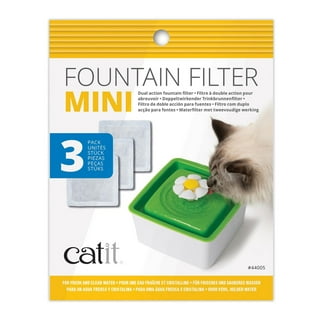
Credit: www.walmart.ca

Credit: www.amazon.com
Frequently Asked Questions
What Are Young Cat Water Fountain Filters?
Young Cat water fountain filters are specialized filters designed for cat water fountains. They remove impurities, odors, and debris, ensuring clean and fresh drinking water for cats. These filters promote better hydration and overall health by maintaining water quality.
How Often Should I Replace Young Cat Fountain Filters?
Replace Young Cat fountain filters every 2 to 4 weeks. Frequent replacement ensures optimal filtration, preventing bacterial growth and maintaining water freshness. Check the manufacturer’s guidelines for specific timing based on usage and water quality.
Are Young Cat Filters Safe For My Cat?
Yes, Young Cat filters are safe for cats. They use non-toxic materials and effectively reduce contaminants like chlorine and hair. This helps protect your cat’s health by providing clean, fresh, and appealing drinking water.
Can Young Cat Filters Improve My Cat’s Water Intake?
Yes, Young Cat filters improve water taste and cleanliness. Cats prefer fresh, filtered water, which encourages them to drink more. Better hydration supports kidney health and reduces the risk of urinary issues in cats.
Conclusion
Young cat water fountain filters keep your pet’s water clean and fresh. They remove dirt, hair, and bad smells easily. Clean water helps cats stay healthy and drink more. Changing filters on time keeps the fountain working well. Choosing the right filter fits your cat’s needs best.
A good filter makes a big difference in water quality. Trusting these filters means your cat enjoys pure, tasty water every day. Simple care leads to happy, hydrated cats.

Lily Purrington is the founder of MyKittyPicks.com, a cozy corner of the web dedicated to helping cat lovers discover the best cat products, furniture, toys, and home decor ideas.
A lifelong cat enthusiast, Lily shares trusted tips, honest product recommendations, and stylish inspiration designed to keep kitties happy and homes beautiful.
Her mission is simple: to bring together practical advice and purr-fect picks that make life better for cats and the people who love them.


