
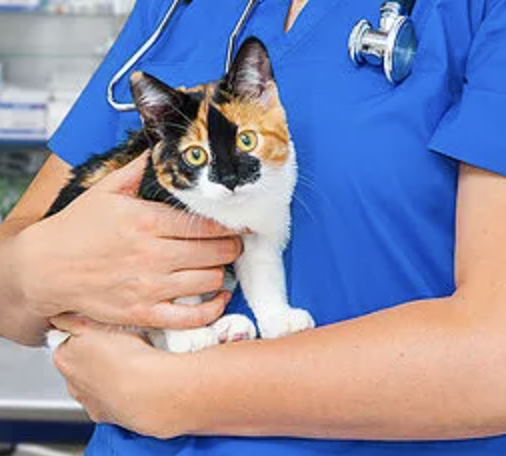
If your cat has been acting tired, drinking more water, or having trouble using the litter box, you might worry about kidney disease. But how do vets actually find out if your cat’s kidneys are failing?
Understanding the tests your vet uses can help you feel more confident and prepared. You’ll discover the simple and effective ways vets check for kidney disease in cats. Keep reading to learn what to expect during the exam and how early detection can make a big difference for your furry friend’s health.
Symptoms Indicating Kidney Issues
Kidney disease in cats can be hard to spot early. Knowing the symptoms helps owners get vet care fast.
Vets watch for signs that show kidney problems. These signs help them decide if tests are needed.
Common Signs In Cats
Cats with kidney disease often drink more water than usual. They may pee more often or have accidents indoors.
Weight loss and poor appetite are also common. Some cats seem weak or tire easily during play.
- Increased thirst and urination
- Weight loss without trying
- Less eating or poor appetite
- Vomiting or nausea
- Bad breath with a chemical smell
- Weakness or low energy
- Coat looks dull or unkempt
Behavioral Changes To Watch
Kidney issues can change a cat’s behavior. Cats may hide more or seem confused.
Some cats stop grooming themselves well. They may also avoid jumping or playing like before.
- Hiding or avoiding people
- Confusion or disorientation
- Less grooming and a messy coat
- Less active or playful
- Changes in sleeping patterns

Credit: www.petivity.com
Physical Examination Procedures
Vets use physical exams to check a cat's kidney health. They look for signs that may show kidney disease.
The exam helps find problems early. It guides the vet on what tests to do next.
Palpation Techniques
Palpation means feeling the cat’s body with hands. Vets gently press the abdomen to check the kidneys.
They look for size, shape, and pain in the kidneys. Swollen or small kidneys can signal disease.
- Place cat in a comfortable position
- Use gentle pressure on the sides of the abdomen
- Compare both kidneys for size and feel
- Note any pain or unusual lumps
Vital Signs Assessment
Vets check vital signs to learn how the cat’s body is working. These signs show if the kidneys affect overall health.
They measure temperature, pulse, and breathing rate. Changes in these can hint at kidney problems or other illnesses.
- Take the cat’s temperature using a thermometer
- Count the heartbeats per minute
- Observe the breathing rate and effort
- Check gums for color and moisture
Laboratory Blood Tests
Vets use blood tests to check cat kidney health. These tests help find problems early.
Blood tests tell how well a cat’s kidneys work. They look at different levels in the blood.
Blood Urea Nitrogen (bun) Levels
BUN levels show how well kidneys remove waste. High levels mean kidneys may not work right.
- BUN is a waste product from protein breakdown.
- High BUN can cause tiredness and appetite loss.
- Vets track BUN to monitor kidney health.
Creatinine Measurement
Creatinine comes from muscle use. Kidneys should filter it out. High levels can show kidney issues.
| Creatinine Level | Health Status |
| Normal | Healthy Kidneys |
| High | Possible Kidney Damage |
Electrolyte Analysis
Electrolytes are minerals in the blood. They help body functions. Kidney problems can change their levels.
Common electrolytes checked include sodium, potassium, and calcium.
Unbalanced electrolytes can lead to weakness or confusion. Vets monitor these levels closely.

Credit: www.petivity.com
Urinalysis Importance
Urinalysis is a key test vets use to check cats for kidney disease.
This test helps find early signs of kidney problems by examining the cat’s urine.
Protein And Glucose Detection
Finding protein or glucose in urine can signal kidney disease or diabetes in cats.
- Protein in urine may mean kidney damage.
- Glucose in urine can show high blood sugar levels.
- Both need further testing to confirm the cause.
Specific Gravity Testing
Specific gravity shows how well the kidneys concentrate urine.
| Specific Gravity Level | Meaning |
| High | Good kidney function |
| Low | Possible kidney damage |
| Normal | Healthy kidney concentration |
Sediment Examination
Vets look for crystals, cells, or bacteria in urine sediment.
- Crystals can cause bladder problems.
- White blood cells show infection.
- Red blood cells suggest bleeding or damage.
- Bacteria indicate urinary tract infection.
Imaging Techniques
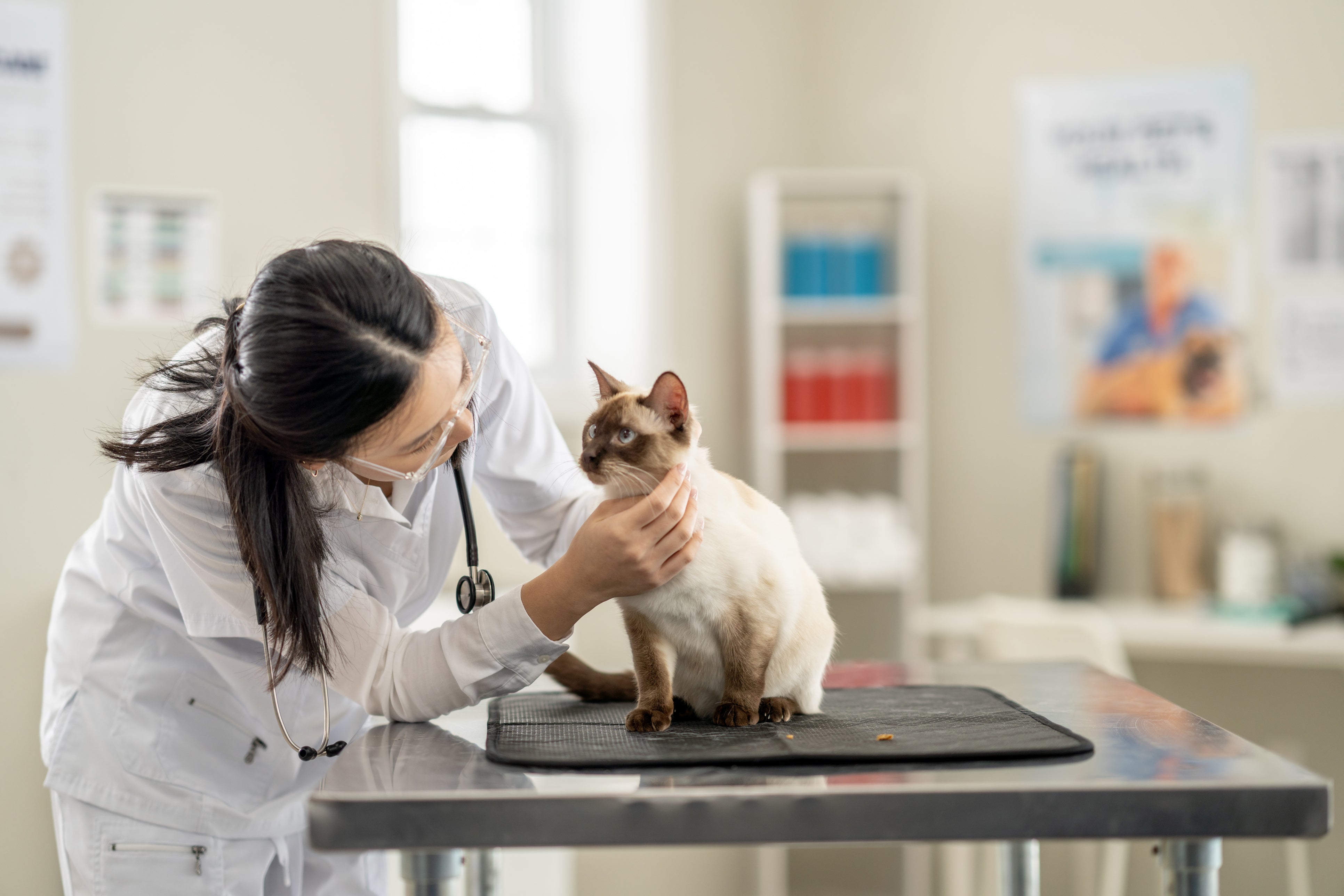
Vets use imaging techniques to check for kidney disease in cats. These methods help them see the kidneys clearly.
Imaging is non-invasive and provides crucial information. The main techniques are ultrasound scans and X-ray applications.
Ultrasound Scans
Ultrasound scans use sound waves to create images. They show the size and shape of the kidneys. This helps vets find any problems.
- Sound waves create detailed images
- Shows kidney size and shape
- Helps detect tumors or cysts
X-ray Applications
X-rays are another tool for checking kidneys. They use radiation to capture images. This helps vets see stones or blockages.
| Method | Purpose |
| Ultrasound | Visualize kidney details |
| X-ray | Detect stones and blockages |
Credit: boxiecat.com
Advanced Diagnostic Methods
Vets use advanced tools to check kidney health in cats. These methods help find kidney disease early.
Two key tests are kidney biopsy and GFR testing. They give clear details about kidney function and damage.
Kidney Biopsy
A kidney biopsy takes a small tissue sample from the kidney. This sample shows the exact type and level of damage.
- Performed under anesthesia to keep the cat still and pain-free
- Uses a thin needle to collect tissue
- Tissue is examined under a microscope by a specialist
- Helps identify specific kidney diseases and inflammation
- Guides vets in choosing the best treatment
Gfr Testing
GFR testing measures how well the kidneys filter blood. It shows kidney function more accurately than other tests.
| Test Type | Description | Purpose |
|---|---|---|
| Plasma Clearance Test | Measures clearance of substances like iohexol | Determines the filtration rate of kidneys |
| Cystatin C Test | Measures cystatin C protein in blood | Estimates GFR and kidney function |
| Creatinine Clearance | Compares creatinine in blood and urine | Assesses kidney filtering ability |
Interpreting Test Results
Testing for kidney disease in cats involves several lab results. Vets look at these results together to understand the cat’s health.
Each test gives a piece of the puzzle. Reading all results helps vets make the right diagnosis and plan treatment.
Combining Data For Diagnosis
Vets use blood tests, urine tests, and physical exams to check for kidney disease signs. No single test tells the whole story.
- Blood tests:Measure waste levels and kidney function.
- Urine tests:Check concentration and protein levels.
- Physical exam:Look for dehydration or weight loss.
- Medical history:Consider symptoms and past health.
By looking at all data, vets decide if kidney disease is present and how serious it is.
Monitoring Disease Progression
After diagnosis, vets track changes in test results over time. This helps check if the disease is stable or worsening.
| Test | What It Shows | Why It Matters |
| Creatinine | Waste level in blood | Higher means worse kidney function |
| SDMA | Early kidney damage marker | Rises before creatinine increases |
| Urine Specific Gravity | Concentration of urine | Low levels show kidney cannot concentrate urine |
| Protein in Urine | Protein leakage | High levels suggest kidney damage |
Regular testing helps vets adjust treatment plans to slow disease and keep cats comfortable.
Frequently Asked Questions
How Do Vets Diagnose Kidney Disease In Cats?
Vets use blood tests and urinalysis to detect kidney disease. These tests assess kidney function and detect early damage. Imaging like ultrasounds may also help evaluate kidney structure and health.
What Blood Tests Check Kidney Health In Cats?
Blood tests measure creatinine, BUN, and SDMA levels. High values often indicate impaired kidney function. These markers help vets assess disease severity and monitor progression.
How Does Urinalysis Help Detect Cat Kidney Disease?
Urinalysis checks urine concentration and protein presence. Diluted urine or proteinuria signals kidney problems. This test complements blood work for a full kidney health picture.
When Should I Take My Cat For Kidney Testing?
Test cats over seven years old yearly or if symptoms appear. Early detection improves treatment success. Signs include increased thirst, urination, weight loss, or lethargy.
Conclusion
Testing for kidney disease in cats helps catch problems early. Vets use blood tests and urine checks to see how kidneys work. These tests give clear information about your cat’s health. Early detection can improve treatment success and quality of life.
Watch for signs and visit the vet often. Keeping your cat healthy starts with good care and regular check-ups. Understanding these tests helps you support your furry friend better. Kidney disease can be managed well with the right steps. Simple tests make a big difference in your cat’s health.

Lily Purrington is the founder of MyKittyPicks.com, a cozy corner of the web dedicated to helping cat lovers discover the best cat products, furniture, toys, and home decor ideas.
A lifelong cat enthusiast, Lily shares trusted tips, honest product recommendations, and stylish inspiration designed to keep kitties happy and homes beautiful.
Her mission is simple: to bring together practical advice and purr-fect picks that make life better for cats and the people who love them.


