

Have you ever wondered how your furry feline friends bring new kittens into the world? Understanding the mating behavior of domestic cats can be both fascinating and enlightening.
As a cat owner or enthusiast, knowing how cats mate helps you better understand their needs and behaviors. We’ll uncover the mysteries of cat courtship and mating rituals, shedding light on the unique and sometimes surprising aspects of their reproduction process.
You won’t want to miss these intriguing insights that can deepen your connection with your pet and enhance your role as a caring cat owner. Dive in to discover the world of feline romance and reproduction!
Cat Mating Season
Understanding the cat mating season is key to knowing when your feline friend might start showing unusual behaviors. Unlike some animals that have strict mating periods, domestic cats have specific times when they are more likely to be fertile and ready to mate. Recognizing these patterns can help you manage your cat’s health and behavior better.
When Cats Are Most Fertile
Cats typically enter their most fertile phase during the spring and early summer months. This period, often called “heat” or estrus, is when female cats are receptive to males and can conceive. You might notice your cat becoming more vocal, restless, or affectionate during this time.
Female cats usually go into heat every two to three weeks until they mate or the season ends. Their fertile window lasts only a few days, which means timing is crucial if you’re considering breeding or trying to prevent unwanted litters. Male cats, on the other hand, remain fertile year-round but become more active when females are in heat.
Environmental Triggers
Light plays a major role in triggering the cat mating season. Longer daylight hours signal to cats that it’s time to reproduce, which is why you see more mating behaviors in spring and summer. If you live in a place with consistent daylight, like near the equator, your cat’s mating behavior might not follow a strict seasonal pattern.
Temperature changes and the presence of other cats also affect mating readiness. You may notice your cat reacting differently if there are other cats nearby or if the weather becomes warmer. Have you ever wondered why your indoor cat suddenly acts restless during certain times of the year? Light and environment could be the answer.
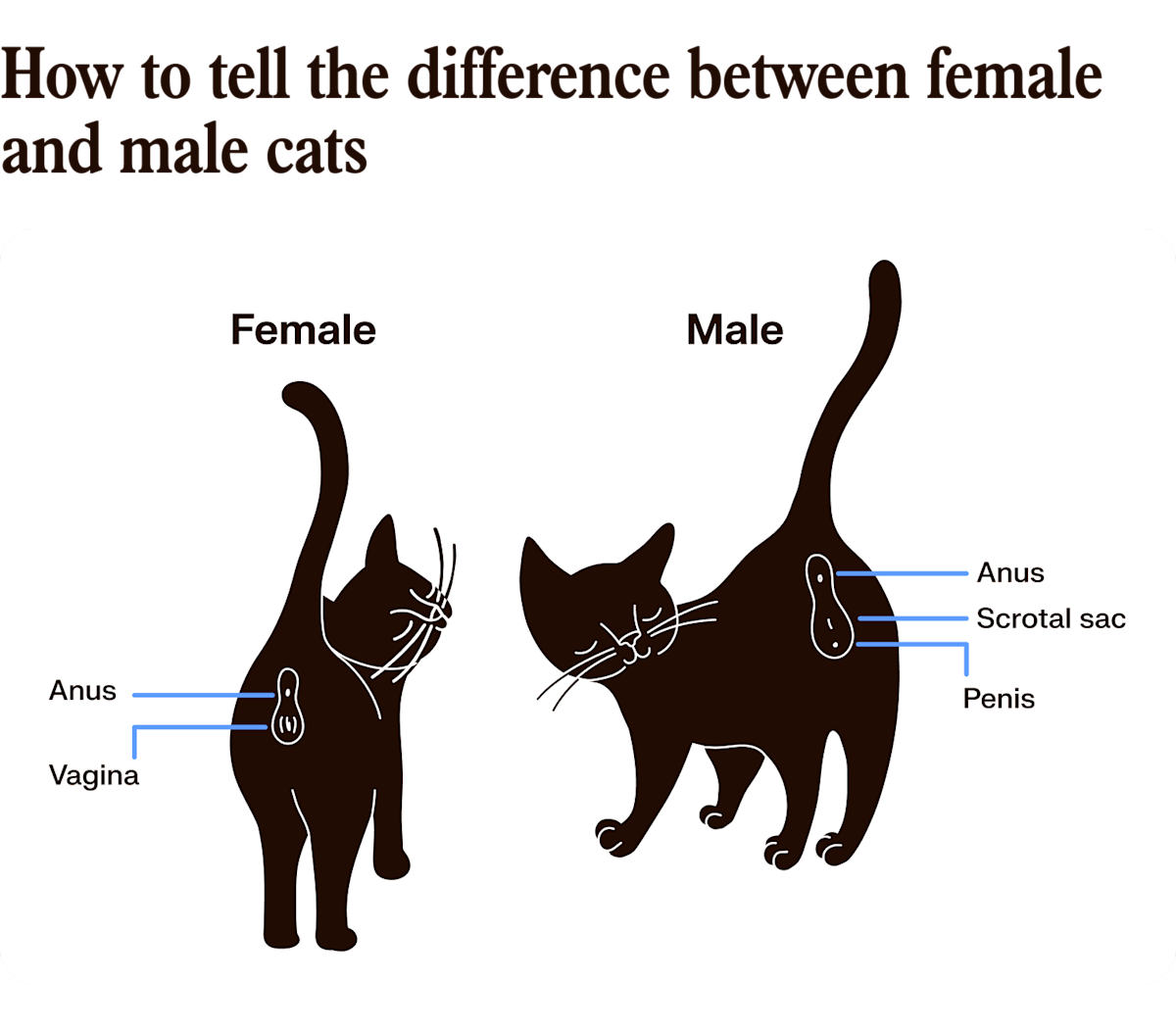
Credit: www.kinship.com
Courtship Rituals
The courtship rituals of domestic cats are fascinating and complex. These behaviors ensure that both the male and female are ready to mate, creating a natural rhythm to their interactions. Understanding these rituals can help you better observe and interpret your cat’s behavior during this sensitive time.
Male Cat Behavior
Male cats exhibit distinct behaviors during courtship. They often become more vocal, producing loud yowls to attract females. You might notice your male cat rubbing his face and body against objects or even people to mark his territory with scent.
Physical displays are also common. Males may puff up their fur to appear larger and more dominant. This shows other males to stay away and signals confidence to the female.
Have you ever seen a male cat chase a female in a seemingly playful but persistent way? This pursuit is part of the ritual and can last for several minutes or even hours until the female signals her readiness.
Female Cat Signals
Female cats communicate their receptiveness with subtle but clear signals. When a female is in heat, she often assumes a specific posture called lordosis—raising her hindquarters and moving her tail to one side. This posture invites the male to approach.
She may also vocalize with soft, repetitive meows or purrs, which serve as an invitation. At the same time, a female may become more affectionate or, conversely, more irritable depending on her mood.
Understanding these signals is key if you want to manage your cats’ interactions responsibly. Have you noticed your female cat behaving differently around certain times? These changes are her way of saying she’s ready—or not ready—for the next step.
Mating Process
The mating process of domestic cats is a fascinating behavior driven by instinct. It involves a series of steps that both the male and female follow naturally. Understanding this process sheds light on cat behavior during their breeding season. It also helps pet owners recognize signs of mating readiness and activity.
How Cats Approach Mating
Male cats start by detecting a female’s scent signals. These signals show the female is in heat and ready to mate. The male often becomes more vocal and restless during this time.
The female cat may signal her readiness by arching her back and raising her tail. She also purrs and rolls on the ground to attract the male. The male approaches cautiously, sometimes circling the female before mating.
Both cats engage in brief courtship behaviors, like nuzzling or gentle biting. This helps them become comfortable before the actual mating happens.
Duration And Frequency
Cat mating is usually quick but intense. The actual act lasts only a few seconds, often less than a minute. However, the male may mate with the female multiple times during her heat cycle.
Each mating session can happen several times a day, often spaced out by short breaks. This repeated mating increases the chances of successful fertilization.
The female’s heat cycle lasts about 5 to 10 days and can repeat every few weeks if she does not become pregnant. During this time, mating frequency remains high.

Credit: www.petscare.com
Male Cat Competition
Male cats face fierce competition to mate with females. This rivalry shapes their behavior and social order. The contest is not just about strength but also about strategy and stamina. Understanding this competition reveals how male cats interact during mating season. Each male tries to prove his worth through various actions.
Territorial Battles
Male cats mark and defend territories to attract females. They use scent marking and loud vocalizations to warn rivals. These battles can involve chasing and physical fights. Stronger males secure better areas with more females. Territory is a key factor in mating success. Cats avoid fights if possible, but won’t back down easily.
Dominance And Access
Dominant males get priority to mate with females in heat. They show dominance through posture and aggressive behavior. Submissive males wait for a chance or move to less crowded areas. Dominance helps control access to females during her fertile period. Male cats use dominance to outcompete rivals quickly. This hierarchy keeps mating organized and limits constant fighting.
Female Cat’s Role
The female cat plays a crucial role in the mating process. She controls when and with whom she mates. Her body signals readiness and her behavior guides the male cat. Understanding her role helps explain how domestic cats reproduce naturally.
Estrus Cycles
Female cats experience estrus cycles, also called heat cycles. These cycles occur several times a year. During estrus, she is fertile and ready to mate. Her body releases hormones that trigger mating behavior. Signs include vocalizing loudly, rubbing against objects, and raising her hindquarters. The estrus phase lasts about a week but can vary.
Receptivity And Choice
The female cat shows receptivity by allowing the male to approach. She may move her tail to the side and stay still. If she is not ready, she may hiss or swipe at the male. Female cats often choose the strongest or most persistent males. This choice helps ensure healthy offspring. She can mate with several males during one heat cycle.
After Mating
After domestic cats mate, several changes happen in the female cat’s body and behavior. These changes help prepare her for possible pregnancy and motherhood. Observing these signs can tell you if the mating was successful.
Behavioral Changes
Female cats often act differently after mating. She may become more affectionate or more distant. Some cats show restlessness and pace around more than usual. Others may hide or sleep more. These behaviors help conserve energy for pregnancy or signal stress. Male cats usually lose interest after mating and leave the female alone.
Pregnancy Signs
Pregnancy in cats lasts about 63 to 67 days. Early signs include:
- Swollen, pink nipples
- Increased appetite
- More sleep and less play
- Weight gain around the abdomen
As pregnancy progresses, the female may show nesting behavior. She looks for quiet, safe places to prepare for kittens. Not all signs appear immediately, so patient observation is key.
Breeding Challenges
Breeding domestic cats is not always simple. Many factors can make mating difficult. These challenges affect both the health of the cats and the success of the breeding process. Understanding these issues helps cat owners and breeders make better decisions. It also ensures the well-being of the cats involved.
Health Considerations
Health plays a big role in cat breeding. Both the male and female cats must be in good condition.
- Vaccinations should be up to date to prevent diseases.
- Parasites like fleas and worms must be treated before mating.
- Genetic problems may affect the kittens or the mother’s ability to carry pregnancy.
- Regular vet checkups can spot hidden health issues early.
Breeding unhealthy cats can lead to complications and weak offspring.
Common Issues
Several problems often arise during cat mating and pregnancy.
- Female cats may reject the male or show aggressive behavior.
- Failure to mate can happen due to stress or hormonal imbalances.
- False pregnancies sometimes occur, causing confusion and stress.
- Complications during pregnancy include miscarriage or stillbirth.
- Birth difficulties may require veterinary intervention.
Being aware of these challenges helps in preparing for a safer breeding experience.

Credit: cats.fandom.com
Frequently Asked Questions
How Do Domestic Cats Find Mating Partners?
Domestic cats use scent marking and vocalizations to attract mates. Females release pheromones during heat, signaling readiness to males nearby.
What Is The Mating Behavior Of Domestic Cats?
Male cats compete for females by vocalizing and displaying dominance. Females show receptiveness through specific body language and vocal cues.
How Long Does Domestic Cat Mating Last?
Mating usually lasts a few seconds but can repeat multiple times in one heat cycle. It involves brief, intense interactions.
When Do Domestic Cats Typically Mate?
Cats usually mate during the female’s heat cycle, which occurs several times a year, mostly in spring and summer.
Conclusion
Domestic cats have unique mating behaviors that help them reproduce. Female cats go into heat several times a year to attract males. Male cats compete for the chance to mate with a receptive female. The process is brief but important for cat populations.
Understanding this helps cat owners care for their pets better. Mating is natural and part of a cat’s life cycle. Knowing these facts can improve how you manage and support your cat’s health. Simple knowledge makes a big difference in pet care.

Lily Purrington is the founder of MyKittyPicks.com, a cozy corner of the web dedicated to helping cat lovers discover the best cat products, furniture, toys, and home decor ideas.
A lifelong cat enthusiast, Lily shares trusted tips, honest product recommendations, and stylish inspiration designed to keep kitties happy and homes beautiful.
Her mission is simple: to bring together practical advice and purr-fect picks that make life better for cats and the people who love them.


