

Have you ever wondered why your cat suddenly becomes restless or vocal at certain times of the year? Understanding when cats enter their mating season can help you better care for your furry friend and manage their behavior.
Knowing these key periods not only keeps your cat comfortable but also prevents unexpected litters and reduces stress for both of you. Keep reading to discover exactly when cats go into mating season and what signs you should watch for—it could change the way you look at your pet’s behavior forever.
Cat Breeding Basics
Cats have a natural breeding cycle that repeats several times a year. Understanding this cycle helps in managing cats better and knowing when mating occurs. Breeding involves several stages, starting from the female’s heat to the mating behaviors of males. It is important for cat owners and breeders to recognize these stages clearly.
Knowing the basics of cat breeding ensures proper care and timing. It also helps in preventing unwanted litters. Each cat may show different signs during their reproductive cycle. Recognizing these signs can guide you through the process safely.
Feline Reproductive Cycle
The feline reproductive cycle lasts about two to three weeks. It repeats every two to three weeks during the breeding season. Female cats are polyestrous, meaning they go into heat multiple times a year. Each heat cycle has several phases: proestrus, estrus, metestrus, and anestrus.
During estrus, the female is ready to mate. This phase usually lasts four to six days. If mating does not occur, the cycle starts again after a short rest. Outdoor cats often have longer breeding seasons due to natural light changes.
Signs Of Heat In Cats
Female cats show clear signs when in heat. These signs include:
- Loud, frequent vocalization
- Increased affection towards people or other cats
- Restlessness and pacing
- Rubbing against furniture or people
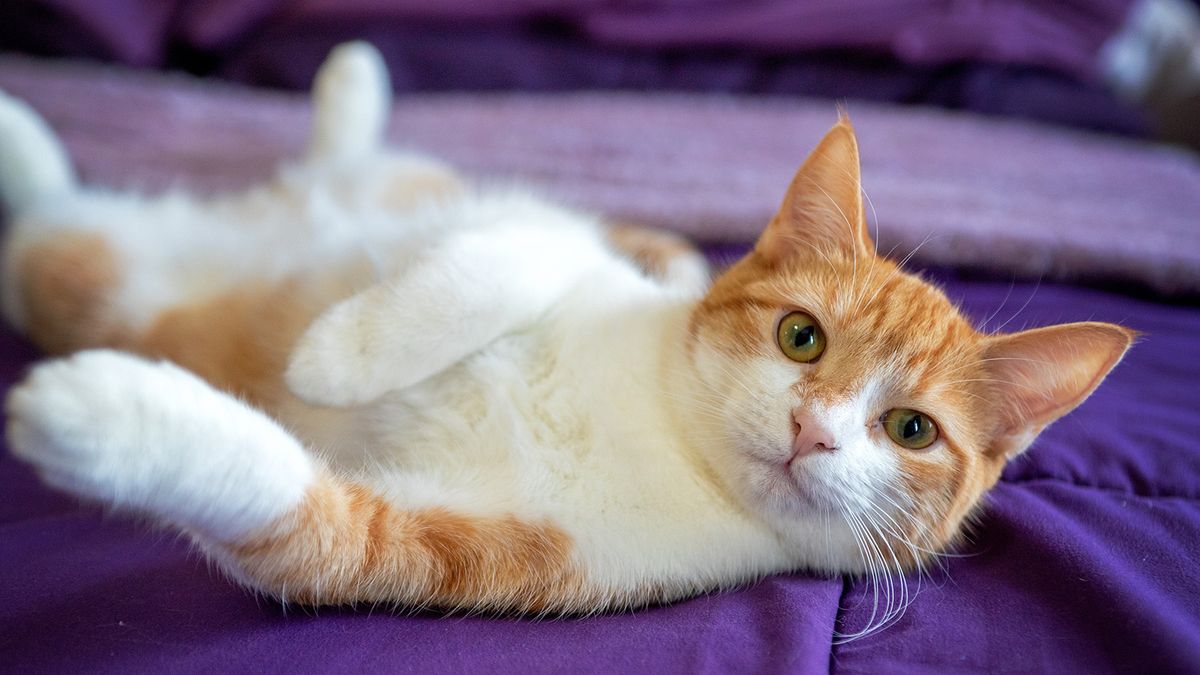
- Raising the hindquarters when petted
These behaviors help attract male cats. The female may also spray urine to mark her readiness. Heat signs usually last about one week.
Male Cat Behavior During Mating
Male cats become more active and aggressive during mating season. They roam larger areas searching for females. Their behaviors include:
- Loud yowling and calling
- Marking territory with strong-smelling urine
- Fighting with other males over females
- Following and chasing females
After mating, males might rest but remain alert for other females. Their behavior is driven by strong hormones during this time.
Timing Of Mating Season
The timing of a cat's mating season varies based on several factors. Understanding this timing helps in managing cat behavior and care. The season usually spans certain months and depends on environmental and biological cues. Cats are seasonal breeders, meaning their mating activity peaks during specific periods.
Typical Breeding Months
Most cats enter mating season in early spring. It often starts around March and lasts until September. During these months, female cats, called queens, go into heat frequently. This is the time they are most fertile and seek male cats. The longer daylight hours in spring and summer trigger this cycle. Breeding activity slows down as autumn approaches.
Factors Influencing Mating Season
Several factors affect when cats mate. The amount of daylight is a major influence. More daylight increases hormone levels, prompting heat cycles. Temperature also plays a role; warmer weather encourages breeding. Nutrition and health status impact fertility and mating readiness. Stress or lack of mates can delay or reduce mating activity. Some cats may have multiple heat cycles if not bred.
Indoor Vs Outdoor Cats
Indoor cats often have less defined mating seasons. Artificial lighting and controlled environments affect their cycles. They may go into heat year-round due to steady light exposure. Outdoor cats follow natural seasonal patterns more closely. They respond to natural daylight and temperature changes. Outdoor cats usually have a shorter, more distinct mating season. Owners of indoor cats may notice more frequent heat behaviors.
Environmental Impacts
Environmental factors play a crucial role in determining when cats enter their mating season. Understanding these impacts can help you anticipate your cat’s behavior and manage their needs better. Let’s look closely at how daylight and weather conditions influence feline mating patterns.
Effect Of Daylight Length
Cats are sensitive to changes in daylight, which directly affects their reproductive cycles. As days get longer in spring and early summer, female cats, or queens, begin their heat cycles more frequently.
You might notice your cat becoming more vocal or restless during this time. This is because increased daylight triggers hormonal changes that signal the mating season has started. Have you observed your pet acting differently when the days grow longer?
Temperature And Weather Influence
Temperature also impacts when cats are ready to mate. Warmer weather encourages outdoor activity, increasing the chances of cats encountering potential mates.
Cold or rainy weather often reduces these interactions, causing a lull in mating behavior. If you live in a region with mild winters, you might see cats mating almost year-round, unlike areas with harsh winters where the season is more defined.
Paying attention to these environmental cues can help you better understand your cat’s behavior and plan accordingly, whether it’s managing outdoor access or considering spaying and neutering options.
Credit: animals.howstuffworks.com
Breeding Frequency And Patterns
Understanding how often cats mate and their breeding patterns can help you manage their health and behavior better. Cats don’t have just one breeding season; their reproductive cycles can vary widely based on environment and individual factors. Knowing the details about their heat cycles can give you insight into when your cat might be ready to mate.
Estrus Cycle Duration
The estrus cycle, or heat period, typically lasts about 4 to 7 days. During this time, female cats are receptive to mating and may show noticeable changes in behavior. You might see your cat become more vocal, restless, or affectionate, signaling she’s in heat.
Interestingly, if a cat doesn’t mate during this period, her heat can pause briefly and then return again in a few weeks. This pattern can repeat multiple times, making it important to watch for signs if you’re trying to prevent or plan for breeding.
Multiple Heat Cycles Per Year
Cats can have several heat cycles each year, especially if they live in warmer climates or indoors where artificial light affects their cycle. On average, a cat may experience 2 to 3 heat cycles during the breeding season, which often spans from early spring to late fall.
It’s common for a cat to go into heat every 2 to 3 weeks if she doesn’t get pregnant. This frequency can be exhausting for both the cat and the owner. Have you noticed your cat acting strangely every few weeks? That might be why.
- Indoor cats may have longer or more frequent heat cycles due to consistent lighting.
- Outdoor cats’ heat cycles often align with natural daylight changes.
- Spaying stops these cycles completely, preventing unwanted pregnancies.
Monitoring these patterns can help you decide the best time for breeding or when to seek veterinary advice. What have you noticed about your cat’s heat cycles?
Managing Cat Breeding
Managing cat breeding is essential to control the population and ensure the health of your feline friends. Without proper care, unplanned litters can quickly become overwhelming. Understanding how to manage breeding during mating season helps keep cats safe and your household balanced.
Spaying And Neutering Benefits
Spaying and neutering your cat prevents unwanted pregnancies and reduces the risk of certain diseases. It can also calm aggressive or restless behavior often seen in unaltered cats during mating season. When I had my first cat spayed, I noticed a huge drop in her roaming and yowling at night.
These surgeries help control the cat population, which decreases the number of homeless cats. Plus, your cat will likely live a longer, healthier life. Have you considered how this simple procedure might change your cat’s behavior and wellbeing?
Preventing Unplanned Litters
Preventing unplanned litters starts with keeping your cat indoors during mating season. Male cats can travel miles to find a mate, so securing windows and doors is crucial. You might also want to separate male and female cats if you have both at home.
Another practical tip is to schedule spaying or neutering before your cat hits sexual maturity. This avoids the stress and risks of unplanned pregnancies. How often have you heard of people overwhelmed by surprise litters and wished they had taken action sooner?
Care During Mating Season
During mating season, female cats in heat need extra attention and comfort. They may become vocal and restless, so providing a quiet, cozy space can help reduce stress. Make sure they have plenty of food and fresh water, as their energy needs can increase.
Keep an eye on your cats for any signs of injury or illness from mating attempts. If you notice unusual behavior or wounds, contact your vet immediately. Are you ready to step up your care routine to protect your cats during this challenging time?
Health Considerations
Understanding health considerations during a cat's mating season is vital. It ensures the well-being of both the mother and her kittens. Breeding at the right time and with proper care helps prevent many health problems. Careful attention supports a healthy pregnancy and safe delivery.
Risks Of Early Breeding
Breeding a cat too early can lead to serious health issues. Young cats may not be fully grown or strong enough for pregnancy. This can cause complications like:
- Weakness and fatigue
- Increased risk of miscarriage
- Difficulty during birth
- Lower survival rates for kittens
Early breeding also stresses the cat’s body. It may affect her growth and long-term health.
Pregnancy And Kitten Care
Pregnant cats need special care to stay healthy. Provide a quiet, warm space for her to rest. Nutrition is key; feed high-quality food rich in protein and vitamins.
Regular vet visits help monitor the pregnancy. Watch for signs of trouble such as vomiting, bleeding, or loss of appetite.
After birth, kittens need warmth and frequent feeding. The mother should nurse them and keep them clean. Proper care during this time ensures strong, healthy kittens.
Breeding Myths And Facts
Understanding the truths and myths about cat breeding can help you take better care of your feline friends. Many people hold strong beliefs about when and how cats mate, but not all of these ideas are accurate. Clearing up these myths can prevent confusion and improve how you manage your cat’s reproductive health.
Common Misconceptions
One popular myth is that cats only mate during springtime. While it’s true that cats are more active in warmer months, they can come into heat multiple times a year, especially indoors where temperature and light are controlled.
Another misunderstanding is that cats must mate to be healthy or happy. Actually, spaying or neutering your cat can greatly reduce health risks and prevent unwanted litters without affecting their behavior negatively.
- Myth: Cats only mate once a year.
- Myth: All cats must mate to avoid health problems.
- Myth: Male cats are always ready to mate regardless of the female’s cycle.
Have you noticed your cat’s mood swings during certain times? That’s often linked to their heat cycle, not just a random behavior change.
Scientific Insights
Cats are classified as “seasonally polyestrous,” meaning they have multiple heat cycles during certain seasons, typically from early spring to late fall. Their reproductive cycle is triggered by the length of daylight, not strictly the calendar season.
Research shows that indoor cats can cycle year-round if exposed to artificial lighting. This explains why some pet owners notice their cats going into heat during winter.
| Fact | Explanation |
|---|---|
| Cats are induced ovulators | Ovulation happens after mating, increasing chances of pregnancy. |
| Multiple heat cycles | Without mating, females will repeat heat cycles every few weeks. |
| Light influences breeding | Longer daylight increases hormone production that triggers heat. |
Does understanding these facts change how you view your cat’s behavior? Knowing when and why your cat goes into heat can help you decide on the best care and timing for spaying or breeding.
Credit: www.petscare.com

Credit: cats.fandom.com
Frequently Asked Questions
When Is The Typical Cat Mating Season?
Cat mating season usually occurs from early spring to late fall. This period spans March through September in most regions, influenced by daylight length and temperature. During this time, female cats go into heat multiple times, increasing chances of reproduction.
How Long Does A Cat’s Mating Season Last?
A cat’s mating season can last several months, typically from March to September. Female cats may go into heat every two to three weeks during this period until they mate or the season ends.
Do Indoor Cats Have A Mating Season?
Indoor cats may have a less defined mating season. Artificial lighting indoors can disrupt natural cycles, causing females to go into heat year-round or irregularly.
What Signs Indicate A Cat Is In Mating Season?
Signs include increased vocalization, restlessness, affectionate behavior, and spraying. Female cats may also assume a mating posture when petted, signaling readiness to mate.
Conclusion
Cats have specific mating seasons. Most often in spring and summer. Warmer months trigger natural instincts. During these times, cats seek partners. This behavior ensures survival of their species. Owners should be prepared for changes. Cats may vocalize more. They might seem restless or affectionate.
It’s important to understand these behaviors. Spaying or neutering helps manage this. It reduces unwanted litters. It also keeps your cat healthier. Being informed about mating seasons helps pet care. You can ensure a happy, healthy environment. For both your cat and household.

Lily Purrington is the founder of MyKittyPicks.com, a cozy corner of the web dedicated to helping cat lovers discover the best cat products, furniture, toys, and home decor ideas.
A lifelong cat enthusiast, Lily shares trusted tips, honest product recommendations, and stylish inspiration designed to keep kitties happy and homes beautiful.
Her mission is simple: to bring together practical advice and purr-fect picks that make life better for cats and the people who love them.


