
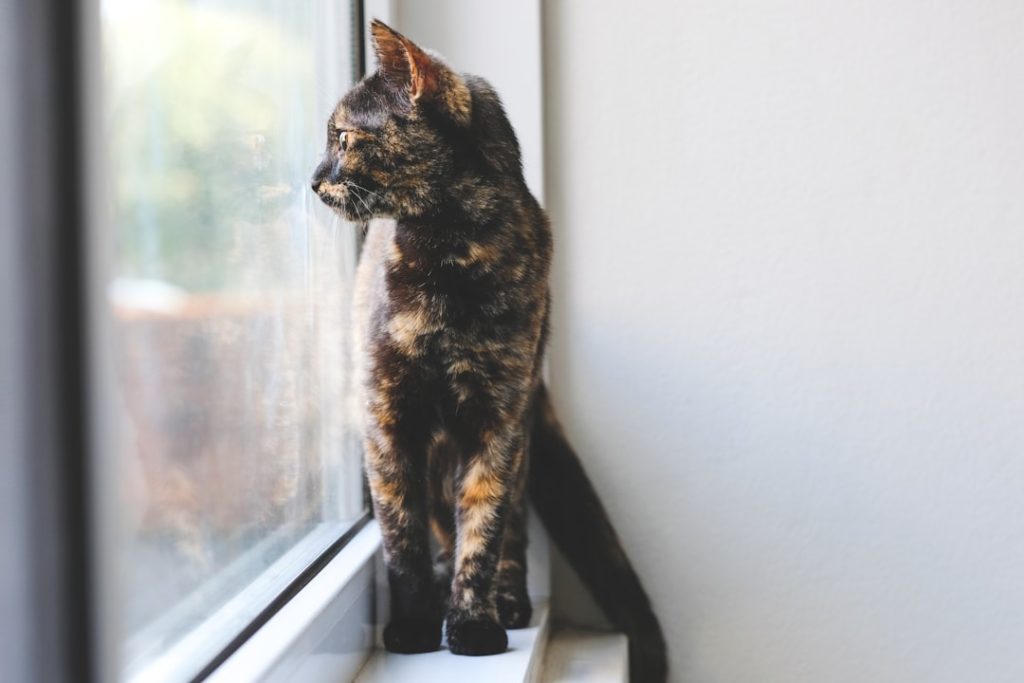
Have you ever noticed your cat acting restless or meowing loudly when you leave the room? You might be wondering, “Does my cat have separation anxiety?”
Understanding your furry friend’s feelings can be tricky, but it’s important for their happiness and your peace of mind. This quiz will help you discover if your cat struggles when you’re away. Ready to find out what’s really going on?
Keep reading and get the answers you need to help your cat feel calm and loved.

Credit: us.feliway.com
What Is Cat Separation Anxiety
Cat separation anxiety is a condition where cats feel stressed when left alone. This anxiety can cause unusual behaviors and affect their health. Understanding this helps cat owners provide better care and comfort.
What Causes Cat Separation Anxiety?
Changes in routine or environment often trigger anxiety in cats. Moving to a new home, a new family member, or a change in schedule can cause stress. Lack of social interaction also plays a big role.
Common Signs Of Separation Anxiety In Cats
- Excessive meowing or crying
- Destructive behavior, like scratching or chewing furniture
- Loss of appetite or refusal to eat
- Excessive grooming or hair loss
- Urinating or defecating outside the litter box
How Cat Separation Anxiety Affects Behavior
Anxious cats may become clingy or aggressive. Some hide or refuse to play. Their normal activities change, showing their discomfort clearly.
Who Is At Risk Of Cat Separation Anxiety?
Young cats, especially those adopted from shelters, often develop anxiety. Cats with strong bonds to their owners also suffer more. Lack of early socialization increases risk.
Common Signs To Watch For
Noticing changes in your cat’s behavior when you leave the house can reveal if they suffer from separation anxiety. Cats often show subtle signs that something is wrong before it becomes a big issue. Watching for these signs helps you understand your cat’s emotional state and take action to ease their stress.
Behavioral Changes
Your cat may start acting differently around you or when alone. They might become clingy, following you everywhere, or suddenly hide in unusual spots. Sometimes, cats show restlessness or pacing, which is a clear sign they feel uneasy.
Have you observed your cat scratching furniture more than usual or urinating outside the litter box? These can be signs of anxiety rather than just bad habits. Pay attention if these behaviors appear mostly when you prepare to leave or right after you go out.
Vocalization Patterns
Increased meowing or yowling can signal that your cat is distressed. Some cats vocalize loudly or persistently when they feel lonely or anxious. Notice if your cat’s vocalizations change in tone or frequency during your absence.
Ask yourself: does your cat cry more when you get ready to leave? This kind of vocal behavior often means they’re trying to communicate their discomfort. Recording or noting these patterns can help you discuss them clearly with your vet.
Physical Symptoms
Stress affects cats physically too. Look for signs like excessive grooming, which can cause bald patches or skin irritation. Some cats may lose their appetite or show digestive issues like vomiting or diarrhea.
Does your cat seem tense or have dilated pupils when you’re about to leave? These physical cues are important. They reveal how deeply your cat is affected by separation, beyond just behavior or sounds.
Causes Of Separation Anxiety In Cats
Separation anxiety in cats often stems from changes in routine or a lack of social interaction. Stressful events like moving or new pets can also trigger this behavior. Understanding these causes helps identify if your cat needs extra comfort and care.
Understanding the causes of separation anxiety in cats can help address the issue. Cats are sensitive creatures. Various factors can trigger anxiety in them. Identifying these causes can make a big difference.Changes In Routine
Cats thrive on consistency. Any change can unsettle them. A new work schedule or vacation can cause stress. Even small changes in feeding times matter. Cats notice everything. Such disruptions may lead to anxiety.Environmental Stressors
Environment plays a significant role in a cat’s well-being. Loud noises can be distressing. A noisy neighborhood or construction work might frighten them. New pets or people can also be unsettling. Cats need a calm and stable environment.Past Trauma
Traumatic past experiences can haunt cats. Abandonment or previous neglect might cause anxiety. Cats remember negative experiences. These memories can trigger anxiety. Past trauma needs careful handling and patience.
Credit: www.holistapet.com
How To Use The Separation Anxiety Quiz
Using a separation anxiety quiz for your cat can be a revealing experience. It helps you understand your cat’s behavior when you leave the house and whether they’re stressed. Knowing how to use the quiz properly ensures you get useful insights that guide your next steps.
Quiz Format
The quiz usually consists of simple questions about your cat’s behavior before, during, and after you leave. These questions often ask about vocalization, destruction of objects, bathroom habits, and changes in appetite.
Most quizzes use a multiple-choice format where you select answers that best fit your cat’s reactions. Some quizzes may have a scoring system where different answers carry different points. This keeps the process quick and easy, even if you’re busy.
Think about how your cat acts the last time you left home. Does your cat meow loudly or scratch furniture? Answer honestly to get the most accurate result.
Interpreting Results
Once you finish the quiz, you’ll see your score or a summary of your cat’s anxiety level. Scores typically fall into categories like low, moderate, or high separation anxiety. Understanding where your cat fits helps you decide what changes to make.
If the quiz suggests your cat has moderate or high anxiety, consider behavioral changes or consulting a vet. Sometimes small adjustments—like leaving a piece of your clothing or using calming sprays—can make a big difference.
What stands out to you in the results? Are there behaviors you didn’t notice before? Use this information to watch your cat more closely and tailor your support to their needs.
Steps To Help Your Anxious Cat
Helping a cat cope with separation anxiety requires more than just patience; it demands thoughtful actions that address your cat’s emotional needs. Small changes in your daily routine and environment can make a big difference in easing your cat’s stress. Let’s look at practical steps you can take to support your anxious feline friend.
Creating A Comforting Environment
Your cat’s surroundings play a huge role in how secure they feel. Set up a cozy space with soft bedding and familiar scents, like a worn shirt of yours, to help your cat feel connected even when you’re away.
Provide safe hiding spots such as covered beds or boxes where your cat can retreat. These spots give them control over their environment and reduce feelings of vulnerability.
Consider leaving a radio or TV on low volume with soothing sounds or classical music. Background noise can mask sudden loud sounds that might trigger anxiety.
Training And Enrichment
Engaging your cat’s mind and body helps reduce anxiety by shifting their focus. Try interactive toys like puzzle feeders or laser pointers to keep your cat busy and mentally stimulated.
Practice short departures by leaving the house for a few minutes and gradually increasing the time. This helps your cat get used to your absence without panic.
Reward calm behavior with treats or affection. Positive reinforcement encourages your cat to associate your leaving with good things instead of stress.
When To Seek Professional Help
If your cat’s anxiety leads to destructive behavior, excessive vocalization, or loss of appetite, it’s time to consult a veterinarian or animal behaviorist. These professionals can diagnose underlying issues and recommend therapies or medications.
Don’t hesitate to ask for help if you feel overwhelmed. Your cat’s well-being is worth the extra support, and experts can provide tailored advice you might not find elsewhere.
Have you noticed patterns in your cat’s anxiety? Sharing these details with a professional can speed up finding the right solution.
Preventing Separation Anxiety
Preventing separation anxiety in your cat takes patience and consistent effort. It’s about helping your feline friend feel secure even when you’re not around. Small changes in your daily routine and interactions can make a big difference in how your cat copes with alone time.
Building Independence
Encourage your cat to spend short periods alone while you’re home. Start by leaving the room for a few minutes and gradually increase the time. This teaches your cat that your absence is temporary and nothing to fear.
Provide toys and activities that keep your cat entertained when alone. Puzzle feeders or interactive toys can distract your cat and reduce anxiety. Have you noticed your cat’s favorite toy? Use it to comfort them during alone time.
Consistent Schedules
Cats thrive on routine. Feeding, playtime, and sleep schedules should stay consistent every day. Predictability helps your cat feel safe and less stressed.
Try to leave and return at similar times. Your cat will start to understand your patterns and feel more secure. Do you keep your daily schedule varied? That might be confusing your cat more than you realize.
Positive Reinforcement
Reward calm and independent behavior with treats or affection. This encourages your cat to stay relaxed when you’re not around. Avoid punishing signs of anxiety, as it can increase stress.
Use a gentle voice and slow blinks to reassure your cat. These signals show them you’re not upset and help build trust. What small positive gestures do you use to comfort your cat?

Credit: www.youtube.com
Frequently Asked Questions
What Are Common Signs Of Cat Separation Anxiety?
Common signs include excessive meowing, scratching doors, and destructive behavior. Cats may also urinate outside the litter box and show restlessness or loss of appetite when alone.
How Can I Tell If My Cat Has Separation Anxiety?
Look for behavioral changes like pacing, vocalizing, or hiding when you leave. Repeated destructive acts or excessive grooming are also strong indicators of separation anxiety.
Can A Quiz Accurately Diagnose Cat Separation Anxiety?
A quiz helps identify symptoms but cannot replace a vet’s diagnosis. It provides guidance on whether professional evaluation or behavioral therapy is needed.
How Long Should My Cat Be Alone Before Anxiety Starts?
Cats may show anxiety after just 30 minutes alone. Duration varies by cat, but most develop symptoms when left alone for extended periods regularly.
Conclusion
Knowing if your cat has separation anxiety helps you care better. Small signs can show stress when you leave home. Use the quiz results to understand your cat’s feelings. Try simple steps to make your cat feel safe. Patience and love can improve your pet’s happiness.
Keep watching your cat’s behavior every day. Caring for a calm, happy cat makes life better for both.

Lily Purrington is the founder of MyKittyPicks.com, a cozy corner of the web dedicated to helping cat lovers discover the best cat products, furniture, toys, and home decor ideas.
A lifelong cat enthusiast, Lily shares trusted tips, honest product recommendations, and stylish inspiration designed to keep kitties happy and homes beautiful.
Her mission is simple: to bring together practical advice and purr-fect picks that make life better for cats and the people who love them.


