

Have you ever wondered if your male cat’s urine smell changes after neutering? If you’ve noticed an unpleasant odor around your home, you’re not alone.
Many cat owners ask the same question: does neutering really make a difference in the smell? Understanding this can help you keep your living space fresher and your cat healthier. Keep reading to discover what really happens to your cat’s urine scent after neutering and what you can do about it.

Credit: www.reddit.com
Why Male Cats Spray
Understanding why male cats spray can help you manage and reduce this behavior effectively. Spraying is not just a bad habit; it’s a form of communication deeply rooted in a cat’s instincts. Let’s look at the main reasons behind this behavior.
Territorial Behavior
Male cats often spray to mark their territory. This is their way of saying, “This is mine.”
Spraying leaves a strong scent that warns other cats to stay away. If you have multiple cats or outdoor cats nearby, your male cat might feel the need to defend his space more aggressively.
Have you noticed your cat spraying near windows or doors? These spots are prime locations for marking because they face the outside world, where other cats might roam.
Hormonal Influence
Hormones play a huge role in spraying. Intact male cats produce more testosterone, which increases their urge to spray.
This hormone drives them to mark their presence, especially when they sense female cats nearby or rival males. It’s a natural behavior linked directly to reproduction and dominance.
Neutering reduces testosterone levels, which often lowers the frequency and intensity of spraying. But it doesn’t always stop it completely, especially if the habit is well-established.
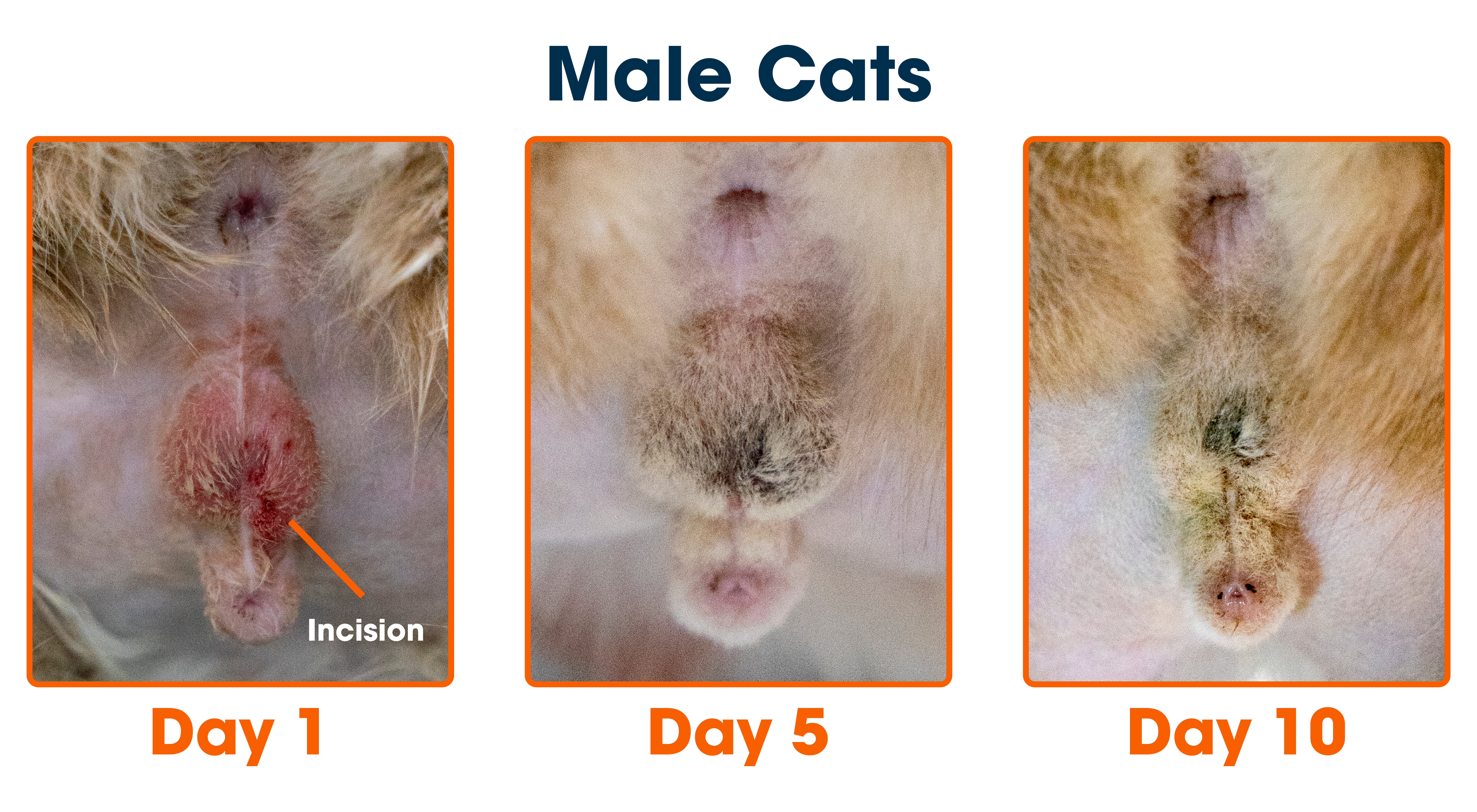
Credit: www.aspca.org
What Causes Urine Odor
Understanding what causes the strong odor in male cat urine is key to knowing why neutering might change its smell. The smell isn’t just unpleasant by accident; it has biological reasons behind it. Let’s break down what exactly makes male cat urine so pungent.
Chemical Composition
The main cause of the strong smell in male cat urine is its chemical makeup. Male cats produce higher levels of certain compounds called felinine and sulfur-containing substances. These chemicals are responsible for the sharp, musky odor that many find overwhelming.
Felinine breaks down into smelly sulfur compounds when urine is exposed to air. This creates that familiar strong scent. Interestingly, female cats have much lower levels of these chemicals, which is why their urine usually doesn’t smell as strong.
Marking Purpose
Have you ever noticed how male cats spray urine to mark their territory? This behavior is driven by more than just instinct—it’s a way to communicate with other cats. The strong odor acts like a message, signaling presence, dominance, and reproductive status.
Neutering reduces the production of hormones like testosterone that stimulate this marking behavior. Less hormone means less motivation to mark, and often, a decrease in the intensity of the urine’s smell. This is why many owners notice a difference after their male cat is neutered.
Effect Of Neutering On Urine
Neutering often reduces the strong smell of male cat urine. This happens because hormone levels drop, changing urine scent. Many owners notice less odor after their cats are neutered.
The effect of neutering on a male cat’s urine is a topic many pet owners are curious about. Neutering can bring about significant changes in a cat’s behavior and even in the characteristics of its urine. This can be a relief for cat owners, especially when dealing with the strong, pungent odor of male cat urine. But does the process truly make a noticeable difference?Hormone Reduction
Neutering leads to a reduction in hormones, specifically testosterone. Testosterone is responsible for many of the behaviors and characteristics associated with unneutered male cats. By reducing these hormone levels, neutering can diminish the intensity of certain behaviors, like spraying, which is often associated with marking territory. In my experience, after neutering my cat, I noticed a significant decline in his territorial spraying. This not only improved the overall atmosphere at home but also reduced the cleaning chores significantly. Have you noticed how much time you spend dealing with the aftermath of marking?Changes In Smell
One of the most apparent changes after neutering is the alteration in the smell of the cat’s urine. Unneutered male cats often have urine with a strong, ammonia-like odor, which can be quite overwhelming. Neutering usually reduces this pungency, making it less offensive to the human nose. After my cat’s surgery, the difference in the smell was almost immediate. The air felt fresher, and there was less need for air fresheners. It’s fascinating how a small medical procedure can lead to such a noticeable improvement in daily life. Have you experienced a similar transformation after neutering your pet? Understanding these effects can help you make an informed decision about neutering and prepare for the changes to your feline friend’s environment.Timing Of Smell Changes
The timing of smell changes in male cat urine after neutering varies. Some cat owners notice differences quickly, while others see changes later. Understanding the timing helps set realistic expectations for odor control.
Immediate Effects
Right after neutering, the cat’s hormone levels start to drop. This can reduce the strong odor in urine. Some cats show less urine smell within days. Others might take a few weeks. The change depends on how the body adjusts to lower hormone levels.
Neutering also lowers the urge to spray. This means fewer urine marks. Less spraying means less strong smell around the house. Immediate changes make it easier to manage cat odors.
Long-term Impact
Over months, the urine smell usually gets much milder. Hormone reduction becomes stable, reducing odor consistently. Long-term neutering often stops the sharp, pungent smell completely.
The cat’s behavior also improves with time. Less marking means less urine smell spread. The home environment stays fresher. Some cats may still have a faint smell, but it is much less noticeable.
Patience is key. The full benefit of neutering on urine smell can take several months to appear. Regular cleaning helps speed up the fresh environment.
Other Factors Influencing Odor
Male cat urine odor can change for many reasons besides neutering. Some causes come from inside the cat’s body, while others come from what the cat eats or drinks. Understanding these factors helps explain why urine smell varies from cat to cat. It also shows why neutering is not the only answer to odor issues.
Diet And Hydration
What a cat eats greatly affects urine smell. Foods high in protein often make urine stronger and smellier. Cats eating wet food usually have less concentrated urine. This leads to a lighter, less pungent odor.
Water intake plays a key role too. Cats that drink more water produce diluted urine. This reduces the intensity of the smell. On the other hand, cats that drink little water have more concentrated urine. This makes the odor stronger and harder to ignore.
Health Conditions
Some health problems cause changes in urine odor. Urinary tract infections can make urine smell foul. Kidney disease might also alter the smell of urine. These conditions need a vet’s attention to treat properly.
Metabolic disorders can change urine chemistry. This affects how strong or unusual the smell becomes. Regular check-ups help catch these issues early. Healthy cats tend to have less offensive urine odor.

Credit: www.reddit.com
Managing Urine Smell After Neutering
Managing urine smell after neutering can be easier with the right care. Neutering often reduces the strong odor but does not eliminate it completely. Good cleaning and litter box habits help keep your home fresh. Simple steps make a big difference in controlling the smell.
Cleaning Techniques
Use enzymatic cleaners to break down urine odors effectively. Avoid ammonia-based cleaners, as they can make the smell worse. Clean accidents quickly to prevent stains and lingering odor. Wash bedding and soft items regularly. Use gloves and ventilate the room while cleaning.
- Blot urine spots with paper towels first.
- Spray enzymatic cleaner generously on affected areas.
- Let cleaner sit for 10-15 minutes before wiping.
- Repeat cleaning if the odor persists.
- Use a steam cleaner for carpets and upholstery.
Litter Box Tips
Choose clumping litter for easy removal of waste. Scoop the litter box daily to reduce odor. Change the litter fully at least once a week. Wash the litter box with mild soap and water regularly. Place multiple litter boxes in different areas if you have several cats.
- Use unscented litter to avoid irritation.
- Keep litter boxes in well-ventilated, quiet spots.
- Consider a litter box with a cover to trap smell.
- Add baking soda to the litter to absorb odors.
- Replace old litter boxes every year or when worn out.
Myths About Neutering And Smell
Many pet owners believe that neutering a male cat changes the smell of its urine. This idea comes from the hope that neutering might reduce the strong and unpleasant odor. These beliefs lead to many myths about how neutering affects a cat’s urine smell. Understanding these myths helps pet owners make better decisions for their cats.
Common Misconceptions
- Neutering makes the urine smell better or less strong.
- Only intact male cats have smelly urine.
- The smell of urine is a sign of health problems caused by neutering.
- Neutering stops cats from marking territory with urine.
These ideas are popular but not always true. The smell of cat urine comes from different factors, not just neutering.
What Science Says
Scientific studies show that neutering does not directly change the urine smell. The smell depends on diet, health, and how often the cat urinates. Neutering lowers hormone levels, which can reduce spraying behavior. Less spraying means fewer chances of strong urine odor in the house.
Urine odor comes mainly from ammonia and other waste products. These come from the cat’s body and diet, not neutering. Neutered cats often spray less, but their urine smell stays the same. Regular cleaning and good diet help control urine odor better than neutering alone.
Frequently Asked Questions
Does Neutering Reduce Male Cat Urine Smell?
Yes, neutering significantly reduces the strong odor in male cat urine. It lowers hormone levels that cause the smell. This makes the urine less pungent and easier to manage indoors.
How Long After Neutering Does Urine Smell Improve?
Urine smell improvement usually starts within two to four weeks after neutering. Hormonal changes take time to affect urine composition. Full reduction in odor may take up to two months.
Why Does Male Cat Urine Smell So Strong?
Male cat urine smells strong due to testosterone-driven compounds. These chemicals mark territory and attract mates. Neutering reduces testosterone and thus lessens the urine’s strong scent.
Can Neutering Stop Urine Marking Behavior Completely?
Neutering reduces urine marking but may not stop it entirely. Behavioral habits can persist after surgery. Additional training or deterrents may be needed to fully stop marking.
Conclusion
Neutering a male cat can reduce the strong smell of its urine. This happens because hormones that cause the smell decrease. The urine may still have some odor, but it is less intense. Neutering also helps with other behavior problems.
It makes your cat calmer and healthier. Keep in mind that good cleaning habits are important too. Regular litter box cleaning helps control any smell. Neutering is a useful step for a fresher home and a happier cat. It is a simple way to improve your pet’s life.

Lily Purrington is the founder of MyKittyPicks.com, a cozy corner of the web dedicated to helping cat lovers discover the best cat products, furniture, toys, and home decor ideas.
A lifelong cat enthusiast, Lily shares trusted tips, honest product recommendations, and stylish inspiration designed to keep kitties happy and homes beautiful.
Her mission is simple: to bring together practical advice and purr-fect picks that make life better for cats and the people who love them.


