

Are you worried about your cat after hearing about Lyme disease? You might wonder if this tick-borne illness can affect your furry friend.
Understanding how Lyme disease impacts cats is crucial for keeping your pet safe and healthy. You’ll discover the facts you need to protect your cat and what signs to watch for. Keep reading to learn how Lyme disease could affect your cat—and what you can do about it.

Credit: publish.illinois.edu
Lyme Disease And Cats
Lyme disease is an infection caused by bacteria from tick bites. It mostly affects dogs and humans. Many people wonder if cats can get Lyme disease too.
This article explains how Lyme disease relates to cats. It covers how cats can catch it and how ticks spread the disease to felines.
How Cats Contract Lyme Disease
Cats get Lyme disease when infected ticks bite them. The ticks carry bacteria called Borrelia burgdorferi. This bacteria causes the disease.
Not all cats bitten by ticks get sick. Some cats fight off the infection. But others may show symptoms like fever and joint pain.
- Tick bite transmits bacteria
- Bacteria enters cat’s bloodstream
- Cat may develop illness or no symptoms
Tick Transmission In Felines
Ticks latch onto cats when they roam outside. They hide in grass and bushes. When a cat brushes past, the tick climbs on.
Ticks feed on the cat’s blood. If the tick carries Lyme bacteria, it passes it to the cat during feeding. Removing ticks quickly lowers infection risk.
- Ticks live in wooded, grassy areas
- They attach to cats during outdoor activity
- Ticks feed for several hours or days
- Infected ticks spread Lyme disease
- Prompt tick removal helps prevent infection
Recognizing Symptoms In Cats
Lyme disease can affect cats, but signs are often hard to spot. Knowing the symptoms helps with early care.
Cats may show different signs as the disease gets worse. Watch closely for any changes in behavior or health.
Early Signs To Watch For
Early symptoms of Lyme disease in cats may look like common illnesses. Look for these warning signs.
- Fever that lasts for a few days
- Lethargy or less energy than usual
- Loss of appetite or eating less
- Limping or stiffness in the joints
- Swollen lymph nodes
Advanced Symptoms And Complications
If Lyme disease is not treated, cats can develop serious problems. These may affect their joints, heart, or kidneys.
| Symptom | Description |
| Chronic joint pain | Ongoing stiffness and discomfort in multiple joints |
| Kidney damage | Signs include increased thirst and urination |
| Heart issues | Irregular heartbeat or weakness |
| Neurological problems | Tremors, seizures, or loss of coordination |
Health Risks For Cats
Lyme disease is caused by bacteria transmitted through tick bites. Cats can get infected, but it is rare. Still, the disease can cause serious health problems in cats.
Understanding the risks helps cat owners protect their pets. This guide explains the long-term effects of Lyme disease and its impact on a cat’s immune system.
Long-term Effects Of Infection
When cats get Lyme disease, symptoms may not appear right away. Some cats may seem fine but develop problems later. The infection can cause joint pain and weakness.
- Chronic arthritis causing lameness
- Kidney damage leading to kidney failure
- Fatigue and loss of appetite
- Fever and swollen lymph nodes
These effects can last for weeks or months. Without treatment, the infection may worsen and affect the cat’s quality of life.
Impact On Cat’s Immune System
Lyme disease affects the immune system by making it weaker. The bacteria hide in the body and avoid immune attacks. This makes it hard for the cat to fight the infection.
| Immune System Effect | Possible Result |
| Suppressed immune response | Increased infections |
| Chronic inflammation | Joint and tissue damage |
| Autoimmune reactions | Body attacks itself |
| Delayed healing | Longer recovery times |
Veterinarians may recommend tests to check immune function in cats with Lyme disease. Early detection helps to manage these immune issues effectively.

Credit: www.purina.com
Diagnosing Lyme Disease
Lyme disease in cats is not common but can be serious. Early diagnosis helps treat it well. Testing is important to find out if a cat has the disease.
Veterinarians use special methods to test cats for Lyme disease. These tests check for the bacteria or the cat’s immune response. Diagnosing can be tricky because symptoms are often vague.
Veterinary Testing Methods
Several tests help vets detect Lyme disease in cats. These include blood tests and other lab work. Each test looks for different signs of infection.
- Blood antibody tests to detect immune response
- Polymerase chain reaction (PCR) tests to find bacterial DNA
- Blood chemistry panels to check organ function
- Physical exams to observe symptoms like joint swelling
Challenges In Diagnosis
Diagnosing Lyme disease in cats has many challenges. Symptoms can look like other illnesses. Tests may not always show clear results.
| Challenge | Description |
| Non-specific symptoms | Fever, lethargy, or lameness can mean other diseases |
| False negatives | Tests may miss early infection or low bacteria levels |
| Cross-reactivity | Antibody tests sometimes react to other bacteria |
| Limited research | Less data on Lyme disease in cats than in dogs |
Treatment Options
Lyme disease can affect cats, causing various health problems. Treating this disease early helps cats recover faster and avoid serious issues.
Veterinarians use different treatment options to fight Lyme disease in cats. These treatments focus on killing bacteria and supporting the cat’s health.
Antibiotic Therapies
Antibiotics are the main treatment to fight Lyme disease in cats. They kill the bacteria that cause the illness.
Doxycycline is a common antibiotic used. It is given for several weeks to make sure all bacteria are gone.
- Antibiotics usually last 2 to 4 weeks
- Doxycycline is the most prescribed medicine
- Other antibiotics may be used if needed
- Follow the vet’s instructions carefully
Supportive Care For Recovery
Supportive care helps cats feel better while antibiotics work. It includes rest, nutrition, and pain relief.
Keep your cat indoors and provide a quiet place to rest. Proper food helps boost the immune system and heal faster.
- Give pain medicine if the vet suggests it
- Keep your cat warm and comfortable
- Watch for changes in behavior or appetite
- Regular check-ups to track recovery progress
Preventing Lyme Disease In Cats
Lyme disease can affect cats, although it is more common in dogs. Protecting your cat from ticks is vital.
By implementing effective strategies, you can reduce the risk of Lyme disease in your feline friends. Let’s explore these methods.
Tick Control Strategies
Ticks are the primary carriers of Lyme disease. Keeping them off your cat is essential.
- Use veterinarian-recommended tick prevention products.
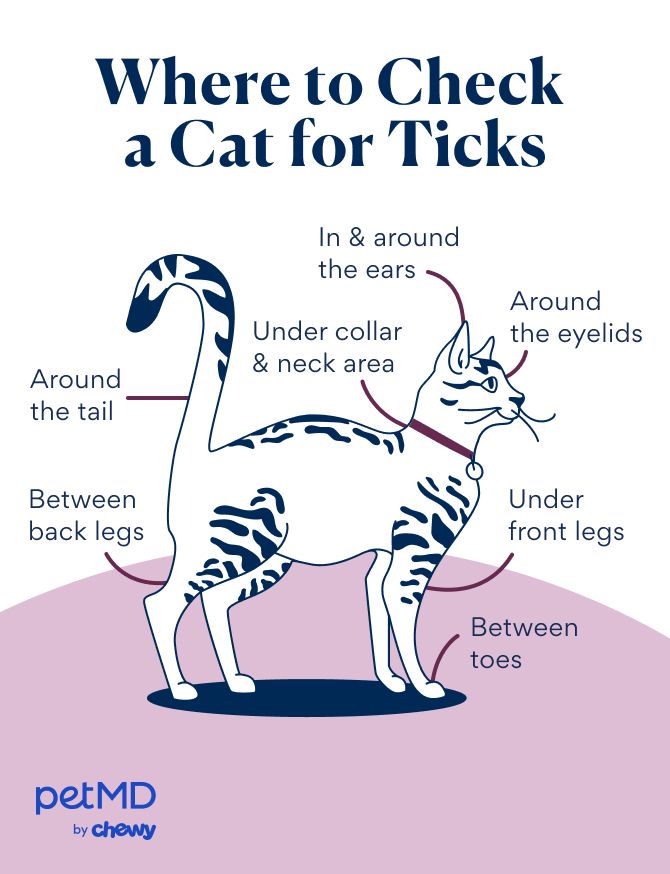
- Check your cat for ticks daily, especially after outdoor activities.
- Maintain your yard to minimize tick habitats.
Environmental Precautions
Controlling the environment around your home can prevent tick infestations.
| Precaution | Details |
| Trim Grass | Keep grass short to reduce tick hiding spots. |
| Clear Debris | Remove leaf piles and brush where ticks thrive. |
| Fencing | Install fences to keep wild animals out of your yard. |
Protecting Your Cat Year-round
Cats love to explore outside, but they face risks like Lyme disease. Ticks can carry this disease, making it important to protect your cat all year long.
Understanding how to keep your cat safe from ticks is essential. Let’s look at some strategies to ensure their health and happiness.
Seasonal Tick Awareness
Ticks are active in different seasons. Knowing when they are most active helps you protect your cat better.
| Season | Tick Activity |
| Spring | High |
| Summer | Very High |
| Fall | Moderate |
| Winter | Low |
Routine Health Checks
Regular health checks for your cat can catch signs of Lyme disease early. A healthy cat is a happy cat.
- Schedule vet visits every six months
- Check your cat for ticks after outdoor play
- Keep vaccinations up to date
By staying aware and proactive, you can help your cat avoid Lyme disease. Protecting them year-round is key.
Credit: www.petmd.com
Frequently Asked Questions
Can Cats Get Lyme Disease From Ticks?
Yes, cats can get Lyme disease if bitten by infected ticks. However, it is less common in cats than in dogs.
What Are Lyme Disease Symptoms In Cats?
Symptoms in cats may include fever, lethargy, swollen joints, and loss of appetite. These signs are often subtle and hard to detect.
How Is Lyme Disease Diagnosed In Cats?
Veterinarians diagnose Lyme disease through blood tests detecting antibodies or bacterial DNA. Early diagnosis helps in effective treatment.
Can Lyme Disease Be Treated In Cats?
Yes, Lyme disease in cats is treatable with antibiotics. Early treatment improves recovery chances and reduces complications.
Conclusion
Cats can get Lyme disease, but it is rare. Watch your cat for signs like fever or limping. Tick prevention helps protect your pet. Regular vet visits catch problems early. Acting fast improves your cat’s health. Keep your pet safe from ticks every day.
Understanding Lyme disease in cats keeps them happy and healthy.

Lily Purrington is the founder of MyKittyPicks.com, a cozy corner of the web dedicated to helping cat lovers discover the best cat products, furniture, toys, and home decor ideas.
A lifelong cat enthusiast, Lily shares trusted tips, honest product recommendations, and stylish inspiration designed to keep kitties happy and homes beautiful.
Her mission is simple: to bring together practical advice and purr-fect picks that make life better for cats and the people who love them.


