

If you’ve noticed that your cat’s lymph nodes are swollen, you’re probably worried and wondering what to do next. Swollen lymph nodes can be a sign that your furry friend is fighting an infection or dealing with another health issue.
You want to help your cat feel better as soon as possible, but it’s important to understand the causes and the best ways to treat this problem. You’ll learn clear, simple steps to care for your cat’s swollen lymph nodes and when you should see a vet.
Keep reading to make sure your cat gets the care they deserve.
Identifying Swollen Lymph Nodes In Cats
Swollen lymph nodes in cats can signal health issues. Early recognition helps protect your cat’s health. Knowing how to spot swollen nodes is crucial for timely care.
Common Symptoms To Watch For
- Visible lumps under the skin, especially near the neck, jaw, or armpits
- Areas around nodes feel warm or tender to touch
- Your cat may show signs of discomfort when touched
- Loss of appetite or lethargy
- Fever or unusual behavior changes
Causes Of Swollen Lymph Nodes
Swelling often occurs due to infections or inflammation.
- Viral or bacterial infections are common triggers
- Immune system disorders can cause swelling
- Injuries near lymph nodes may lead to enlargement
- Sometimes, cancer or tumors affect lymph nodes
Understanding causes helps in proper treatment and care.
When To Seek Veterinary Care
Knowing when to seek veterinary care for your cat’s swollen lymph nodes is crucial. Swelling can sometimes signal a minor issue, but it can also indicate something more serious. Understanding the warning signs helps you act promptly and protect your cat’s health.
Signs Of Serious Conditions
Swollen lymph nodes that persist for more than a week need attention. Look out for additional symptoms like:
- Loss of appetite or sudden weight loss
- Fever or lethargy
- Difficulty breathing or coughing
- Rapidly growing lumps or hard, immovable nodes
If you notice any of these signs, don’t wait. Immediate veterinary care can catch infections, immune disorders, or cancers early, improving your cat’s chances of recovery.
Importance Of A Professional Diagnosis
You might be tempted to treat swollen lymph nodes at home, but only a vet can provide a clear diagnosis. They use tools like blood tests, fine needle aspiration, or biopsies to find the root cause.
Understanding exactly what’s causing the swelling helps avoid unnecessary treatments and ensures your cat gets the right care fast. Have you ever hesitated to visit the vet, only to realize later it was necessary? Trusting a professional can make all the difference.
Dietary Adjustments For Healing
Adjusting your cat’s diet can play a key role in helping swollen lymph nodes heal more effectively. What your cat eats affects their immune system and overall recovery. Paying attention to specific nutrients and hydration can make a noticeable difference in their healing process.
Nutrient-rich Foods
Feeding your cat foods rich in vitamins and minerals supports their immune system. Foods high in protein, like cooked chicken or turkey, provide essential building blocks for tissue repair. Adding omega-3 fatty acids from fish oil can help reduce inflammation around swollen lymph nodes.
Don’t overlook antioxidants such as vitamin E and vitamin C, which help fight oxidative stress. You can find these in certain cat-safe fruits and vegetables or as supplements recommended by your vet. Have you noticed how your cat reacts to different foods? Observing their preferences can guide you toward the best options.
Hydration Importance
Keeping your cat well-hydrated is crucial for flushing out toxins and supporting the lymphatic system. Cats often don’t drink enough water, especially when they’re not feeling well. Try adding water or low-sodium broth to their food to increase fluid intake.
Wet cat food is another excellent way to boost hydration naturally. You might be surprised how much your cat’s energy and comfort improve when they stay properly hydrated. What small changes can you make today to help your cat drink more?

Credit: felinefancy.co.uk
Herbal And Natural Remedies
Swollen lymph nodes in cats can signal an infection or inflammation. Herbal and natural remedies offer gentle support alongside veterinary care. These treatments can soothe symptoms and boost your cat’s immune system naturally. Always consult a vet before starting any herbal treatment to ensure safety and proper care.
Safe Herbs For Cats
Certain herbs are known to help reduce swelling and fight infections in cats. Use these herbs carefully and in small amounts.
- Chamomile:Calms inflammation and soothes discomfort.
- Calendula:Supports healing and reduces swelling.
- Licorice Root:Acts as a natural anti-inflammatory agent.
- Echinacea:Boosts the immune system to fight infections.
Always prepare herbs in tea form or as a tincture diluted for cats. Avoid giving large doses or concentrated extracts.
Essential Oils: Use With Caution
Essential oils can be harmful to cats if not used properly. Cats lack certain enzymes to process oils safely. Use only mild oils and dilute them heavily.
- Avoid oils like tea tree, peppermint, and eucalyptus.
- Lavender and chamomile oils may be used in very low concentrations.
- Never apply oils directly on your cat’s skin or fur.
- Use diffusers in well-ventilated rooms away from your pet.
Consult your vet before using any essential oils to prevent risks.
Comfort Measures At Home
Comfort measures at home play a crucial role in helping your cat recover from swollen lymph nodes. Creating a soothing environment can ease their discomfort and support healing. Simple adjustments to your cat’s surroundings and routine can make a big difference in their well-being.
Creating A Stress-free Environment
Stress can worsen your cat’s condition and slow down recovery. Make sure your cat has a quiet, safe spot away from loud noises and busy areas. Soft bedding and familiar toys can provide comfort and reduce anxiety.
Try to keep a consistent daily routine. Cats find comfort in predictability, so feeding, playing, and resting at regular times helps them feel secure. Have you noticed how your cat behaves differently when the household is calm?
Avoid introducing new pets or visitors until your cat feels better. Too much change can increase stress levels, so keeping things simple is best. Watching your cat relax in a calm space will reassure you that you’re helping their recovery.
Temperature And Humidity Control
Maintaining the right temperature and humidity in your home can ease your cat’s discomfort. Cats with swollen lymph nodes may feel more sensitive to extreme heat or cold, so aim for a stable, moderate temperature.
Use a heater or fan to keep the room comfortable but avoid direct drafts on your cat. Humidity should be balanced; very dry air can irritate your cat’s throat and skin, while too much moisture can promote infections.
Consider using a humidifier if your home is dry, especially in winter. Monitor your cat’s reactions to temperature changes and adjust accordingly. Have you checked if your cat prefers a cozy warm spot or a cooler resting area?
Gentle Massages And Physical Care
Gentle massages and physical care can help soothe swollen lymph nodes in cats. These soft touches improve blood flow and ease discomfort. Physical care also supports your cat’s overall healing process. It creates a calm environment that helps reduce stress. This care includes careful handling and regular monitoring of the affected area.
Benefits Of Light Massages
Light massages promote better circulation around swollen nodes. Increased blood flow helps remove toxins and reduces swelling. Massages also relax tense muscles near the lymph nodes. This relaxation lowers pain and stiffness. Massaging your cat builds trust and comfort. It makes your cat feel safe and cared for. Gentle touch can reduce anxiety linked to illness.
Proper Techniques For Cats
- Use your fingertips, not nails, for soft pressure.
- Massage in small circular motions around the swollen area.
- Keep sessions short, about 2-3 minutes, to avoid stress.
- Watch your cat’s reactions; stop if they seem uncomfortable.
- Choose a quiet, warm place for the massage.
- Be patient and gentle, especially if your cat is in pain.
Monitoring Progress And Recovery
Monitoring your cat’s progress during swollen lymph node treatment is vital. It helps ensure the recovery is on track and allows quick responses to any changes. Careful observation can catch new symptoms early and guide further care steps.
Tracking Changes In Symptoms
Keep a daily record of your cat’s behavior and physical signs. Note any changes in the size or tenderness of the lymph nodes. Watch for signs like reduced appetite, lethargy, or fever. These clues show how well the treatment works.
- Check lymph nodes gently every day
- Record appetite and energy levels
- Note any new or worsening symptoms
- Keep track of medication times and doses
Share these notes with your vet during follow-ups. They help decide if the treatment should continue or change.
When To Reassess Treatment Approaches
Reassess treatment if symptoms do not improve within a week. Also, if swelling worsens or new symptoms appear, contact your vet. Persistent fever or pain signals need urgent review. Your vet may suggest new tests or treatments.
Early reassessment prevents complications and promotes faster healing. Stay alert to your cat’s condition and act promptly.
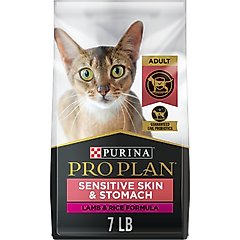
Credit: www.petmd.com

Credit: thepetvet.com
Frequently Asked Questions
What Causes Swollen Lymph Nodes In Cats?
Swollen lymph nodes in cats usually result from infections, inflammation, or immune responses. Common causes include bacterial or viral infections, abscesses, and sometimes cancer. Early diagnosis and treatment are crucial to prevent complications and ensure your cat’s health.
How Can I Reduce My Cat’s Swollen Lymph Nodes?
To reduce swollen lymph nodes, consult a vet for proper diagnosis. Treatment may include antibiotics, anti-inflammatory medications, or supportive care depending on the cause. Avoid home remedies without professional advice to ensure safe and effective recovery.
When Should I See A Vet For My Cat’s Swollen Lymph Nodes?
Visit a vet immediately if your cat’s lymph nodes are swollen, painful, or persistent. Also, seek help if your cat shows lethargy, fever, loss of appetite, or other unusual symptoms. Early veterinary care ensures timely treatment.
Can Swollen Lymph Nodes In Cats Indicate Cancer?
Yes, swollen lymph nodes can sometimes signal lymphoma or other cancers in cats. A vet will perform tests like biopsies or blood work to diagnose. Early detection improves treatment success and cat’s prognosis.
Conclusion
Swollen lymph nodes in cats need careful attention. Watch for changes in your cat’s behavior and health. Consult a vet to find the exact cause. Follow the treatment plan your vet suggests. Keep your cat comfortable and stress-free at home.
Early care helps your cat heal faster. Stay patient and monitor progress closely. Healthy cats mean happy homes. Take action and care for your pet today.

Lily Purrington is the founder of MyKittyPicks.com, a cozy corner of the web dedicated to helping cat lovers discover the best cat products, furniture, toys, and home decor ideas.
A lifelong cat enthusiast, Lily shares trusted tips, honest product recommendations, and stylish inspiration designed to keep kitties happy and homes beautiful.
Her mission is simple: to bring together practical advice and purr-fect picks that make life better for cats and the people who love them.


