

Have you ever wondered if your cat could make your dog sick? If you share your home with both furry friends, this question might be on your mind.
It’s natural to worry about their health and well-being. Understanding whether cats can pass diseases to dogs is crucial for keeping your pets safe and happy. You’ll discover the facts behind this concern, learn what signs to watch for, and find out how to protect both your cat and dog from potential health risks.
Keep reading to make sure your pets stay healthy together.

Credit: www.goodrx.com
Common Zoonotic Diseases Between Cats And Dogs
Cats and dogs can share some diseases that may pass between them. These diseases can affect their health and need attention. Knowing about these risks helps pet owners keep both animals safe.
This guide covers common bacterial, parasitic, and viral diseases that cats can give to dogs. It explains how these infections spread and what signs to watch for in pets.
Bacterial Infections
Bacteria can move from cats to dogs through bites, scratches, or close contact. Some infections can cause skin problems, fever, or digestive issues in dogs.
- Bartonella henselae:Causes cat scratch disease and can infect dogs, leading to fever and swollen lymph nodes.
- Pasteurella multocida:Found in cat mouths, this bacteria may cause skin infections after bites.
- Salmonella:Can be passed through contaminated food or feces, causing diarrhea in dogs.
Parasitic Diseases
Parasites like fleas, ticks, and worms can move between cats and dogs. These parasites carry diseases that harm both pets and sometimes humans.
| Parasite | Transmission | Effect on Dogs |
| Fleas | Direct contact or shared environment | Itching, skin infections, anemia |
| Ticks | Attached to skin during outdoor activities | Lyme disease, anemia, fever |
| Roundworms | Ingesting eggs from contaminated areas | Digestive problems, weight loss |
Viral Risks
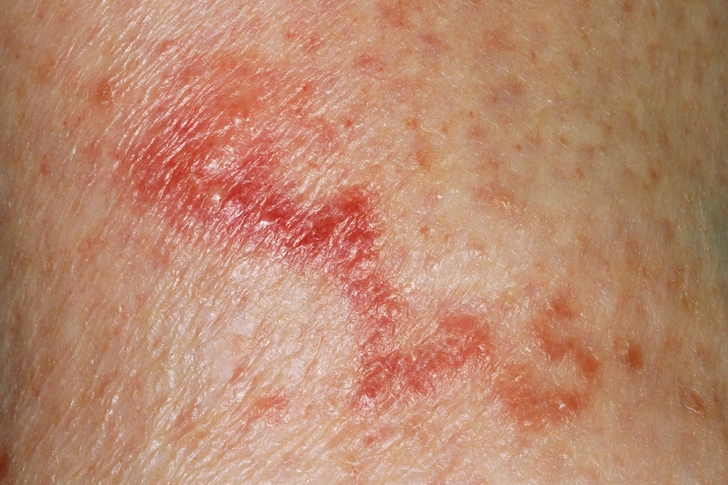
Some viruses can spread between cats and dogs, but this is rare. They usually need close contact or shared spaces for infection to happen.
- Rabies:A deadly virus that affects the brain. Both cats and dogs can catch it from wild animals and pass it to each other.
- Calicivirus and Feline Herpesvirus:Mainly affect cats but can cause mild illness in dogs in rare cases.
- Canine Distemper Virus:Usually affects dogs, but cats may get exposed without showing symptoms.
Credit: www.webmd.com
How Diseases Spread Between Cats And Dogs
Cats and dogs can catch some diseases from each other. It is important to know how these diseases spread. This helps keep both pets healthy.
Diseases move between cats and dogs in different ways. Some involve direct contact, shared places, or small insects like fleas and ticks.
Direct Contact Transmission
Direct contact means the pets touch each other. This can be through licking, biting, or fighting. Some diseases spread easily this way.
Viruses and bacteria can pass from cat to dog or dog to cat with close contact. It is common in homes with both pets.
Shared Environments
Cats and dogs share many places like beds, food bowls, and toys. Germs can live on these surfaces. Pets can get sick by touching or licking them.
Dirty or crowded places raise the risk of disease spread. Cleaning and keeping separate items help reduce this risk.
- Food and water bowls
- Beds and blankets
- Toys and grooming tools
- Litter boxes and resting spots
Fleas And Ticks As Vectors
Fleas and ticks can carry diseases from cats to dogs and vice versa. These insects bite pets and pass germs into their blood.
These parasites live on both cats and dogs. Treating pets for fleas and ticks helps stop disease spread.
- Fleas carry tapeworms and bacteria
- Ticks transmit Lyme disease and other infections
- Parasites can jump from one pet to another
- Regular flea and tick control is important
Symptoms To Watch In Your Pets
Pets can bring joy to our lives, but they can also share illnesses. It’s important to know the signs if your cat gives a disease to your dog.
Being aware of symptoms can help keep both your pets healthy. Here are some signs to watch for in your furry friends.
Behavioral Changes
When pets are not feeling well, they often change how they act. This can be a sign of illness.
- Increased aggression or irritability
- Withdrawal from social interactions
- Unusual lethargy or excessive sleeping
Physical Signs
Physical symptoms can also indicate that your dog might have caught something from your cat.
| Sign | Description |
| Coughing | Frequent or persistent cough |
| Sneezing | Repeated sneezing fits |
| Vomiting | Unusual or frequent vomiting |
When To Consult A Vet
If you notice unusual symptoms in your pets, a vet visit might be necessary. Early consultation can prevent serious health issues.
Preventive Measures For Pet Owners
Cats and dogs can sometimes share diseases. Pet owners must take steps to stop this. Good care helps keep pets healthy.
Simple actions can reduce risks. Learn how to protect your pets from illnesses.
Vaccinations And Regular Checkups
Vaccines protect pets from many diseases. Dogs and cats need different shots. Keep their vaccines up to date.
Regular vet visits catch health problems early. Your vet can spot signs of disease that you might miss. Checkups also help update vaccines.
- Schedule yearly vet visits for both pets
- Follow vaccine schedules recommended by your vet
- Report any unusual behavior or symptoms quickly
Hygiene Practices
Cleanliness limits the spread of germs between cats and dogs. Wash pet bowls and bedding often. Keep litter boxes separate from dog areas.
Regular grooming also helps. Brush pets to remove dirt and loose fur. Clean their paws after outdoor walks or play.
- Wash food and water bowls daily
- Clean litter boxes at least once a day
- Keep pets’ living areas clean and dry
- Groom pets regularly to remove dirt and parasites
Controlling Parasites
Parasites like fleas, ticks, and worms can pass between cats and dogs. These parasites carry diseases that harm pets. Use parasite control products as advised.
Check pets often for signs of parasites. Early removal stops infestations. Keep your home clean to reduce parasite risks.
- Use flea and tick preventatives for both pets
- Regularly check pets for fleas and ticks
- Give deworming treatments as recommended
- Clean carpets and pet bedding often
Managing Infections If They Occur
Sometimes cats can pass diseases to dogs. If a dog gets sick, managing the infection is very important. Careful steps can help your dog recover faster.
Knowing how to isolate your dog, treat the infection, and provide follow-up care keeps both pets safe and healthy.
Isolation Techniques
Keep the sick dog away from other pets to stop the infection from spreading. Use a separate room or space for the dog to rest.
Clean the dog’s area often. Use separate food and water bowls to avoid cross-contamination.
- Use a quiet, comfortable space
- Limit contact with other animals
- Clean bedding and toys daily
- Wash your hands before and after care
Treatment Options
Visit a vet to get the right treatment for the dog. The vet may give medicines like antibiotics or antifungals.
Follow the vet’s instructions carefully. Give all medicines on time and complete the full treatment course.
- Antibiotics for bacterial infections
- Antifungal drugs for fungal infections
- Supportive care such as fluids or vitamins
- Regular check-ups during treatment
Follow-up Care
After treatment, watch your dog closely. Look for any signs that the infection is coming back.
Keep your dog’s environment clean and healthy. Regular vet visits help catch problems early.
- Monitor appetite and energy levels
- Keep up with vaccinations and parasite control
- Maintain a clean living area
- Schedule regular vet check-ups
Myths About Cat-to-dog Disease Transmission
Many pet owners worry about their cats passing diseases to dogs. Some believe cats spread many infections to dogs. These beliefs are often not true. It is important to learn facts to keep pets safe.
Understanding the truth helps pet owners care for their pets better. This guide looks at common myths and the real facts about disease spread between cats and dogs.
Common Misconceptions
People often think cats can easily pass diseases to dogs. Some believe cats carry many germs that dogs catch just by being near. This is not always true. Most diseases are species-specific, meaning they affect only cats or dogs.
- Cats do not commonly transmit rabies to dogs. Both animals can get rabies from wildlife, but direct cat-to-dog spread is rare.
- Fleas and ticks can move between cats and dogs, but these are parasites, not diseases themselves.
- Respiratory infections in cats rarely infect dogs because the germs differ.
- Some fungal infections like ringworm can pass between cats and dogs, but with proper care, risks are low.
Fact-checking Pet Health Information
It is easy to find mixed information online about pet health. Always check facts from trusted sources. Veterinarians and official pet health websites offer the best advice.
| Source | Why Trust? |
| Veterinarian | Professional training and experience |
| Animal health clinics | Use verified scientific data |
| Government pet health sites | Regulated and updated information |
| Pet care books by experts | Reviewed by professionals |

Credit: www.discovermagazine.com
Frequently Asked Questions
Can Cats Transmit Diseases To Dogs?
Yes, cats can transmit certain diseases to dogs, such as ringworm and parasites. Close contact increases the risk of transmission. Proper hygiene and regular vet check-ups help prevent these diseases.
What Common Diseases Can Cats Pass To Dogs?
Cats can pass ringworm, fleas, ticks, and certain parasites to dogs. These diseases affect skin and overall health. Preventive treatments and monitoring pets closely reduce infection chances.
How To Prevent Disease Transmission From Cats To Dogs?
Maintain cleanliness, regularly groom both pets, and use flea and tick preventives. Avoid letting pets share food or water bowls. Regular veterinary visits ensure early detection and treatment.
Are Zoonotic Diseases From Cats Dangerous To Dogs?
Some zoonotic diseases from cats can affect dogs mildly or severely. Early diagnosis and treatment are crucial. Vaccinations and parasite control lower the risk of serious illness.
Conclusion
Cats and dogs can share some diseases, but risks are low. Good hygiene and regular vet visits keep pets healthy. Watch pets closely for any signs of illness. Early action helps prevent serious problems. Pets living together usually stay safe with proper care.
Understanding how diseases spread protects your furry friends. Keep your pets happy, healthy, and disease-free with simple steps. Taking care of both animals brings peace of mind. Stay informed and enjoy your pets’ company every day.

Lily Purrington is the founder of MyKittyPicks.com, a cozy corner of the web dedicated to helping cat lovers discover the best cat products, furniture, toys, and home decor ideas.
A lifelong cat enthusiast, Lily shares trusted tips, honest product recommendations, and stylish inspiration designed to keep kitties happy and homes beautiful.
Her mission is simple: to bring together practical advice and purr-fect picks that make life better for cats and the people who love them.


