

Have you noticed your cat struggling to move its hind legs or showing signs of weakness? If your furry friend has kidney disease, you might be wondering if these issues are connected.
Understanding how kidney disease affects your cat’s body, especially their hind legs, is crucial for giving them the best care possible. You’ll discover the surprising ways kidney problems can impact your cat’s mobility and what you can do to help.
Keep reading to learn how to protect your cat’s health and keep them active and happy.
Kidney Disease In Cats
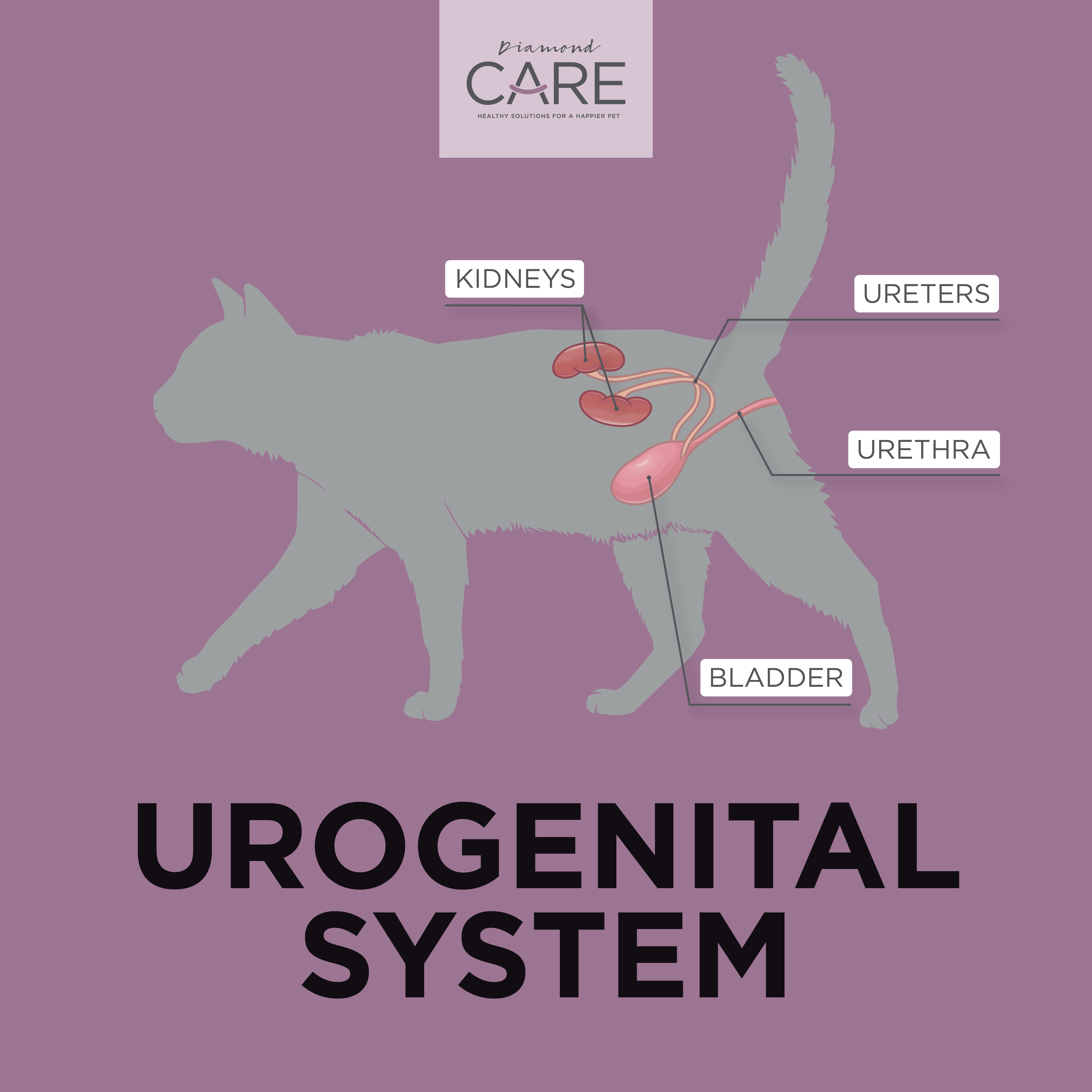
Kidney disease is common in older cats. It affects how well their kidneys work. The kidneys help clean the blood and remove waste from the body.
When kidneys fail, waste builds up in the blood. This can cause many health problems for cats. Kidney disease can also affect other parts of the body.
Common Causes
Several things can cause kidney disease in cats. Some causes are sudden, while others happen slowly over time. Knowing the cause helps with treatment.
Common causes include infections, toxins, and age-related damage. Sometimes, kidney problems come from other diseases like diabetes.
- Age-related wear and tear on kidneys
- Infections like bacterial or viral infections
- Exposure to toxins such as certain plants or chemicals
- High blood pressure damaging kidney tissue
- Other diseases like diabetes or cancer
Symptoms To Watch
Kidney disease symptoms can be hard to spot early. Cats may seem tired or eat less. Some signs appear as the disease gets worse.
Watch for changes in urination and drinking habits. Cats might also lose weight or have bad breath. Weakness in hind legs can sometimes happen.
- Increased thirst and urination
- Loss of appetite and weight
- Vomiting and diarrhea
- Bad breath or mouth sores
- Weakness or stiffness in hind legs
- Lethargy or less activity
Stages Of Kidney Disease
Kidney disease has different stages from mild to severe. Early stages may show few signs. Later stages cause more serious problems.
Vets use tests to check kidney function. These tests help decide the stage and best care for your cat. Treatment aims to slow disease progress.
- Stage 1: Mild kidney damage, few symptoms
- Stage 2: Moderate damage, some symptoms appear
- Stage 3: Severe damage, clear symptoms
- Stage 4: Kidney failure, life-threatening condition
Impact On Hind Legs
Kidney disease in cats can cause problems beyond the kidneys. The hind legs often show signs of this illness. This happens because the disease affects nerves, muscles, and movement.
Understanding how kidney disease impacts the hind legs helps cat owners spot early signs. Early detection can improve care and comfort for the cat.
Nerve Damage Risks
Kidney disease can cause toxins to build up in the blood. These toxins may harm the nerves controlling the hind legs. Damaged nerves can lead to pain, numbness, or loss of feeling.
- Tingling or weakness in the hind legs
- Loss of coordination or balance
- Difficulty jumping or walking
- Muscle twitching or spasms
Muscle Weakness
Kidney disease often causes muscle loss and weakness. This happens because the body does not get enough nutrients. Muscle weakness affects the cat’s ability to use its hind legs well.
| Cause | Effect on Hind Legs |
| Protein loss | Muscle wasting and weakness |
| Toxin buildup | Muscle cramps and fatigue |
| Low energy | Less movement and strength |
Mobility Challenges
Kidney disease makes moving difficult for cats. The hind legs may feel stiff or painful. Cats may limp or avoid walking. This lowers their quality of life.
Common mobility issues include:
- Stiffness after resting
- Reluctance to jump or climb
- Unsteady walking or falling
- Reduced play and activity
Related Complications
Kidney disease in cats can cause many health problems. These issues often affect their hind legs.
Understanding related complications helps to care for cats with kidney disease better.
Electrolyte Imbalance
Kidney disease can cause changes in electrolyte levels. Low or high electrolytes affect muscle function.
- Low potassium can cause muscle weakness in hind legs.
- High phosphorus can lead to poor nerve signals.
- Imbalanced calcium affects muscle contractions.
Toxin Buildup Effects
When kidneys fail, toxins build up in the blood. These toxins harm nerves and muscles in the hind legs.
| Toxin | Effect on Hind Legs |
| Urea | Causes fatigue and weakness |
| Creatinine | Leads to poor muscle coordination |
| Ammonia | Results in nerve damage |
Secondary Conditions
Kidney disease often causes other health problems. These can also affect a cat’s hind legs.
- Anemia reduces oxygen to muscles, causing weakness.
- High blood pressure can damage nerves in legs.
- Arthritis may worsen due to poor kidney function.
Credit: www.diamondpet.com
Diagnosing Hind Leg Issues
Kidney disease in cats can cause problems beyond the kidneys. Some cats may have trouble using their hind legs. Diagnosing these issues helps find the cause and start treatment early.
Veterinarians use different tests to check the cat’s health. These tests focus on the legs, nerves, and blood. Each test gives clues about the cat’s condition.
Physical Exams
The vet begins by looking at the cat’s hind legs. They check for pain, swelling, or weakness. The vet also watches how the cat walks and moves.
Physical exams help find muscle loss or joint problems. They also show if the cat feels pain when touched. This information guides the next steps in testing.
- Check for muscle size and strength
- Look for swelling or deformities
- Observe walking and balance
- Test pain response in legs
Neurological Tests
Neurological tests check how nerves control the hind legs. The vet tests reflexes and coordination. These tests find nerve damage or problems in the spinal cord.
Sometimes kidney disease affects nerves indirectly. Poor kidney function can cause toxins to build up. These toxins may harm nerves and cause leg weakness.
- Test leg reflexes like the knee jerk
- Check paw placement and coordination
- Look for signs of nerve pain or loss
- Assess muscle tone and control
Blood Work Insights
Blood tests show how well the kidneys work. They measure waste products like creatinine and urea. High levels can mean kidney damage.
Blood work also checks for anemia and electrolyte problems. These issues can cause weakness and leg problems. Blood tests help connect kidney disease to hind leg symptoms.
- Measure kidney waste products in blood
- Check red blood cell levels for anemia
- Test electrolytes like potassium and calcium
- Look for signs of infection or inflammation
Treatment Options
Treating kidney disease in cats is crucial to improve their quality of life. Treatment often involves a combination of medication, diet changes, and hydration.
These methods aim to support kidney function and address any related symptoms, like issues with the hind legs. Early intervention can help manage the condition effectively.
Managing Kidney Disease
Managing kidney disease requires regular vet visits and monitoring. Cats may need special diets low in phosphorus and protein.
- Provide ample fresh water to keep the cat hydrated.
- Use medications as prescribed by the veterinarian.
- Consider supplements to support kidney health.
Support For Hind Leg Health
Hind leg weakness is a common issue in cats with kidney disease. It is essential to address this to improve mobility and comfort.
| Support Method | Benefits |
| Joint supplements | Improve joint health |
| Physical therapy | Enhance muscle strength |
| Weight management | Reduce stress on legs |
Rehabilitation Techniques
Rehabilitation techniques can aid in the recovery and maintenance of hind leg function. Gentle exercises can strengthen muscles.
Regular gentle massages can also improve circulation and flexibility in the hind legs.

Credit: www.reddit.com
Preventing Progression
Kidney disease in cats can cause weakness in their hind legs. Stopping the disease from getting worse is important. Owners can help by making changes and watching their cats closely.
Early care helps cats stay stronger for longer. This guide covers key ways to prevent the disease from progressing.
Dietary Adjustments
Changing what your cat eats can protect their kidneys. A special diet lowers toxins and helps the kidneys work better. Cats with kidney disease need less protein and phosphorus in their food.
Many vets suggest diets made for kidney health. These foods support the cat's energy and reduce strain on the kidneys.
- Feed low-protein, low-phosphorus foods
- Ensure fresh water is always available
- Avoid giving table scraps or treats high in salt
- Discuss supplements with your vet
Regular Vet Checkups
Frequent vet visits help catch problems early. Blood tests and urine checks show how the kidneys are doing. Your vet can adjust treatment based on these results.
Checkups also help track your cat’s muscle health. Weak hind legs may need extra care or treatment changes.
- Schedule vet visits every 3 to 6 months
- Monitor weight and muscle condition
- Report any new symptoms quickly
- Follow vet advice on medications and care
Early Warning Signs
Watch your cat for signs of kidney problems. Early signs include less energy, less appetite, and weak back legs. Spotting these early can lead to faster treatment.
Other signs are changes in drinking or urination habits. Notice if your cat has trouble jumping or walking. These signs mean you should see the vet soon.
- Reduced activity or reluctance to move
- Weight loss or muscle loss
- Increased thirst or urination
- Difficulty jumping or walking
Credit: www.hillspet.com
Frequently Asked Questions
Can Kidney Disease Cause Hind Leg Weakness In Cats?
Yes, kidney disease in cats can lead to muscle weakness, including the hind legs. This happens due to toxin buildup and poor nutrient absorption affecting muscle function.
What Symptoms Show Kidney Disease Affects Cat’s Hind Legs?
Symptoms include difficulty walking, hind leg stiffness, muscle loss, and reduced mobility. These signs suggest the disease is impacting muscle strength and nerve function.
How Does Kidney Failure Impact A Cat’s Mobility?
Kidney failure causes toxin accumulation, leading to muscle weakness and nerve issues. This results in reduced mobility, especially in the hind legs.
Can Treating Kidney Disease Improve A Cat’s Hind Leg Health?
Effective treatment can slow disease progression and reduce toxin levels. This often improves muscle strength and mobility in a cat’s hind legs.
Conclusion
Kidney disease in cats can sometimes affect their hind legs. Poor kidney function may lead to weakness or pain in these legs. Cats might show difficulty walking or standing. Early care can help manage these symptoms better. Watch your cat closely for any changes in movement.
Regular vet visits are important to catch problems early. Keeping your cat healthy improves their quality of life. Don’t ignore signs of trouble. Acting quickly makes a big difference for your cat’s comfort.

Lily Purrington is the founder of MyKittyPicks.com, a cozy corner of the web dedicated to helping cat lovers discover the best cat products, furniture, toys, and home decor ideas.
A lifelong cat enthusiast, Lily shares trusted tips, honest product recommendations, and stylish inspiration designed to keep kitties happy and homes beautiful.
Her mission is simple: to bring together practical advice and purr-fect picks that make life better for cats and the people who love them.


