

Have you ever wondered if your indoor cat really needs vaccinations? You might think that since your furry friend stays inside, they’re safe from diseases.
But is that really true? Understanding the health needs of your house cat is crucial, and vaccinations play a vital role in keeping them healthy. We’ll uncover why vaccinations might be more important than you think, even for cats who never venture outside.
Stick around to discover how you can protect your beloved pet from hidden dangers and ensure they live a long, healthy life. You wouldn’t want to miss out on essential tips that could make all the difference for your feline companion.

Credit: millsanimalhospital.com
Why Vaccinate House Cats
Vaccinating your house cat is more than just a routine task—it’s a crucial step to keep your furry friend healthy and safe. Even indoor cats can face risks from various diseases. Understanding why vaccination matters helps you make better choices for your pet’s well-being.
Common Cat Diseases
Cats can catch diseases like feline leukemia virus (FeLV), feline immunodeficiency virus (FIV), and feline panleukopenia, even if they stay indoors. These illnesses spread through contact with other cats or contaminated objects.
Some diseases can be severe or even fatal without warning signs. For instance, feline panleukopenia can cause sudden weakness and loss of appetite, sometimes leading to death within days. You might think your indoor cat is safe, but stray cats or visitors can unknowingly bring these viruses inside.
Benefits Of Vaccination
Vaccinating your cat acts as a shield, protecting them from deadly diseases before exposure happens. It strengthens their immune system to fight infections effectively.
Besides protecting your cat, vaccination helps reduce the spread of diseases in your community. You’ll save on costly vet bills and emotional stress by preventing illnesses rather than treating them.
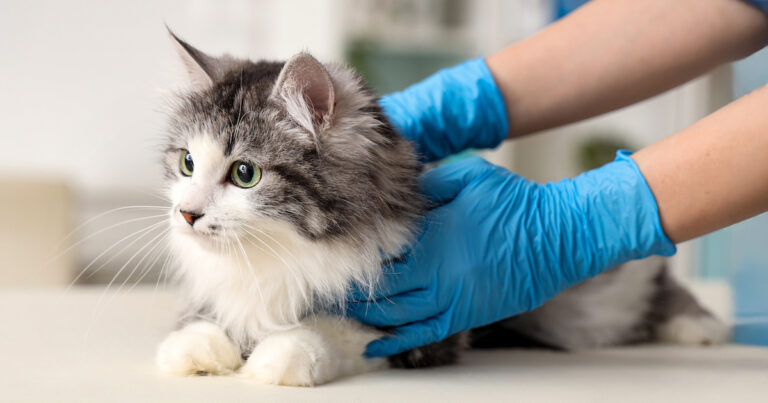
Have you ever considered the peace of mind you’d have knowing your cat is protected? Regular vaccinations ensure your cat stays healthy and happy for years to come.
Credit: www.diamondpet.com
Core Vaccines For Indoor Cats
Core vaccines protect indoor cats from serious diseases. These vaccines help keep cats healthy even if they rarely go outside. They target viruses that spread easily in places like shelters or vet clinics. Vaccinating indoor cats reduces the risk of illness and helps control outbreaks.
Feline Viral Rhinotracheitis
Feline viral rhinotracheitis is a common cat disease. It causes sneezing, eye discharge, and nasal congestion. The virus spreads through direct contact or shared items. Vaccination lowers the chance of infection and reduces symptoms if cats get sick.
Calicivirus
Calicivirus affects a cat’s respiratory system and mouth. It causes mouth ulcers, sneezing, and fever. This virus spreads easily among cats in close contact. Vaccines protect cats from severe illness and limit the spread of the virus.
Panleukopenia
Panleukopenia is a dangerous virus that attacks a cat’s immune system. It causes vomiting, diarrhea, and dehydration. The virus spreads through contact with infected cats or contaminated objects. Vaccination is crucial because this disease can be fatal, especially for kittens.
Non-core Vaccines To Consider
Non-core vaccines are not essential for every cat but can be important based on your cat’s lifestyle and risk factors. These vaccines target diseases that cats might encounter depending on where they live, their habits, and their exposure to other animals. Understanding these vaccines helps you make informed choices to protect your feline friend effectively.
Rabies Vaccine
Rabies is a deadly disease that affects all mammals, including cats. Many regions require rabies vaccination by law because the virus can spread to humans and other animals.
If your cat goes outside or has any chance of encountering wildlife or stray animals, the rabies vaccine is a must. Even indoor cats can benefit since accidents happen, and you want to avoid any risk of exposure.
Feline Leukemia Virus
Feline Leukemia Virus (FeLV) weakens your cat’s immune system and can lead to severe illness. Cats that spend time outdoors or live with other cats that go outside are more likely to catch FeLV.
Vaccinating against FeLV is especially important if your cat interacts with unknown cats, visits boarding facilities, or is at risk of fights and bites. Ask your vet if your cat’s lifestyle justifies this vaccine.
Other Optional Vaccines
There are several other vaccines that may be recommended based on specific risks:
- Feline Immunodeficiency Virus (FIV):For cats in multi-cat households or outdoor cats with high exposure.
- Bordetella:Useful if your cat stays in kennels or shelters.
- Chlamydophila felis:Consider if your cat is in a high-risk environment like catteries.
Talk to your vet about your cat’s daily routine and environment to decide which of these optional vaccines make sense. Your cat’s health needs are unique, and tailoring vaccinations can save you from unnecessary shots or protect your cat from overlooked dangers.
Vaccination Schedule For Cats
Keeping your cat healthy means sticking to a proper vaccination schedule. Vaccines protect cats from serious diseases and can save you from costly vet bills later. Understanding when and which vaccines your cat needs is key to their long-term well-being.
Kittens Vaccination Timeline
Kittens need a series of vaccines starting at around 6 to 8 weeks of age. These early shots build their immune system against common infections like feline distemper and respiratory viruses.
- 6-8 weeks:First round of core vaccines (FVRCP – Feline Viral Rhinotracheitis, Calicivirus, and Panleukopenia).
- 10-12 weeks:Second round of core vaccines plus optional vaccines depending on risk factors.
- 14-16 weeks:Final core vaccine and rabies shot, which is often required by law.
Missing any of these early shots can leave your kitten vulnerable. I once skipped a booster for my cat, thinking it was fine, but she got a minor infection that could have been prevented. It made me realize how crucial each step in this timeline is.
Adult Cat Boosters
Once your cat reaches adulthood, vaccines don’t stop—they just shift to boosters. Most adult cats need boosters every 1 to 3 years based on their lifestyle and exposure risks.
| Vaccine | Booster Frequency | Notes |
|---|---|---|
| FVRCP (Core) | Every 3 years | Protects against common respiratory and digestive diseases |
| Rabies | Every 1-3 years (varies by local laws) | Mandatory in many areas |
| Feline Leukemia (FeLV) | Annually (for outdoor or at-risk cats) | Optional but recommended for cats exposed to other cats |
Ask yourself: is your cat indoor-only or does it roam outside? This affects which boosters they need. Your vet can help tailor the schedule, but staying on top of boosters is your best defense against illness.
Risks And Side Effects
Vaccinating house cats is important, but it can have some risks and side effects. Most cats tolerate vaccines well. Still, some may show mild reactions after the shot. Knowing what to expect helps pet owners stay calm and prepared. Recognizing serious signs early can save a cat’s life.
Common Mild Reactions
Mild reactions usually appear within 24 hours. These signs are short-lived and not dangerous. Common mild reactions include:
- Swelling or soreness at the injection site
- Low fever
- Sleepiness or tiredness
- Loss of appetite for a day or two
- Sneezing or mild coughing
These symptoms often go away without treatment. They mean the cat’s immune system is responding to the vaccine.
When To Contact A Vet
Some reactions need urgent medical attention. Contact a vet if the cat shows:
- Severe swelling of the face or neck
- Difficulty breathing or wheezing
- Repeated vomiting or diarrhea
- Collapse or weakness
- High fever lasting more than two days
- Hives or red bumps on the skin
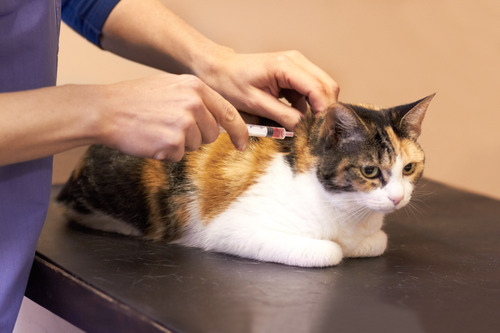
Early treatment prevents complications. Always monitor your cat closely after vaccination.
Credit: triangleanimalclinic.com
Vaccination And Indoor Lifestyle
Vaccination is a key part of keeping your cat healthy, even if they live mostly indoors. Many cat owners assume indoor cats are safe from diseases, but that’s not always true. Understanding the connection between vaccination and your cat’s indoor lifestyle can help you make informed choices about their health.
Indoor Vs Outdoor Risks
Indoor cats face different risks compared to outdoor cats. While outdoor cats are exposed to fights, parasites, and infectious diseases from other animals, indoor cats can still encounter germs brought in on shoes, clothes, or even through open windows.
Think about how often you bring dirt or pollen into your home. Cats can come into contact with viruses like feline herpesvirus or calicivirus without ever stepping outside. These diseases spread easily in multi-cat households or through vet visits.
Is Vaccination Still Necessary Indoors?
Yes, vaccination remains important for indoor cats. Vaccines help build immunity against common and potentially deadly diseases that can enter your home unexpectedly.
Have you ever had a visitor bring in a new pet or your cat scratched by a neighbor’s cat? Such scenarios can introduce risks. Vaccinating your indoor cat ensures they have protection even in these rare but possible situations.
- Core vaccines protect against serious illnesses like rabies, panleukopenia, and respiratory infections.
- Non-core vaccines may be recommended based on your cat’s lifestyle and environment.
Keeping your indoor cat’s vaccinations up to date is a practical step you can take to avoid emergency vet visits. It’s a small effort that pays off in long-term health and peace of mind.
Cost And Accessibility
Vaccinating house cats is important, but cost and accessibility affect many pet owners. Understanding expenses helps plan better. Finding affordable options makes vaccines easier to get for your cat.
Vaccination Expenses
Vaccination costs vary depending on the type and location. Basic vaccines may cost between $20 and $50 each. Some cats need multiple shots, increasing the total price. Vet visits often include extra fees for exams or services. Budgeting for vaccines keeps your cat protected without surprises.
Finding Low-cost Clinics
Low-cost clinics offer vaccines at reduced prices. Animal shelters and nonprofit groups sometimes run these clinics. Mobile vaccination units visit neighborhoods for convenience. Local pet stores may also host vaccine events. Checking community resources can save money and time.
Tips For A Smooth Vaccination Visit
Getting your cat vaccinated is essential for their health, but the visit itself can be stressful for both of you. A smooth vaccination visit helps reduce anxiety and makes the process safer and more comfortable. Here are some practical tips to prepare your cat and care for them afterward, so you both feel confident and calm throughout.
Preparing Your Cat
Start by getting your cat used to their carrier days before the appointment. Leave it open at home with a soft blanket and some treats inside to create a positive association.
Keep your cat calm on the way to the vet by covering the carrier with a light towel. This blocks out stressful sights and sounds. Have you noticed how a familiar scent inside the carrier can help your cat relax?
Talk softly to your cat during the trip, and avoid loud noises or sudden movements. A calm environment sets the tone for a less stressful visit.
Post-vaccination Care
After the vaccination, watch your cat closely for any side effects like swelling, lethargy, or loss of appetite. Mild reactions are normal but knowing what to expect helps you respond quickly.
Give your cat a quiet, comfortable space to rest once you get home. Sometimes they just need a little extra love and patience to bounce back.
If your cat seems unusually tired or shows signs of discomfort beyond a day, don’t hesitate to contact your vet. Early attention can prevent minor issues from becoming serious.
Frequently Asked Questions
Do Indoor Cats Need Vaccines?
Yes, indoor cats need vaccines to protect against common diseases. Some infections spread through airborne particles or contact with humans and other pets. Vaccination helps prevent illnesses like feline herpesvirus and calicivirus, even if the cat stays indoors.
What Vaccines Are Essential For House Cats?
Core vaccines for house cats include rabies, feline viral rhinotracheitis, calicivirus, and panleukopenia. These vaccines protect against highly contagious and potentially fatal diseases. Your vet may recommend additional vaccines based on your cat’s lifestyle and risk factors.
How Often Should House Cats Be Vaccinated?
Most cats need booster vaccines annually or every three years. Your veterinarian will create a vaccination schedule based on your cat’s age, health, and environment. Regular boosters maintain immunity and ensure ongoing protection against diseases.
Are Cat Vaccinations Safe For All Cats?
Vaccinations are generally safe for most cats. Mild side effects like soreness or lethargy may occur. However, discuss any health concerns or allergies with your vet before vaccination to ensure the best care and safety for your cat.
Conclusion
Vaccinating house cats protects them from many serious diseases. It keeps your pet healthy and safe. Vaccines also help stop the spread of illness to other animals. Regular visits to the vet ensure your cat gets the right shots. Protect your furry friend by staying up to date with vaccinations.
A healthy cat means a happy home. Small effort, big peace of mind.

Lily Purrington is the founder of MyKittyPicks.com, a cozy corner of the web dedicated to helping cat lovers discover the best cat products, furniture, toys, and home decor ideas.
A lifelong cat enthusiast, Lily shares trusted tips, honest product recommendations, and stylish inspiration designed to keep kitties happy and homes beautiful.
Her mission is simple: to bring together practical advice and purr-fect picks that make life better for cats and the people who love them.


