
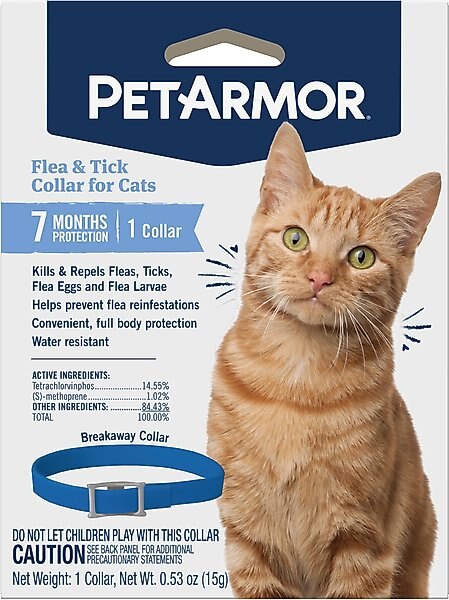
Are you worried about fleas bothering your cat? You’ve probably heard that flea collars can help, but do they really work?
Choosing the right flea protection is important for your cat’s health and comfort. You’ll discover the truth about flea collars, how they work, and what you should consider before using one. Keep reading to find out if a flea collar is the solution your cat needs.
How Flea Collars Work
Understanding how flea collars work can help you choose the right one for your cat and protect them effectively. These collars are designed to release substances that target fleas, disrupting their lifecycle and preventing infestations. But what exactly goes into making a flea collar effective, and how does it interact with your furry friend?
Active Ingredients In Flea Collars
Flea collars contain specific chemicals that are either insecticides or insect growth regulators. Common active ingredients include:
- Imidacloprid:Kills adult fleas on contact.
- Flumethrin:Repels and kills ticks and fleas.
- Pyriproxyfen:Prevents flea larvae from developing into adults.
Each ingredient targets different stages of the flea’s life, making the collar more effective overall. Have you checked your cat’s collar to see which ingredients it contains?
Mechanism Of Action On Cats
Once the collar is on, it slowly releases these active ingredients onto your cat’s skin and fur. The chemicals spread evenly over the body through natural oils and skin contact. This creates a protective barrier that kills fleas when they bite or crawl over your cat.
Because the collar works continuously, it minimizes the chance of fleas settling on your cat. But remember, collars work best when used alongside other flea control methods like regular grooming and cleaning your home.
Duration Of Effectiveness
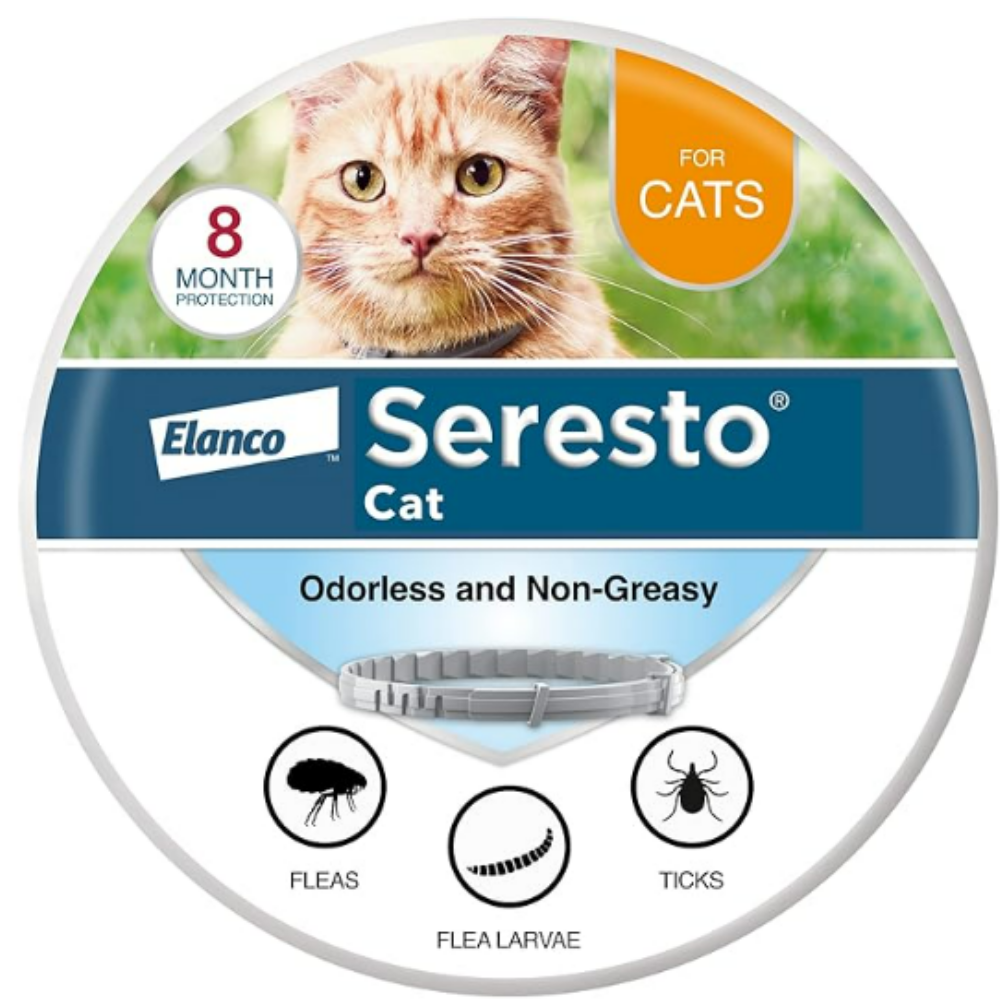
Most flea collars provide protection for about 8 months, but this can vary depending on the brand and your cat’s activities. Water exposure and rough play might reduce the collar’s lifespan. It’s important to monitor the collar’s condition and replace it as needed to maintain continuous flea control.
How often do you check your cat’s flea collar to ensure it’s still effective? Keeping track can save you from unexpected flea problems.
Types Of Flea Collars For Cats
Choosing the right flea collar for your cat can feel overwhelming with so many options available. Understanding the different types can help you make a decision that suits your cat’s needs and your comfort level. Let’s look at the main categories of flea collars and what sets them apart.
Chemical-based Collars
Chemical-based flea collars use synthetic ingredients to kill or repel fleas. These collars often contain ingredients like pyrethroids or imidacloprid, which are effective at eliminating fleas quickly.
They usually provide long-lasting protection, sometimes up to 8 months. However, some cats may be sensitive to these chemicals, so watch for any skin irritation or unusual behavior after putting on the collar.
Natural And Herbal Options
If you prefer avoiding synthetic chemicals, natural flea collars might be appealing. These collars use ingredients like essential oils, cedarwood, or citronella to repel fleas without harsh chemicals.
While they tend to be gentler on your cat’s skin, their effectiveness varies and may not last as long as chemical-based collars. Have you noticed if your cat reacts better to natural scents or seems bothered by them?
Collars With Repellent Vs. Killing Action
Some flea collars work by repelling fleas, making your cat less attractive to these pests. Others actively kill fleas on contact or after they bite your cat.
Repellent collars reduce the chance of flea bites, while killing collars aim to eliminate existing infestations. Think about your cat’s current flea situation—do you need prevention or treatment?
Effectiveness Of Flea Collars
Flea collars are a popular choice for many cat owners looking to protect their pets from annoying and harmful fleas. But how effective are these collars really? Understanding their success, limits, and how they stack up against other treatments can help you decide if a flea collar is right for your furry friend.
Success Rates Reported By Cat Owners
Many cat owners share mixed reviews about flea collars. Some report a noticeable drop in flea activity within days of use, praising collars that combine insecticides and repellents. Others find little to no change, suggesting the collar may not cover all flea life stages or reach fleas hiding in hard-to-access spots.
One cat owner mentioned, “My cat’s scratching stopped after a week, which was a relief.” Yet, another said, “I still found fleas after a month, so I switched to a topical treatment.” These varied experiences highlight that success often depends on the product and the severity of the flea problem.
Limitations And Challenges
Flea collars don’t always provide complete protection. Their effectiveness can be limited by the cat’s activity level and the collar’s fit. If the collar is too loose or worn incorrectly, it may not release enough active ingredients to kill fleas.
Additionally, some cats react poorly to certain chemicals in flea collars, causing skin irritation or discomfort. Fleas may also develop resistance to the active substances in collars, reducing their overall impact.
Do you monitor your cat closely after starting a flea collar? Watching for side effects or persistent fleas is key to knowing if the collar is working.
Comparison With Other Flea Treatments
Compared to topical treatments or oral medications, flea collars are often less targeted but more convenient. Topical products usually provide faster and more thorough flea control by spreading through the cat’s skin oils.
Oral treatments work systemically, killing fleas that bite your cat, but require a vet’s prescription and careful dosing. Flea collars, on the other hand, are easy to use and often less expensive, making them attractive for mild infestations or prevention.
Here’s a quick comparison:
| Treatment Type | Speed of Action | Coverage | Convenience | Cost |
|---|---|---|---|---|
| Flea Collar | Slow to moderate | Limited to collar area | High | Low |
| Topical Treatment | Fast | Whole body | Moderate | Moderate |
| Oral Medication | Very fast | Systemic | Moderate | High |
Which factors matter most to you—speed, convenience, or cost? Your answer can help you pick the best flea control for your cat’s needs.
Credit: www.hartz.com
Safety Concerns And Side Effects
Flea collars are popular for controlling fleas on cats. Safety is a top concern before choosing any flea treatment. Some cats may react differently to the chemicals in flea collars. Understanding the possible side effects helps keep your cat safe and comfortable.
Potential Allergic Reactions
Some cats develop skin irritation from flea collars. Symptoms include redness, itching, and swelling around the neck. Allergic reactions can cause hair loss or sores. Watch your cat closely during the first few days. Remove the collar if you see any signs of allergy.
Toxicity Risks
Flea collars contain chemicals designed to kill fleas. These substances can be toxic if ingested or absorbed in large amounts. Cats may lick the collar or groom themselves excessively. Toxicity signs include drooling, vomiting, weakness, or tremors. Keep collars out of reach of other pets and children.
Proper Usage And Precautions
- Choose a collar made for cats, not dogs.
- Follow the instructions on the package carefully.
- Check the collar fit; it should be snug but not tight.
- Remove the collar during baths or swimming.
- Regularly inspect your cat’s skin under the collar.
- Consult a veterinarian if unsure about collar safety.
Alternative Flea Control Methods
Flea collars aren’t the only option to protect your cat from those persistent pests. You might find that alternative flea control methods offer more effective and tailored solutions. These alternatives often provide quicker relief and can fit better with your cat’s lifestyle and health needs.
Topical Treatments
Topical treatments are liquid solutions applied directly to your cat’s skin, usually between the shoulder blades. These treatments kill fleas by disrupting their life cycle, preventing eggs from hatching and larvae from growing.
Many cat owners swear by spot-on treatments because they act fast and last for weeks. Have you noticed how some brands also repel ticks? That added protection might be worth considering if your cat spends time outdoors.
Oral Medications
Oral flea medications come in the form of pills or chewables that your cat ingests. These medications work systemically, killing fleas when they bite your cat.
One advantage is the ease of use—no mess or worry about your cat licking off the treatment. If your cat is picky about topical applications, oral meds could be a game-changer.
Environmental Control Strategies
Controlling fleas isn’t just about treating your cat; it’s about treating their environment too. Fleas lay eggs in carpets, bedding, and furniture, so regular cleaning is critical.
Vacuum frequently, wash your cat’s bedding in hot water, and consider using environmental sprays or foggers designed to kill flea eggs and larvae. Have you thought about how much your home’s cleanliness impacts flea prevention? Taking control of your environment can stop fleas before they reach your cat.
Credit: paulogrobel.com
Tips For Choosing The Right Flea Collar
Choosing the right flea collar for your cat is important for their health and comfort. Not all flea collars work the same. Some cats need specific types based on their age, size, and health. Picking the best collar means understanding your cat’s needs, reading product labels carefully, and seeking expert advice.
Assessing Your Cat’s Needs
Consider your cat’s age and weight. Some collars are made for kittens, others for adult cats. Check if your cat has sensitive skin or allergies. Outdoor cats may need stronger protection than indoor cats. Think about how active your cat is and if they interact with other pets.
Reading Labels And Ingredients
Look for safe ingredients approved for cats. Avoid collars with harsh chemicals that can harm your pet. Check how long the collar protects your cat. Some collars last a few weeks; others work for several months. Understand how the collar works—repelling fleas or killing them on contact.
Consulting Your Veterinarian
Your vet knows what is best for your cat’s health. Ask about the safest and most effective flea collars. Share information about your cat’s health and lifestyle. Your vet can recommend collars that won’t cause side effects. Regular check-ups help monitor flea control success and your cat’s well-being.
Credit: www.petsradar.com
Frequently Asked Questions
Do Flea Collars Effectively Protect Cats From Fleas?
Yes, flea collars can effectively protect cats by releasing insecticides that kill and repel fleas. However, their efficiency varies by brand and flea severity. Always choose collars specifically designed for cats and follow usage instructions closely for best results.
Are Flea Collars Safe For All Cats?
Most flea collars are safe for cats when used as directed. However, kittens, pregnant cats, or cats with health issues may need vet advice before use. Always monitor your cat for any allergic reactions or discomfort after applying a collar.
How Long Do Flea Collars Last On Cats?
Flea collars typically last between 4 to 8 months, depending on the brand. They provide continuous flea protection during this period. Replace the collar as recommended to maintain effective flea control and avoid gaps in protection.
Can Flea Collars Treat Existing Flea Infestations?
Flea collars mainly prevent new flea infestations but are less effective at eliminating heavy existing infestations. For severe flea problems, combine collars with flea shampoos, sprays, or vet-prescribed treatments for faster relief.
Conclusion
Flea collars can be effective for cats. They help prevent flea infestations. But not all collars work the same way. Some cats may experience irritation. Always check for allergic reactions. Consult your vet for the best option. Consider your cat’s habits and environment.
A safe and effective collar is crucial. Regularly inspect your cat for fleas. Combine flea collars with other preventive measures. Keep your cat happy and healthy.

Lily Purrington is the founder of MyKittyPicks.com, a cozy corner of the web dedicated to helping cat lovers discover the best cat products, furniture, toys, and home decor ideas.
A lifelong cat enthusiast, Lily shares trusted tips, honest product recommendations, and stylish inspiration designed to keep kitties happy and homes beautiful.
Her mission is simple: to bring together practical advice and purr-fect picks that make life better for cats and the people who love them.


