
Are you tired of seeing your beloved feline friend scratch and itch incessantly? Fleas can be a relentless nuisance, not just for your cat but for you as well.
You might be wondering if flea collars really work for cats or if they’re just another gimmick. With so many options on the market, choosing the right solution can feel overwhelming. We’ll dive into the effectiveness of flea collars for cats, unraveling the truth behind their promises.
By the end, you’ll have a clear understanding of whether a flea collar is the right choice for your furry companion. Stay with us as we uncover the secrets to giving your cat the comfort and relief they deserve.

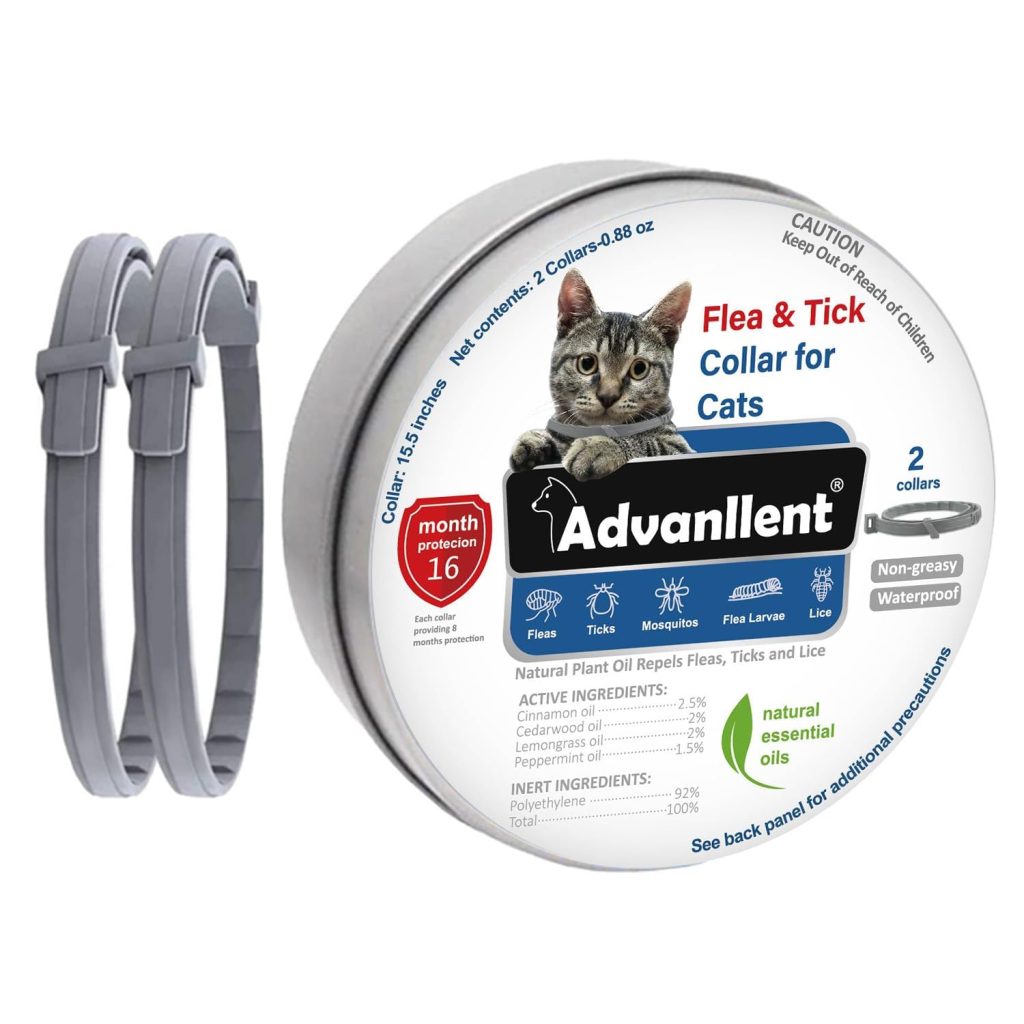
Credit: www.amazon.com
How Flea Collars Work
Understanding how flea collars work can help you decide if they are the right choice for your cat. These collars are designed to prevent and kill fleas by releasing chemicals that target these pests. But not all flea collars are made the same, and knowing the details can make a big difference in effectiveness.
Active Ingredients In Flea Collars
Flea collars contain specific chemicals that act against fleas. Common active ingredients include:
- Imidacloprid:Kills adult fleas on contact.
- Flumethrin:Repels and kills ticks and fleas.
- Permethrin:Effective against fleas but toxic to cats, so it’s usually avoided.
- Pyrethroids and Pyrethrins:Natural insecticides that disrupt flea nervous systems.
Knowing which ingredients are safe for cats is crucial because some flea collars designed for dogs can harm your feline friend.
Mechanism Of Action
Flea collars work by slowly releasing active ingredients that spread over your cat’s skin and fur. These chemicals either kill fleas on contact or repel them before they can bite.
The collar ensures continuous protection by releasing small doses over weeks or months. This steady release keeps fleas away without overwhelming your cat with chemicals all at once.
Have you noticed how some collars lose effectiveness after a short time? That’s often due to the way the ingredients disperse or the collar’s material quality.
Types Of Flea Collars
There are several types of flea collars available, each working differently:
- Insecticide-Impregnated Collars:Contain chemicals that kill and repel fleas.
- Natural or Herbal Collars:Use essential oils like citronella or eucalyptus to repel fleas, but may be less effective.
- Waterproof Flea Collars:Designed to maintain effectiveness even if your cat gets wet.
Choosing the right type depends on your cat’s lifestyle and sensitivity. For example, if your cat loves water, a waterproof collar might be the best fit.
Effectiveness For Cats
Flea collars are a popular choice for protecting cats from fleas. Their effectiveness depends on several factors like the collar type, the cat’s environment, and flea severity. Understanding how well flea collars work helps cat owners make better decisions for their pets’ health.
Scientific Studies On Flea Collars
Research shows flea collars release chemicals that repel or kill fleas. Some collars use insecticides that spread through the cat’s skin oils. Studies confirm these collars reduce flea populations on cats. Effectiveness varies by product and active ingredients used.
Not all flea collars offer the same level of protection. Some newer collars contain long-lasting chemicals that work for months. Others may lose effectiveness quickly. Scientific tests often compare flea counts before and after collar use.
Common Success Rates
Success rates differ among flea collar brands. Many collars show 70% to 90% effectiveness in killing or repelling fleas. Some cat owners report fewer flea bites and less scratching after using collars. Success often depends on using the collar properly and replacing it on time.
Flea collars work best when combined with other flea control methods. Regular cleaning and treating the cat’s environment improve results. Success rates drop if the collar is loose or the cat spends time outdoors.
Limitations And Challenges
- Some cats may have skin reactions to collar chemicals.
- Flea collars do not always kill flea eggs or larvae.
- Collars may not protect cats fully in heavy infestations.
- Water exposure can reduce collar effectiveness.
- Not all flea species respond equally to collar chemicals.
Flea collars are not a one-stop solution. They work best as part of a flea control plan. Owners should watch for side effects and consult vets if needed.
Choosing The Right Flea Collar
Choosing the right flea collar for your cat is more than just picking the first one you see on the shelf. It requires understanding what works best for your cat’s unique needs and lifestyle. The right collar can protect your furry friend effectively without causing discomfort or health issues.
Factors To Consider
Start by checking the collar’s active ingredients. Are they safe and proven to kill fleas? Some collars use natural ingredients, while others rely on chemical treatments. Think about your cat’s age, weight, and any allergies they might have.
Also, consider the collar’s fit. It should be snug but not tight, allowing your cat to move and groom comfortably. Look for collars with adjustable straps to ensure a perfect fit. Water resistance is another important feature if your cat likes to roam outside or take occasional baths.
Safety For Cats
Safety should be your top priority. Avoid collars that contain harsh chemicals if your cat is sensitive or has existing health issues. Some cats may react negatively to certain ingredients, causing skin irritation or more serious problems.
Always monitor your cat after putting on a new flea collar. If you notice excessive scratching, redness, or lethargy, remove the collar immediately and consult your vet. Remember, a flea collar should protect your cat, not harm them.
Recommended Brands
Brands like Seresto and Bayer have earned a reputation for effective and safe flea collars for cats. Seresto, for example, offers up to 8 months of continuous protection and is water-resistant. Bayer’s collars are known for their broad-spectrum protection against fleas and ticks.
Consider reading user reviews and asking your veterinarian for advice. Sometimes the best choice is one that balances effectiveness with your cat’s specific health needs and lifestyle. Which brand fits your cat’s routine and comfort level?

Credit: www.amazon.com
Alternative Flea Control Methods
Flea collars are a popular choice for many cat owners. Still, some cats do not respond well to them or develop skin irritation. Alternative flea control methods offer different ways to protect your cat from fleas. These options can fit various needs and preferences.
Topical Treatments
Topical treatments are liquid drops applied to a cat’s skin. Usually placed on the back of the neck, they spread over the cat’s body. These treatments kill fleas and prevent new ones from hatching. They work fast and last for weeks. Many brands are available at pet stores and vets.
Topical treatments are easy to use. They do not bother cats much. Plus, they avoid the risk of a collar getting loose or stuck. Regular use helps keep fleas away effectively.
Oral Medications
Oral medications come in the form of pills or chewables. Cats eat them, and the medicine works from inside their body. These medications target fleas at different life stages. Some kill adult fleas quickly, while others stop flea eggs from hatching.
Oral flea control is often very effective. It can suit cats that dislike topical drops. Some oral meds need a vet’s prescription. Always follow the vet’s advice for dosage and safety.
Natural Remedies
Natural remedies use ingredients from plants or minerals to fight fleas. Examples include diatomaceous earth, apple cider vinegar, and certain essential oils. These remedies may repel fleas or kill them gently.
Natural options appeal to owners wanting fewer chemicals around pets. They can support other flea control methods. Use caution with essential oils as some are toxic to cats. Always research or ask a vet before trying natural remedies.
Tips To Maximize Flea Prevention
Preventing fleas on your cat takes more than just a collar. A strong routine helps keep fleas away and your cat comfortable. Combining good habits at home with regular care boosts flea control.
Regular Grooming Practices
Brush your cat often to spot fleas early. Use a fine-toothed flea comb to remove fleas and eggs. Bathing your cat with flea shampoo can reduce fleas on the fur. Check your cat’s skin for redness or irritation.
Home Cleaning Strategies
Vacuum floors, carpets, and furniture to remove flea eggs and larvae. Wash your cat’s bedding in hot water weekly. Treat your home with pet-safe flea sprays if fleas appear. Keep your yard clean and free of debris where fleas hide.
Monitoring And Early Detection
Look for signs like scratching, hair loss, or flea dirt on your cat. Use flea combs regularly to catch fleas early. Keep track of flea seasons in your area for timely prevention. Visit the vet for advice if you notice flea problems.

Credit: www.hartz.com
Frequently Asked Questions
How Effective Are Flea Collars For Cats?
Flea collars can be effective in preventing and killing fleas on cats. However, their success depends on the collar type and flea infestation severity. Some collars release chemicals slowly for long-term protection, while others offer only short-term relief. Always choose collars designed specifically for cats.
Are Flea Collars Safe For All Cats?
Most flea collars are safe for healthy adult cats when used correctly. However, kittens, pregnant, or sick cats may be sensitive to certain chemicals. Always read product labels carefully and consult your vet before using a flea collar on your cat.
How Long Do Flea Collars Last On Cats?
Flea collars typically last between 2 to 8 months, depending on the brand. Some collars provide continuous protection, while others need replacement sooner. Check the manufacturer’s instructions for specific duration and replace the collar as recommended for ongoing flea control.
Can Flea Collars Cause Side Effects In Cats?
Some cats may experience mild side effects like skin irritation or itching from flea collars. Severe reactions are rare but possible. If your cat shows unusual behavior or skin issues, remove the collar immediately and consult your veterinarian for advice.
Conclusion
Flea collars can help protect cats from fleas but may not work alone. Regular checks and cleaning are important to keep fleas away. Some cats react differently to collars, so watch for any issues. Combining collars with other flea treatments often works best.
Keep your cat comfortable and flea-free with simple care steps. Safe and steady care matters most for your cat’s health.

Lily Purrington is the founder of MyKittyPicks.com, a cozy corner of the web dedicated to helping cat lovers discover the best cat products, furniture, toys, and home decor ideas.
A lifelong cat enthusiast, Lily shares trusted tips, honest product recommendations, and stylish inspiration designed to keep kitties happy and homes beautiful.
Her mission is simple: to bring together practical advice and purr-fect picks that make life better for cats and the people who love them.


