
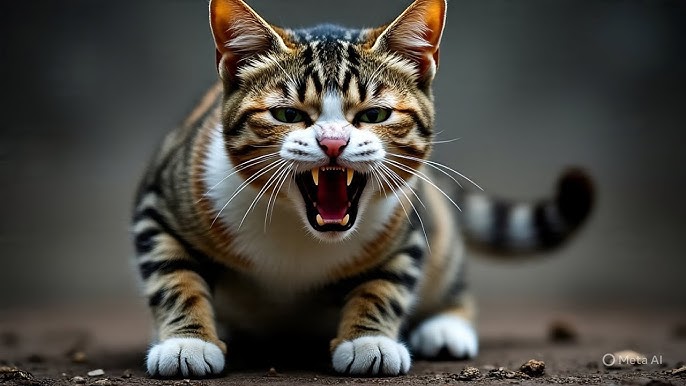
Have you ever wondered if cats make noise when mating? If you’ve heard strange sounds from your feline friends and felt curious or even a bit concerned, you’re not alone.
Understanding why your cat might be vocal during this time can help you better care for them and ease any worries you have. You’ll discover the reasons behind these sounds and what they really mean. Keep reading to learn what’s normal and when you might need to pay extra attention to your cat’s behavior.
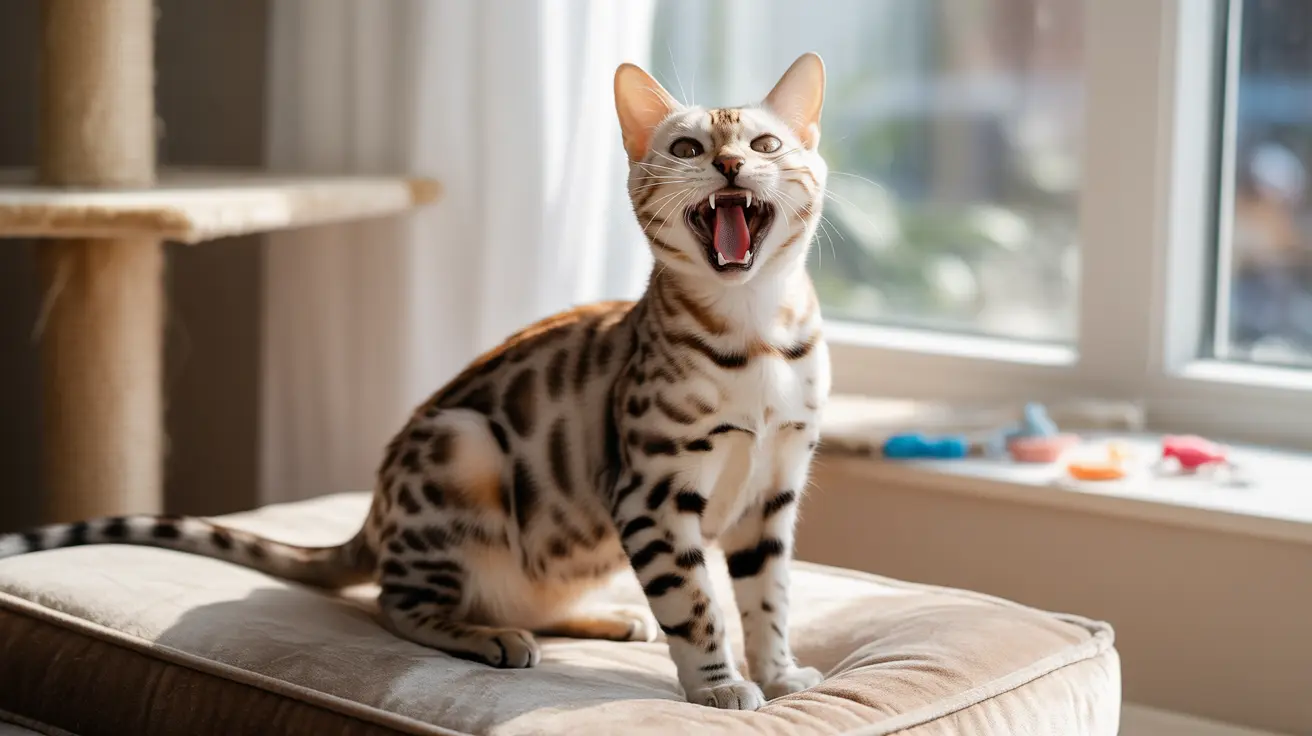
Credit: www.petscare.com
Mating Sounds In Cats
Cats are known for their quiet and graceful demeanor, but when it comes to mating, their behavior changes noticeably. One of the most surprising aspects is the range of sounds they make during this time. Understanding these noises can help you better interpret your cat’s behavior and provide appropriate care.
Common Vocalizations
During mating, female cats often emit loud, piercing yowls and cries. These sounds can be quite startling if you’re not expecting them.
Male cats also vocalize but tend to make softer growls, chirps, or grunts. These noises help communicate their presence and intentions to the female.
These vocalizations are very different from the usual meows or purrs you hear daily. They serve a specific purpose related to reproduction.
Reasons For Vocal Noises
One main reason for these sounds is to attract mates. Female cats use loud cries to signal their readiness to mate, which can be heard from a distance.
Another reason is communication between the male and female during the actual mating process. The noises help coordinate and ensure successful mating.
Interestingly, the vocalizations can also serve as a warning to other males to stay away. This reduces competition and potential fights.
Have you noticed your cat making unusual sounds and wondered why? These mating sounds are a natural part of their reproductive cycle and reflect complex communication strategies.
Female Cat Noises
Female cats are surprisingly vocal, especially when they are in heat or mating. Their noises serve as signals to male cats and can reveal a lot about their mood and readiness. Understanding these sounds helps you recognize what your cat is experiencing and how to respond to her needs.
Calls During Heat
When a female cat is in heat, she often makes loud, persistent calls. These sounds can range from yowling to loud meowing. It’s her way of announcing to males that she’s ready to mate.
You might notice your cat pacing or rolling on the floor while making these noises. These calls can be quite intense and last for hours, even disturbing your household’s peace. If you’ve ever heard these sounds, you know they’re hard to ignore.
Does your cat suddenly become more vocal and restless? This is a clear sign she might be in heat and trying to attract a mate.
Sounds During Mating
During mating, female cats often produce sharp, loud cries. These noises are usually brief but intense. They might sound like yowls or screams, which can startle you if you’re not expecting them.
These sounds are thought to signal discomfort or pain, as mating can be physically demanding for the female. The male cat’s barbed penis causes this reaction, which triggers ovulation.
Listening carefully to these sounds can help you understand what your cat is going through. It also emphasizes why providing a calm environment during this time is important for her well-being.
Male Cat Vocal Behavior
Male cats have a unique way of communicating during mating season, and their vocal behavior plays a big role in this. Understanding these sounds can help you recognize what your cat is trying to express. Sometimes, their noises might surprise you, but they have clear purposes tied to mating rituals.
Responses To Female Calls
Male cats often respond loudly when a female is in heat. Their meows can become sharper and more persistent, aiming to locate and attract the female. You might hear them yowl or howl, which can sound intense compared to their usual purring or meowing.
These vocalizations serve as a way to communicate readiness and interest. If you’ve noticed your male cat suddenly becoming louder or more vocal, it could be his reaction to a female’s call nearby. Have you ever heard your cat’s sudden loud yowl and wondered what triggered it?
Mating-related Sounds
During mating, male cats produce a range of sounds that might seem strange or even unsettling. They often emit short, sharp cries or grunts when mounting. These noises are part of the mating process and are not signs of distress but communication.
Sometimes, you’ll hear a male cat make a chattering sound or growl-like noises. These sounds help signal dominance and keep other males away. If your cat makes these noises, it’s his way of saying, “I’m here, and I’m serious.”

Credit: www.youtube.com
Purpose Of Mating Noises
Have you ever noticed the loud, sometimes startling sounds cats make during mating? These noises serve important purposes beyond mere vocal expression. Understanding why cats vocalize during mating helps you better interpret their behavior and the natural instincts driving them.
Communication Between Cats
Cats use mating noises to communicate vital information. The female signals her readiness and receptiveness to potential mates through specific sounds. Meanwhile, males respond with calls that assert their presence and interest.
These vocalizations help cats find each other, especially when they are not in close proximity. They also establish boundaries, reducing unnecessary conflicts. If you’ve ever heard a female cat yowl loudly, it’s often her way of inviting or warning males.
Attracting And Repelling
Mating noises do more than just attract a partner. They also repel rival males, creating a natural competition. The louder and more frequent the calls, the stronger the signal that a cat is already claimed or ready to mate.
Female cats sometimes make high-pitched cries that draw in males from a distance, but these sounds can also warn others to stay away. Understanding this push-pull dynamic helps explain why the noises can be so intense and persistent.
Next time you hear these mating calls, consider the complex messages packed within them. What might your cat be trying to tell others? Listening closely opens a window into their natural world.
When Mating Sounds Indicate Distress
Cats often make noises during mating, but some sounds may signal distress. Recognizing these signs helps protect your cat’s health. Distress noises are usually sharp, loud, and different from normal mating sounds. They may indicate pain or discomfort that needs attention.
Signs Of Discomfort Or Pain
- High-pitched yowling or screaming
- Repeated crying or howling
- Restlessness or trying to escape
- Swelling or bleeding around genital area
- Excessive licking of sensitive spots
- Sudden aggression or withdrawal
These signs suggest the cat is not comfortable and may be hurting. Normal mating sounds are softer and less intense.
When To Consult A Vet
Seek veterinary care if distress sounds persist or worsen. Also visit a vet if you notice bleeding, swelling, or unusual behavior. Early treatment prevents infections and serious health problems. A vet can check for injuries or infections that cause pain during mating.
Comparing Cat Mating Noises With Other Animals
Comparing cat mating noises with those of other animals reveals fascinating differences and unique traits. While many animals vocalize during mating, the sounds cats make stand out for their intensity and purpose. Understanding these noises can help you better interpret your pet’s behavior and recognize when they are in heat or mating.
Differences In Sound Patterns
Cats produce sharp, loud yowls and cries during mating, which can sound almost like distress calls. This contrasts with many other animals that use softer or more rhythmic sounds. For instance:
- Birds often sing melodious tunes to attract mates, creating a calming atmosphere.
- Dogs usually emit short barks or whines during mating, less intense than cat vocalizations.
- Frogs produce repetitive croaking sounds that serve as both attraction and territorial signals.
Cat mating calls are sudden and high-pitched, often surprising to owners. Have you noticed how your cat’s cries can seem frantic? This pattern reflects the physical discomfort the female experiences, which is unique compared to the mating sounds of other species.
Unique Cat Vocal Traits
What makes cat mating noises truly unique is their combination of volume, pitch, and timing. Female cats vocalize loudly right after mating, which is unusual in the animal kingdom. This loud vocalization is believed to signal males to stay or warn others away.
Unlike many animals whose mating calls are meant solely to attract mates, cat vocalizations also serve as communication between the mating pair. The sounds can include:
- High-pitched yelps
- Continuous yowling
- Short, sharp cries
These noises can last only a few seconds but are intense enough to catch your attention. Have you ever wondered why your cat suddenly becomes noisy at night? It’s often linked to these mating behaviors that don’t have direct parallels in other pets.
Tips For Cat Owners During Mating Season
Mating season can be a noisy and stressful time for cats and their owners. Cats often vocalize loudly, which may disturb your household or neighbors. Understanding how to manage these sounds and keep your cat safe helps everyone cope better during this period.
Managing Noise Levels
Cat noises during mating can be loud and persistent. Try these tips to reduce noise:
- Close windows and doors to block sounds.
- Use white noise machines or fans to mask vocalizations.
- Create a quiet, comfortable space for your cat to relax.
- Play soft music to soothe your pet.
Reducing stress helps lower noise and keeps your cat calm.
Ensuring Cat Safety
Mating season increases the risk of fights and injuries. Keep your cat safe by following these steps:
- Keep your cat indoors to prevent encounters with other animals.
- Secure your yard with fences to limit escape.
- Monitor your cat for signs of stress or injury.
- Provide fresh water and nutritious food to support health.
- Consider spaying or neutering to avoid mating behaviors.
Safety measures protect your cat and reduce unwanted risks.

Credit: weareallaboutcats.com
Frequently Asked Questions
Do Cats Make Noise During Mating?
Yes, female cats often make loud, sharp cries during mating. These sounds are a response to male cat’s behavior and help trigger ovulation.
Why Do Cats Yowl When Mating?
Cats yowl to communicate distress and stimulate ovulation. The female’s vocalization signals discomfort and encourages the male to complete mating quickly.
Is Noisy Mating Normal For Cats?
Noisy mating is normal and expected in cats. It helps with reproductive processes and is a natural behavior during breeding.
How Loud Are Cat Mating Sounds?
Cat mating sounds can be quite loud and startling. Females may produce high-pitched cries lasting several seconds during mating.
Conclusion
Cats can indeed make noise during mating. These sounds can include yowling, meowing, or hissing. They might seem alarming, but they’re normal. Such noises are part of their natural behavior. Cats communicate with each other through these sounds. It’s their way to express readiness or discomfort.
Understanding these noises helps in providing better care. Always ensure your cat feels safe and comfortable. Observing their behavior helps in identifying their needs. Pay attention to their signals. This knowledge can improve your bond with your pet. Keep learning about your cat’s behavior.
It’s a rewarding journey.

Lily Purrington is the founder of MyKittyPicks.com, a cozy corner of the web dedicated to helping cat lovers discover the best cat products, furniture, toys, and home decor ideas.
A lifelong cat enthusiast, Lily shares trusted tips, honest product recommendations, and stylish inspiration designed to keep kitties happy and homes beautiful.
Her mission is simple: to bring together practical advice and purr-fect picks that make life better for cats and the people who love them.


