
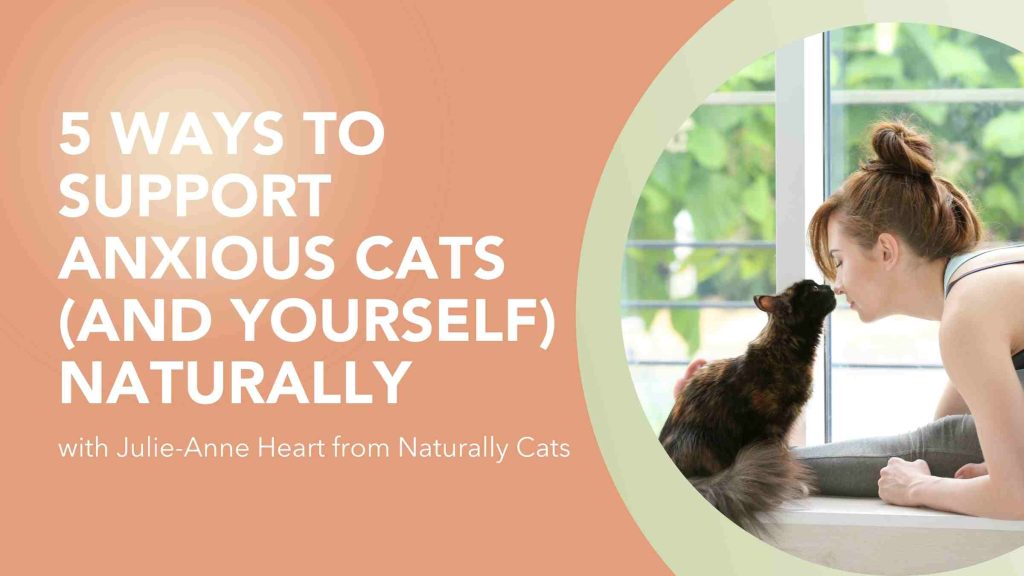
Feeling anxious can be overwhelming, and you might be searching for simple ways to find relief. Have you ever wondered if a cat could actually help ease your anxiety?
Imagine coming home to a gentle purr and soft fur that instantly calms your racing mind. You’ll discover how cats can be more than just cute pets—they might be your secret weapon against anxiety. Keep reading to find out how your feline friend can bring comfort and peace to your daily life.
How Cats Influence Anxiety
Cats can have a calming effect on people who feel anxious. Their presence often brings comfort and peace. Understanding how cats influence anxiety helps explain why many find relief through these pets.
The Science Behind Cat Companionship
Research shows petting cats lowers stress hormones in the body. This reduces feelings of anxiety and tension. Cat purring creates vibrations that may promote healing and calmness. Spending time with cats releases oxytocin, a hormone linked to bonding and happiness.
Studies also find that cats help decrease blood pressure during stressful moments. Their quiet company provides a soothing environment. This helps the brain focus on positive feelings instead of worries.
Cat Behavior And Emotional Support
Cats show affection in gentle ways, like rubbing or sitting close. These small actions make people feel cared for and less alone. Cats follow routines that offer stability, which can reduce anxious thoughts.
Many cats sense their owner’s moods and respond with comforting behavior. Their playful nature encourages distraction from stressful thoughts. The responsibility of caring for a cat also gives purpose and routine.
- Soft purring sounds calm the nervous system
- Warm body contact promotes relaxation
- Playtime shifts focus from anxiety to joy
- Companionship reduces feelings of loneliness
Stress Reduction Through Cat Interaction
Spending time with cats can lower stress levels noticeably. Their calm nature and gentle behavior create a soothing environment. Interaction with cats helps the body relax and the mind focus on the present moment. This simple activity can ease tension and bring comfort quickly.
Physical Benefits Of Petting Cats
Petting a cat slows down the heart rate. It lowers blood pressure and reduces muscle tension. The repetitive motion of stroking fur releases calming hormones in the brain. These hormones help reduce physical signs of stress and promote relaxation.
Petting also distracts from stressful thoughts. It encourages deep breathing and helps the body enter a peaceful state. This connection between touch and calmness supports overall well-being.
Psychological Impact Of Cat Presence
Cats provide quiet companionship that eases feelings of loneliness. Their presence creates a sense of safety and comfort. Watching a cat’s slow movements or hearing their purring can calm an anxious mind.
Their playful and curious nature invites positive emotions. Cats help shift focus away from worries and negative thoughts. This mental break can reduce anxiety and improve mood.
Cats As Natural Mood Boosters
Cats offer calm and comfort that can ease feelings of anxiety. Their gentle purring and soft presence help relax the mind and reduce stress. Spending time with cats often brings a quiet joy that lifts mood naturally.
Cats can be amazing companions for those dealing with anxiety. Their presence often brings peace and comfort to a stressful mind. Many find that simply having a cat around can improve their mood. This is not just about their cute faces or soft fur. Cats have a natural ability to boost our mood in ways that science can explain.Release Of Feel-good Hormones
Petting a cat can trigger the release of oxytocin. This hormone is often called the “love hormone.” It promotes feelings of happiness and bonding. Spending time with a cat can also increase serotonin and dopamine levels. These neurotransmitters help regulate mood and anxiety. A few minutes with a cat can make you feel relaxed and content. Their purring vibrations also have a calming effect on the mind.Distraction From Stressful Thoughts
Cats provide a healthy distraction from anxious thoughts. Watching them play or sleep can shift focus away from stress. Their playful antics and curious behavior capture attention easily. This break from stress allows the mind to reset and calm down. Engaging with a cat can also create a routine. This routine can help manage anxiety by providing structure to the day.
Credit: ca.style.yahoo.com
Choosing The Right Cat For Anxiety Relief
Choosing the right cat for anxiety relief is important for a calming bond. Each cat has a unique personality that affects your comfort and stress levels. Finding a cat with traits that soothe your mind can make a big difference. Understanding how to meet your cat’s needs helps build trust and peace.
Personality Traits That Help Ease Stress
Cats that stay calm and gentle ease anxiety best. Look for cats that enjoy being near people but don’t demand too much attention. A quiet, affectionate cat often provides comfort without stress. Cats that purr softly or cuddle can create a peaceful atmosphere. Playful cats also help by distracting you from anxious thoughts.
- Calm and gentle behavior
- Enjoys quiet closeness
- Soft purring and cuddling
- Playful but not overly active
Adapting To Your Cat’s Needs
Meeting your cat’s needs builds a strong, calming connection. Provide a safe and quiet space for your cat to relax. Respect their boundaries and allow them to approach you on their own time. Regular feeding, playtime, and gentle petting help your cat feel secure. This trust reduces both your and your cat’s stress. A happy cat supports your mental peace.
Caring For Cats While Managing Anxiety
Caring for cats while managing anxiety can create a unique balance of responsibility and comfort. Your feline friend can be a source of calm, but caring for them also requires structure and attention. Finding ways to care for your cat that support your mental health is key to both your well-being and theirs.
Building A Routine With Your Cat
Establishing a daily routine with your cat helps create a sense of predictability. Feeding, playtime, and grooming at consistent times can anchor your day and reduce anxiety’s unpredictability.
Try setting reminders for small tasks, like refilling their water or brushing their fur. This not only keeps your cat healthy but gently encourages you to focus on the present moment.
Do you notice how your mood shifts when you stick to these small routines? That steady rhythm can quietly build emotional stability over time.
Mindful Interactions To Enhance Calmness
Engaging with your cat mindfully means paying full attention to the moment you share. Notice their soft purring or the way they knead your lap—these simple actions can ground you.
Try petting your cat slowly, focusing on the texture of their fur and their breathing. This can become a meditative practice that lowers stress.
- Watch your cat’s body language to better understand their mood.
- Speak softly to encourage a peaceful environment.
- Take breaks to just sit quietly together without distractions.
What happens when you truly slow down and connect with your cat in these quiet moments? You might find a surprising calmness growing inside.
Credit: www.petmd.com
Limitations And Considerations
While cats can offer comfort and companionship, it’s important to recognize their limits when it comes to helping with anxiety. Not every person or situation will benefit from having a feline friend around. Understanding these limitations can help you decide if a cat is the right choice for managing your anxiety or if other options might better suit your needs.
When Cats May Not Help Anxiety
Sometimes, having a cat may not ease your anxiety and could even make it worse. If you’re allergic to cats, their presence might trigger physical discomfort that adds to stress rather than relieves it.
Additionally, if you have a busy or unpredictable lifestyle, caring for a pet might feel overwhelming instead of soothing. Cats require daily attention, feeding, and occasional vet visits, which could increase your anxiety if you’re already stretched thin.
Some people simply don’t connect with animals or may find their unpredictable behavior unsettling. If your anxiety involves fear of germs or a need for strict order, a cat’s independence and occasional messiness may not be helpful.
Alternatives And Complementary Therapies
If a cat isn’t the right fit, there are many other ways to manage anxiety that you can try alongside or instead of pet companionship.
- Mindfulness and meditation:These practices help you focus on the present moment and calm your mind.
- Exercise:Regular physical activity releases endorphins that reduce anxiety naturally.
- Therapy:Talking to a professional can provide strategies tailored to your personal experience.
- Other pets:Sometimes smaller or less demanding animals like fish or hamsters suit your lifestyle better.
Have you noticed what specific triggers increase your anxiety? Identifying these can guide you to the best combination of therapies and supports. Remember, managing anxiety is personal—what works for one person might not work for another.

Credit: www.youtube.com
Frequently Asked Questions
Can Cats Reduce Symptoms Of Anxiety Effectively?
Yes, cats can reduce anxiety by providing companionship and calming effects. Their purring sounds and gentle presence help lower stress and promote relaxation.
How Do Cats Improve Mental Health For Anxious People?
Cats offer emotional support, reduce loneliness, and encourage routine. Interacting with cats releases oxytocin, which helps decrease anxiety and improves overall mood.
Are Cats Better Than Other Pets For Anxiety Relief?
Cats are low-maintenance and provide consistent comfort, making them ideal for anxiety relief. Their independent nature suits people needing calm, non-demanding support.
Can Owning A Cat Lower Cortisol Levels?
Yes, petting cats can lower cortisol, the stress hormone. This physical interaction promotes relaxation and reduces feelings of anxiety and tension.
Conclusion
Cats can bring calm and comfort to anxious minds. Their gentle purring and soft fur create a soothing effect. Spending time with cats helps lower stress and worry. They offer quiet companionship without asking much. Many people find peace in their playful presence.
Cats do not judge or rush feelings. This simple connection can ease anxious moments. Having a cat nearby can make tough days better. It’s a small step toward feeling more relaxed and safe. Caring for a cat also gives purpose and joy.
Overall, cats can be a gentle help for anxiety.

Lily Purrington is the founder of MyKittyPicks.com, a cozy corner of the web dedicated to helping cat lovers discover the best cat products, furniture, toys, and home decor ideas.
A lifelong cat enthusiast, Lily shares trusted tips, honest product recommendations, and stylish inspiration designed to keep kitties happy and homes beautiful.
Her mission is simple: to bring together practical advice and purr-fect picks that make life better for cats and the people who love them.


