

Are you wondering if you can put cat litter in your bunny’s cage? It’s a question many rabbit owners ask when trying to keep their pets’ space clean and fresh.
But before you pour that cat litter in, there are important things you need to know. Using the wrong type of litter could harm your bunny or cause bigger problems than you expect. Keep reading to discover what works best for your furry friend and how to create a safe, comfortable home for your bunny.
Your pet’s health and happiness depend on it!
Types Of Cat Litter
Cat litter comes in various types, each with different features and benefits. Choosing the right litter is important for your pet’s comfort and hygiene. Understanding the differences helps decide if cat litter suits a bunny cage. Some litters are safe, while others can harm small animals like rabbits.
Clumping Vs Non-clumping
Clumping litter forms solid clumps when wet. It makes cleaning easier by removing waste in chunks. Non-clumping litter absorbs moisture without forming clumps. It often needs changing more frequently. Clumping litters may contain chemicals that can irritate a bunny’s sensitive nose.
Clay-based Litters
Clay litters are common and affordable. They come in clumping and non-clumping types. Clay dust can cause respiratory problems for rabbits. These litters do not break down naturally and create more waste. Clay is not recommended for bunny cages due to dust and heaviness.
Natural And Biodegradable Options
Natural litters include materials like wood, paper, corn, or wheat. They are safer for small animals and break down easily. These litters are usually dust-free and gentle on sensitive noses. Biodegradable litters help reduce environmental impact. They are a better choice for bunny cages.
Scented Vs Unscented Litters
Scented litters contain fragrances to mask odors. These scents can irritate a rabbit’s respiratory system. Unscented litters avoid chemicals and artificial smells. They are safer and more comfortable for bunnies. Choosing unscented litter supports a healthy living space for your pet.
Credit: www.breadboxfarm.com
Bunny Cage Requirements
Creating the right environment in your bunny’s cage is key to its health and happiness. The bedding you choose impacts comfort, cleanliness, and safety. Understanding what makes ideal bedding can help you avoid common mistakes that many pet owners make, especially when considering options like cat litter.
Preferred Bedding Materials
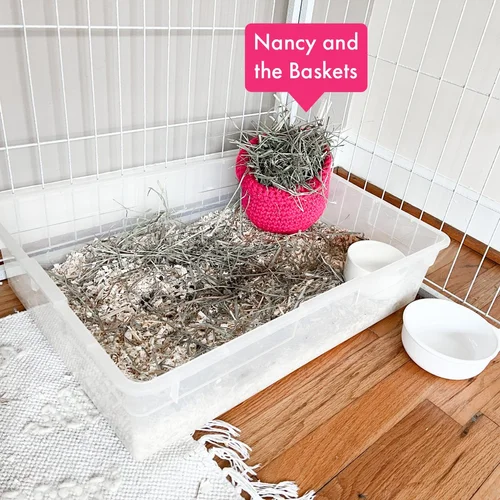
Most rabbit owners prefer natural, soft bedding materials. Options like aspen shavings, paper-based bedding, or hay provide a cozy and gentle surface for your bunny’s paws. These materials also encourage natural behaviors like burrowing and nesting, which are important for their well-being.
Using something too rough or dusty can cause discomfort or respiratory issues. Have you noticed your bunny avoiding certain spots in the cage? That might be a sign the bedding isn’t suitable.
Safety Considerations
Safety is non-negotiable when selecting bedding. Avoid cedar or pine shavings, as their oils can be harmful to rabbits’ lungs. Similarly, many cat litters contain chemicals or fragrances that can irritate your bunny’s sensitive respiratory system.
Think about what could happen if your bunny tries to nibble on the bedding—some materials are toxic if ingested. Always check labels and choose products specifically labeled safe for rabbits.
Absorbency And Odor Control
Good bedding should absorb moisture quickly and control odors effectively. This keeps the cage dry and fresh, reducing the risk of infections and unpleasant smells. Paper-based bedding excels in this area and is often preferred by rabbit owners.
Cat litter might seem absorbent, but many types clump or produce dust that can harm your bunny. Have you ever struggled with lingering odors despite frequent cleaning? The right bedding can make a huge difference here.
Risks Of Using Cat Litter For Bunnies
Using cat litter in a bunny cage might seem convenient, but it carries several risks that could harm your furry friend. Bunnies have delicate systems that react differently to substances safe for cats. Understanding these risks helps you make better choices for your bunny’s health and happiness.
Toxicity Concerns
Many cat litters contain chemicals or clumping agents that are toxic to rabbits. Ingredients like sodium bentonite can cause serious digestive issues if ingested. Even natural-scented or clay-based litters might have additives harmful to your bunny’s sensitive body.
Have you checked the label of your cat litter? It’s important to know exactly what’s inside before considering it for your bunny. Some products may appear safe but still contain toxins that affect rabbits differently than cats.
Respiratory Issues
Dust from cat litter can irritate your bunny’s lungs and nasal passages. Rabbits are prone to respiratory problems, and dusty environments can trigger sneezing, coughing, or worse. Unlike cats, bunnies breathe in more deeply and are more sensitive to airborne particles.
Choosing a dust-free alternative is crucial if you want to protect your bunny’s breathing. Even if your cat litter is labeled as low-dust, it might still pose risks. Ask yourself: Is the convenience worth possible health complications?
Ingestion Hazards
Bunnies often nibble on their surroundings, including bedding or litter. Cat litter, especially clumping types, can cause blockages if swallowed. This can lead to painful digestive problems requiring urgent veterinary care.
Think about your bunny’s natural curiosity and chewing habits. Are you sure the litter you use won’t become a dangerous snack? Providing safe, edible alternatives like paper-based litter can reduce the risk of accidental ingestion.

Credit: www.reddit.com
Safe Alternatives To Cat Litter
Choosing the right bedding for your bunny is essential for their health and happiness. Cat litter often contains materials or chemicals that can irritate a rabbit’s sensitive respiratory system or cause digestive problems if ingested. Luckily, there are several safe alternatives that provide comfort, absorbency, and cleanliness without risking your pet’s well-being.
Paper-based Bedding
Paper-based bedding is a gentle and dust-free option that many bunny owners trust. It’s highly absorbent and controls odors well, making your bunny’s cage fresher for longer periods. Plus, you can often find recycled paper products that are environmentally friendly and easy to replace.
Have you noticed how your bunny prefers softer textures? Paper bedding tends to be soft and cozy, which helps prevent sore hocks and keeps your rabbit comfortable.
Hay And Straw
Hay and straw are natural materials that serve double duty as bedding and food. They provide a warm, insulating layer that keeps your bunny cozy during colder months. While hay is more nutritious and often favored for munching, straw is better for bedding due to its dryness and durability.
One tip: change the bedding regularly to avoid mold or bacteria buildup, especially if your bunny enjoys nibbling on it throughout the day.
Wood Pellets
Wood pellets made from kiln-dried hardwood are another excellent alternative. They offer superior absorbency and reduce odor without the dust commonly found in cat litter. Many owners appreciate how easy it is to clean and replace pellets, helping maintain a hygienic environment.
Keep in mind, avoid pellets made from aromatic woods like cedar or pine, as their oils can irritate your rabbit’s respiratory system. Have you tried mixing pellets with paper bedding to find the perfect balance of comfort and cleanliness?
Tips For Maintaining A Clean Bunny Cage
Keeping a bunny cage clean is essential for your pet’s health and happiness. A clean cage prevents odors and reduces the risk of infections. Proper maintenance also makes your bunny feel comfortable and safe.
Here are some practical tips to keep your bunny cage fresh and tidy every day.
Regular Cleaning Schedule
Set a daily routine for cleaning your bunny’s cage. Remove soiled bedding and replace it with fresh material. Clean food and water containers to avoid bacteria buildup. Weekly deep cleaning with safe, pet-friendly cleaners helps keep the cage hygienic. Consistency in cleaning stops bad smells and keeps your bunny healthy.
Spot Cleaning Techniques
Check the cage several times a day for dirty spots. Use a damp cloth or paper towel to clean urine and droppings right away. Replace small amounts of litter or bedding in heavily soiled areas. Spot cleaning reduces the need for full cage cleaning too often. It keeps the cage fresh and your bunny happy.
Preventing Odors Safely
Use natural, dust-free litter designed for small animals. Avoid harsh chemicals that can harm your bunny’s sensitive nose and lungs. Ventilate the room where the cage is located to reduce smells. Place a small baking soda container near the cage, but out of reach. Regular cleaning combined with safe odor control keeps the environment fresh and safe.
When To Consult A Veterinarian
Consult a veterinarian before using cat litter in a bunny cage. Some litters can harm rabbits’ health. It’s important to choose a safe bedding option for your bunny.
When caring for a bunny, ensuring their health and happiness is your top priority. While setting up their cage, you might consider using cat litter as bedding. However, this can sometimes lead to complications. Knowing when to consult a veterinarian can make a significant difference in your rabbit’s well-being. Recognizing early signs of distress or discomfort is crucial.Signs Of Respiratory Distress
Rabbits are sensitive creatures, especially when it comes to their respiratory systems. If you notice your bunny sneezing frequently or having difficulty breathing, it might be due to dust or fragrances from the cat litter. A few years back, I mistakenly used scented cat litter for my rabbit, and she started wheezing. A quick vet visit confirmed it was the litter affecting her breathing. Always be vigilant and act promptly if you suspect respiratory issues.Digestive Problems
Digestive health is vital for rabbits, and certain litters can pose risks. Some bunnies might ingest litter, leading to blockages or other digestive concerns. If you observe changes in your rabbit’s eating habits or notice unusual droppings, it might be time to seek veterinary advice. Once, my rabbit stopped eating her favorite treats, and a vet visit revealed she had nibbled on the litter, causing discomfort. A simple change in bedding made all the difference.Behavioral Changes
Your rabbit’s behavior can tell you a lot about their health. If your usually active bunny becomes lethargic or starts hiding, it could be stress or discomfort from the cage environment. Pay attention to any sudden changes. I remember my rabbit suddenly refusing to use her litter box, a clear sign she wasn’t happy with her surroundings. After consulting a vet, we switched to a more suitable bedding option, and her behavior improved almost immediately. Your rabbit relies on you to notice these subtle signs. By staying observant and proactive, you can ensure a long, healthy life for your furry friend. Don’t hesitate to reach out to a vet if anything seems amiss. After all, their health and happiness are in your hands.
Credit: www.amazon.de
Frequently Asked Questions
Can You Safely Use Cat Litter In A Bunny Cage?
Using cat litter in a bunny cage is not recommended. Many cat litters contain clay or chemicals harmful to rabbits. Opt for rabbit-safe bedding like paper-based or hay materials to ensure your bunny’s health and comfort.
What Types Of Litter Are Safe For Rabbits?
Safe litter for rabbits includes paper-based, wood pellets, and hay bedding. Avoid clay or clumping litters as they can cause respiratory or digestive issues in rabbits.
How Often Should You Clean A Bunny Cage With Litter?
Clean the bunny cage with litter at least once a week. Spot clean daily to remove soiled litter. This maintains hygiene and reduces odor, keeping your rabbit healthy.
Why Is Clay Cat Litter Bad For Rabbits?
Clay cat litter can cause respiratory problems and digestive blockages in rabbits. It is dusty and may contain harmful chemicals. Always use dust-free, natural bedding materials instead.
Conclusion
Choosing the right litter for your bunny is important. Cat litter can be unsafe and harmful for rabbits. Always pick litter made for small animals or natural materials. Watch your bunny’s behavior and health closely. Clean the cage regularly to keep it fresh and safe.
A happy, healthy bunny needs a clean, comfy home. Safe litter helps your pet feel good every day. Think about your bunny’s needs first and choose wisely.

Lily Purrington is the founder of MyKittyPicks.com, a cozy corner of the web dedicated to helping cat lovers discover the best cat products, furniture, toys, and home decor ideas.
A lifelong cat enthusiast, Lily shares trusted tips, honest product recommendations, and stylish inspiration designed to keep kitties happy and homes beautiful.
Her mission is simple: to bring together practical advice and purr-fect picks that make life better for cats and the people who love them.


