

Have you ever wondered if your dog could make your cat sick? When you have both pets at home, keeping them healthy is your top priority.
But can diseases actually pass from dogs to cats? Understanding this can help you protect your furry friends and avoid unexpected vet visits. Keep reading to discover the truth about how dogs and cats share germs — and what you need to know to keep them both safe and happy.
Credit: www.petscare.com
Common Diseases Between Dogs And Cats
Dogs and cats can share some diseases. These illnesses may spread between them in certain situations. Knowing common diseases helps pet owners keep both animals safe.
Some diseases come from viruses, others from bacteria or parasites. Understanding these categories shows how infections happen and how to prevent them.
Viral Infections
Viruses can cause serious illness in both dogs and cats. Some viral diseases affect both species, while others target one more than the other. Rabies is a well-known virus that can spread between dogs and cats through bites. Another example is the canine distemper virus, which rarely infects cats but is common in dogs.
Bacterial Diseases
Bacterial infections can pass between dogs and cats, especially if they share close contact. One common bacterial disease is leptospirosis. It spreads through contaminated water or urine. Both dogs and cats can catch it. Another example is cat scratch disease, caused by Bartonella bacteria, which can be transmitted from cats to dogs.
- Leptospirosis:Affects kidneys and liver.
- Cat Scratch Disease:Causes fever and swollen lymph nodes.
- Salmonella:Can cause digestive upset in both pets.
- Brucellosis:Affects reproductive organs.
Parasitic Conditions
| Parasite | Hosts | Common Symptoms |
|---|---|---|
| Fleas | Dogs and Cats | Itching, skin irritation |
| Ticks | Dogs and Cats | Redness, possible disease transmission |
| Roundworms | Both | Weight loss, vomiting |
| Hookworms | Both | Diarrhea, anemia |
Credit: www.goodrx.com
How Transmission Occurs
Dogs and cats can sometimes share diseases. Understanding how these illnesses pass between them helps keep both pets safe.
Diseases spread in different ways. Some need close contact, while others use the environment or carriers.
Direct Contact
Direct contact means the dog and cat touch each other. This can include licking, biting, or playing.
Some diseases spread this way, like skin infections or parasites. It is important to watch pets during playtime.
Environmental Factors
Diseases can live on surfaces like bedding, food bowls, or floors. Pets share these spaces every day.
If a dog has a disease, the cat can catch it from the environment. Cleanliness helps reduce this risk.
- Shared water and food bowls
- Common resting areas
- Contaminated toys or bedding
Vectors And Carriers
Vectors are animals like fleas or ticks that carry disease germs. They can bite both dogs and cats.
Carriers are healthy pets who carry germs without showing illness. They can spread diseases to others.
- Fleas and ticks spreading parasites
- Healthy pets carrying viruses
- Insects acting as disease carriers
Symptoms To Watch For
Dogs and cats can share some diseases. It is important to know the symptoms to watch for. Early detection helps keep your pets safe and healthy.
Some diseases pass from dogs to cats through close contact. Watch both pets carefully for any signs of illness.
Signs In Cats
Cats may show different symptoms depending on the disease. Look for changes in behavior or health that seem unusual.
- Loss of appetite
- Vomiting or diarrhea
- Coughing or sneezing
- Fever or lethargy
- Skin redness or sores
- Excessive scratching or licking
- Eye discharge or redness
Signs In Dogs
Dogs may also show symptoms that can affect cats. Watch for signs that suggest your dog is sick.
| Symptom | Possible Cause |
| Coughing | Respiratory infection |
| Diarrhea | Intestinal parasites |
| Skin lesions | Fungal or bacterial infection |
| Fever | Systemic infection |
| Eye discharge | Conjunctivitis |
When To Visit A Vet
See a vet if you notice any symptoms in your pets. Early treatment can prevent diseases from spreading.
- Pet shows sudden loss of appetite or energy
- Persistent vomiting or diarrhea
- Unusual coughing or breathing problems
- Visible wounds or skin problems
- Eye or nose discharge lasting more than a day
- Signs of pain or discomfort
Preventive Measures
Dogs and cats can sometimes share diseases. Keeping your pets safe needs careful steps. Preventing disease spread helps both animals stay healthy.
Simple actions can lower risks of transmission. These include vaccinations, good hygiene, and separate living spaces.
Vaccinations
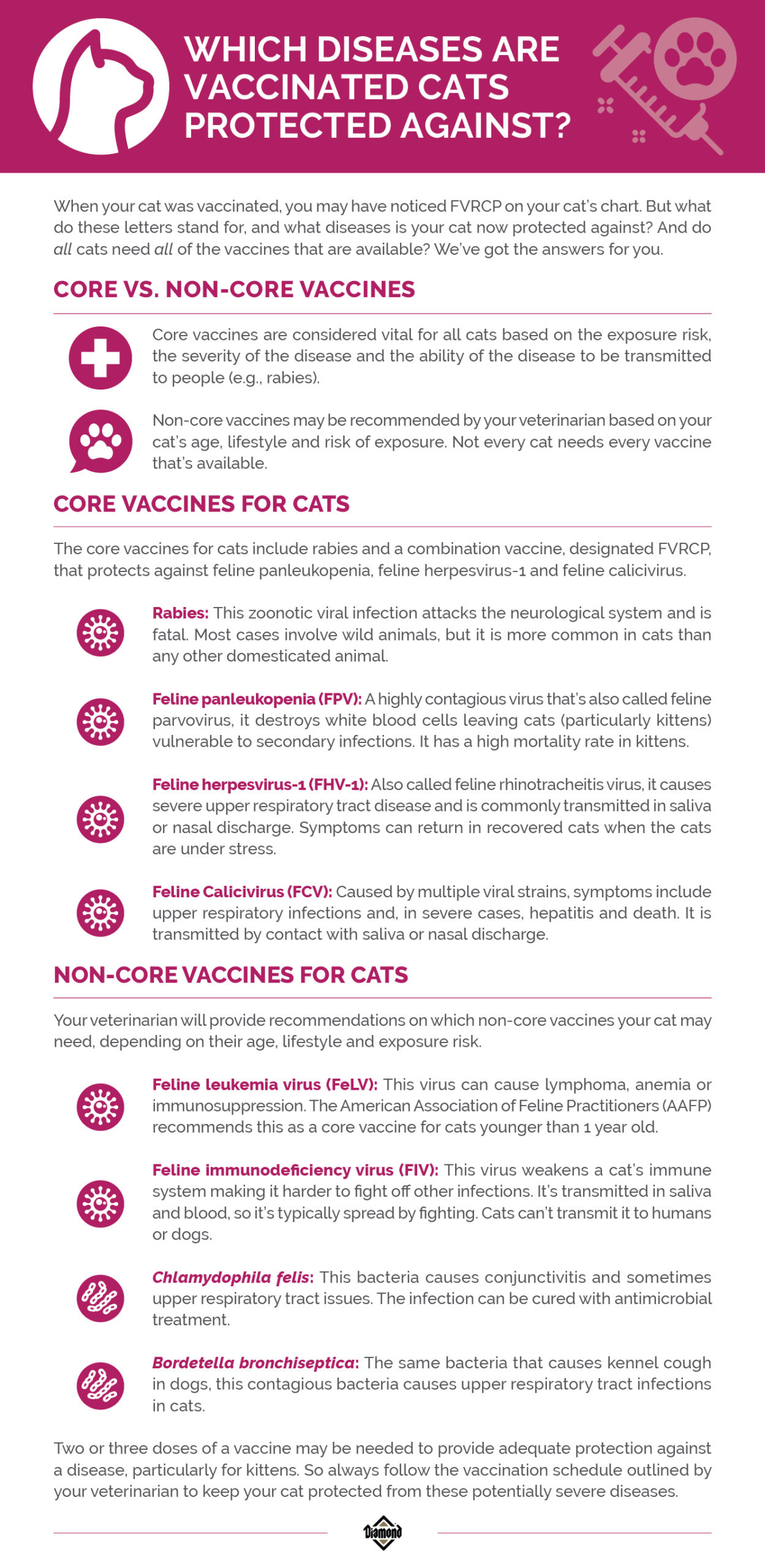
Vaccinations protect pets from common diseases. Make sure dogs and cats get all their shots on time. Vaccines help build immunity and reduce disease risks between pets.
Hygiene Practices
Cleanliness reduces germs that cause illness. Wash your hands after handling pets. Clean pet bedding and toys regularly to avoid germs.
- Wash food and water bowls daily
- Brush pets to remove dirt and parasites
- Keep litter boxes clean and away from dog areas
- Disinfect surfaces pets touch often
Separate Feeding And Sleeping Areas
Separate spaces help prevent direct contact and disease spread. Dogs and cats should eat and sleep in different spots. This lowers chances of sharing germs.
| Area | Recommended Action |
| Feeding Spot | Keep bowls at least 3 feet apart |
| Sleeping Area | Provide separate beds or crates |
| Play Zone | Monitor interactions to avoid rough play |
Treatment Options
Dogs can sometimes transmit diseases to cats. Treating these diseases early helps keep your pets healthy.
Treatment depends on the disease type. It often includes medication, care, and regular checkups.
Medication
Medication helps fight infections passed from dogs to cats. Vets may use antibiotics or antifungal drugs.
Some diseases need special medicines, such as antiviral drugs or parasite treatments. Follow the vet’s instructions closely.
- Antibiotics for bacterial infections
- Antifungal medicine for fungal diseases
- Antiviral drugs for viral infections
- Parasite control treatments
Supportive Care
Supportive care helps cats feel better while medicine works. This includes rest and good nutrition.
Keep cats in a calm, clean space. Offer plenty of fresh water to prevent dehydration.
- Provide a quiet, comfortable area
- Feed a balanced diet
- Ensure constant access to clean water
- Keep the cat indoors to avoid spreading disease
Follow-up Monitoring
Regular checkups let vets track the cat’s recovery. They can adjust treatment if needed.
Watch for new symptoms and report them quickly. Early detection helps prevent serious problems.
- Schedule follow-up vet visits
- Observe changes in behavior or health
- Complete all prescribed medications
- Keep records of symptoms and treatments
Credit: www.diamondpet.com
Expert Tips For Multi-pet Households
Living with both dogs and cats can be joyful. But it’s important to know if dogs can transmit diseases to cats. This guide offers expert tips to keep your pets healthy and happy together.
Understanding health checks, safe interactions, and emergency steps will help. These practices ensure a safe environment for all your furry friends.
Routine Health Checks
Regular health checks are vital for your pets. They help catch diseases early and keep pets healthy. Dogs and cats need separate health checks.
Visit the vet regularly. Keep vaccines up to date. This prevents disease spread between pets.
- Schedule annual vet visits for all pets
- Ensure vaccinations are current
- Monitor for any changes in behavior or health
Safe Interaction Guidelines
Safe interactions between pets prevent disease transmission. Supervise playtime to avoid fights and injuries. Teach pets to respect each other’s space.
Introduce pets slowly. Use gates or barriers if needed. This helps them get used to each other safely.
- Supervise all interactions
- Provide separate eating areas
- Use barriers for gradual introductions
Emergency Preparedness
Be ready for pet emergencies. Have a plan for sudden illnesses or injuries. Keep a first-aid kit handy for pets.
Know your vet’s emergency contact. Quick response can save your pet’s life. This ensures your pets are safe even in emergencies.
| Item | Purpose |
| First-aid kit | Immediate care for injuries |
| Vet contact | Quick access to professional help |
| Emergency plan | Steps to take during pet emergencies |
Frequently Asked Questions
Can Dogs Transmit Diseases To Cats?
Yes, dogs can transmit certain diseases to cats through close contact. Common diseases include parasites, viral infections, and bacterial illnesses. Proper hygiene and veterinary care help prevent disease transmission between pets.
What Diseases Can Dogs Pass To Cats?
Dogs can pass parasites like fleas and ticks, viral infections like rabies, and bacterial diseases such as leptospirosis to cats. These diseases can affect cats’ health if not treated promptly.
How Can I Prevent Disease Spread Between Dogs And Cats?
To prevent disease spread, keep vaccinations up to date, maintain good hygiene, and separate sick pets. Regular vet check-ups and parasite control also reduce risks of transmission.
Are Some Diseases Only Dog-specific Or Cat-specific?
Yes, some diseases are species-specific and do not transmit between dogs and cats. However, many infections can cross species, so caution is necessary when pets interact closely.
Conclusion
Dogs and cats can share some diseases, but it is not very common. Keeping both pets clean and healthy helps a lot. Regular vet visits catch problems early. Watch for any signs of illness in your pets. Good hygiene and care protect your furry friends.
Remember, a healthy pet home means happy pets. Stay informed and stay safe for your dogs and cats. Simple steps make a big difference every day.

Lily Purrington is the founder of MyKittyPicks.com, a cozy corner of the web dedicated to helping cat lovers discover the best cat products, furniture, toys, and home decor ideas.
A lifelong cat enthusiast, Lily shares trusted tips, honest product recommendations, and stylish inspiration designed to keep kitties happy and homes beautiful.
Her mission is simple: to bring together practical advice and purr-fect picks that make life better for cats and the people who love them.


