

Have you ever noticed your plants looking sick after your cat has been near them? You might be wondering, “Can cats’ urine kill plants?” It’s a common problem for pet owners who want both healthy plants and happy cats.
Understanding how cat urine affects your plants can help you protect your greenery and keep your home beautiful. Keep reading to find out the surprising truth and easy tips to save your plants from damage.
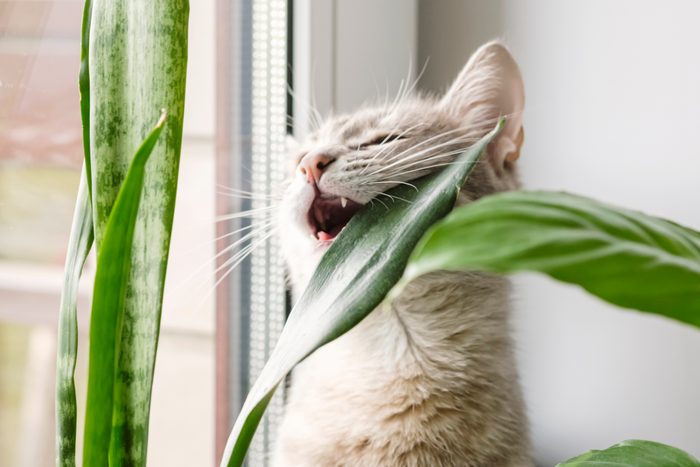
Credit: www.rd.com
How Cat Urine Affects Plants
Understanding how cat urine affects plants can help you protect your garden or indoor greenery from unexpected damage. Cat urine contains substances that can disrupt plant health, sometimes causing yellowing, wilting, or even death. Knowing what’s inside cat urine gives you an edge in managing these effects effectively.
Chemical Composition Of Cat Urine
Cat urine is mainly made up of water, but it also contains a mix of chemicals like urea, ammonia, creatinine, and salts. Urea breaks down into ammonia, which is a strong compound that can burn plant leaves and roots. The high concentration of salts can also draw moisture away from plants, making it harder for them to stay hydrated.
These chemicals are concentrated in a small area when a cat urinates on or near a plant. This concentration can create a toxic environment for plants, especially in potted plants or garden spots where the soil doesn’t wash away quickly.
Toxic Elements Harmful To Plants
Ammonia is one of the most harmful elements in cat urine. It can cause chemical burns on plant leaves and damage the root system. This damage blocks the plant’s ability to absorb water and nutrients, leading to stunted growth or death.
Another harmful component is the high salt content. Excess salt can cause dehydration in plants by pulling water out of their cells. Over time, this salt buildup changes the soil structure, making it less fertile and less supportive of healthy plant growth.
Have you noticed certain spots in your garden where plants refuse to thrive? It might be due to repeated cat urine exposure. Testing the soil for ammonia and salt levels can reveal if cat urine is the hidden culprit behind your struggling plants.
Symptoms Of Plant Damage
Noticing signs of damage on your plants can be frustrating, especially when you suspect your cat’s urine might be the cause. Recognizing these symptoms early helps you take action before the damage becomes irreversible. Let’s look at the most common warning signs your plants might show if affected by cat urine.
Yellowing And Browning Leaves
One of the first signs of trouble is when leaves start turning yellow or brown. This usually happens because cat urine contains high levels of nitrogen and salts, which can burn the leaves.
If you spot patches of yellow or brown, especially near the base of the plant or on lower leaves, it’s a strong indicator of urine damage. You might also notice the leaves become dry and brittle over time.
Wilting And Stunted Growth
Wilting is another clear symptom. Even if you water your plants regularly, urine damage can cause the roots to struggle, leading to droopy or limp leaves.
Stunted growth is a red flag too. You may see your plant failing to grow new leaves or producing smaller, weaker shoots than usual. This happens because the toxic compounds in urine disrupt nutrient absorption.
Have you ever wondered why some plants in your garden thrive while others look sad and weak? Paying attention to these signs can help you save your green friends before it’s too late.
Why Cat Urine Kills Plants
Cat urine contains strong chemicals like ammonia and salts that harm plant roots. These substances dry out soil and block water absorption, causing plants to die quickly. Plant damage happens because urine changes the soil’s natural balance.
Cats are charming companions, but their urine can harm plants. It’s not just the smell that bothers gardeners. The composition of cat urine can damage or even kill plants. Understanding why this happens helps in protecting your greenery.High Nitrogen Levels
Cat urine contains high levels of nitrogen. While nitrogen is vital for plant growth, too much can be harmful. Excess nitrogen can burn plant roots, causing wilting. This can eventually lead to the plant’s death. It’s important to monitor and control nitrogen levels in your garden.Salt Content And Soil Imbalance
Cat urine also has high salt content. Excessive salt can disrupt the soil’s natural balance. It makes it hard for plants to absorb water and nutrients. This can lead to dehydration and poor plant health. Maintaining soil health is crucial for a thriving garden.Common Plants Vulnerable To Cat Urine
Cat urine contains high levels of nitrogen and salts, which can harm many common plants. Some plants are more sensitive than others, showing signs of damage quickly after exposure. Knowing which plants are vulnerable helps you protect your garden and your furry friend’s favorite spots.
Indoor Houseplants
Many popular indoor plants suffer when exposed to cat urine. Plants like Spider Plantsand Peace Liliesoften show yellowing leaves and stunted growth after contact. Even the hardy Snake Plantcan struggle if your cat marks its pot regularly.
Have you noticed your indoor plants looking unhealthy after your cat spends time nearby? It might not be just lack of sunlight or watering issues. Cat urine can cause root damage and leaf burn, especially in plants with soft leaves or shallow roots.
- Spider Plant (Chlorophytum comosum)
- Peace Lily (Spathiphyllum)
- Snake Plant (Sansevieria)
- English Ivy (Hedera helix)
- Ferns
Outdoor Garden Plants
Outdoor plants often face more exposure, making them vulnerable to repeated cat urine damage. Roses and azaleas, known for their delicate roots and leaves, can quickly lose their vibrant look. Even vegetable plants like tomatoes and beans may fail to thrive if your cat uses the garden as a restroom.
Think about your garden’s layout. Are there spots where your cat frequently visits? You might find that certain plants in those areas are suffering more than others. Protecting these plants could mean moving pots or using deterrents to keep cats away.
- Roses (Rosa)
- Azaleas (Rhododendron)
- Tomatoes (Solanum lycopersicum)
- Beans (Phaseolus vulgaris)
- Hostas
Preventing Plant Damage From Cat Urine
Cat urine can be harsh on plants, causing discoloration and even killing them if not managed. Preventing this damage is key to maintaining a healthy garden or indoor plant collection. You can take simple yet effective steps to protect your greenery without stressing your feline friend.
Training Cats To Avoid Plants
Teaching your cat to stay away from plants is possible with patience and consistency. Use positive reinforcement by rewarding your cat when it plays away from plants. You might find that gently redirecting them when they approach the plants helps create new habits.
Try offering alternative areas for your cat to explore, like cat grass or a designated play zone. This gives them a safe spot to satisfy their curiosity and natural instincts. Have you noticed your cat’s favorite hiding or sniffing spots? Move plants away from these areas to reduce temptation.
Using Deterrents And Barriers
Physical barriers can protect plants from curious cats effectively. Simple items like decorative fences, chicken wire, or plant cages create a physical boundary. These barriers stop cats from reaching the soil where they might urinate.
Deterrents such as citrus peels, coffee grounds, or commercial sprays can make plants less appealing. Cats dislike certain smells and textures, so placing these around your plants can work as a natural repellent. Remember to test any spray on a small plant area first to avoid damage.
Combining training with deterrents often gives the best results. Which deterrent have you tried before? Sometimes, mixing methods keeps cats interested and away from your plants for good.
Treating Plants Affected By Cat Urine
Cat urine can be harsh on your plants, but there are ways to nurse them back to health. Treating plants affected by cat urine requires quick action and the right care. Your plant’s recovery depends on flushing out harmful substances and removing damaged parts to encourage new growth.
Flushing Soil And Rehydration
Start by flushing the soil with plenty of fresh water. This helps wash away the concentrated salts and ammonia found in cat urine, which can burn the roots. Use a watering can or hose to pour water slowly until it drains out of the bottom of the pot or soil.
After flushing, rehydrate your plant by keeping the soil evenly moist but not soggy. Avoid letting the soil dry out completely, as stressed plants struggle to bounce back. You might notice some improvement within a week if you maintain consistent watering.
Pruning Damaged Areas
Look closely at your plant for yellow, brown, or wilted leaves. These parts are damaged and can drain energy from the rest of the plant. Trim them off with clean scissors to help your plant focus on healthy growth.
Pruning also improves air circulation around the plant, reducing the risk of disease. Don’t be afraid to cut back more than you think—sometimes a fresh start is what your plant needs after a urine attack. Have you noticed how much healthier your plant looks after a good trim?
Safe Plant Options For Cat Owners
Choosing the right plants when you have cats is crucial to keep both your greenery thriving and your feline friends safe. Some plants can withstand the occasional visit from curious paws and even the unfortunate splash of cat urine. Others not only survive but also pose no risk to your pets’ health. Knowing which plants fit this balance can save you from frustrating plant loss and worry about your cat’s well-being.
Resilient Plants
Certain plants show impressive toughness against cat urine, which can be quite acidic and damaging. These plants bounce back quickly, even if your cat marks their territory nearby.
- Spider Plant: Known for bouncing back after rough treatment, it’s also great at purifying the air.
- Snake Plant: Its tough leaves and minimal water needs make it hard to kill, even with occasional cat mishaps.
- Boston Fern: This fluffy green can handle some stress and regrow after exposure to cat urine.
Have you noticed your cat prefers one spot over another? Placing these resilient plants in those areas might help maintain your green space without constant replacement.
Non-toxic Choices
Keeping plants non-toxic is essential to prevent poisoning if your cat decides to nibble on leaves. You want peace of mind that your plants won’t harm your pets.
- Bamboo Palm: It’s safe for cats and adds a tropical vibe to your home.
- Areca Palm: A beautiful, pet-friendly option that thrives indoors.
- Calathea: Its vibrant leaves are safe for cats and brighten any room.
Would your cat be interested in a plant that’s also safe to chew? These options reduce the risk of toxic reactions and encourage healthier interaction between your pets and plants.
Credit: www.toe-beans.com
Credit: www.catster.com
Frequently Asked Questions
Can Cat Urine Harm My Garden Plants?
Yes, cat urine contains high nitrogen and salts that can burn and damage plants. It disrupts soil nutrients and may kill sensitive plants over time.
Why Does Cat Urine Kill Plants Quickly?
Cat urine has concentrated nitrogen and ammonia, which can “burn” plant roots. This causes leaf yellowing, wilting, and often permanent plant damage.
How To Protect Plants From Cat Urine Damage?
Use barriers like mulch or gravel, apply citrus peels, or use commercial repellents. Training cats to avoid plants also helps prevent urine damage.
Can Diluted Cat Urine Be Safe For Plants?
No, even diluted cat urine can harm plants due to its high ammonia levels. Avoid any contact to protect plant health.
Conclusion
Cats’ urine can harm plants by burning their leaves and roots. The nitrogen and salts in urine cause this damage. Small amounts might not kill plants, but repeated exposure will. Protect your plants by keeping cats away from garden areas.
Using barriers or special sprays helps prevent damage. Watering plants well after an accident can reduce harm. Understanding this helps you care for both cats and plants. Keep your garden healthy while managing pets safely. Simple steps make a big difference in plant care.

Lily Purrington is the founder of MyKittyPicks.com, a cozy corner of the web dedicated to helping cat lovers discover the best cat products, furniture, toys, and home decor ideas.
A lifelong cat enthusiast, Lily shares trusted tips, honest product recommendations, and stylish inspiration designed to keep kitties happy and homes beautiful.
Her mission is simple: to bring together practical advice and purr-fect picks that make life better for cats and the people who love them.


