

Feeling anxious can take a heavy toll on your daily life. What if a simple, loving companion could ease that weight?
Cats are more than just cute pets—they might actually help reduce your anxiety. Imagine coming home to a calm, purring friend who offers comfort without judgment. You’ll discover how cats can support your mental well-being and why they might be the perfect addition to your anxiety relief toolkit.
Keep reading to find out how these furry companions can make a real difference in your life.

Credit: www.amazon.com
Cats And Anxiety Relief
Many people find comfort in the quiet presence of cats during stressful times. Cats offer more than companionship; their behavior and interactions can play a significant role in easing anxiety. Understanding how cats influence your mental state can help you use their presence to support your well-being.
How Cats Influence Stress Levels
Spending time with a cat can lower your heart rate and reduce stress hormones. Their gentle purring creates a calming vibration that some studies suggest helps relax the nervous system. When you pet a cat, your body releases oxytocin, a hormone linked to bonding and relaxation.
Imagine coming home after a tough day and having a cat curl up on your lap. This simple act can shift your focus away from worries and bring a sense of calm. Cats also encourage mindfulness—you pay attention to their needs and behaviors, which distracts your mind from anxious thoughts.
Scientific Studies On Cats And Anxiety
Research shows that cat owners often report lower levels of anxiety compared to non-pet owners. In one study, participants who interacted with cats experienced a notable decrease in cortisol, the stress hormone. Another study found that cats’ purring frequencies (between 25-150 Hz) may promote healing and reduce inflammation, indirectly supporting mental health.
Still, not every cat will suit every person’s needs. Choosing a cat with a calm temperament can make a difference in how much anxiety relief you experience. Have you noticed how your cat’s personality affects your mood? Paying attention to this might help you build a more supportive relationship.

Credit: www.amazon.com
Emotional Benefits Of Cat Companionship
Cats offer more than just cute antics; their companionship can deeply affect your emotional well-being. Having a cat around provides a unique kind of emotional connection that many people find comforting during stressful times. Understanding how this relationship benefits your mental health might change how you view your feline friend.
Comfort And Emotional Support
When anxiety strikes, a cat’s presence can be incredibly soothing. Their gentle purring and soft fur offer a tactile comfort that helps ground your thoughts.
You might notice your breathing slows and your heart rate drops simply by stroking a cat. This physical interaction can serve as a natural way to reduce tension.
Think about moments when your cat has sought you out during tough times—this silent support can feel like a warm hug without words.
Improving Mood With Cat Interaction
Playing or even watching your cat can lift your spirits quickly. Their playful behavior distracts your mind from worries and encourages laughter or smiles.
Regular interaction releases feel-good hormones like serotonin and oxytocin in your brain. These chemicals help combat feelings of sadness or anxiety.
Have you ever felt better after a few minutes of cat play? That’s your brain responding to positive stimuli, showing how simple activities can improve your mood.
Physical Effects Of Cat Presence
Cats can lower stress by making people feel calm and safe. Their gentle purring helps slow the heart and reduce tension in the body. Spending time with cats often brings comfort and less worry.
The comforting presence of a cat can have remarkable physical effects on your body, especially when you’re feeling anxious. These effects are not just in your mind; they manifest in real, tangible changes within your body. Whether it’s their gentle purring or just their quiet companionship, cats can help soothe your nerves and promote relaxation.Lowering Blood Pressure And Heart Rate
Did you know that spending time with a cat can help lower your blood pressure and heart rate? Studies have shown that petting a cat can lead to a noticeable reduction in these physical stress markers. Imagine a long day at work, and as soon as you sit down with your feline friend, you feel your heart rate slow down and your shoulders relax. These effects are similar to those achieved through meditation or deep breathing exercises. Next time you’re feeling stressed, try petting your cat and notice the calming effect it has on your body. It’s a simple yet effective way to manage anxiety.The Impact Of Purring On Relaxation
A cat’s purr is more than just a sound; it’s a powerful relaxation tool. The gentle vibrations produced by a cat’s purr can help reduce stress and promote a sense of calm. Have you ever noticed how a purring cat on your lap can almost lull you into a meditative state? The frequency of a cat’s purr is known to have therapeutic effects, which can be especially beneficial during anxiety episodes. It’s like having a personal relaxation therapist right at home. Next time your cat curls up and starts purring, take a moment to appreciate the soothing power of their presence.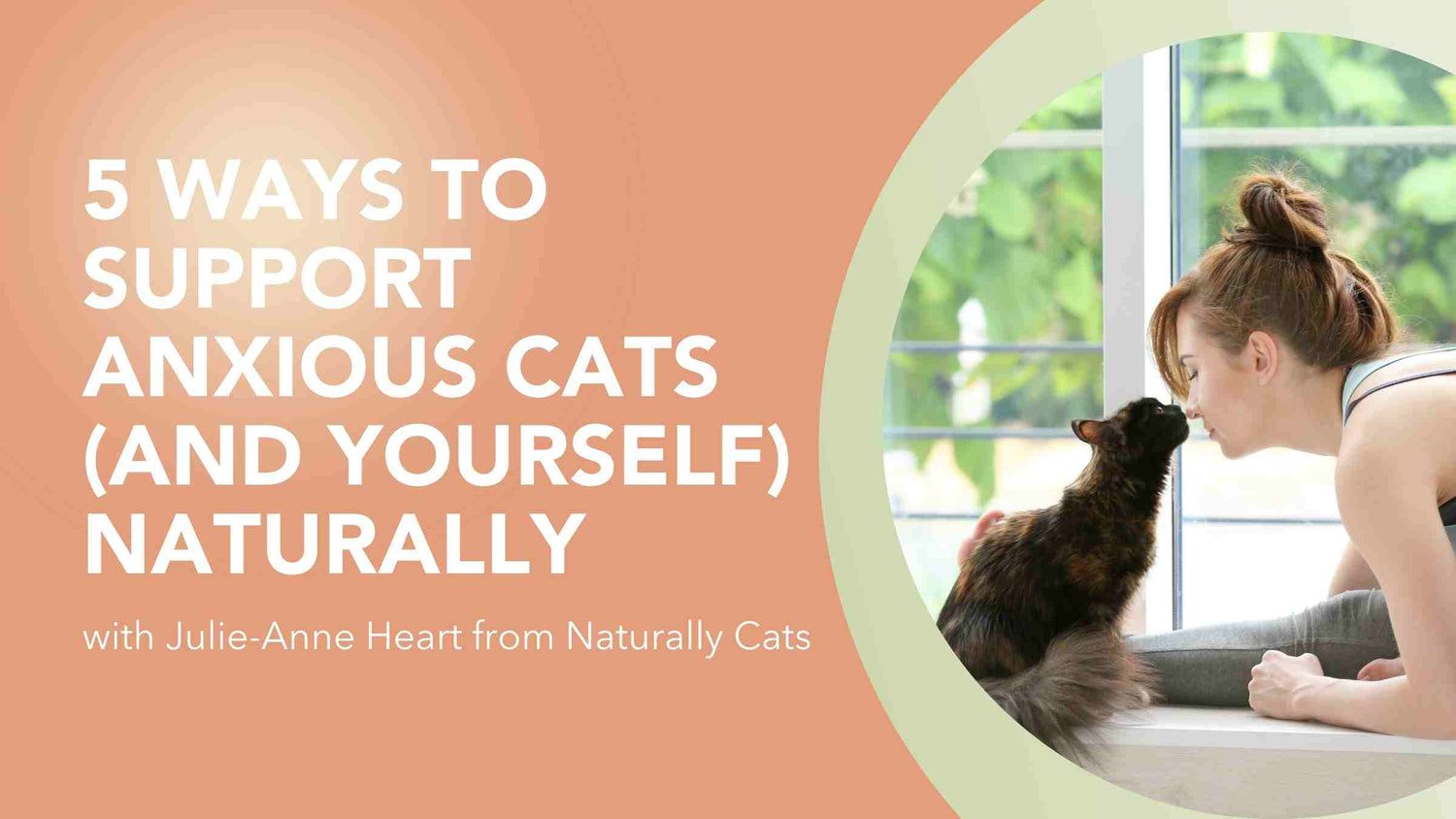
Credit: soykitty.com
Cats As Mindfulness And Distraction Tools
Cats can be more than just companions; they often serve as natural tools to help you manage anxiety through mindfulness and distraction. Their presence encourages you to shift your focus from overwhelming thoughts to the simple, calming act of interacting with a living being. This can create moments of peace and awareness that break the cycle of anxious thinking.
Focusing Attention Away From Worries
When anxiety spikes, your mind tends to race with negative thoughts. Cats naturally invite your attention with their unpredictable movements, soft purring, or the way they look at you with curiosity. These small, engaging actions can pull your focus away from worries.
For example, watching your cat chase a toy or simply stroking their fur requires your brain to concentrate on the present moment. This redirection provides a mental break from anxiety. Have you noticed how your thoughts quiet down when you watch your cat explore or nap?
Encouraging Mindful Moments
Caring for a cat demands attention to small details: their breathing, the texture of their fur, or the rhythm of their purring. These details encourage you to slow down and observe your surroundings closely, which is the essence of mindfulness.
Try focusing on your cat’s gentle breathing or the warmth of their body when they sit on your lap. This practice grounds you in the here and now, making it harder for anxious thoughts to take over. Could this simple act become a daily habit to calm your mind?
Choosing The Right Cat For Anxiety Support
Choosing the right cat for anxiety support is more than just picking a cute face. Your cat’s personality and background play a big role in how well they can help ease your stress. Finding a companion that matches your lifestyle and emotional needs can make a real difference in your mental well-being.
Temperament And Personality Traits
Look for cats that are calm and affectionate if you want a soothing presence. Cats that enjoy being petted and sitting close can provide comfort during anxious moments. Some breeds, like Ragdolls or British Shorthairs, are known for their gentle and easygoing nature.
But remember, individual personality matters more than breed. Spend time with a cat before deciding to see if their energy matches yours. Are they playful and social, or quiet and independent? Your ideal anxiety support cat should feel like a peaceful friend, not a source of extra stress.
Adopting Vs. Buying Cats
Adopting a cat can offer a chance to connect with an animal that already has a personality you can observe. Shelters often have cats with varied temperaments, and staff can help you find a match that suits your emotional needs. Plus, adopting saves lives and gives a home to a pet in need.
Buying a cat from a breeder allows you to select a specific breed known for calm traits, but it may come with less certainty about individual behavior. Consider whether a predictable breed or an adopted cat’s unique character will better support your anxiety. Have you thought about how your daily routine will fit with the cat’s needs?
Potential Challenges And Considerations
Having a cat around can offer comfort, but it’s important to think about some challenges before deciding if a feline friend is right for your anxiety. Not every cat-owner relationship is smooth, and some factors might add stress instead of easing it. Understanding these potential hurdles helps you make a choice that truly supports your well-being.
Allergies And Phobias
Allergies to cats are more common than you might expect. If you or someone in your home is allergic, the presence of a cat can worsen symptoms like sneezing, itching, or even breathing issues. This can increase anxiety rather than reduce it.
Some people also have a fear of cats, known as ailurophobia. Even if you don’t have a full-blown phobia, discomfort around cats can cause tension. Ask yourself: How do you react when a cat is nearby? Your feelings matter a lot in this decision.
Care Responsibilities And Stress
Cats need daily care—feeding, litter box cleaning, playtime, and vet visits. If you’re already overwhelmed, these responsibilities might add pressure. I once found that my anxiety spiked when I struggled to keep up with my cat’s needs during a busy week.
Think about your lifestyle and energy levels. Can you commit to regular care? If not, the stress of neglecting your cat can outweigh the calming benefits. Planning ahead on how to manage pet care can prevent this problem.
Tips To Maximize Stress Relief With Cats
Cats can ease anxiety in many ways. Their presence alone often brings calmness. To get the best stress relief from your cat, try some simple tips. These help both you and your cat feel relaxed and happy.
Creating A Calm Environment
A quiet, peaceful space helps reduce stress for you and your cat. Soft lighting and gentle sounds make a big difference. Avoid loud noises and sudden movements that may startle your cat.
- Choose a cozy corner with a comfy bed for your cat.
- Keep toys and scratching posts nearby to keep your cat engaged.
- Use calming scents like lavender or chamomile, safe for cats.
- Maintain a tidy space to avoid feeling overwhelmed.
Building A Strong Bond
Spending quality time with your cat strengthens your connection. This bond helps lower your anxiety and builds trust. Simple acts create comfort for both of you.
- Gently pet your cat in areas they enjoy, like behind the ears.
- Talk softly to your cat to create a soothing atmosphere.
- Play interactive games to keep your cat happy and active.
- Respect your cat’s space when they want to be alone.
Frequently Asked Questions
Can Cats Reduce Anxiety Symptoms Effectively?
Yes, cats can reduce anxiety by providing comfort and companionship. Their purring promotes relaxation and lowers stress levels naturally.
How Do Cats Help With Anxiety Relief?
Cats offer emotional support through affection and presence. Interacting with cats releases oxytocin, which helps calm the nervous system.
Are Cats Good Therapy Animals For Anxiety?
Yes, cats are recognized as therapy animals. Their calming nature helps ease anxiety in various therapeutic settings.
Can Owning A Cat Improve Mental Health?
Owning a cat can improve mental health by reducing loneliness and stress. Regular interaction promotes emotional stability.
Conclusion
Cats offer comfort and calm during stressful times. Their gentle purring helps soothe anxious feelings. Spending time with cats can boost mood and reduce worry. They provide quiet company without judgment or pressure. Caring for a cat adds routine and purpose to life.
While not a cure, cats support mental well-being in many ways. Considering a cat might help ease anxiety naturally. Simple moments with a cat can bring peace and joy.

Lily Purrington is the founder of MyKittyPicks.com, a cozy corner of the web dedicated to helping cat lovers discover the best cat products, furniture, toys, and home decor ideas.
A lifelong cat enthusiast, Lily shares trusted tips, honest product recommendations, and stylish inspiration designed to keep kitties happy and homes beautiful.
Her mission is simple: to bring together practical advice and purr-fect picks that make life better for cats and the people who love them.


