
Have you ever wondered if your cat can safely enjoy salty snacks? You might be tempted to share a bite of your salty food with your furry friend, but is it really okay?
Understanding how salty food affects your cat’s health is important to keep them happy and safe. Keep reading to discover the surprising truth about cats and salty food—and learn what you should avoid to protect your beloved pet.

Credit: wamiz.co.uk
Cats And Salt Intake
Salt plays a crucial role in the diet of many animals, but how does it affect cats? Understanding cats and salt intake helps you make better choices for their health. Let’s look into how cats handle salt and where salt commonly hides in their food.
How Cats Process Salt
Cats need some salt to maintain fluid balance and nerve function, just like humans do. However, their kidneys are efficient at managing salt levels, which means they don’t require as much as people. Too much salt can strain their kidneys and lead to dehydration or other health issues.
Have you ever noticed your cat drinking more water after eating salty snacks? This is their body’s way of trying to balance salt levels. Keep in mind that a cat’s natural diet—mainly meat—contains just the right amount of salt they need.
Common Sources Of Salt In Cat Diets
Commercial cat foods usually contain added salt to enhance flavor and preserve freshness. However, not all brands use the same amount. It’s important to check the labels if you want to control your cat’s salt intake.
- Processed canned or dry cat food
- Human foods like deli meats or chips given as treats
- Table scraps with high salt content
Feeding your cat salty human snacks might seem harmless but can cause serious health problems over time. Have you ever caught your cat trying to nibble on your salty snacks? This behavior can be dangerous, so it’s best to keep these foods out of reach.
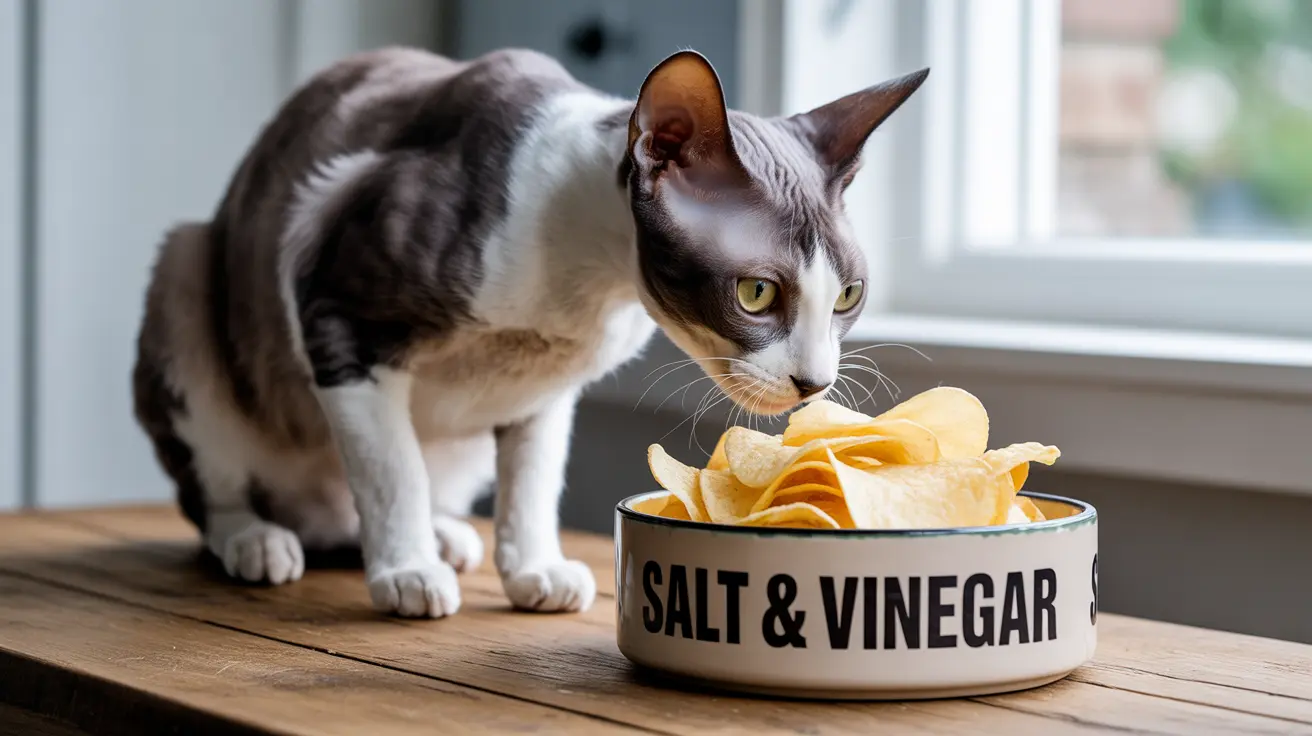
Credit: www.petscare.com
Risks Of Salty Foods For Cats
Salty foods can pose serious risks to your cat’s health. Unlike humans, cats have a much lower tolerance for sodium. Even small amounts of salty snacks or table scraps can upset their delicate balance.
Short-term Health Effects
Eating salty foods can cause immediate problems like vomiting and diarrhea. Your cat might also become very thirsty and start urinating more often. These signs indicate that their body is struggling to handle the excess salt.
I once noticed my cat acting restless after sneaking a bite of my salty chips. She was panting and seemed uncomfortable. That experience made me realize how quickly salt affects cats and why it’s important to keep salty snacks out of their reach.
Long-term Consequences
Repeated exposure to salty foods can lead to serious health issues over time. High salt intake can cause kidney damage and increase the risk of heart disease in cats. These conditions develop quietly but worsen with continued salt consumption.
Is it worth risking your cat’s health for a tiny taste of salty food? Protect your furry friend by offering only cat-safe treats and keeping salty snacks far away. Your cat’s well-being depends on your choices.
Symptoms Of Salt Toxicity
Recognizing the symptoms of salt toxicity in cats is crucial for any pet owner. Salt poisoning can escalate quickly, so spotting early signs can save your feline friend from serious health issues. Knowing what to look for helps you act fast and protect your cat’s well-being.
Behavioral Changes
One of the first signs your cat might be suffering from salt toxicity is a shift in behavior. You may notice your cat acting restless or unusually agitated, pacing around without settling down.
Some cats become unusually thirsty or start drinking excessive amounts of water. Others may seem lethargic or weak, showing less interest in playing or interacting with you.
Ask yourself: Is your cat acting out of the ordinary? Even subtle changes like hiding more than usual or avoiding food can signal a problem.
Physical Signs
Physical symptoms of salt toxicity are more obvious but can develop rapidly. Vomiting and diarrhea are common and often the earliest red flags.
Look for tremors, seizures, or muscle twitching, which indicate severe salt imbalance affecting the nervous system. Swelling or puffiness, especially around the face or limbs, can also occur.
Dehydration signs, such as dry gums or sunken eyes, often accompany salt poisoning. If you spot any of these symptoms, immediate veterinary care is necessary to prevent serious damage.
Safe Food Alternatives
Choosing safe food alternatives for cats is important to keep them healthy and happy. Cats cannot handle salty foods well. Too much salt can cause serious health issues. Feeding cats safe treats and balanced meals supports their well-being. Always focus on low-sodium options and natural ingredients.
Low-sodium Treats
Low-sodium treats provide a tasty snack without harmful salt. Many commercial cat treats have added salt, so check labels carefully. Look for treats made with simple, fresh ingredients. Some good low-sodium treats include:
- Cooked plain chicken or turkey
- Small pieces of cooked fish without seasoning
- Freeze-dried meat treats labeled low sodium
- Commercial treats specifically made for sensitive cats
Offer these treats in moderation to avoid overfeeding. Treats should never replace a balanced diet.
Balanced Homemade Meals
Homemade meals let you control salt and ingredients. Prepare simple dishes using fresh meat and vegetables safe for cats. Avoid spices, sauces, and salt during cooking. A balanced meal includes:
| Ingredient | Purpose |
|---|---|
| Cooked chicken or turkey | Protein source |
| Cooked egg | Additional protein and nutrients |
| Cooked pumpkin or carrots | Fiber and vitamins |
| Small amount of cooked rice | Energy source |
Consult a vet before switching to homemade food. Proper balance is key to avoid nutrient gaps.
Tips To Prevent Salt Overconsumption
Salt overconsumption can harm your cat’s health, leading to issues like dehydration and kidney problems. Keeping your furry friend’s salt intake in check is crucial for their well-being. Here are some practical tips to help you prevent excess salt in your cat’s diet and keep them healthy and happy.
Reading Pet Food Labels
Checking pet food labels is a simple way to control your cat’s salt intake. Look for products that list sodium content or salt levels. Foods labeled “low sodium” or “reduced salt” can be safer choices for your cat’s diet.
Keep an eye out for ingredients like salt, sodium chloride, and monosodium glutamate (MSG). These can add hidden salt to your cat’s meals. Have you ever been surprised by the salt content in a pet food brand you trusted?
Avoiding Human Snacks
Human snacks are often loaded with salt, which can be dangerous for cats. Even small amounts of salty chips, pretzels, or processed meats can add up quickly. Resist the urge to share your snacks, no matter how much your cat begs.
Instead, offer healthy cat treats that are made specifically for their dietary needs. This keeps your cat safe and prevents them from developing a taste for salty foods. What’s the last snack you offered your cat, and was it really safe?
When To Contact A Veterinarian
Knowing when to reach out to a veterinarian is crucial if your cat has consumed salty food. Salt can cause serious health problems in cats, and acting quickly can make a big difference. Understanding the signs and scheduling regular checkups will help keep your furry friend safe and healthy.
Emergency Situations
If your cat shows any signs of distress after eating salty food, don’t wait to get help. Symptoms like vomiting, diarrhea, excessive thirst, or lethargy may indicate salt poisoning. Seizures, tremors, or difficulty breathing are critical signs that require immediate veterinary attention.
Imagine your cat suddenly becoming very weak or unresponsive after a salty snack. Would you know what to do? Calling your vet right away can prevent severe complications or even save your cat’s life.
Regular Health Checkups
Even if your cat seems fine after accidentally eating salty food, a visit to the vet is wise. Regular checkups allow the vet to monitor your cat’s kidney function and overall health. Salt can cause subtle changes that might not show symptoms immediately but could harm your cat over time.
Use these visits to discuss your cat’s diet and ask questions about safe food options. Prevention is easier than treatment, and your vet can guide you on keeping your cat away from salty treats in the future.
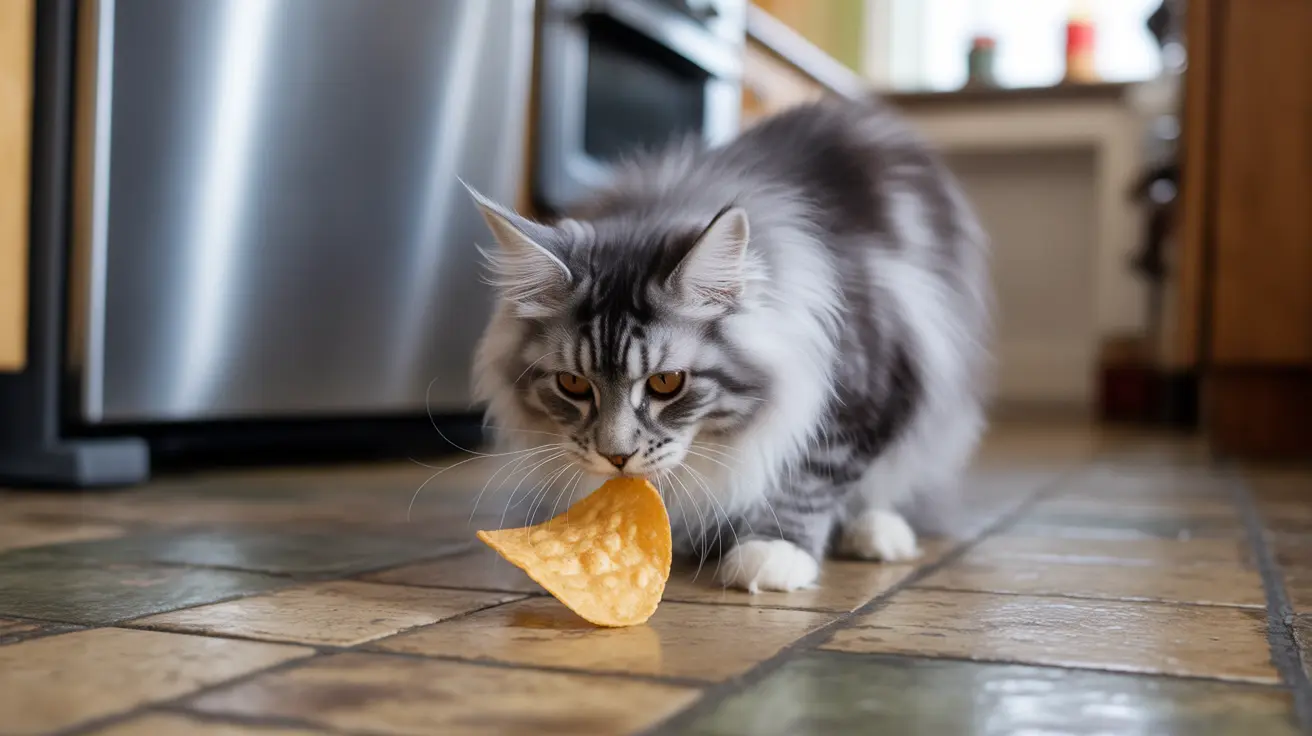
Credit: www.petscare.com
Frequently Asked Questions
Can Cats Safely Eat Salty Human Food?
No, cats should not eat salty human food. Excess salt can cause dehydration and kidney issues in cats. Always provide fresh water and avoid giving salty snacks to keep your cat healthy and safe.
Why Is Salt Harmful To Cats?
Salt is harmful because cats have low tolerance for sodium. Too much salt disrupts their electrolyte balance and may lead to vomiting, diarrhea, or more severe health problems like sodium poisoning.
How Much Salt Is Safe For Cats?
Cats need only a tiny amount of salt, naturally found in their food. Excess salt intake is unsafe and can cause health issues. Always feed balanced cat food formulated with appropriate sodium levels.
What Are Signs Of Salt Poisoning In Cats?
Signs include vomiting, diarrhea, excessive thirst, lethargy, and tremors. If your cat shows these symptoms after eating salty food, seek veterinary care immediately to prevent serious complications.
Conclusion
Cats should not eat salty food. Salt can harm their health over time. It may cause dehydration and kidney problems. Always offer fresh water and balanced cat food. Treats with low salt are safer choices. Keep salty snacks away from your cat.
Healthy pets live longer and feel better. Care and attention make a big difference. Protect your cat by choosing proper food daily. Your cat will thank you with love and purrs.

Lily Purrington is the founder of MyKittyPicks.com, a cozy corner of the web dedicated to helping cat lovers discover the best cat products, furniture, toys, and home decor ideas.
A lifelong cat enthusiast, Lily shares trusted tips, honest product recommendations, and stylish inspiration designed to keep kitties happy and homes beautiful.
Her mission is simple: to bring together practical advice and purr-fect picks that make life better for cats and the people who love them.


