
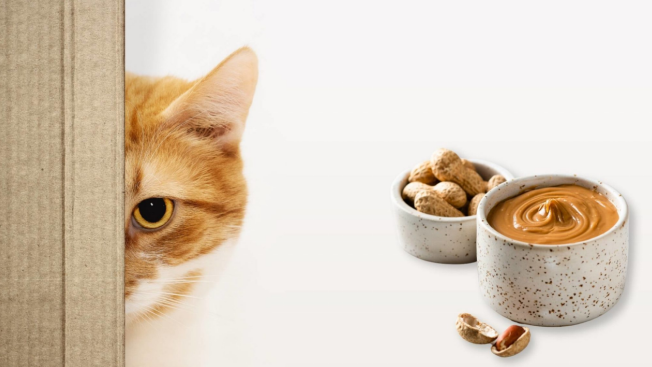
Have you ever wondered if your cat can enjoy peanut butter as a treat? It’s tempting to share a little of your snack with your furry friend, especially when they look at you with those big, curious eyes.
But before you spread that peanut butter on your finger and offer it to your cat, it’s important to know if it’s safe and healthy for them. Keep reading to discover what you need to know about giving peanut butter to your cat—and how to keep your pet happy and healthy while treating them right.

Credit: www.purina.com
Nutritional Value Of Peanut Butter
Peanut butter is a popular snack packed with various nutrients. It contains protein, healthy fats, and some vitamins. These nutrients can provide energy and support body functions.
For cats, understanding peanut butter’s nutritional value helps decide if it is a good treat. Cats need protein and fats, but their diet must be balanced and safe.
Protein Content In Peanut Butter
Peanut butter has a moderate amount of protein. Protein helps build and repair muscles. Cats are carnivores and require animal-based protein mainly. Plant-based protein, like in peanut butter, is less ideal but still provides some benefit.
Fats In Peanut Butter
Peanut butter contains healthy fats called unsaturated fats. These fats support skin and coat health. They also provide long-lasting energy. Too much fat can cause weight gain or digestive issues in cats, so moderation is key.
Vitamins And Minerals Present
Peanut butter includes vitamins E, B3 (niacin), and magnesium. Vitamin E acts as an antioxidant. Niacin helps with energy release and skin health. Magnesium supports nerve and muscle function. These nutrients are good but usually come from a cat’s regular diet.
Potential Additives And Ingredients
Many peanut butters contain added sugar, salt, or xylitol. Xylitol is toxic to cats and must be avoided. Always check the label for harmful ingredients. Natural, unsweetened peanut butter is safer but still should be fed sparingly.
Common Ingredients In Peanut Butter
Peanut butter is a popular treat in many households, but it’s important to know what’s inside it before sharing it with your cat. The ingredients can vary widely between brands and types, and some may be harmful to your furry friend. Understanding these common ingredients helps you decide if peanut butter is a safe occasional treat or something to avoid.
Peanuts
Peanuts are the main ingredient in peanut butter and are generally safe for cats in very small amounts. They provide protein and healthy fats, which can be beneficial. However, peanuts are also high in fat, so too much can upset your cat’s stomach or lead to weight gain.
Salt
Many peanut butters contain added salt to enhance flavor. Cats don’t need extra salt in their diet, and too much can cause dehydration or even more serious health issues. Always check the label for sodium content before offering peanut butter to your cat.
Sweeteners
Sweeteners like sugar, honey, or artificial sweeteners are often added to peanut butter. Sugar can cause weight problems and dental issues in cats. Artificial sweeteners, especially xylitol, are extremely toxic to cats and must be avoided at all costs.
Oils And Emulsifiers
Peanut butter sometimes contains added oils or emulsifiers to improve texture and shelf life. These ingredients can be hard for cats to digest and may cause gastrointestinal upset. Choosing natural or organic peanut butter with minimal additives is safer for your pet.
Preservatives
Preservatives help extend the shelf life of peanut butter but may not be suitable for cats. Some preservatives can trigger allergic reactions or other health problems. It’s best to avoid peanut butters with artificial preservatives if you plan to share a small taste with your cat.
Potential Benefits For Cats
Peanut butter can offer some surprising benefits when given to cats in very small amounts. While it should never replace a balanced diet, it can serve as a tasty treat that provides certain nutrients your feline might enjoy. Understanding these benefits helps you decide if peanut butter is a safe and fun addition to your cat’s snack list.
Rich Source Of Healthy Fats
Peanut butter contains healthy fats that help support your cat’s skin and coat. These fats can keep fur shiny and reduce dryness or itching. Have you noticed your cat’s fur looking dull? A tiny dab of peanut butter might provide a boost.
Protein Boost For Extra Energy
Cats need protein for muscle strength and overall energy. Peanut butter has a decent protein content, which can complement their regular meals. Just remember to keep the serving very small to avoid any digestive issues.
Encourages Interactive Feeding
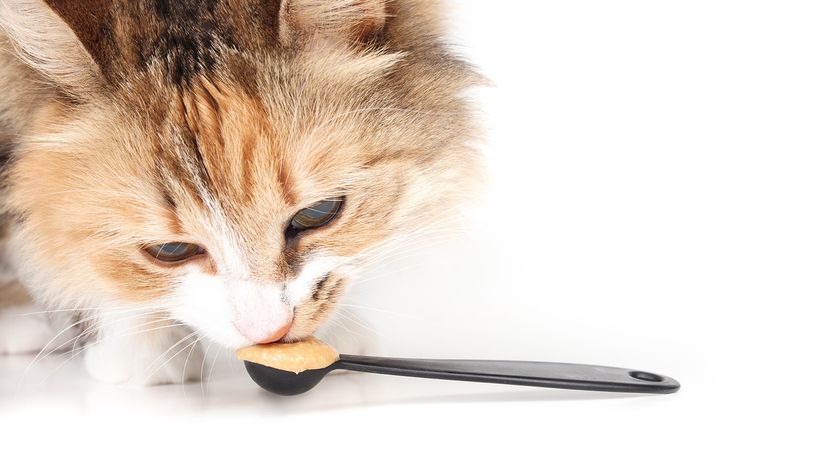
Peanut butter’s sticky texture makes it perfect for hiding pills or encouraging play with puzzle feeders. This can help keep your cat mentally stimulated and make medication time easier. Have you ever tried using peanut butter to get your cat interested in a new toy or treat dispenser?
Source Of Vitamins And Minerals
Certain brands of peanut butter contain vitamin E, B vitamins, and magnesium, which support your cat’s immune system and overall health. However, it’s essential to check labels to avoid added sugars or harmful ingredients. Could this small treat be a way to add a little nutritional variety to your cat’s routine?
Credit: animals.howstuffworks.com
Risks And Dangers
Offering peanut butter to cats might seem harmless, but it carries several risks. Cats have different dietary needs than humans. Some ingredients in peanut butter can harm them. Understanding these dangers helps keep your pet safe and healthy.
Allergic Reactions
Cats can develop allergies to peanuts or ingredients in peanut butter. Symptoms include itching, swelling, and difficulty breathing. Allergic reactions can be mild or severe. Immediate veterinary care is necessary if signs appear.
Sugar And Additives
Many peanut butter brands contain added sugar and artificial ingredients. These additives can upset a cat’s stomach. Excess sugar may lead to obesity and dental problems. Avoid peanut butter with xylitol, a sweetener highly toxic to cats.
High Fat Content
Peanut butter is rich in fats. Too much fat can cause digestive issues in cats. It may lead to pancreatitis, a painful inflammation of the pancreas. Feeding fatty treats regularly increases the risk of obesity and heart problems.
Signs Of Peanut Butter Allergy In Cats
Peanut butter can cause allergies in some cats. Recognizing the signs early helps prevent serious problems. Cats cannot tell us when something feels wrong, so owners must watch carefully.
Allergic reactions vary in severity. Some cats show mild symptoms, while others have more intense responses. Knowing the common signs helps keep cats safe.
Skin Irritation And Itching
One common sign is skin irritation. Cats may scratch or lick their skin more than usual. Redness, swelling, or small bumps may appear on the skin.
Digestive Issues
Allergies often affect the stomach and intestines. Vomiting, diarrhea, or stomach upset can happen soon after eating peanut butter. Loss of appetite may also occur.
Swelling Of Face Or Paws
Swelling is a serious allergic sign. The face, lips, or paws may look puffy or enlarged. This can make it hard for cats to eat or walk comfortably.
Respiratory Problems
Breathing difficulties may occur in some allergic cats. Coughing, wheezing, or rapid breathing need quick attention. These signs may point to a severe allergy.
Behavioral Changes
Allergy discomfort can make cats act differently. They might become restless, hide, or show signs of distress. Pay attention to sudden changes in behavior after peanut butter treats.
Safe Ways To Offer Peanut Butter
Offering peanut butter to cats requires care and caution. Not all peanut butter types are safe for cats. Knowing how to serve it properly keeps your pet healthy and happy.
Choosing The Right Peanut Butter
Pick peanut butter without added sugar or salt. Avoid brands with xylitol, a sweetener toxic to cats. Natural or organic peanut butter with only peanuts listed is best. Always check the ingredient list before buying.
Moderation And Serving Size
Peanut butter is high in fat and calories. Only offer a tiny amount as a special treat. A small lick or pea-sized portion is enough. Too much can cause stomach upset or weight gain. Limit treats to once or twice a week at most.
Alternative Treats For Cats
Finding safe and enjoyable treats for your cat can be tricky, especially if you’re unsure about common human foods like peanut butter. Luckily, there are plenty of alternatives that your feline friend will love. These options not only satisfy your cat’s cravings but also support their health and wellbeing.
Healthy Store-bought Options
Many pet stores offer treats specifically designed for cats, focusing on nutrition and safety. Look for treats made with real meat, limited ingredients, and no artificial additives. Brands like Greenies, Blue Buffalo, and Temptations have popular options that cats tend to enjoy.
Some treats even include added vitamins and minerals to support your cat’s overall health. If your cat has dietary restrictions, check labels carefully for allergens or fillers. You might be surprised how many cats prefer freeze-dried meat treats over anything sweet or sticky.
Homemade Treat Ideas
Making treats at home lets you control exactly what your cat eats. Simple recipes using cooked chicken, tuna, or salmon can be shaped into bite-sized pieces. Freezing small portions adds variety and keeps treats fresh.
Adding a pinch of catnip or a little bit of grated cheese can make these treats even more tempting. Have you ever tried blending plain pumpkin or sweet potato with a little egg to create a nutritious, soft treat? Cats often enjoy the natural flavors, and it’s a great way to sneak in extra nutrients.
What homemade treats have you found your cat loves? Sharing your favorite recipes can help others discover new ways to spoil their pets safely.
Credit: www.chewy.com
Consulting A Veterinarian
Consulting a veterinarian is the safest way to decide if cats can have peanut butter as a treat. Vets understand feline health and diet well. They can guide pet owners on what is safe and what to avoid. Asking a professional reduces risks of allergies or digestive issues.
Every cat is unique. What suits one may harm another. A vet can check your cat’s health history and current condition. They will suggest if peanut butter is a good treat or not. This advice helps keep your cat happy and healthy.
Discussing Your Cat’s Health History
Vets ask about your cat’s past illnesses and allergies. This information helps them decide if peanut butter is safe. Some cats have food sensitivities or medical conditions. Peanut butter might worsen these problems. Sharing full health details is crucial.
Understanding Ingredient Risks
A veterinarian explains which ingredients in peanut butter can harm cats. Salt, sugar, and xylitol are common dangers. Vets highlight safe brands or types if any exist. They help you avoid products that cause harm or discomfort.
Determining Proper Serving Size
Vets advise on how much peanut butter to give, if any. Treats should never replace a balanced diet. Overfeeding peanut butter can cause weight gain or upset stomach. Professionals help find the right portion based on your cat’s size.
Monitoring For Allergic Reactions
After introducing peanut butter, watch your cat closely. A veterinarian can tell you what symptoms to expect. Signs like itching, swelling, or vomiting need immediate attention. Early action prevents serious health problems.
Frequently Asked Questions
Can Cats Safely Eat Peanut Butter As A Treat?
Cats can eat peanut butter in small amounts, but it should be unsalted and unsweetened. Avoid xylitol, a toxic sweetener. Peanut butter is high in fat, so use it sparingly to prevent digestive issues or weight gain.
Is Peanut Butter Toxic To Cats?
Peanut butter itself is not toxic to cats. However, some brands contain xylitol or added sugars that are harmful. Always check ingredients before offering it to your cat. When given properly, it can be a safe occasional treat.
How Often Can Cats Have Peanut Butter?
Cats should have peanut butter only occasionally, such as once a week or less. It is a calorie-dense treat and should not replace a balanced diet. Moderation helps prevent obesity and digestive upset.
What Are The Risks Of Feeding Cats Peanut Butter?
Feeding cats peanut butter can cause allergies, digestive upset, or obesity if overused. Some cats may struggle to digest it due to high fat and protein content. Always monitor your cat for adverse reactions after feeding peanut butter.
Conclusion
Cats can enjoy peanut butter in very small amounts. Always choose plain, unsalted peanut butter without xylitol. Too much peanut butter can cause stomach problems for cats. Treats should never replace a balanced cat diet. Watch your cat closely for any reactions.
Remember, moderation keeps your cat safe and happy. Simple care helps your pet live a healthy life. Peanut butter can be a rare, tasty treat, not a regular snack. Always prioritize your cat’s health first.

Lily Purrington is the founder of MyKittyPicks.com, a cozy corner of the web dedicated to helping cat lovers discover the best cat products, furniture, toys, and home decor ideas.
A lifelong cat enthusiast, Lily shares trusted tips, honest product recommendations, and stylish inspiration designed to keep kitties happy and homes beautiful.
Her mission is simple: to bring together practical advice and purr-fect picks that make life better for cats and the people who love them.


