

Have you ever wondered if your cat’s litter could be affecting your health? Specifically, can cat litter cause a urinary tract infection (UTI) for you?
It’s a question many pet owners don’t think about until they face uncomfortable symptoms. Understanding the connection between cat litter and UTIs is important for keeping both you and your furry friend safe. Keep reading to discover the surprising facts and simple steps you can take to protect yourself.
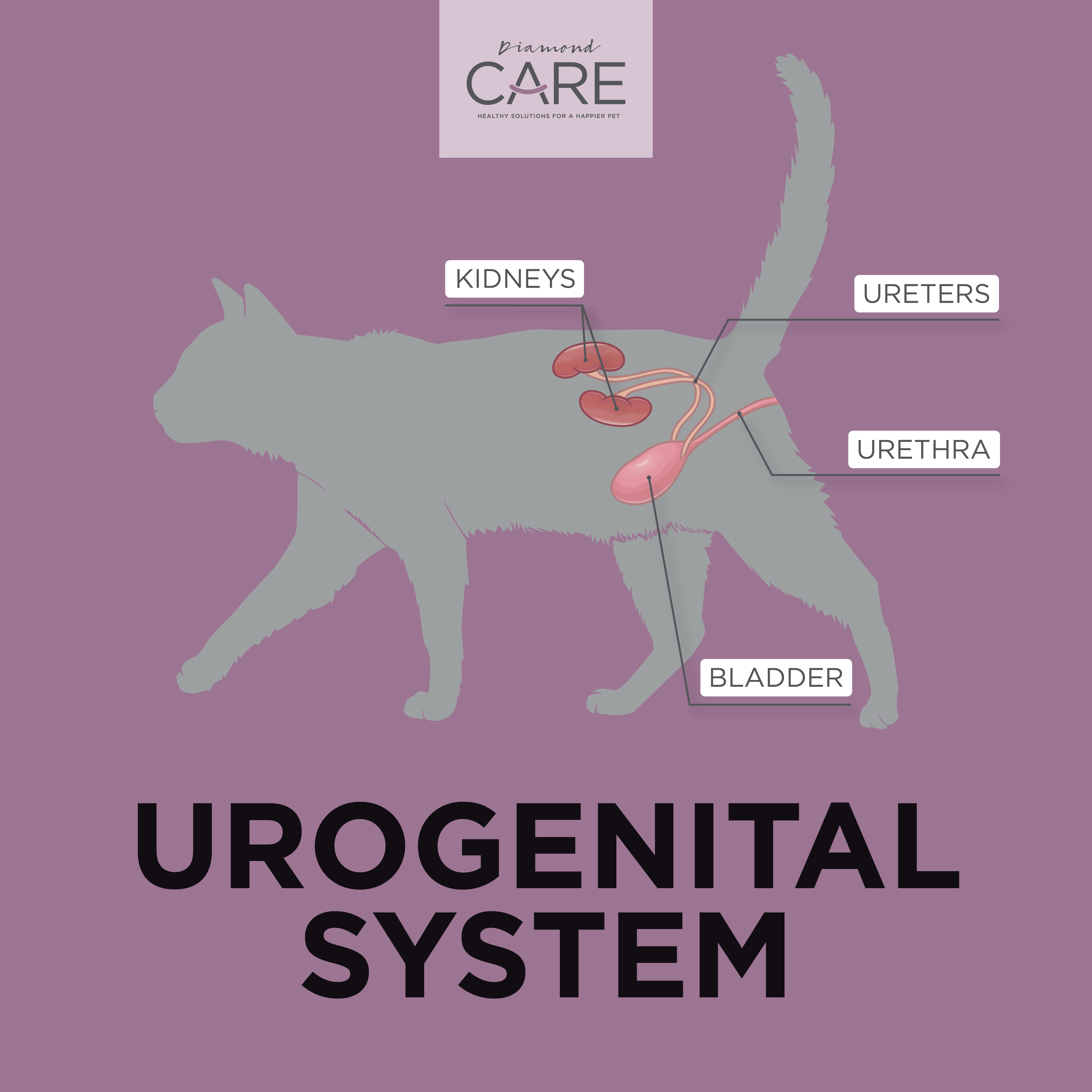
Credit: www.diamondpet.com
Cat Litter And Urinary Health
Cat litter plays a crucial role in your cat’s daily life, but it can also impact their urinary health more than you might think. The right choice of litter can help keep your cat comfortable and reduce the risk of urinary problems. On the other hand, certain types of litter may irritate your cat’s urinary tract, causing discomfort or even infections.
How Cat Litter Types Affect Cats
Not all cat litters are created equal when it comes to urinary health. Some litters contain chemicals or fragrances that can irritate your cat’s sensitive skin and urinary tract. Clay-based litters, for example, often have dust and additives that may cause discomfort or respiratory issues.
Natural litters made from materials like corn, wheat, or wood tend to be gentler. They usually produce less dust and are less likely to cause irritation. You might notice your cat avoiding the litter box if the litter smells too strong or feels rough, which can lead to holding in urine—a behavior that raises the risk of urinary tract infections (UTIs).
Common Urinary Issues In Cats
UTIs, bladder stones, and urinary blockages are common problems many cat owners face. Symptoms like frequent urination, blood in urine, or straining can indicate a urinary issue. Sometimes, the type of litter can worsen these symptoms by irritating the urinary tract or causing allergic reactions.
Have you observed your cat spending a long time in the litter box or avoiding it altogether? These signs might point to discomfort linked to the litter itself. Switching to a dust-free, unscented, and soft-textured litter can make a big difference in your cat’s urinary health and comfort.
Link Between Cat Litter And Utis
The link between cat litter and urinary tract infections (UTIs) is a topic many cat owners wonder about. Cat litter itself does not directly cause UTIs, but certain conditions related to litter can increase infection risks. Dirty litter boxes can harbor bacteria, which may lead to infections if cats come into contact with them frequently.
Choosing the right type of litter and keeping the box clean is essential. A dirty or poorly maintained litter box creates an environment where harmful bacteria thrive. These bacteria can enter a cat’s urinary tract and cause infections.
Can Litter Cause Bacterial Infections?
Cat litter can trap urine and feces, creating a breeding ground for bacteria. If the litter is not changed regularly, bacteria multiply quickly. Cats using dirty litter boxes risk coming into contact with these bacteria. The bacteria can enter the urinary tract through the cat’s urethra, causing infections.
Some types of litter are dustier and can irritate a cat’s skin or urinary tract. Irritation makes it easier for bacteria to cause infections. Using low-dust, clumping litter and cleaning the box daily helps reduce this risk.
Signs Of Uti In Cats
- Frequent urination or attempts to urinate
- Straining or pain while urinating
- Blood in the urine
- Strong smell in the urine
- Licking the genital area more than usual
- Showing signs of discomfort or vocalizing while urinating
- Loss of appetite or lethargy
Recognizing these signs early can prevent serious health issues. If you notice any of these symptoms, visit a veterinarian promptly. Timely treatment helps your cat recover quickly and avoid complications.
Choosing The Right Cat Litter
Certain types of cat litter may irritate a cat’s urinary tract and increase UTI risk. Choosing a gentle, dust-free litter helps keep your cat comfortable and healthy. Always watch for signs of discomfort or frequent urination.
Choosing the right cat litter can be more important than you might think, especially when it comes to your cat’s urinary health. Many cat owners are surprised to learn that their choice of cat litter might contribute to urinary tract infections (UTIs) in their feline friends. But how exactly can you make the best choice for your pet? It starts with understanding the materials and potential irritants in the litter you use.Safe Litter Materials
Prioritize litters made from natural materials like corn, wheat, or recycled paper. These options are often biodegradable and less likely to irritate your cat’s sensitive system. Clay-based litters, while popular, may contain dust and chemicals that can lead to health issues. Reflect on the last time you switched litter. Did your cat seem more comfortable, or did they develop any new symptoms? Observing changes in behavior or health can guide you in choosing materials that suit your pet best.Avoiding Irritants And Allergens
Check the labels for added fragrances and dyes. While these might make the litter smell nicer to you, they can be a source of irritation for your cat. Cats have a keen sense of smell and what seems mild to you can be overwhelming for them. Have you ever noticed your cat sneezing or coughing after using the litter box? This might be a sign of an allergic reaction to the litter. Opt for unscented and hypoallergenic varieties to reduce the risk of irritants. Making informed choices about cat litter can make a significant difference in preventing UTIs and other health issues. Consider these tips next time you’re in the pet aisle, and your feline friend will thank you.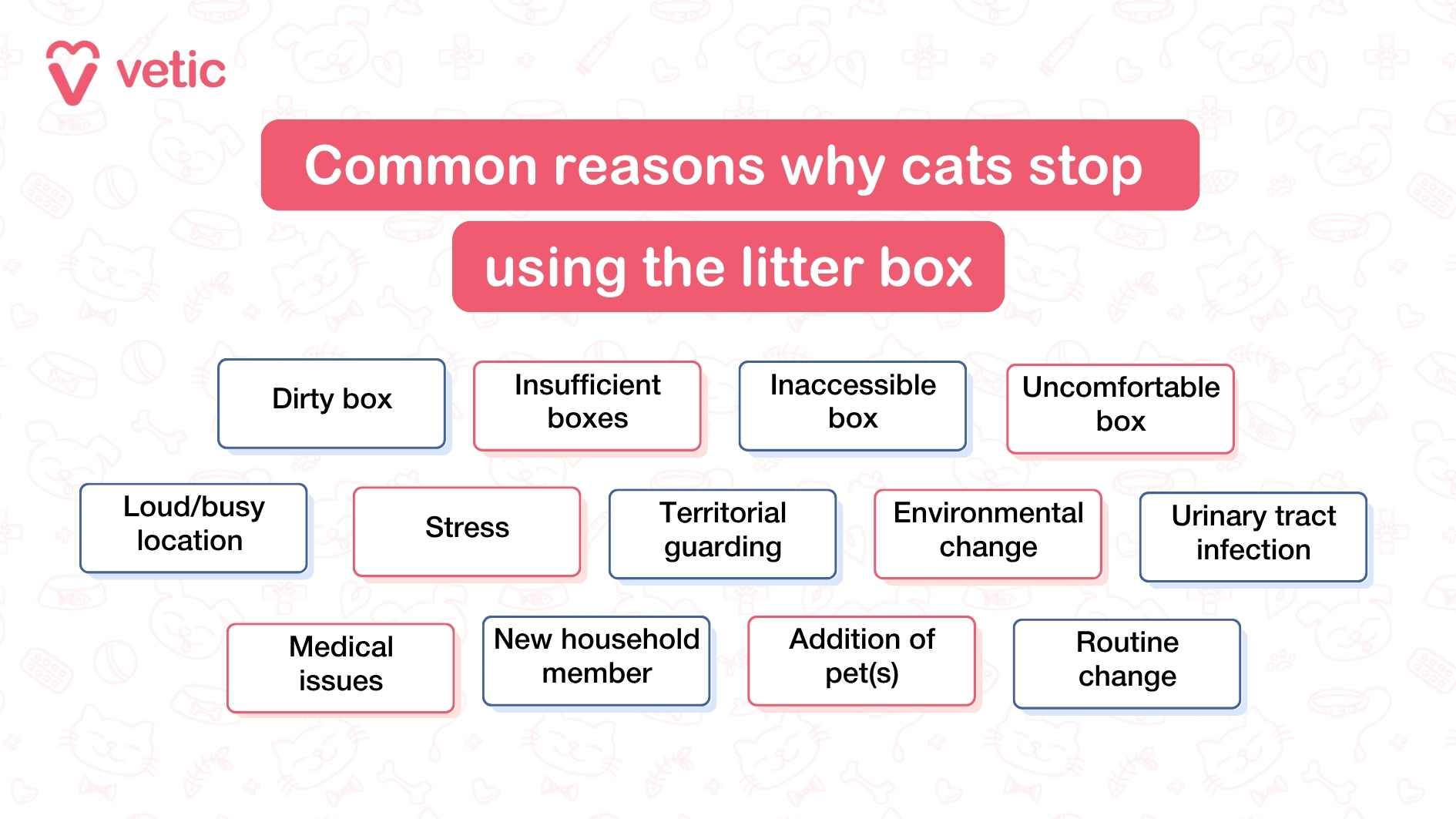
Credit: vetic.in
Preventing Utis In Cats
Preventing urinary tract infections (UTIs) in cats is essential for their health. UTIs cause discomfort and may lead to serious problems if untreated. Maintaining good habits and care lowers the risk. Understanding simple steps helps keep cats healthy and happy.
Hygiene Tips For Cat Owners
Keeping your cat’s environment clean is key. Change the litter box frequently to avoid bacteria buildup. Use unscented, dust-free cat litter to reduce irritation. Wash the litter box with mild soap and hot water weekly. Keep your cat’s fur clean, especially around the rear end. Trim their nails to prevent scratching that can cause infections. Wash your hands after handling the litter or cleaning the box.
Diet And Hydration Impact
Water intake plays a big role in preventing UTIs. Cats who drink more water have healthier urinary tracts. Offer fresh water daily in clean bowls. Wet cat food increases moisture intake and supports hydration. Avoid feeding too much dry food alone. A balanced diet supports immune health and reduces infection chances. Consult your vet about special diets if your cat has urinary issues.
When To See A Vet
Knowing when to take your cat to the vet is crucial if you suspect a urinary tract infection (UTI). Ignoring signs can lead to serious health problems. Understanding the symptoms and treatment options helps you act fast and protect your cat’s health.
Symptoms That Need Immediate Attention
Watch for these urgent signs that your cat needs veterinary care right away:
- Frequent urination with little output:Your cat may try to pee often but only produce small amounts.
- Blood in the urine:This is a clear red flag and should never be ignored.
- Straining or crying while urinating:Pain or discomfort is a serious symptom.
- Excessive licking of the genital area:This can indicate irritation or infection.
- Sudden changes in behavior:Lethargy, hiding, or loss of appetite may accompany a UTI.
One cat owner I know noticed her cat was scratching more and urinating outside the litter box. A quick vet visit revealed a UTI that, if untreated, could have worsened rapidly.
Treatment Options For Utis
Once diagnosed, your vet will suggest a treatment plan tailored to your cat’s needs. Treatment usually involves:
- Antibiotics:These are the most common and effective way to clear the infection.
- Pain relief medication:To ease discomfort during recovery.
- Diet changes:Special diets may help prevent future infections by maintaining urinary tract health.
- Increased water intake:Encouraging your cat to drink more water helps flush out bacteria.
Don’t try to treat a UTI at home without professional advice. Proper diagnosis and treatment are key to avoiding complications like kidney infections or blockages.

Credit: www.utahhumane.org
Frequently Asked Questions
Can Cat Litter Cause Urinary Tract Infections In Humans?
Cat litter itself does not directly cause UTIs in humans. However, bacteria from cat waste can spread if hygiene is poor. Always wash hands after cleaning litter boxes to minimize infection risk. Proper litter maintenance helps prevent bacterial growth and cross-contamination.
How Does Cat Litter Affect Cats’ Urinary Health?
Certain cat litters can irritate a cat’s urinary tract if dusty or scented. This irritation may increase the risk of urinary issues. Choosing dust-free, unscented litter supports cats’ urinary comfort and helps prevent infections or inflammation.
Can Poor Litter Box Hygiene Increase Uti Risk?
Yes, poor litter box hygiene can increase UTI risk for both cats and humans. Dirty litter boxes harbor bacteria that may cause infections. Regular cleaning and disinfecting reduce bacterial presence, lowering the chance of urinary tract infections.
Is There A Safer Cat Litter To Prevent Utis?
Clumping, dust-free, and unscented cat litters are safer for urinary health. These types reduce irritation and bacterial buildup. Opting for natural or silica-based litters can also promote a cleaner environment and minimize infection risks.
Conclusion
Cat litter itself does not directly cause UTIs. Poor hygiene or dirty litter boxes can increase infection risks. Keeping litter clean helps protect your cat’s health. Watch for signs like frequent urination or discomfort. Regular vet visits catch problems early.
Good care keeps your cat happy and healthy. Choose quality litter and clean it often. Simple steps prevent many urinary issues. Your cat depends on you for a safe environment. Stay attentive and provide the best care possible.

Lily Purrington is the founder of MyKittyPicks.com, a cozy corner of the web dedicated to helping cat lovers discover the best cat products, furniture, toys, and home decor ideas.
A lifelong cat enthusiast, Lily shares trusted tips, honest product recommendations, and stylish inspiration designed to keep kitties happy and homes beautiful.
Her mission is simple: to bring together practical advice and purr-fect picks that make life better for cats and the people who love them.


