

If you have a bunny at home, you want to keep their space clean and comfortable. You might be wondering, can bunnies use cat litter?
It’s a common question because cat litter is easy to find and designed for small pets. But before you grab that bag, there are important things you need to know. Using the wrong litter could harm your bunny or cause other problems.
Keep reading to discover what works best for your furry friend and how to create a safe, happy home for them.
Choosing Safe Litter
Choosing the right litter for your bunny is important for their health. Not all cat litters work well for rabbits. Some can cause breathing or digestive problems. Safe litter keeps your bunny clean without risk. It also controls odor and absorbs moisture well.
Focus on litter that is gentle and non-toxic. Avoid dusty or scented products. Bunnies have sensitive noses and lungs. The litter should be easy to clean and comfortable for their paws.
Types Of Cat Litter Suitable For Bunnies
- Paper-based litters – soft and dust-free
- Wood pellets – natural and absorbent
- Timothy hay litter – safe and edible
Clay or clumping cat litters often contain harmful chemicals. These litters create dust that irritates rabbit lungs. Avoid these types to keep your bunny safe.
Avoiding Harmful Ingredients
Check litter labels for unsafe components. Stay clear of:
- Clay and clumping agents
- Fragrances and perfumes
- Silica gel crystals
- Artificial dyes
These ingredients can cause allergic reactions or poisoning. Choose litters with natural, simple ingredients only.
Natural Alternatives To Cat Litter
Natural options work well and reduce risks. Consider these:
- Shredded paper – soft and safe
- Hay – familiar and edible
- Wood shavings – pine or aspen (avoid cedar)
- Corn cob litter – biodegradable and absorbent
Natural litters are eco-friendly and gentle on your bunny’s feet. They also reduce dust and chemicals in the air.

Credit: www.reddit.com
Setting Up A Bunny Litter Box
Setting up a litter box for your bunny creates a clean and comfortable space. It helps keep your home tidy and your bunny happy. A proper setup encourages good habits and makes cleaning easier. Focus on size, placement, and training for the best results.
Selecting The Right Size And Style
Choose a litter box big enough for your bunny to move freely. It should fit your bunny’s size and allow them to turn around. A low-sided box helps easy access, especially for small or elderly bunnies. Some bunnies prefer covered boxes for privacy, but many like open ones for space.
- Large enough for your bunny to enter and turn
- Low sides for easy entry
- Open or covered based on bunny preference
- Made of easy-to-clean material
Positioning The Litter Box
Place the box in a quiet, safe corner where your bunny spends time. Avoid noisy or busy areas to reduce stress. Keep the box near their favorite spots but away from food and water dishes. Positioning the box consistently helps your bunny remember where to go.
- Quiet and calm location
- Close to bunny’s frequent spots
- Away from food and water
- Stable surface to prevent tipping
Training Your Bunny To Use The Box
Observe your bunny to find their usual bathroom spot. Gently place them in the box after eating or waking up. Reward with gentle praise or treats when they use the box correctly. Be patient; accidents will happen. Clean the box regularly to keep it fresh and inviting.
- Watch for signs of needing to go
- Guide bunny to the box gently
- Use rewards to encourage good habits
- Keep the box clean and odor-free
Cleaning And Maintenance
Bunnies can use some types of cat litter, but it must be safe and dust-free. Avoid clumping or scented litters to keep rabbits healthy. Regular cleaning helps prevent odors and keeps their space fresh.
Cleaning and maintaining your bunny’s litter area is crucial for their health and happiness. Bunnies, like other pets, need a clean environment to thrive. Proper cleaning not only ensures hygiene but also minimizes odors and prevents health issues.Frequency Of Cleaning
Cleaning your bunny’s litter box should be a routine task. Aim to clean it daily to prevent unpleasant smells and maintain a hygienic space for your rabbit. A quick daily scoop can make a big difference, while a more thorough clean once a week will help keep things fresh and inviting.Safe Cleaning Products
When cleaning your bunny’s litter box, it’s essential to use products that are safe for them. Avoid harsh chemicals that could harm your rabbit’s sensitive respiratory system. Opt for natural cleaners like vinegar and water, which are effective and safe alternatives.Managing Odors Effectively
Managing odors is a common concern for pet owners. Consider using odor-absorbing materials like baking soda, sprinkled beneath the litter. Regular cleaning and using safe deodorizing products can keep your home smelling fresh while keeping your bunny happy. Are you finding it challenging to keep your bunny’s litter box clean? Adopting these simple practices can make the task easier and ensure your furry friend remains healthy and comfortable.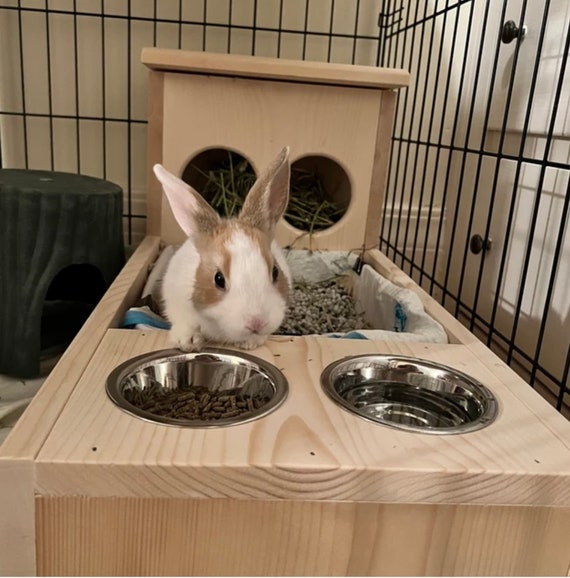
Credit: vision.org.in
Health Considerations
Considering your bunny’s health is crucial before deciding to use cat litter as their bathroom substrate. Rabbits have delicate respiratory systems and sensitive skin, so the type of litter you choose can significantly impact their well-being. Understanding the health risks and signs to watch for can help you make a safer choice for your furry friend.
Common Risks Of Using Cat Litter
Most cat litters contain clay or silica, which produce dust that can irritate your bunny’s lungs. This dust may cause sneezing, coughing, or even long-term respiratory problems. Additionally, some litters have added fragrances or chemicals that can trigger allergic reactions or skin irritation.
Another risk is ingestion. Bunnies often nibble on their litter, and consuming certain cat litters can lead to digestive blockages or poisoning. You might think a scoop of cat litter is harmless, but your bunny’s sensitive digestive tract might disagree.
Signs Of Litter-related Issues
Watch for frequent sneezing or nasal discharge, which can indicate respiratory irritation. If your bunny starts scratching more than usual or develops red, flaky skin around their paws or bottom, the litter might be causing skin problems.
Changes in appetite or droppings, like smaller or fewer pellets, could signal that your rabbit has ingested something harmful. Keep an eye on their behavior—lethargy or reluctance to use the litter box might also be red flags.
When To Consult A Veterinarian
If you notice any persistent sneezing, coughing, or discharge, it’s time to call your vet. Skin issues that don’t improve after changing litter types also warrant professional advice. Digestive symptoms such as bloating, loss of appetite, or abnormal droppings require immediate veterinary attention.
Have you ever considered how your bunny might react to a seemingly harmless change in their environment? Their health depends on your vigilance and quick action when signs appear. Don’t hesitate to ask your vet about safe litter options tailored for rabbits.
Additional Tips For Bunny Owners
Helping your bunny use cat litter can be a smooth process with the right tips. Small changes and patience make a big difference. This section shares useful advice to support your bunny’s litter training and comfort.
Encouraging Good Litter Habits
Place the litter box in a quiet, accessible spot. Bunnies like consistency, so keep the box in the same place. Praise your bunny gently when it uses the box. Use a small treat to reward good behavior. Clean the box regularly to avoid odors. Use safe, dust-free litter to keep your bunny healthy.
Dealing With Litter Box Problems
Watch for signs your bunny avoids the box. Check for health issues if accidents happen often. Change the litter type if your bunny seems unhappy. Try different box sizes to find what fits best. Keep an eye on where your bunny goes outside the box. Clean those spots with an enzyme cleaner to remove smells.
Creating A Bunny-friendly Environment
Provide plenty of toys to keep your bunny busy. Add soft bedding near the litter box for comfort. Ensure your bunny has fresh water and hay nearby. Keep the area free from loud noises and sudden movements. Let your bunny explore safely outside the litter area. Create a routine that includes play, feeding, and rest times.

Credit: m.youtube.com
Frequently Asked Questions
Can Bunnies Safely Use Cat Litter?
Bunnies can use some types of cat litter, but avoid clumping or clay-based litters. Choose paper-based or wood pellet litter for safety. These options are non-toxic and gentle on their sensitive respiratory systems.
Why Is Clay Cat Litter Bad For Rabbits?
Clay cat litter creates dust that irritates rabbit lungs and eyes. It can cause respiratory problems and discomfort. Rabbits may also ingest harmful particles while grooming, leading to digestive issues.
What Type Of Litter Is Best For Bunnies?
Paper-based, wood pellets, or hay litter are best for bunnies. These litters are absorbent, dust-free, and safe if ingested. They provide a comfortable and clean environment for rabbits.
How To Transition Bunnies To New Litter Safely?
Introduce new litter gradually by mixing it with the old litter. Monitor your bunny’s behavior and health during the change. This helps prevent stress and digestive upset.
Conclusion
Bunnies can use some types of cat litter safely. Avoid clumping or dusty litters to protect their health. Choose natural, paper-based, or wood litters instead. Always watch your bunny’s reaction to new litter. Clean the litter box regularly to keep it fresh.
Remember, comfort and safety come first for your pet. This helps your bunny stay happy and healthy. Small changes make a big difference in care. Try the right litter and see what works best. Your bunny will thank you with good behavior.

Lily Purrington is the founder of MyKittyPicks.com, a cozy corner of the web dedicated to helping cat lovers discover the best cat products, furniture, toys, and home decor ideas.
A lifelong cat enthusiast, Lily shares trusted tips, honest product recommendations, and stylish inspiration designed to keep kitties happy and homes beautiful.
Her mission is simple: to bring together practical advice and purr-fect picks that make life better for cats and the people who love them.


