
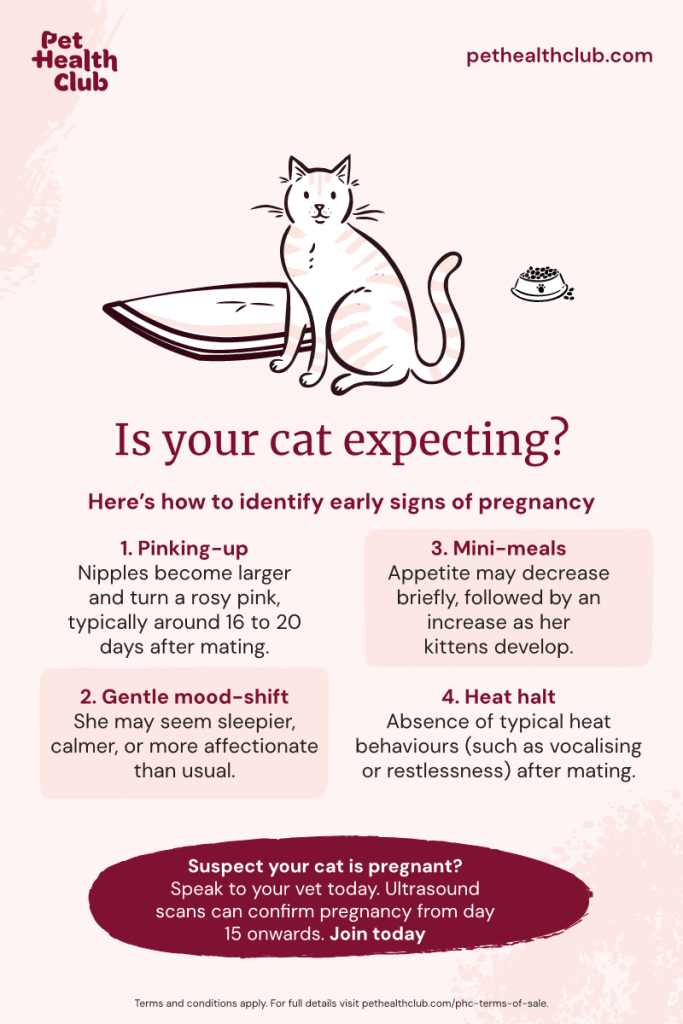
Have you ever wondered if a cat can avoid pregnancy even after mating? It’s a question that might have crossed your mind, especially if you’re a cat owner or considering breeding.
The answer isn’t as straightforward as you might think. There’s a lot more to feline reproduction than meets the eye, and understanding it can be crucial for your pet’s health and your peace of mind. You might be surprised to learn about the factors that can influence a cat’s ability to conceive.
From timing and health to unexpected biological quirks, several elements come into play. Stick around as we unravel the mysteries of cat reproduction and explore why sometimes, despite mating, a cat might not get pregnant. Your curiosity will be satisfied, and you’ll gain valuable insights to better care for your feline friend.

Credit: www.youtube.com
Cat Reproductive Basics
Understanding the basics of cat reproduction is key to knowing why a cat might not get pregnant after mating. Cats have unique reproductive cycles and behaviors that influence whether mating leads to pregnancy. Knowing these details helps you care better for your cat and manage expectations.
Feline Estrous Cycle
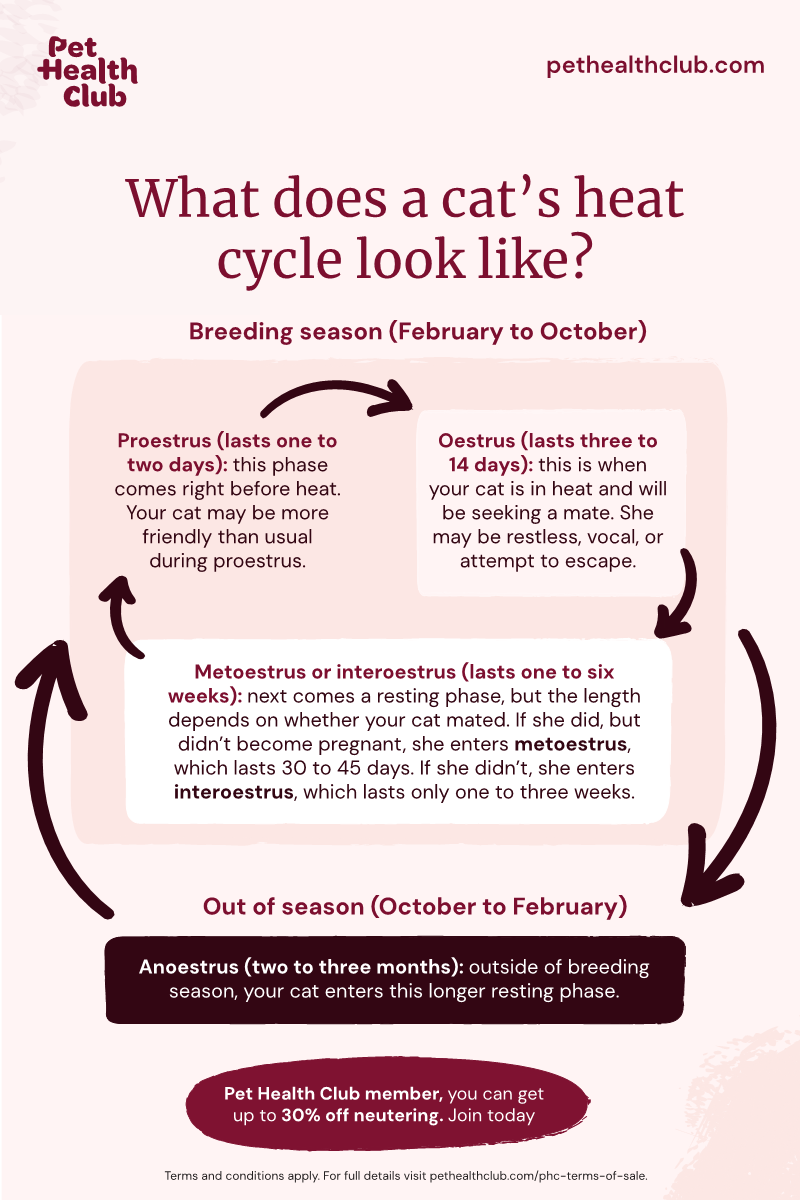
The feline estrous cycle is the cat’s reproductive rhythm, controlling when she’s ready to mate. Unlike humans, cats are induced ovulators, which means the act of mating triggers ovulation.
This cycle has several stages: proestrus, estrus, metestrus, and anestrus. The estrus phase is when the female is receptive, often showing loud vocalizations and restlessness.
If ovulation doesn’t occur during mating, pregnancy won’t happen. So, even if your cat mates, she might not get pregnant unless ovulation is triggered.
Mating Behavior In Cats
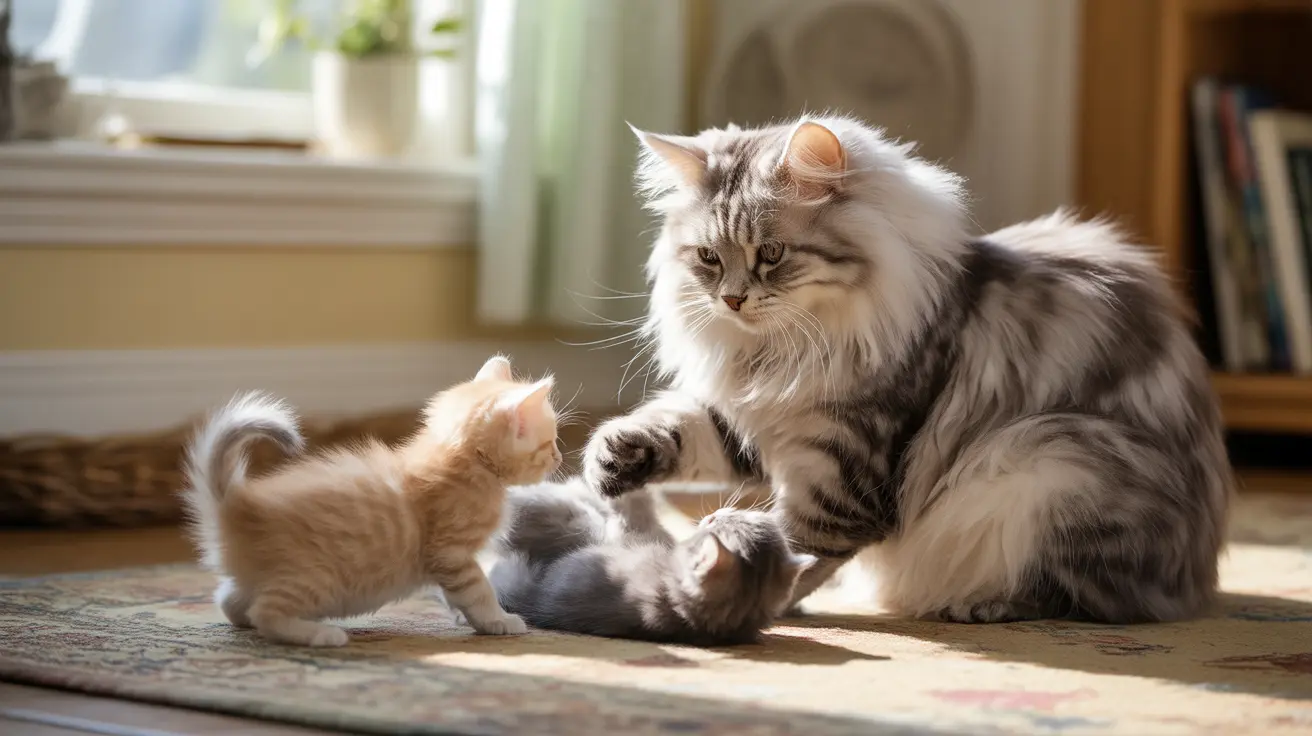
Cat mating behavior can seem brief and sometimes rough, but it serves a biological purpose. Male cats bite the female’s neck to hold her, stimulating ovulation through the physical act.
Interestingly, a single mating session might not be enough. Cats often mate multiple times over a few days to increase the chances of successful fertilization.
Have you noticed your cat’s behavior after mating? Sometimes, she might show signs of discomfort or avoid the male, which is normal but also affects timing and success.
Credit: www.petscare.com
Common Reasons For Failed Pregnancy
Not every mating leads to pregnancy in cats. Several factors can cause a cat to miss pregnancy after mating. Understanding these reasons helps cat owners manage expectations and care for their pets better.
Timing And Ovulation Issues
Cats are induced ovulators, meaning they release eggs after mating. If mating does not trigger ovulation, pregnancy won’t happen. Poor timing during the heat cycle can also prevent fertilization. Sometimes, a female cat may not be in the right phase for conception.
Health Problems In Female Cats
Health issues affect a cat’s ability to get pregnant. Infections, hormonal imbalances, or reproductive tract problems can stop pregnancy. Older cats or those with poor nutrition might struggle to carry kittens. Regular vet checkups can identify these problems early.
Male Fertility Concerns
Male cat fertility plays a big role in successful mating. Low sperm count or poor sperm quality reduces chances of pregnancy. Illness or age can weaken a male cat’s fertility. Choosing a healthy male improves the odds of conception.
Environmental And External Factors
Environmental and external factors play a big role in a cat’s ability to get pregnant after mating. These factors can affect her body and hormones, stopping pregnancy from happening. Understanding these influences helps in knowing why a cat might not conceive even after mating.
Stress And Its Impact
Stress can stop a cat’s body from working properly. Loud noises, new places, or unfamiliar animals cause stress. This stress can lower hormone levels needed for pregnancy. A stressed cat may not go into heat regularly. Even if mating happens, stress can prevent egg release or fertilization.
Nutrition And Its Role
Good nutrition is key for a cat’s reproductive health. Poor diet weakens her body and affects hormone balance. Cats need proteins, vitamins, and minerals to stay healthy. Without enough nutrients, ovulation may not occur. A well-fed cat is more likely to conceive and carry kittens to term.
Credit: www.pethealthclub.com
Myths About Cat Pregnancy
Many myths surround cat pregnancy and mating. These myths can confuse cat owners. Understanding the facts helps ensure proper care for your cat. This section clears up common misconceptions about cat pregnancy.
Can One Mating Guarantee Pregnancy?
One mating does not always mean pregnancy. Cats usually need to mate multiple times during their heat cycle. Each mating increases the chance of fertilization. Sometimes, the timing of mating affects pregnancy success. The female cat’s health and age also play a role. Therefore, one mating is not a guarantee of pregnancy.
Frequency Of False Pregnancies
False pregnancies can happen in cats but are not very common. A false pregnancy means a cat shows signs of pregnancy without being pregnant. Symptoms may include nesting behavior or milk production. These signs usually last a few weeks. False pregnancies often occur after a heat cycle without mating. They do not harm the cat but can confuse owners.
When To Consult A Veterinarian
Knowing when to consult a veterinarian is important if your cat does not get pregnant after mating. A missed pregnancy can signal health problems that need expert care. Early consultation helps identify issues and improve your cat’s health and chances of pregnancy.
Signs Of Reproductive Issues
- Repeated failure to conceive after several mating attempts
- Unusual vaginal discharge or bleeding
- Swelling or pain in the abdomen
- Changes in behavior, such as lethargy or loss of appetite
- Frequent or painful urination
- Visible lumps or growths near the reproductive organs
Available Diagnostic Tests
- Ultrasound to check for pregnancy and uterine health
- Blood tests to measure hormone levels
- Vaginal cytology to examine cells and detect infections
- X-rays to view reproductive organs and detect abnormalities
- Physical examination to assess general health and reproductive status
Preventing Unwanted Pregnancies
Preventing unwanted pregnancies in cats is important for their health and well-being. It helps reduce the number of stray and homeless cats. Managing your cat’s reproductive health can also avoid stressful situations for both pets and owners. There are effective ways to keep your cat from getting pregnant after mating.
Spaying Benefits
Spaying is a surgical procedure that removes a cat’s ovaries and uterus. It stops your cat from going into heat and becoming pregnant. Spaying has many health benefits, such as lowering the risk of certain cancers. It also helps control the pet population by preventing unwanted litters. Cats often become calmer after spaying, as hormonal changes reduce mating behaviors.
Behavioral Management
Managing your cat’s behavior can reduce the chances of accidental mating. Keep your cat indoors during heat cycles to avoid contact with males. Use toys and playtime to distract your cat and reduce stress. Giving your cat a safe, quiet space can help calm her during heat. Monitoring your cat closely and separating her from male cats is important during this time.
Frequently Asked Questions
Why Might A Cat Not Get Pregnant After Mating?
A cat may not get pregnant due to timing issues, health problems, or low fertility. Stress and poor nutrition also affect pregnancy chances. Proper mating timing during the cat’s heat cycle is crucial for conception.
Can Stress Prevent A Cat From Becoming Pregnant?
Yes, stress can interfere with a cat’s reproductive cycle. It can disrupt hormone levels, reducing fertility. A calm, comfortable environment improves pregnancy chances after mating.
How Often Do Cats Need To Mate For Pregnancy?
Cats usually need to mate multiple times during heat for successful fertilization. Repeated mating increases sperm chances reaching the eggs. One mating may not always result in pregnancy.
Does A Cat’s Age Affect Pregnancy Success?
Yes, younger and older cats may have lower fertility. Prime reproductive age is between 1 and 6 years. Age-related health issues can also impact pregnancy after mating.
Conclusion
Cats may not get pregnant after mating for several reasons. Stress, health issues, or timing can affect pregnancy. Not every mating leads to kittens. Knowing this helps you care for your cat better. Always watch your cat’s behavior and health closely.
Consult a vet if you have concerns about pregnancy. Understanding these facts keeps your cat happy and healthy. It’s normal for some matings to not result in pregnancy. Patience and care are key to your cat’s wellbeing.

Lily Purrington is the founder of MyKittyPicks.com, a cozy corner of the web dedicated to helping cat lovers discover the best cat products, furniture, toys, and home decor ideas.
A lifelong cat enthusiast, Lily shares trusted tips, honest product recommendations, and stylish inspiration designed to keep kitties happy and homes beautiful.
Her mission is simple: to bring together practical advice and purr-fect picks that make life better for cats and the people who love them.


