

Have you ever wondered if your cat can get pregnant while she’s still nursing her kittens? It’s a question that many cat owners don’t think about until it becomes a real concern.
Understanding this can help you keep your furry friend healthy and avoid unexpected litters. You’ll discover the surprising facts about feline pregnancy during nursing and what it means for you and your cat’s care. Keep reading to learn how to protect your cat and manage her health better.
Credit: www.petscare.com
Cat Reproductive Cycle
The reproductive cycle of cats is complex and unique. Cats can enter heat multiple times a year. Their cycle affects their ability to get pregnant. Understanding this cycle helps answer if a cat can get pregnant while nursing. The cycle involves phases driven by hormones and external factors like daylight.
The cycle starts with the heat phase, called estrus. During this time, female cats are fertile and ready to mate. After heat, if they do not become pregnant, the cycle repeats. Nursing cats may still go through these cycles, which influences their chances of pregnancy.
Heat Cycles During Nursing
Nursing cats can go into heat, but it may take longer. The presence of kittens and nursing often delays the start of the heat cycle. This delay varies between cats and depends on how often the kittens nurse.
Heat cycles are shorter and less frequent during nursing. However, once kittens start eating solid food, the mother’s heat cycles return. This means the cat can become pregnant even while still nursing.
Hormonal Changes In Nursing Cats
Hormones control the reproductive cycle and nursing behaviors. Prolactin, a hormone that supports milk production, also suppresses the heat cycle. This helps delay pregnancy during early nursing.
As kittens grow, prolactin levels drop. This reduction allows estrogen to rise, triggering heat. Hormonal changes make it possible for a nursing cat to become fertile again. Monitoring these changes can help predict when a cat might go into heat.

Credit: www.petscare.com
Possibility Of Pregnancy While Nursing
Many cat owners wonder about the possibility of their cat getting pregnant while nursing. This concern arises because of the overlap between lactation and fertility in cats. While caring for kittens, a mother cat might still be fertile. This possibility raises questions and concerns among pet owners.
Fertility Despite Lactation
Cats can become fertile soon after giving birth. The reproductive cycle in cats can resume quickly. This means a nursing cat might go into heat again. Nursing does not always suppress a cat’s fertility. As a result, cats can become pregnant while still feeding their kittens. Monitoring the cat’s behavior helps in understanding its reproductive status.
Common Myths Debunked
Many myths surround feline reproduction. One common myth is that nursing completely prevents pregnancy. This is not true for cats. Cats can be in heat while nursing. Another myth is that a cat’s body will not allow pregnancy too soon. In reality, cats can become pregnant again shortly after birth. Understanding these myths helps pet owners make informed decisions.
Signs Of Pregnancy In Nursing Cats
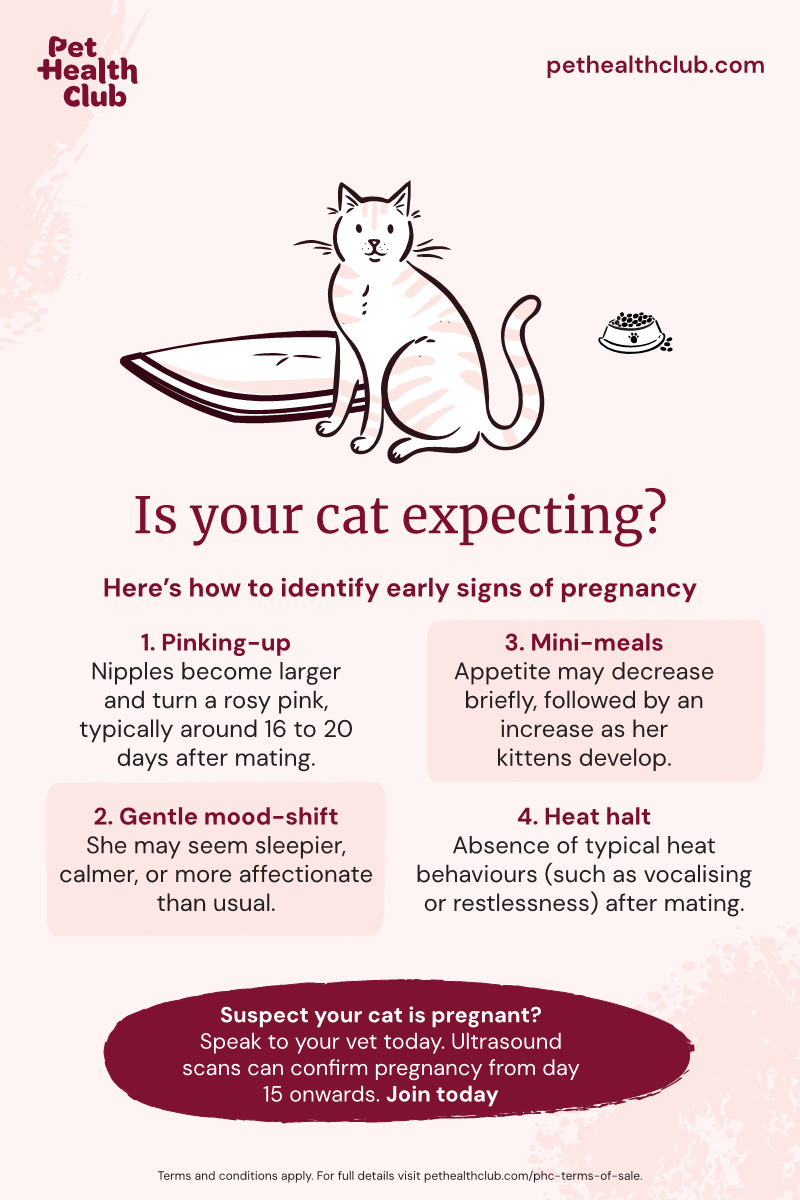
Nursing cats can become pregnant again shortly after giving birth. This can be confusing for cat owners. Recognizing early signs of pregnancy in a nursing cat helps ensure proper care. These signs usually include changes in behavior and physical symptoms. Knowing what to watch for can protect both the mother and her kittens.
Behavioral Changes
- The cat may become more restless or irritable.
- She might show increased affection or seek more attention.
- Some cats hide more or seem withdrawn.
- Changes in appetite, such as eating more or less, are common.
- She may start nesting or preparing a quiet space.
Physical Symptoms
- Swelling and darkening of the nipples can happen again.
- The abdomen may enlarge as the pregnancy progresses.
- Weight gain is visible over a few weeks.
- Vomiting or mild nausea can occur in early pregnancy.
- Fatigue or decreased energy levels might be noticeable.
Risks Of Concurrent Pregnancy And Nursing
Having a cat pregnant while she is still nursing can seem like a natural process, but it carries several risks. The mother’s body is already working hard to feed her current kittens, and adding pregnancy to the mix can strain her health significantly. Understanding these risks helps you make better decisions for your cat’s wellbeing.
Health Implications For The Mother
Your cat’s body needs extra energy to nurse kittens, and pregnancy demands even more nutrients. This double burden can lead to malnutrition if her diet isn’t carefully managed.
She may experience weight loss, weakness, and a weakened immune system. This makes her more prone to infections and delays recovery after birth.
In some cases, the stress can cause complications like mastitis (infection of the mammary glands) or even pregnancy loss. Have you noticed your cat looking tired or less interested in eating? These could be warning signs.
Impact On Kittens
Kittens nursing from a mother who is also pregnant might receive less milk. This can slow their growth and lower their chances of survival.
Inadequate nutrition during nursing affects brain development and immune strength. You might see smaller, less active kittens compared to a healthy litter.
Additionally, the unborn kittens inside the mother may not get enough nutrients, leading to weaker or underdeveloped babies at birth. Are you prepared to support both the nursing kittens and the new litter if this happens?
Care Tips For Pregnant And Nursing Cats
Taking care of a cat that is both pregnant and nursing can be challenging but rewarding. Your cat’s body is working overtime to support her kittens, so she needs extra attention and care. Knowing how to manage her nutrition and health can make a big difference in her well-being and that of her babies.
Nutrition And Diet
Your cat’s diet needs to be rich in calories, protein, and essential nutrients during pregnancy and nursing. She might eat two to three times more food than usual to keep up with the demands of milk production and fetal growth.
Choose high-quality kitten food because it contains the right balance of nutrients that support both mom and her kittens. Fresh water should always be available—hydration is crucial for milk production.
Have you noticed if your cat is eating less or seems picky? Sometimes, morning sickness or discomfort can reduce appetite. If this happens, try offering small, frequent meals or warming the food slightly to increase its appeal.
Veterinary Support
Regular check-ups with your vet are essential to monitor the health of your pregnant and nursing cat. They can spot potential issues early, such as infections or nutritional deficiencies, before they become serious.
Your vet might recommend supplements like folic acid or calcium if your cat needs extra support. Vaccinations and parasite control are also important, but timing matters—ask your vet when is safe to administer them during pregnancy or nursing.
Have you talked to your vet about signs of labor or complications? Being prepared can ease your worries and help you act quickly if your cat needs medical attention.
Preventing Unplanned Pregnancies
Preventing unplanned pregnancies in cats is essential, especially when your feline friend is already nursing. Many cat owners don’t realize that a nursing cat can become pregnant again, which can put her health and the kittens’ well-being at risk. Taking proactive steps to manage your cat’s reproductive health can save you from unexpected challenges and expenses.
Spaying Options
Spaying your cat is the most effective way to prevent unplanned pregnancies. This surgical procedure removes the ovaries and uterus, stopping heat cycles and eliminating the chance of pregnancy.
It’s best to talk to your vet about the right time to spay, especially if your cat is nursing. Sometimes, vets recommend waiting until the kittens are weaned, but in some cases, spaying can be done while nursing with careful monitoring.
Have you considered how spaying not only prevents pregnancies but also reduces risks of certain cancers and infections? This adds a layer of health protection for your cat.
Managing Cat Reproductive Health
Keeping track of your cat’s heat cycles is crucial if she isn’t spayed. Cats can go into heat as early as four months old, and nursing doesn’t always prevent this.
Use a calendar or app to note when your cat shows signs of heat, such as loud vocalizing or restlessness. This awareness helps you separate her from intact males during vulnerable times.
Consider creating a safe indoor environment to limit contact with outdoor cats. This simple step reduces the risk of unplanned mating significantly.
- Monitor behavioral changes daily.
- Keep your cat indoors during heat cycles.
- Consult your vet about temporary birth control if spaying isn’t an option immediately.
Have you noticed how managing reproductive health requires observation and planning? It’s a commitment, but it empowers you to protect your cat’s future and health.
Credit: www.pethealthclub.com
Frequently Asked Questions
Can A Nursing Cat Get Pregnant Again?
Yes, a nursing cat can get pregnant again. Cats can go into heat even while nursing. This means they can conceive another litter during this time.
How Soon Can A Cat Become Pregnant After Giving Birth?
A cat can become pregnant as soon as two weeks after giving birth. Their heat cycle can return quickly, allowing early conception.
Does Nursing Prevent Pregnancy In Cats?
Nursing does not reliably prevent pregnancy in cats. Unlike some animals, cats can ovulate and conceive while still nursing kittens.
Is It Safe For A Cat To Be Pregnant While Nursing?
Pregnancy during nursing can strain a cat’s health. It may lead to nutritional deficiencies and stress, so veterinary advice is important.
Conclusion
Cats can get pregnant while nursing their kittens. This happens because their bodies can ovulate even during lactation. It’s important to watch your cat’s health closely during this time. A pregnant and nursing cat needs extra care and nutrition. Talk to your vet to plan for both kittens and mom.
Understanding this helps you keep your cat safe and healthy. Remember, every cat is different, so stay attentive to her needs. This knowledge helps you be a responsible pet owner.

Lily Purrington is the founder of MyKittyPicks.com, a cozy corner of the web dedicated to helping cat lovers discover the best cat products, furniture, toys, and home decor ideas.
A lifelong cat enthusiast, Lily shares trusted tips, honest product recommendations, and stylish inspiration designed to keep kitties happy and homes beautiful.
Her mission is simple: to bring together practical advice and purr-fect picks that make life better for cats and the people who love them.


