
Have you ever wondered if your cat can still be spayed after she’s mated? You might be feeling worried, confused, or unsure about what’s best for her health and future.
The good news is, you’re not alone—and there’s important information you need to know right now. Understanding when and how spaying works after mating can protect your cat from health risks and prevent unexpected litters. Keep reading to discover the facts that will help you make the best choice for your furry friend.

Credit: www.reddit.com
Spaying Basics
Spaying is a common surgical procedure for female cats. It prevents pregnancy and helps control the cat population. Understanding spaying basics is important for cat owners. This section explains what spaying involves and why it benefits your cat’s health and behavior.
What Spaying Involves
Spaying is a surgery that removes a cat’s ovaries and uterus. The procedure stops the cat from having kittens. It usually takes about 20 to 30 minutes. The cat is put under general anesthesia to avoid pain. After surgery, your cat needs rest and care for a few days. Vets often recommend spaying before the first heat cycle for best results.
Benefits Of Spaying
Spaying has many benefits for your cat and community. It helps prevent unwanted litters and reduces stray cat populations. Spayed cats have a lower risk of certain cancers, like ovarian and uterine cancer. It also lowers the chances of infections in the reproductive system. Behavior improves too; spayed cats often become calmer and less likely to roam. Overall, spaying supports a healthier and happier life for your cat.
Credit: www.kinship.com
Timing After Mating
Timing after mating is crucial when deciding if your cat can be spayed. Understanding the right moment for the surgery helps ensure your cat’s safety and prevents unwanted litters. You might wonder how soon you can intervene after mating and what risks come with waiting too long.
How Soon Can Spaying Occur
Spaying a cat immediately after mating is often possible. Veterinarians usually recommend waiting a few days to a week to confirm pregnancy status, but some clinics perform early spay procedures within this window.
This early spaying can prevent implantation of fertilized eggs, effectively stopping pregnancy before it progresses. If you catch the timing right, your cat can avoid going through pregnancy altogether.
Risks Of Delayed Spaying
Delaying spaying after mating carries several risks for your cat. The longer you wait, the higher the chance the pregnancy will advance, making surgery more complicated and risky.
Complications can include increased bleeding, longer anesthesia time, and a more difficult recovery. Additionally, a delayed spay means your cat will give birth, which might not be what you want if you’re trying to control the pet population.
Have you considered how this timing affects your cat’s health and your peace of mind? Acting quickly can save your cat from unnecessary stress and complications.
Pregnancy And Spaying
Deciding to spay a cat after she has mated brings up questions about pregnancy and the best timing for the surgery. Understanding how spaying interacts with early pregnancy can help you make informed choices that prioritize your cat’s health. Let’s look at what happens if you choose to spay during early pregnancy and how it affects your cat.
Spaying During Early Pregnancy
Spaying a cat during the early stages of pregnancy is possible and often recommended by veterinarians to prevent the development of kittens. The procedure removes the ovaries and uterus, ending the pregnancy safely.
Many cat owners worry about the ethics and health implications of spaying a pregnant cat. However, spaying early can prevent complications associated with pregnancy and birth, such as difficult labor or health risks for both the mother and kittens.
Have you ever wondered how early is “early” for pregnancy in cats? It’s typically within the first three weeks when the embryos haven’t fully developed, making the surgery less complicated.
Effects On The Cat’s Health
Spaying during early pregnancy generally has minimal long-term effects on your cat’s health. It can actually reduce risks linked to mammary tumors and infections later in life.
However, like any surgery, there are risks such as anesthesia reactions or infection, which your vet will monitor closely. After surgery, your cat may experience some discomfort but usually recovers quickly with proper care.
Think about your cat’s quality of life and future health. Can delaying spaying to allow pregnancy to progress be riskier than intervening early? Most vets agree early spaying is safer and healthier overall.
Surgical Considerations
Deciding to spay a cat after she has mated involves specific surgical considerations that differ from a routine spay. Understanding these differences helps you prepare for the procedure and manage your cat’s care effectively. Let’s look closely at what happens during surgery and what recovery looks like afterward.
Procedure Differences Post-mating
Spaying a cat after mating is more complex because the reproductive system is already active. The veterinarian must carefully check the uterus for early pregnancy signs. This means the surgery might take longer and require more precision to avoid complications.
In some cases, the uterus may be enlarged or contain early embryos. The vet will remove the uterus and ovaries just like in a typical spay but with extra care to prevent bleeding. This surgery is still safe but demands skill and experience.
Have you ever wondered if the timing of surgery affects the risks? The closer the cat is to full pregnancy, the more complicated the procedure can become. That’s why early intervention is often recommended.
Recovery Expectations
Your cat’s recovery after a post-mating spay might be different from a standard spay. Because the surgery involves more tissue handling, your cat may experience more soreness and need extra rest. You should watch for signs of pain or infection carefully.
Keep your cat in a quiet, comfortable space and limit her activity for at least 10 to 14 days. Follow your vet’s instructions on wound care and medication strictly. The good news is most cats bounce back quickly with proper care.
Would you be able to notice subtle changes in your cat’s behavior during recovery? Paying close attention helps catch problems early and ensures your furry friend heals well. Your involvement is key to a smooth healing process.
Alternatives To Immediate Spaying
After a cat has mated, some owners hesitate to spay immediately. They may want to explore other options to manage their cat’s reproductive health. Alternatives to immediate spaying can help prevent unwanted litters without rushing into surgery. These choices provide time to decide the best plan for the cat’s wellbeing.
Preventing Unwanted Litters
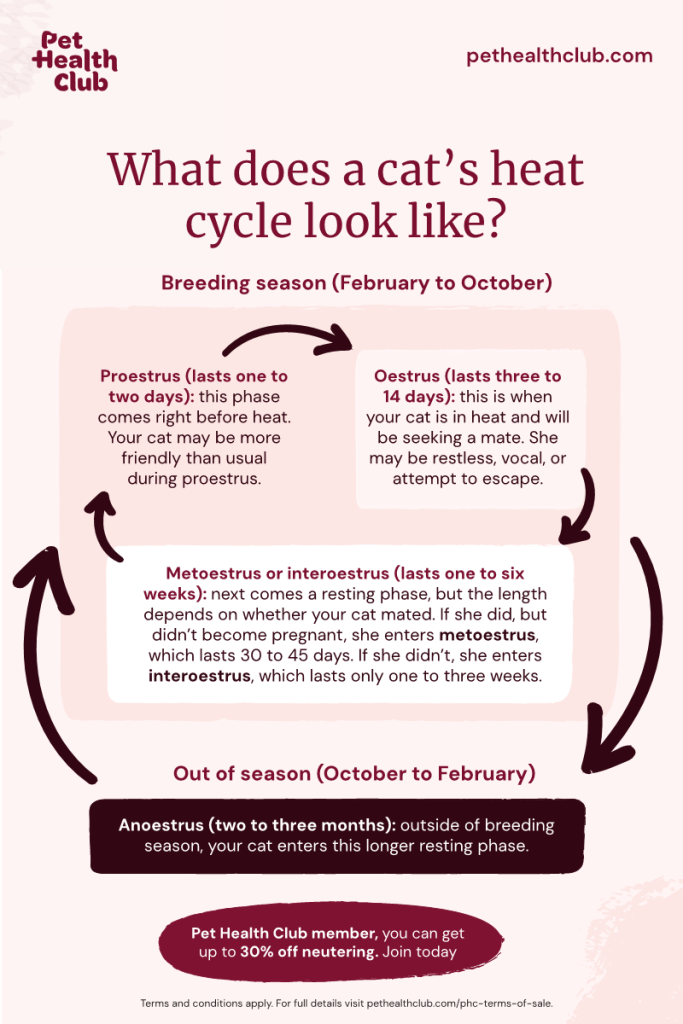
Controlling a cat’s chance of pregnancy is key. Keeping the cat indoors during heat cycles limits exposure to males. Avoiding outdoor access reduces the risk of mating. Monitoring the cat’s behavior helps identify heat periods early. This lets owners take action to prevent pregnancy.
- Keep the cat inside during heat cycles
- Watch for signs like loud vocalizing or restlessness
- Separate the cat from male cats during heat
- Use secure windows and doors to prevent escapes
Temporary Contraceptive Options
Some temporary measures can delay pregnancy. Hormonal injections can stop heat cycles for a short time. These must be given by a vet and repeated as needed. They do not replace spaying but provide temporary control. Oral contraceptives exist but carry health risks and need vet advice.
| Option | Effect | Duration | Notes |
|---|---|---|---|
| Hormonal Injection | Stops heat cycle | 1 to 3 months | Vet-administered, repeat doses needed |
| Oral Contraceptives | Suppresses fertility | Short term | Potential side effects, vet supervision required |
Temporary contraception helps control pregnancy risks. Discuss options with a veterinarian for safety and effectiveness. These alternatives buy time before deciding on permanent spaying.

Credit: www.awrc.sg
Veterinary Advice
Getting veterinary advice is essential if you’re wondering whether your cat can be spayed after mating. A professional vet can provide clear guidance tailored to your cat’s health and situation. This advice helps you make the best choice for your pet’s well-being and prevents unwanted pregnancies.
When To Consult A Vet
Contact your veterinarian as soon as you realize your cat has mated. Timing is crucial because spaying early after mating can reduce the risk of pregnancy. If you wait too long, the procedure becomes more complicated and less effective at preventing kittens.
Also, consult a vet if your cat shows unusual behavior or health problems after mating. Your vet can assess if there are any risks or complications. Don’t hesitate to ask for an immediate appointment to address your concerns.
Questions To Ask Your Veterinarian
Prepare questions that help you understand the spaying process after mating. Ask about:
- How soon after mating can spaying be done safely?
- What are the risks involved with spaying at this stage?
- Are there alternatives if spaying isn’t recommended immediately?
- What signs should I watch for that indicate complications?
- How will spaying after mating affect my cat’s recovery?
These questions help you get clear answers and feel confident about your decision. You might be surprised how much vets can tailor their advice to your cat’s specific needs. Have you thought about how your cat’s age or health condition might influence the timing of spaying?
Frequently Asked Questions
Can A Cat Be Spayed After Mating?
Yes, a cat can be spayed after mating. Spaying after mating prevents pregnancy and reduces health risks. It’s safe and recommended to avoid unwanted litters and future reproductive issues.
When Is The Best Time To Spay A Cat After Mating?
The best time to spay a cat is as soon as possible after mating. Early spaying prevents pregnancy and lowers the risk of complications. Consult your vet for the ideal timing based on the cat’s condition.
Does Spaying After Mating Affect The Cat’s Health?
Spaying after mating is generally safe and beneficial for the cat’s health. It prevents pregnancy-related complications and reduces risks of infections and cancers. Always follow your veterinarian’s advice for post-mating spaying care.
Can Spaying After Mating Stop A Cat’s Pregnancy?
Spaying after mating can stop early pregnancy if done before implantation. If the pregnancy is advanced, spaying will terminate it surgically. Always consult your vet promptly to determine the best course of action.
Conclusion
Spaying a cat after mating is possible and often recommended. It helps prevent unwanted pregnancies and health issues. Talk to your vet about the best time for the procedure. They can guide you based on your cat’s health and needs.
Spaying provides benefits like a calmer pet and reduced health risks. It’s a responsible choice for pet owners. Prioritize your cat’s well-being and future health. Remember, a healthy cat leads to a happy home. Make informed decisions for your feline friend.

Lily Purrington is the founder of MyKittyPicks.com, a cozy corner of the web dedicated to helping cat lovers discover the best cat products, furniture, toys, and home decor ideas.
A lifelong cat enthusiast, Lily shares trusted tips, honest product recommendations, and stylish inspiration designed to keep kitties happy and homes beautiful.
Her mission is simple: to bring together practical advice and purr-fect picks that make life better for cats and the people who love them.


