

Have you ever wondered if your curious cat could catch diseases from the birds they love to watch or chase? It’s a common question for pet owners like you who want to keep their furry friends safe and healthy.
Birds and cats often cross paths, but what risks does this interaction bring? Understanding how diseases might spread between birds and cats can help you protect your pet before any problems arise. Keep reading to discover what you need to know to keep your cat happy and healthy around our feathered neighbors.
Common Diseases Transmitted From Birds To Cats
Cats can catch diseases from birds. Birds carry some germs that may harm cats.
Knowing these diseases helps keep cats safe. Watch your cat’s health closely.
Bacterial Infections
Birds can carry bacteria that infect cats. One common bacteria is Salmonella.
Salmonella causes stomach problems and fever in cats. Another is Pasteurella, which can cause wounds to become infected.
- Salmonella: causes vomiting and diarrhea
- Pasteurella: leads to skin infections
- Chlamydophila psittaci: may cause respiratory issues
Viral Threats
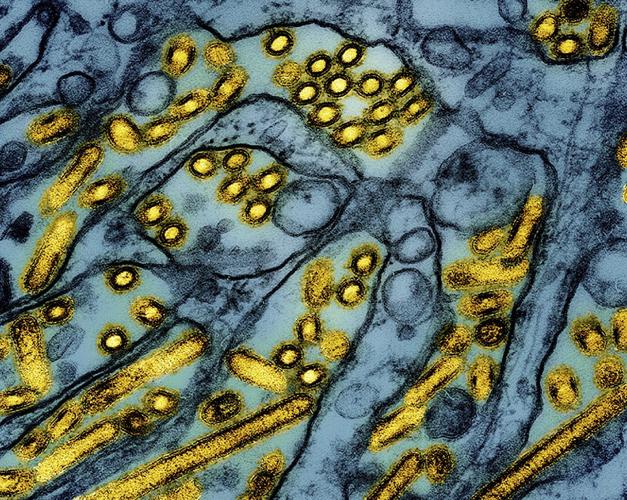
Birds sometimes carry viruses that cats can catch. One example is the Avian Influenza virus.
This virus can cause breathing problems in cats. Cats near wild birds face higher risks.
- Avian Influenza: causes respiratory illness
- West Nile Virus: rare but possible transmission
Parasitic Risks
Birds can carry parasites that infect cats. One example is Toxoplasma gondii.
This parasite causes toxoplasmosis, which can harm cats’ organs. Fleas and mites from birds may also affect cats.
- Toxoplasma gondii: causes toxoplasmosis
- Bird mites: cause itching and skin irritation
- Fleas: may spread other diseases
Fungal Diseases
Birds may carry fungal spores that cause infections. Cryptococcus is a common fungus transmitted this way.
Cryptococcus can cause breathing problems and skin sores in cats. It spreads through bird droppings.
- Cryptococcus: causes respiratory and skin issues
- Aspergillus: another fungal risk from birds

Credit: www.sciencenews.org
How Transmission Occurs
Cats can catch some diseases from birds. These diseases spread in different ways. Understanding how transmission occurs helps keep cats safe.
Birds carry germs that can infect cats. The germs move through contact, environment, or eating infected birds.
Direct Contact
Direct contact happens when a cat touches a bird. This can be through scratches, bites, or close contact.
Birds may have bacteria, viruses, or parasites on their feathers or skin. Cats can get these germs on their paws or mouth.
- Bird pecking or scratching a cat
- Cat grooming after touching a bird
- Cat playing or fighting with birds
Contaminated Environment
Bird droppings and feathers can carry harmful germs. Cats can get sick by being in places where birds live or roost.
Germs survive on surfaces like soil, grass, or outdoor furniture. Cats pick them up by walking or lying there.
- Bird droppings on the ground or plants
- Feathers left in the cat’s play area
- Water or food bowls contaminated by birds
Ingestion Of Infected Birds
Cats hunt birds and may eat sick or dead ones. Eating infected birds can pass diseases directly to cats.
Some bird diseases affect the cat’s digestive system or blood. Ingesting infected birds is a common way cats catch these illnesses.
- Eating live birds carrying germs
- Eating bird carcasses that are infected
- Swallowing feathers or body parts with germs
Symptoms To Watch For In Cats
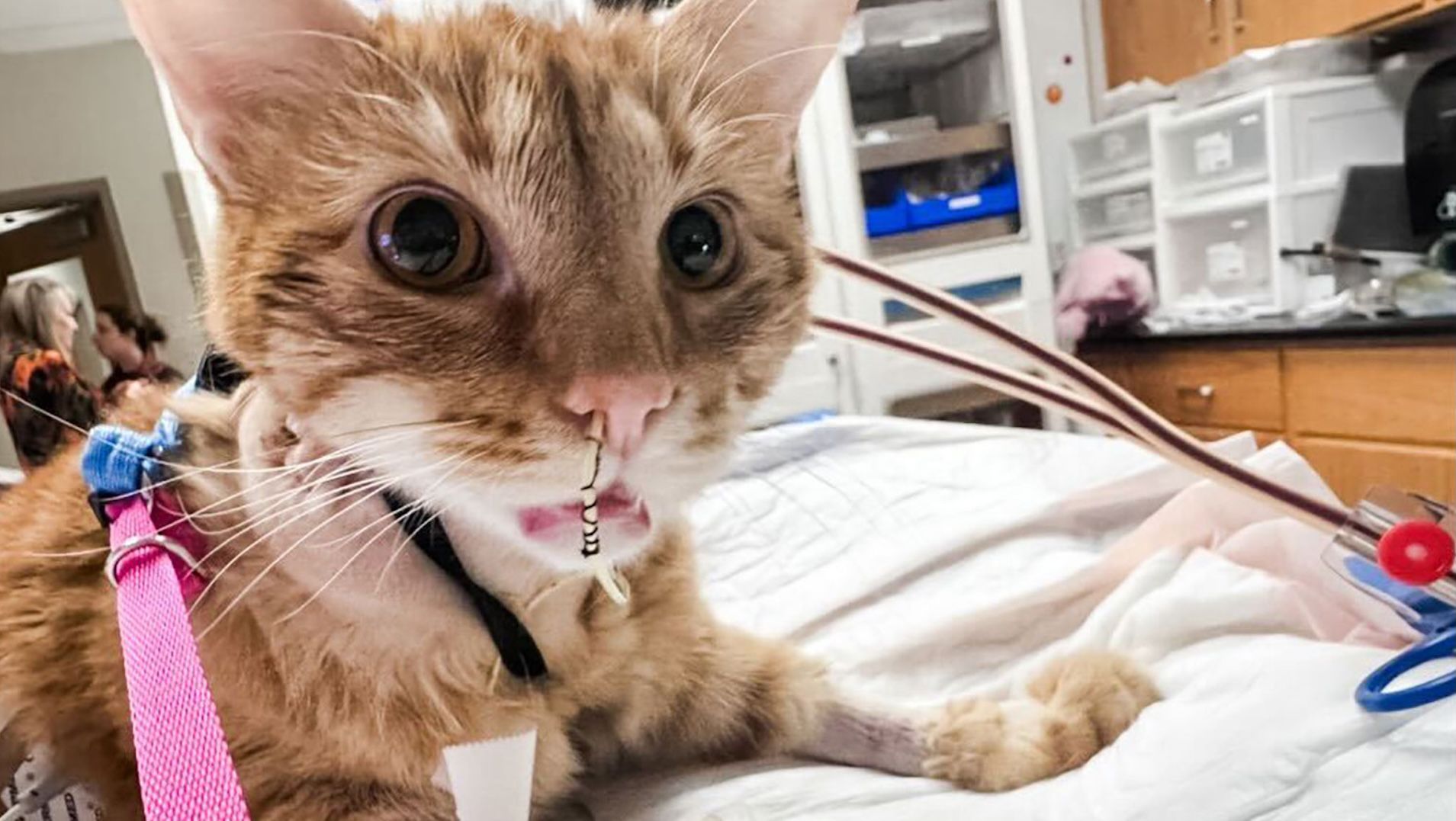
Cats can catch diseases from birds. It is important to know the signs. Early detection helps your cat get care faster.
Watch your cat closely if it spends time near birds or bird droppings. Symptoms may show in breathing, digestion, or behavior.
Respiratory Signs
Respiratory problems are common if cats get diseases from birds. Look for coughing, sneezing, or trouble breathing. Nasal discharge and wheezing are also warning signs.
Gastrointestinal Issues
Digestive problems may happen if your cat is sick from birds. Vomiting, diarrhea, and loss of appetite are common symptoms. Your cat may also have stomach pain or feel weak.
- Vomiting or nausea
- Diarrhea or soft stools
- Decreased appetite
- Weight loss
- Abdominal discomfort
Behavioral Changes
Sick cats often act differently. They may hide more, seem tired, or lose interest in play. Watch for unusual aggression or restlessness. These changes show your cat needs a vet check.
- Increased hiding
- Lethargy or weakness
- Loss of interest in toys or people
- Unusual aggression or irritability
- Restlessness or pacing
Credit: www.dvm360.com
Preventive Measures For Pet Owners
Cats can catch diseases from birds. Pet owners should take steps to keep cats safe.
Preventive measures help reduce the risk of illness for cats. These practices keep pets healthy.
Limiting Outdoor Exposure
Keep your cat indoors as much as possible. Outdoor cats face more risks from bird diseases.
If your cat goes outside, watch them closely. Stop them from hunting or playing with birds.
- Use a leash or cat harness for outside time
- Create a safe outdoor enclosure
- Close windows and doors to stop birds entering
Regular Vet Checkups
Take your cat to the vet often. Regular exams catch diseases early before they get worse.
Tell the vet if your cat has been near birds. This helps the vet check for bird-related illnesses.
- Schedule checkups at least twice a year
- Ask about vaccinations and parasite control
- Report any unusual behavior or symptoms quickly
Safe Handling Practices
Handle birds and cat waste carefully. This lowers the chance of spreading diseases to your cat.
Wear gloves when cleaning bird cages or litter boxes. Wash hands well after contact.
- Keep bird cages away from cats
- Clean areas where birds and cats live regularly
- Do not let cats eat dead or sick birds
Treatment Options For Infected Cats
Cats can catch illnesses from birds. Some infections need quick treatment.
Knowing how to help your cat is important. Treatment depends on the type of disease.
Antibiotics And Antivirals
Doctors use antibiotics to fight bacterial infections in cats. Antivirals help with virus infections.
- Antibiotics stop bacteria from growing.
- Antivirals reduce virus activity.
- Both need a vet’s prescription.
- Complete the full medicine course to avoid resistance.
Supportive Care
Supportive care helps cats feel better while fighting infection. It includes rest, fluids, and good nutrition.
| Care Type | Description |
| Hydration | Give fresh water or fluids to prevent dehydration. |
| Rest | Provide a quiet place for your cat to sleep and heal. |
| Nutrition | Feed easily digestible food to keep energy levels up. |
| Temperature | Keep your cat warm if they feel cold or shivery. |
When To Seek Emergency Help
Watch for signs that need quick vet care. Serious symptoms can get worse fast.
- Difficulty breathing or rapid breathing
- Severe vomiting or diarrhea
- Unconsciousness or seizures
- High fever or very low body temperature
- Refusing to eat or drink for more than 24 hours
Protecting Birds To Protect Cats
Birds and cats share our environment. Illnesses can jump from birds to cats. It’s important to keep both safe.
Healthy birds mean healthy cats. By protecting birds, we also shield our feline friends from diseases.
Bird Health Management
Keeping birds healthy reduces disease risks. Regular checks and care are vital for bird well-being.
- Feed birds with nutritious food.
- Keep bird habitats clean and safe.
- Monitor birds for signs of illness.
Avoiding Cross-species Contact
Limiting contact between cats and birds prevents disease spread. Simple actions help maintain their health.
Use barriers to separate birds and cats. This reduces the chances of direct contact.
| Method | Benefit |
| Separate housing | Prevents direct contact |
| Supervised interaction | Reduces stress |
| Regular health checks | Early disease detection |
Credit: www.thecanadianpressnews.ca
Frequently Asked Questions
Can Cats Catch Diseases From Wild Birds?
Yes, cats can catch diseases from wild birds. Birds may carry infections like avian influenza and parasites. If a cat hunts or eats infected birds, it risks illness. Proper veterinary care can help prevent and treat these diseases effectively.
What Bird Diseases Are Dangerous To Cats?
Bird diseases like avian influenza, salmonella, and parasites can be dangerous to cats. These illnesses can cause respiratory issues, digestive problems, or skin infections. Monitoring your cat’s health and avoiding contact with sick birds reduces risk significantly.
How Do Cats Contract Diseases From Birds?
Cats contract diseases by hunting, eating, or contacting infected birds or their droppings. Pathogens transfer through bites, scratches, or contaminated surfaces. Preventive measures include keeping cats indoors and regular veterinary checkups.
Can Indoor Cats Get Diseases From Birds?
Indoor cats have a lower risk but can still get diseases from birds. Birds may enter homes or contaminate food and surfaces. Maintaining cleanliness and limiting bird access indoors helps protect your cat.
Conclusion
Cats can catch some diseases from birds, but it is rare. Keeping your cat away from wild birds helps reduce risks. Watch for signs of illness like sneezing or coughing. Regular vet visits keep your cat healthy and safe. Clean your cat’s living area to avoid germs.
Birds and cats can live safely with care and attention. Stay informed and protect your furry friend every day.

Lily Purrington is the founder of MyKittyPicks.com, a cozy corner of the web dedicated to helping cat lovers discover the best cat products, furniture, toys, and home decor ideas.
A lifelong cat enthusiast, Lily shares trusted tips, honest product recommendations, and stylish inspiration designed to keep kitties happy and homes beautiful.
Her mission is simple: to bring together practical advice and purr-fect picks that make life better for cats and the people who love them.


