
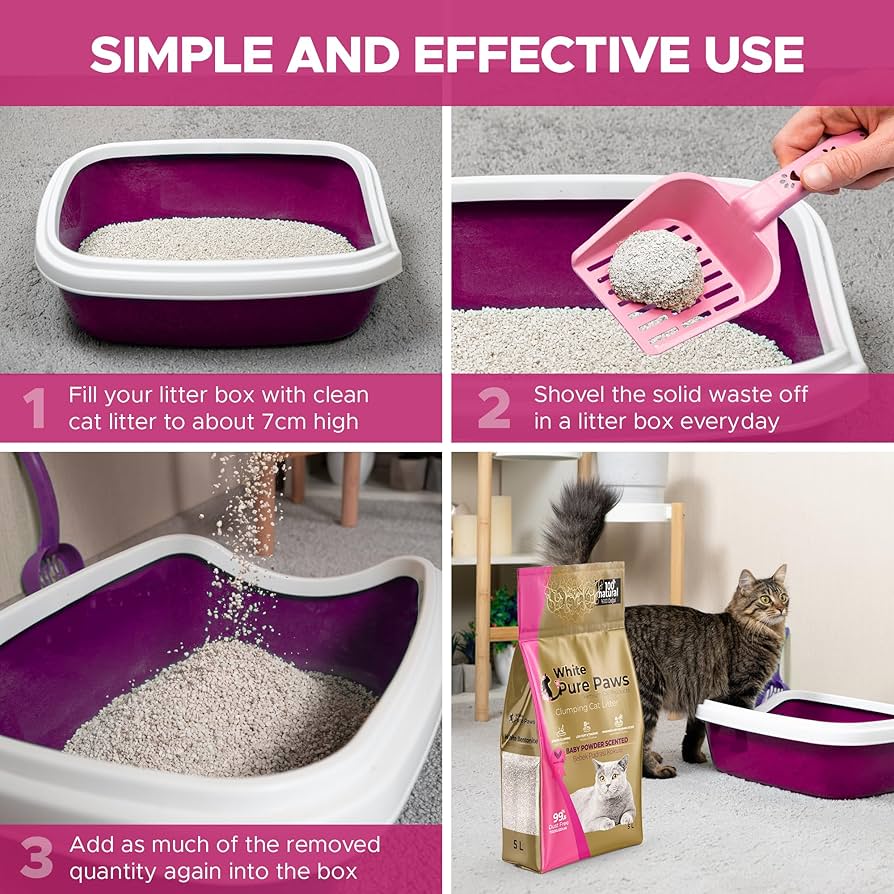
Are you wondering how much cat litter will cost you each month? If you have a furry friend at home, you know that keeping their litter box clean and fresh is a must.
But the price of cat litter can vary a lot, and it’s easy to feel confused or frustrated when shopping. You want the best for your cat without spending too much. You’ll discover the real costs behind cat litter, what affects the price, and how to pick the right one that fits your budget and your cat’s needs.
Keep reading to save money and make your cat happy!

Credit: www.amazon.com
Types Of Cat Litter
Choosing the right type of cat litter can impact both your cat’s comfort and your cleaning routine. Each variety has its own benefits and drawbacks, affecting price, odor control, and ease of use. Understanding these types helps you find the best match for your home and budget.
Clumping Vs Non-clumping
Clumping litter forms solid clumps when your cat urinates, making it easy to scoop out waste and keep the box fresh. It usually costs a bit more but saves time on cleaning. Non-clumping litter absorbs moisture but doesn’t form clumps, so you’ll need to change the entire box more often.
Think about how much time you want to spend scooping daily. Would you prefer quick cleanups or a litter that requires full changes less frequently?
Clay-based Litter
Clay litter is one of the most common and affordable options. It’s often made from bentonite clay, which clumps well and controls odor. However, it can be dusty and heavy to carry, which might not suit cats with respiratory issues.
If you’ve ever struggled with dusty messes around the litter box, clay might be why. Would a lighter, less dusty option make your routine easier?
Natural And Biodegradable Options
Natural litters use materials like corn, wheat, pine, or recycled paper. They are biodegradable and eco-friendly, often producing less dust. Prices vary widely, but some brands cost more upfront and save money by lasting longer.
Choosing biodegradable litter can reduce your environmental impact. Are you willing to pay a little extra for a greener choice that’s safe for your cat?
Silica Gel Crystals
Silica gel crystal litter looks different from traditional litters. It absorbs moisture and traps odor effectively without clumping. One bag can last several weeks, making it cost-efficient despite a higher initial price.
Have you tried silica litter and noticed how little you need to change it? It might be worth the investment if you want less frequent maintenance.

Credit: www.amazon.com
Price Range By Litter Type
The price of cat litter varies widely based on the type chosen. Each type offers different benefits and costs. Knowing the price range helps in selecting litter that fits your budget and your cat’s needs.
Here is a breakdown of typical prices by litter type. This guide covers affordable to premium options to help you make an informed choice.
Budget-friendly Choices
Basic clay litters often cost the least. Expect to pay around $5 to $10 for a 20-pound bag. These litters absorb moisture and control odor but may produce dust. They suit cat owners who want simple and low-cost options.
Mid-range Options
Clumping clay litters and natural litters fall into this category. Prices range from $10 to $20 for a 15-20 pound bag. These litters offer better odor control and easier cleaning. They balance cost and performance well for many cat owners.
Premium Litter Costs
Premium litters include silica gel crystals, walnut shells, or biodegradable materials. Prices start at $20 and can reach $30 or more per bag. These litters are often low-dust, highly absorbent, and eco-friendly. They appeal to owners willing to spend more for quality and health benefits.
Factors Influencing Cat Litter Cost
Understanding the cost of cat litter is more than just looking at price tags. Several factors can significantly influence how much you pay. It’s essential to know what these factors are to make informed choices and manage your budget effectively. Let’s dive into some key aspects that affect the cost of cat litter.
Brand And Quality
Not all cat litters are created equal. Some brands are renowned for their quality, offering superior odor control and clumping capabilities. However, this often comes with a higher price. Consider whether paying extra for a premium brand aligns with your needs. Can you notice a difference in quality that justifies the cost?
Package Size And Quantity
Buying in bulk can sometimes save money. Larger packages often offer a lower cost per pound, which is great for households with multiple cats. However, storing large quantities might be a challenge. Do you have the space to accommodate bulk purchases?
Scented Vs Unscented
Scented litters can mask odors effectively, but they may be more expensive. Some cats and owners are sensitive to artificial scents, making unscented options more desirable. Weigh the pros and cons of each type. Is the added cost of scented litter worth the potential benefits?
Specialty Litters
Specialty litters, such as those designed for specific health needs, often come at a premium. They might offer features like low dust or hypoallergenic properties. Evaluate if these features are necessary for your cat’s well-being. Could specialty litter be a worthwhile investment for your peace of mind?
By considering these factors, you can make smarter choices that suit both your cat’s needs and your budget. Always remember, the best choice is the one that offers value and satisfaction for you and your feline companion.
Estimating Monthly And Annual Expenses
Estimating the cost of cat litter helps manage your budget better. Knowing monthly and yearly expenses avoids surprises. Cat litter costs vary by brand, type, and cat habits. Understanding usage and prices guides smart buying decisions.
Average Usage Per Cat
Most cats use about 5 to 10 pounds of litter per week. This depends on how often you clean the litter box. For one cat, expect to use around 20 to 40 pounds each month. Multiple cats increase usage, sometimes doubling or tripling it. Tracking your cat’s habits helps estimate exact amounts needed.
Calculating Based On Litter Type
Different litter types cost differently and last for varied times. Clay litter is common and usually costs less per bag. Clumping litter often costs more but requires less frequent changes. Natural or biodegradable litters can be pricier but may last longer. Checking price per pound and usage frequency gives a better cost estimate.
| Litter Type | Average Cost per 20 lbs | Weekly Usage per Cat | Monthly Cost Estimate |
|---|---|---|---|
| Clay | $10 | 5 lbs | $20 |
| Clumping | $15 | 4 lbs | $12 |
| Natural/Biodegradable | $20 | 3 lbs | $12 |
Cost-saving Tips
- Buy litter in bulk to reduce price per pound.
- Clean the litter box daily to extend litter life.
- Use liners or mats to reduce litter waste.
- Try mixing litters to balance cost and quality.
- Shop during sales or use coupons for discounts.
Where To Buy Cat Litter
Finding the right place to buy cat litter affects both price and convenience. Various options suit different needs and budgets. Some stores offer a wide selection, while others specialize in bulk sales. Choose a place that fits your shopping style and cat’s needs.
Pet Stores
Pet stores offer many types of cat litter. You can see and feel the products before buying. Staff often help with advice on the best litter. Prices can be higher here, but quality is reliable. Local pet stores support community businesses and provide quick access.
Online Retailers
Online shopping offers many brands and sizes of cat litter. You can compare prices and read customer reviews easily. Delivery saves time and effort, arriving at your door. Look for free shipping or discounts to save money. Online stores often have more variety than physical shops.
Wholesale And Bulk Buying
Buying cat litter in bulk lowers the cost per pound. Wholesale clubs and warehouse stores sell large quantities. This option suits homes with multiple cats or long-term needs. Bulk buying reduces shopping trips and packaging waste. Check storage space before purchasing large amounts.
Environmental Impact And Cost Considerations
Choosing cat litter is not just about the price tag on the shelf. The environmental impact of your choice can affect your wallet in surprising ways. Understanding how litter breaks down and how you dispose of it can help you make smarter, cost-effective decisions that are better for the planet.
Biodegradability And Disposal
Not all cat litter is created equal when it comes to breaking down in the environment. Clay-based litters often take centuries to decompose, piling up in landfills and contributing to pollution. On the other hand, biodegradable litters made from materials like corn, wheat, or recycled paper break down much faster.
Disposal methods also matter. Flushable litters or those compostable at home can reduce your waste footprint significantly. Have you ever considered how much litter ends up in the trash each month and what that means for your local landfill?
Long-term Savings With Eco-friendly Options
Eco-friendly cat litter might seem pricey at first glance, but it often lasts longer and requires less frequent replacement. Litters that clump well and control odor can save you money by reducing the amount you need to use.
Some brands offer bulk buying options or subscription services, which lower costs over time. Plus, using biodegradable litter can cut down on waste disposal fees if you live in an area with strict garbage regulations.
Have you tried switching to a greener cat litter and noticed changes in your monthly expenses? Often, a small upfront investment leads to savings and a cleaner conscience.
Alternatives To Traditional Cat Litter
Exploring alternatives to traditional cat litter offers options that can save money and reduce waste. Many cat owners seek solutions that fit their budget and are gentle on the environment. These options range from simple homemade mixes to innovative reusable products. Each alternative has unique benefits and may suit different cats and households.
Homemade Litter Solutions
Homemade cat litter is a budget-friendly choice. Many ingredients are easy to find and safe for cats.
- Baking soda mixed with shredded newspaper helps control odor.
- Wood pellets absorb moisture and are biodegradable.
- Sand or soil can mimic outdoor litter but may need frequent changing.
- Dry cornmeal or wheat can clump and be compostable.
Homemade litter requires regular cleaning to keep it fresh. Cats may need time to adjust to new textures.
Reusable Litter Products
Reusable cat litter products reduce waste and save money in the long run. These products use materials that can be cleaned and reused multiple times.
- Silicone litter mats trap litter and are easy to clean.
- Washable litter boxes with special liners help reduce litter tracking.
- Plastic beads or crystals can be rinsed and dried for reuse.
Reusable options cut down on frequent purchases. They often need more effort for cleaning but help the environment.

Credit: www.amazon.com
Frequently Asked Questions
How Much Does Cat Litter Cost On Average?
The average cost of cat litter ranges from $10 to $25 per 20-pound bag. Prices vary by type and brand, with clumping litter generally costing more than non-clumping options.
What Factors Affect Cat Litter Prices?
Price depends on litter type, brand, scent, and packaging size. Natural or eco-friendly litters often cost more due to sustainable materials and manufacturing.
Are Premium Cat Litters Worth The Extra Cost?
Premium litters offer better odor control and dust reduction. They can be more absorbent, which may save money over time by needing less frequent changes.
How Can I Save Money On Cat Litter?
Buying in bulk, using coupons, or choosing store brands helps reduce costs. Also, selecting the right litter type for your cat can prevent waste.
Conclusion
Cat litter costs vary based on type and brand. Clay litter tends to be cheaper, while natural options cost more. Buying in bulk can save some money. Quality matters for your cat’s health and comfort. Choose a litter that fits your budget and needs.
Remember, small differences in price add up over time. A good litter keeps your home clean and your cat happy. Consider price, clumping ability, and dust levels before buying. Your cat deserves the best care without overspending.

Lily Purrington is the founder of MyKittyPicks.com, a cozy corner of the web dedicated to helping cat lovers discover the best cat products, furniture, toys, and home decor ideas.
A lifelong cat enthusiast, Lily shares trusted tips, honest product recommendations, and stylish inspiration designed to keep kitties happy and homes beautiful.
Her mission is simple: to bring together practical advice and purr-fect picks that make life better for cats and the people who love them.


