
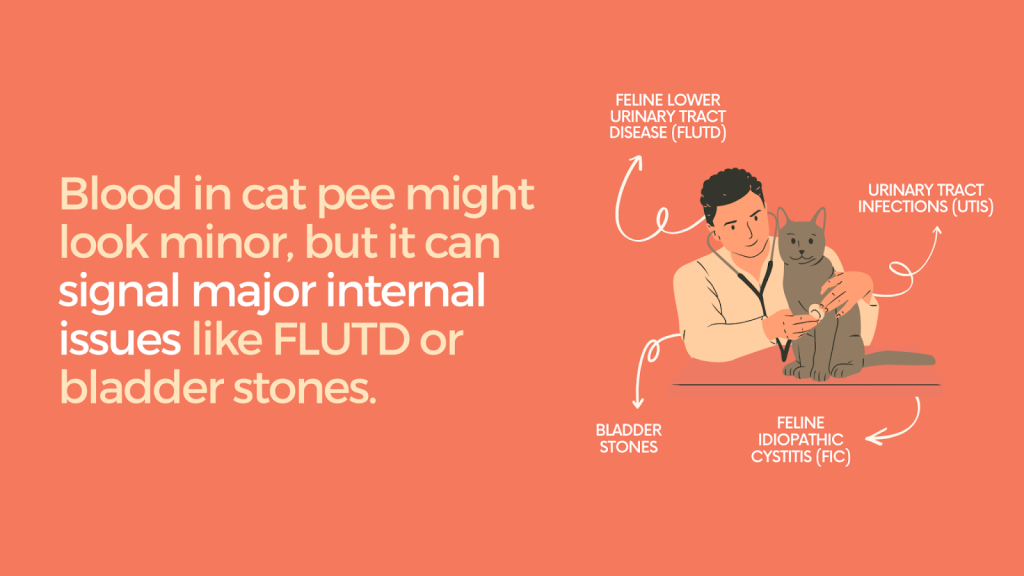
If you’ve noticed blood in your cat’s urine, it can be alarming and confusing. You want to know what’s causing it and how serious it might be.
Understanding the reasons behind this can help you take quick action to protect your furry friend’s health. You’ll discover the common causes of blood in a cat’s urine and what signs to watch for. By the end, you’ll feel more confident in knowing when to seek help and how to support your cat’s well-being.
Keep reading—your cat’s health could depend on it.
Common Causes Of Blood In Cat Urine
Noticing blood in your cat’s urine can be alarming. Understanding the common causes helps you act quickly and seek the right treatment. Let’s look at some typical reasons why your cat might have blood in their urine.
Urinary Tract Infections
Urinary tract infections (UTIs) are a frequent cause of blood in cat urine. Bacteria enter the urinary tract, causing inflammation and irritation, which leads to bleeding. If your cat is straining to urinate, licking their genital area excessively, or showing signs of discomfort, a UTI might be the culprit.
Bladder Stones
Bladder stones form when minerals in the urine crystallize and clump together. These stones can irritate the bladder wall, causing bleeding and painful urination. You might notice your cat visiting the litter box more often but producing only small amounts of urine.
Kidney Disease
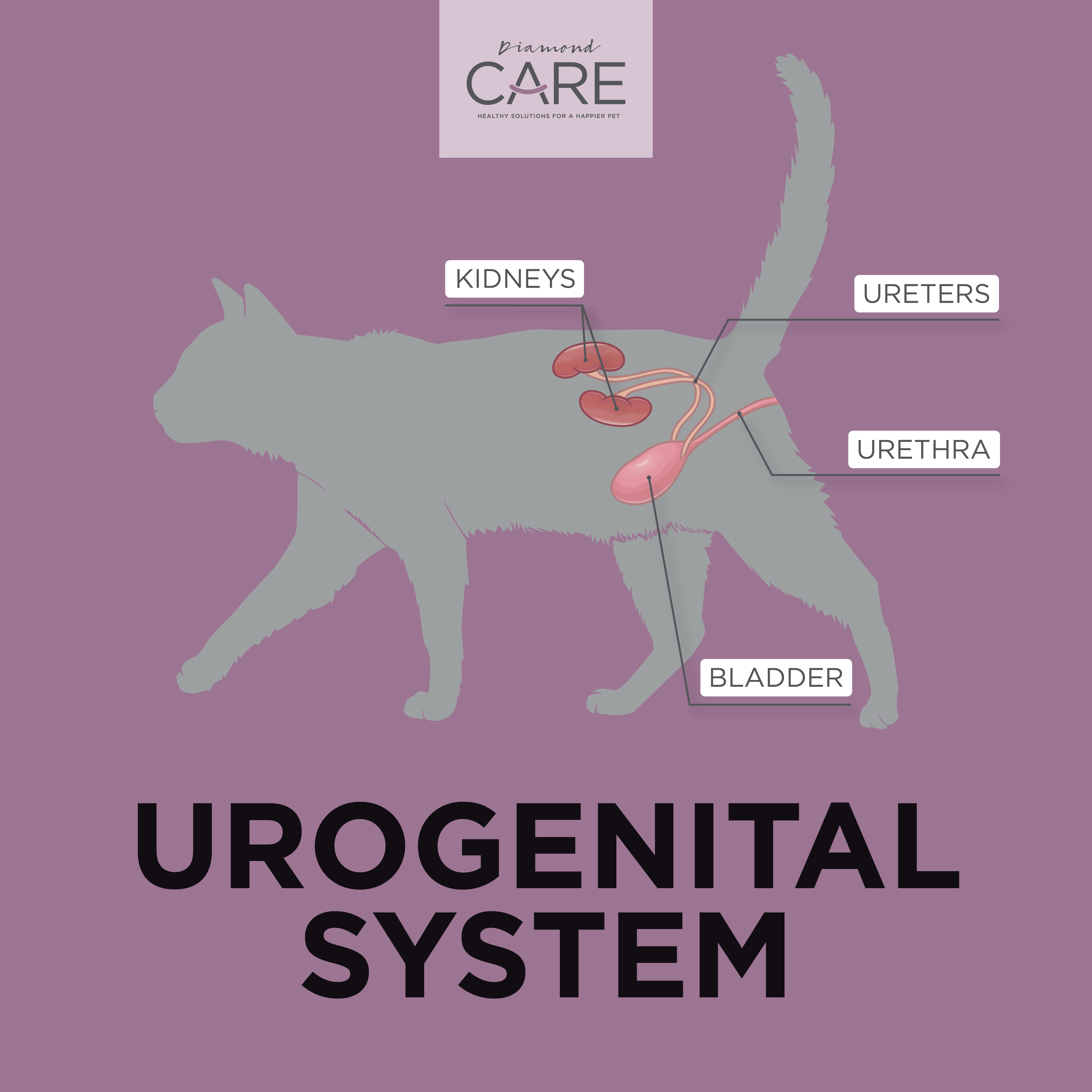
Kidney disease can cause blood to appear in your cat’s urine due to damage in the kidneys or urinary tract. This condition often develops slowly, so you may see other signs like weight loss, poor appetite, or increased thirst. Detecting kidney issues early can make a big difference in managing your cat’s health.
Trauma Or Injury
Physical injury to the urinary tract or nearby areas can lead to blood in the urine. Trauma might result from accidents, rough play, or fights with other animals. If your cat is limping, hiding, or seems unusually sensitive when you touch their abdomen, trauma could be the reason behind the bleeding.
Less Frequent Causes
Blood in a cat’s urine can result from less common causes beyond infections or stones. These causes are serious and need prompt attention. Understanding them helps pet owners spot problems early and seek veterinary care.
Tumors And Cancer
Tumors in the urinary tract can cause bleeding. Both benign and malignant tumors may lead to blood in urine. Cancer can damage tissues and blood vessels, making blood appear in urine. Early detection improves treatment options and outcomes.
Blood Clotting Disorders
Some cats have problems with blood clotting. These disorders cause bleeding in various body parts, including the urinary tract. Causes include inherited conditions or toxin exposure. Clotting issues make even small injuries bleed more than usual.
Feline Lower Urinary Tract Disease
This condition affects the bladder and urethra. It causes inflammation, irritation, and sometimes bleeding. Stress and diet often play roles in this disease. Cats may show signs like frequent urination and blood in urine.
Symptoms To Watch For
Blood in a cat’s urine may come with signs like straining to pee or frequent urination. Watch for changes in behavior, such as licking the genital area or showing pain. These symptoms often indicate a need for prompt veterinary care.
Spotting blood in your cat’s urine can be alarming. Understanding the symptoms to watch for can help you act quickly and ensure your feline friend gets the care they need. Cats often hide their discomfort, making it crucial for you to be observant and proactive. Let’s explore some key symptoms that could indicate an issue.Changes In Urination Habits
A sudden shift in your cat’s urination routine can be a red flag. Is your cat visiting the litter box more frequently or less often? Perhaps they’re straining or spending more time than usual trying to urinate. These changes could indicate underlying problems like urinary tract infections or bladder stones. Keep an eye on the size of urine clumps, as smaller or larger clumps than usual may signal trouble.Signs Of Pain Or Discomfort
Cats often hide their pain, but subtle cues can reveal their discomfort. Look for signs like excessive grooming, especially around the belly or genital area. Vocalizations like yowling or crying during urination are also telltale signs. If your cat seems restless or uncomfortable, it might be experiencing pain that warrants attention.Behavioral Changes
Notice any odd behaviors? Your cat might start avoiding the litter box or urinate in unusual places. Stress or anxiety can exacerbate urinary issues, leading to behavioral shifts. Pay attention to your cat’s mood. Is it more withdrawn or unusually aggressive? These changes can be indicators of discomfort or pain related to urinary problems. By closely observing your cat’s behavior and habits, you can catch these symptoms early. Wouldn’t you want to ensure your beloved pet remains healthy and happy? Keeping a vigilant eye can make all the difference.
Credit: www.purina.com
Diagnostic Methods
Finding blood in your cat’s urine can be alarming. To understand the cause, veterinarians rely on several diagnostic methods that help pinpoint the exact problem. These tests give clear clues about your cat’s health and guide the right treatment.
Urinalysis Tests
Urinalysis is often the first step in diagnosis. It involves examining a urine sample to check for blood, crystals, bacteria, or signs of infection.
This test can reveal if there’s inflammation or if your cat has a urinary tract infection. It’s quick and painless, providing valuable information within minutes.
Imaging Techniques
Imaging helps visualize what’s going on inside your cat’s urinary system. X-rays or ultrasounds can detect stones, tumors, or abnormalities in the bladder and kidneys.
For instance, an ultrasound might show bladder stones hidden from urinalysis. Have you ever wondered how vets find hidden problems that don’t show symptoms right away?
Blood Tests
Blood tests complement urine tests by assessing your cat’s overall health. They check kidney function, detect infections, and reveal any underlying diseases.
These tests can also measure red and white blood cell counts to identify bleeding or inflammation. Blood work is essential to rule out serious conditions that may cause blood in urine.
Treatment Options
Treating blood in a cat’s urine depends on the underlying cause. A vet will perform tests to find the exact problem. Treatment aims to stop bleeding, reduce pain, and prevent infection. Several options exist to help your cat recover quickly and safely.
Medications And Antibiotics
Medications help control infection and reduce inflammation. Antibiotics target bacterial infections causing blood in urine. Pain relievers ease discomfort during urination. Some drugs help relax the bladder muscles. Always follow the vet’s prescription and dosage instructions.
Surgical Procedures
Surgery may be needed for severe cases. Blockages or tumors often require surgical removal. Surgery clears the urinary tract to restore normal flow. Post-surgery care is important for full recovery. The vet will explain risks and aftercare steps clearly.
Dietary Adjustments
Special diets support urinary tract health. Prescription foods can reduce crystals or stones in urine. Proper hydration helps flush out irritants. Some diets balance urine pH to prevent further issues. Always consult your vet before changing your cat’s diet.
Credit: www.diamondpet.com
Preventive Measures
Preventing blood in your cat’s urine starts with simple habits you can adopt every day. These actions help keep your cat healthy and can stop problems before they begin. Let’s look at key ways you can protect your feline friend from urinary issues.
Hydration Importance
Keeping your cat well-hydrated is one of the easiest and most effective ways to prevent urinary problems. Cats often don’t drink enough water on their own, especially if they eat mainly dry food.
You can encourage more water intake by placing multiple water bowls around the house or investing in a cat water fountain. Adding wet food to your cat’s diet also helps increase fluid consumption, which flushes out the urinary tract and reduces the risk of blood in the urine.
Regular Vet Checkups
Scheduling regular veterinary visits allows you to catch urinary issues early—before you see any blood or signs of discomfort. Your vet can perform urine tests and physical exams that reveal hidden infections or stones.
Think about it this way: a quick vet visit could save your cat from painful conditions that might require surgery later. Don’t wait for symptoms to appear; proactive care is your best defense.
Stress Reduction
Stress can play a big role in urinary tract problems for cats. Changes in the environment, new pets, or even loud noises may trigger issues like inflammation or infections.
Creating a calm, predictable environment is key. Try using calming sprays or diffusers, providing cozy hiding spots, and maintaining a regular routine. Have you noticed your cat’s bathroom habits change after a stressful event? Managing stress could be the missing piece in preventing blood in their urine.
Credit: www.revivalanimal.com
Frequently Asked Questions
What Are Common Causes Of Blood In A Cat’s Urine?
Common causes include urinary tract infections, bladder stones, trauma, and feline lower urinary tract disease. These conditions irritate the urinary tract, leading to bleeding. Prompt veterinary diagnosis is essential for proper treatment and relief.
Can Stress Cause Blood In A Cat’s Urine?
Yes, stress can trigger feline lower urinary tract disease, causing blood in urine. Stress affects bladder health and leads to inflammation or irritation. Managing stress can help reduce symptoms and prevent recurrence.
How Is Blood In A Cat’s Urine Diagnosed?
Veterinarians use urinalysis, blood tests, and imaging like X-rays or ultrasound. These tests identify infections, stones, or tumors causing bleeding. Early diagnosis helps guide effective treatment and improves outcomes.
When Should I Take My Cat To The Vet For Blood In Urine?
Immediate veterinary care is needed if you notice blood in urine. Delaying treatment can worsen infections or blockages, threatening your cat’s health. Early intervention ensures better recovery and comfort.
Conclusion
Blood in a cat’s urine often signals a health problem. Causes can range from infections to bladder stones or injuries. Early detection helps your cat get the right treatment fast. Watch for changes in your cat’s bathroom habits. Visit a vet if you notice blood or discomfort.
Keeping your cat healthy means paying attention to small signs. Understanding these causes supports better care and comfort for your pet. Don’t wait—act quickly to protect your cat’s well-being.

Lily Purrington is the founder of MyKittyPicks.com, a cozy corner of the web dedicated to helping cat lovers discover the best cat products, furniture, toys, and home decor ideas.
A lifelong cat enthusiast, Lily shares trusted tips, honest product recommendations, and stylish inspiration designed to keep kitties happy and homes beautiful.
Her mission is simple: to bring together practical advice and purr-fect picks that make life better for cats and the people who love them.


